Hero photo of Mercury Islands + Coromandel Peninsula

Destination guide

Mercury Islands + Coromandel Peninsula

Wild kelp forests and predator free islands off the Coromandel coast

Predator free island arcWild yet reachable divingNo take Caulerpa zoneTemperate kelp forests

Currently Viewing:

Overview

Wild kelp forests and predator free islands off the Coromandel coast

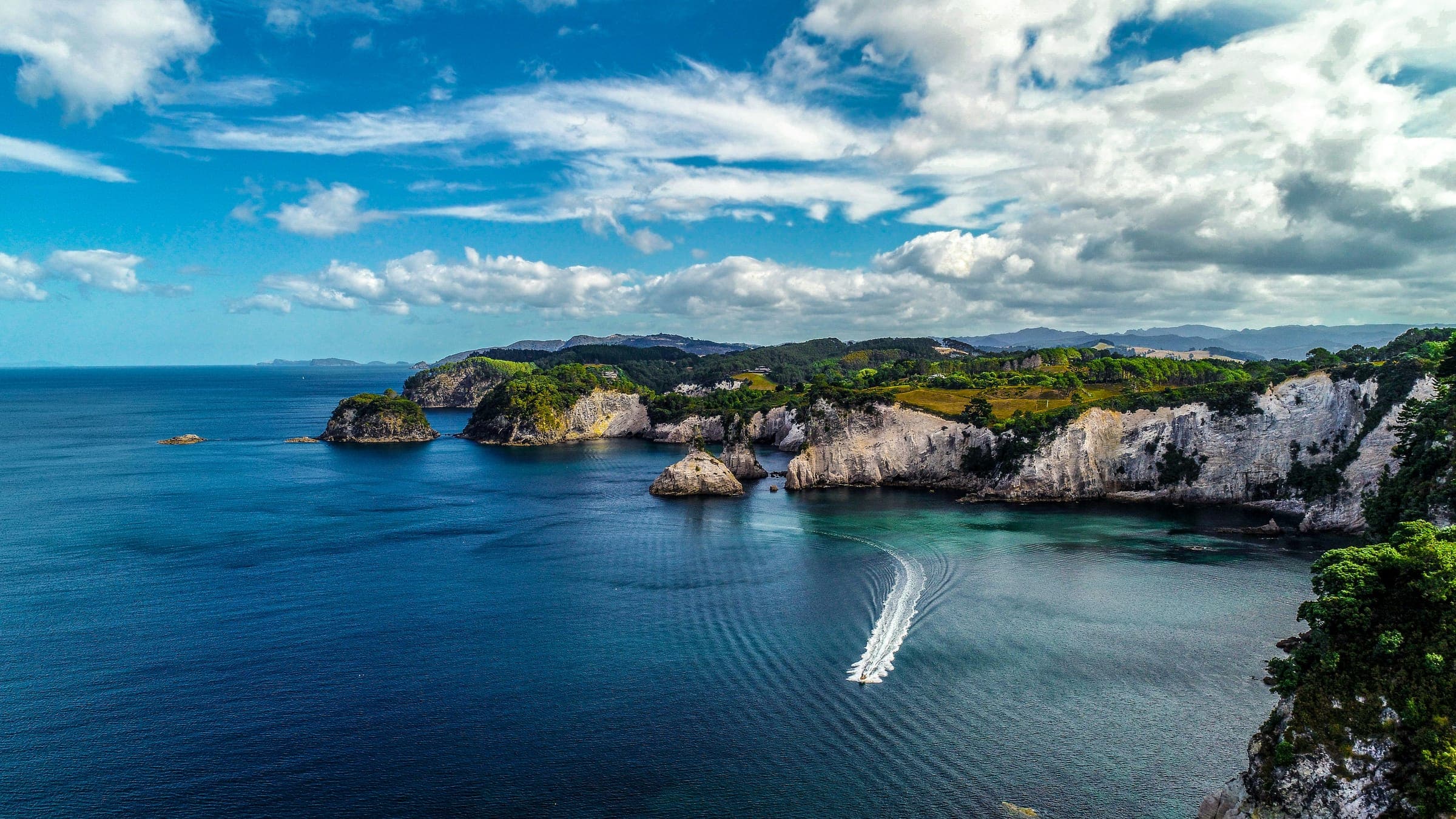
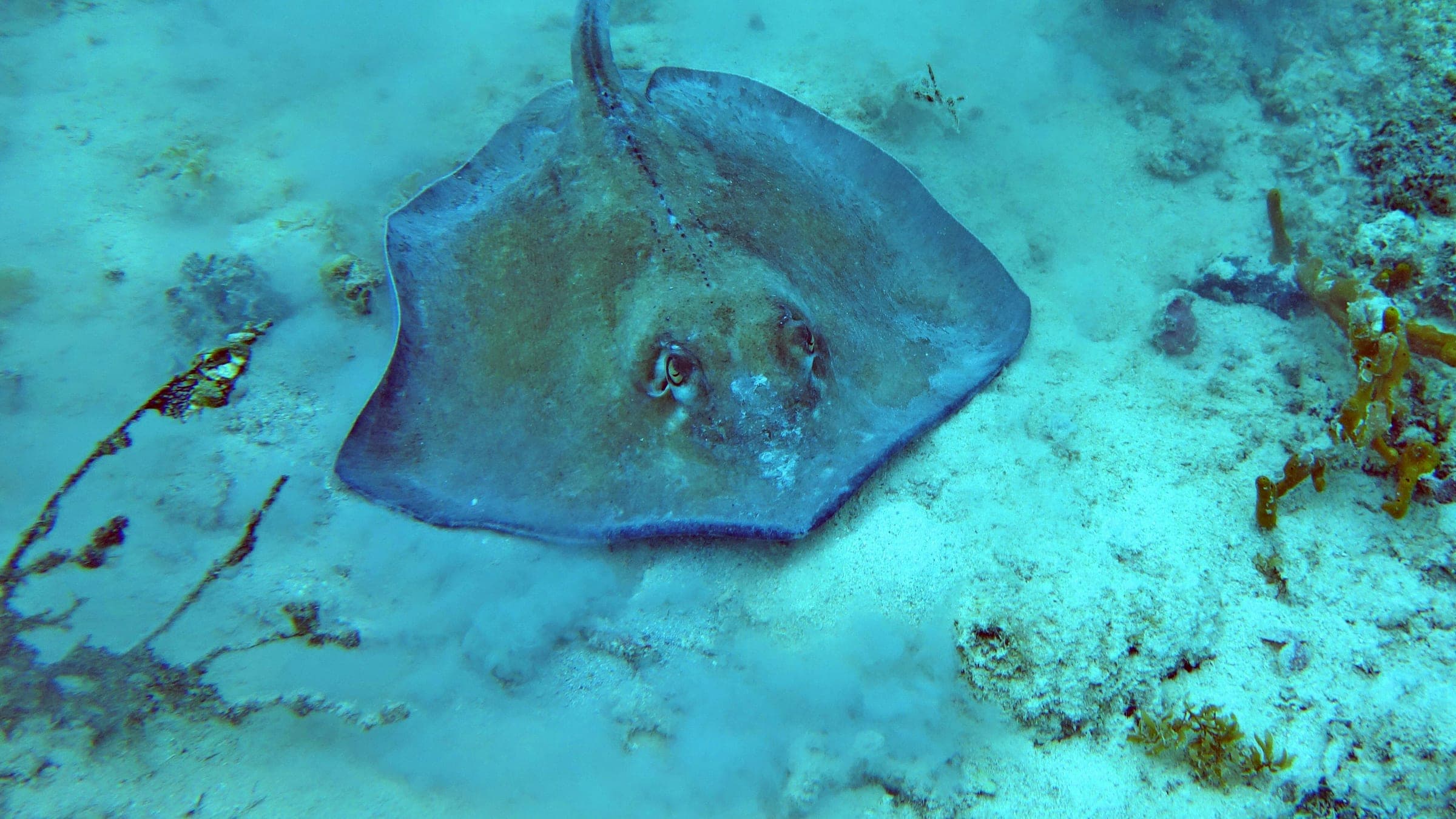
The Mercury Islands, or Nga motu o Ahuahu, are a cluster of predator free islands sitting off New Zealands Coromandel Peninsula. Based out of Whitianga in Mercury Bay, divers and snorkellers cross 15 km of open water to reach sheer walls, kelp forests and fish filled pinnacles that feel far wilder than the mainland coast. Great Mercury Island (Ahuahu) welcomes low impact day visitors, while the six smaller islands are DOC managed nature reserves with strict no landing rules and globally significant seabird and reptile communities. Underwater, the Mercs mix easy sheltered bays with advanced, current swept sites that attract schooling kingfish, trevally, rays and the occasional orca. Exotic Caulerpa restrictions and a no take zone around Ahuahu make this a true look dont touch destination for conservation minded divers, freedivers and snorkellers.

Getting oriented

The Mercury Islands (Mercs) are a small archipelago 6 km to 10 km off the eastern side of the Coromandel Peninsula, best accessed from the harbour town of Whitianga in Mercury Bay. The group includes Ahuahu/Great Mercury Island plus six smaller DOC managed nature reserves (Red Mercury, Korapuki, Green, Middle, Stanley and Double Islands). All except Ahuahu are strictly no landing to protect fragile seabird and reptile populations.

Ahuahu itself is privately owned but allows carefully managed day visiting by boat, with strong biosecurity requirements to keep the island pest free after successful eradication of rats and feral cats in 2014. The islands sit within the Hauraki Gulf Marine Park and feel much more remote than their distance from the mainland suggests.

Underwater landscape

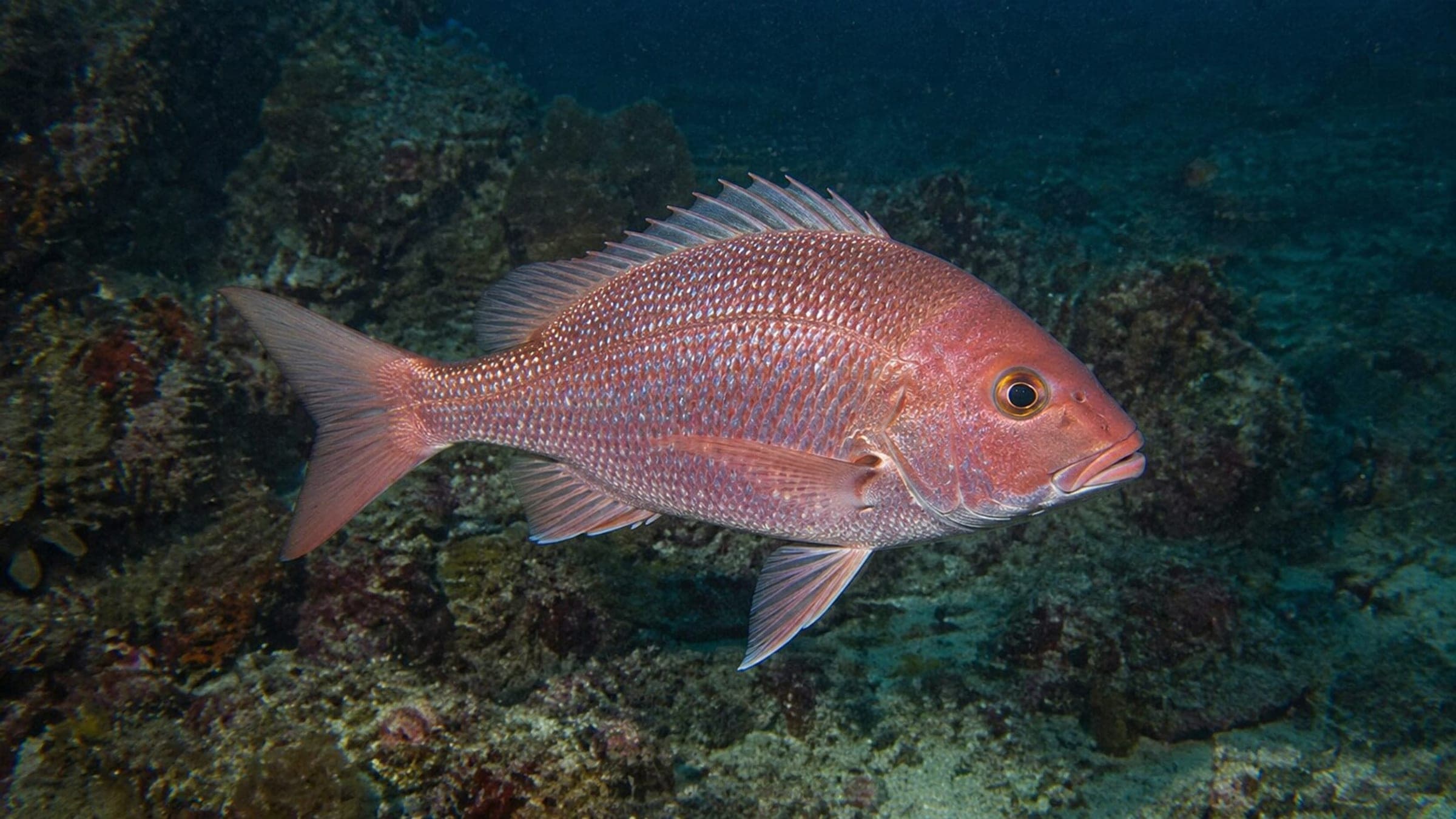
The Mercs are classic temperate New Zealand diving: volcanic and sedimentary reef, vertical walls, boulder fields and kelp forests dropping into sand at 15 m to 40 m. Coralie Bay and Peach Grove offer sheltered bays with extensive Ecklonia kelp and sand channels, while advanced sites like The Book Case and Never Fail Rock are steep walls and exposed pinnacles swept by current and swell. Expect schools of blue maomao, trevally, kahawai, pink and blue maomao, butterfish, demoiselles, snapper, crayfish and occasional pelagics.

Visibility varies from 8 m on a green day to 20 m plus in stable summer conditions. Water temperature ranges from around 15°C in late winter to 21°C in late summer.

Conservation and regulations

Six of the seven Mercury Islands are DOC nature reserves with no public landing and strict pest free rules, while Ahuahu has its own biosecurity protocols for visiting boats and day trippers. In addition, a Controlled Area Notice for exotic Caulerpa around Great Mercury Island creates a no take zone where removing any marine life (fish, shellfish, crayfish, seaweed) is illegal and anchors, chains and gear must be thoroughly cleaned before leaving.

These layers of protection mean the Mercs feel noticeably more fishy and intact than many inshore New Zealand reefs. They also demand high standards of diver behaviour: perfect buoyancy, no collecting and meticulous decontamination of dive, snorkel and boating gear.

The wider playground

Although the destination focus is the Mercs, most visitors base themselves in Whitianga or Hahei and combine offshore days with shore based adventures. Te Whanganui a Hei / Cathedral Cove Marine Reserve offers easy snorkelling and iconic coastal scenery; Hot Water Beach delivers geothermal hot pools in the intertidal zone; and Coromandel Forest Park adds waterfalls and kauri forest hikes. This mix of offshore wilderness and accessible topside highlights makes the Mercury Islands area an unusually well rounded trip for mixed dive and non dive groups.

Highlights

Don't miss while you're here

Field notes from guides and contributors on what stands out immediately.

A dual day of Coralie Bay and The Cathedral

If conditions allow, ask your operator about pairing a first dive at Coralie Bay with a second at The Cathedral. The combination of sheltered kelp forest and more exposed walls and boulders gives a perfect Mercs sampler, and snorkellers can join both sites from the boat.

JanJan
FebFeb
MarMar
AprApr
MayMay
JunJun
JulJul
AugAug
SepSep
OctOct
NovNov
DecDec

Hot pools and night sky combo

Plan an evening low tide at Hot Water Beach followed by stargazing from a dark stretch of sand or, if you are on an overnight boat, from the deck in a quiet bay. On clear winter nights the Milky Way is spectacular, especially when light pollution is blocked by the Coromandel ranges.

JanJan
FebFeb
MarMar
AprApr
MayMay
JunJun
JulJul
AugAug
SepSep
OctOct
NovNov
DecDec

Gemstone Bays snorkel trail

When Cathedral Cove tracks are open and safe, do not skip Gemstone Bay on the way in or out. Its underwater snorkel trail uses marker buoys to explain different habitats and species, turning a simple swim into a mini marine biology lesson.

JanJan
FebFeb
MarMar
AprApr
MayMay
JunJun
JulJul
AugAug
SepSep
OctOct
NovNov
DecDec

See something inaccurate or want to contribute to the destination details?