Country Guide
Denmark
Cold-water walls, Baltic wrecks and shallow marine trails between two seas
Updated Nov 8, 2026 • 34 sources
Destinations
3
Dive spots
52
Country Guide
Cold-water walls, Baltic wrecks and shallow marine trails between two seas
Updated Nov 8, 2026 • 34 sources
Overview
Denmark rewards curious cold-water explorers with very different coastlines. Little Belt near Middelfart offers steep clay walls, anemones, boulder reefs and strong strait currents, alongside purpose-built shallow snorkel trails. Bornholm trades those walls for granite coves and offshore Baltic wreck history, some firmly in technical-diving territory. Oresund and North Zealand combines Helsingor shore dives and seasonal guided snorkeling with castles, aquariums and Copenhagen access. Expect kelp, eelgrass, crabs, small fish and possible porpoise sightings from shore or responsible boats, not tropical reefs. May to September is the easiest broad scuba period; June to August suits most casual snorkelers. Weather, water temperature, shipping and currents matter more than a calendar. Denmark also has North Sea, Kattegat and other island coasts, but the three linked guides are the verified published Danish destination anchors.
Baltic granite and wrecks at Bornholm, current-cut clay walls at Little Belt, and guided Sound access near Helsingor.
Officially documented shallow trails near Middelfart and Trelde Naes make nature observation possible without scuba certification.
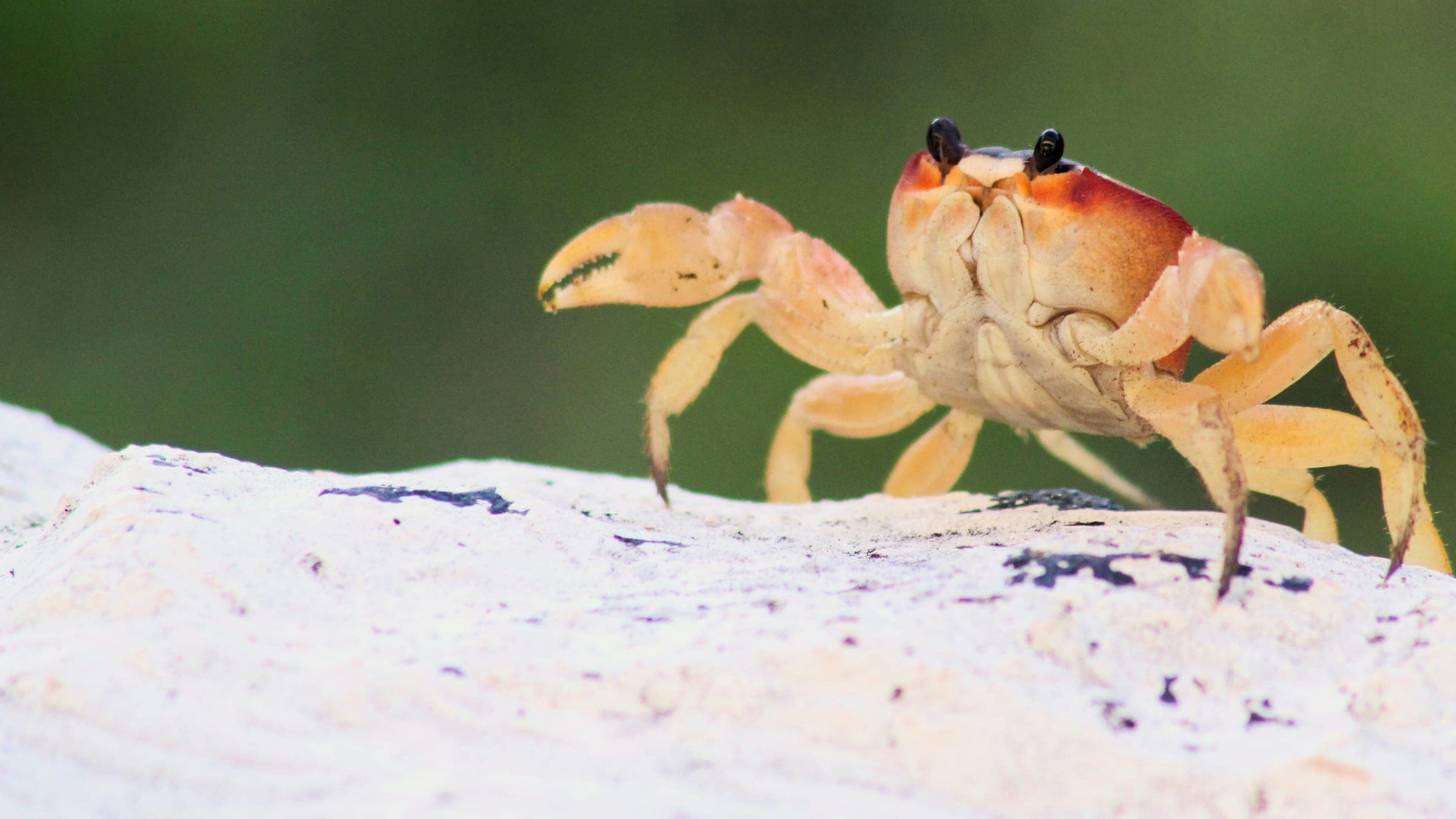
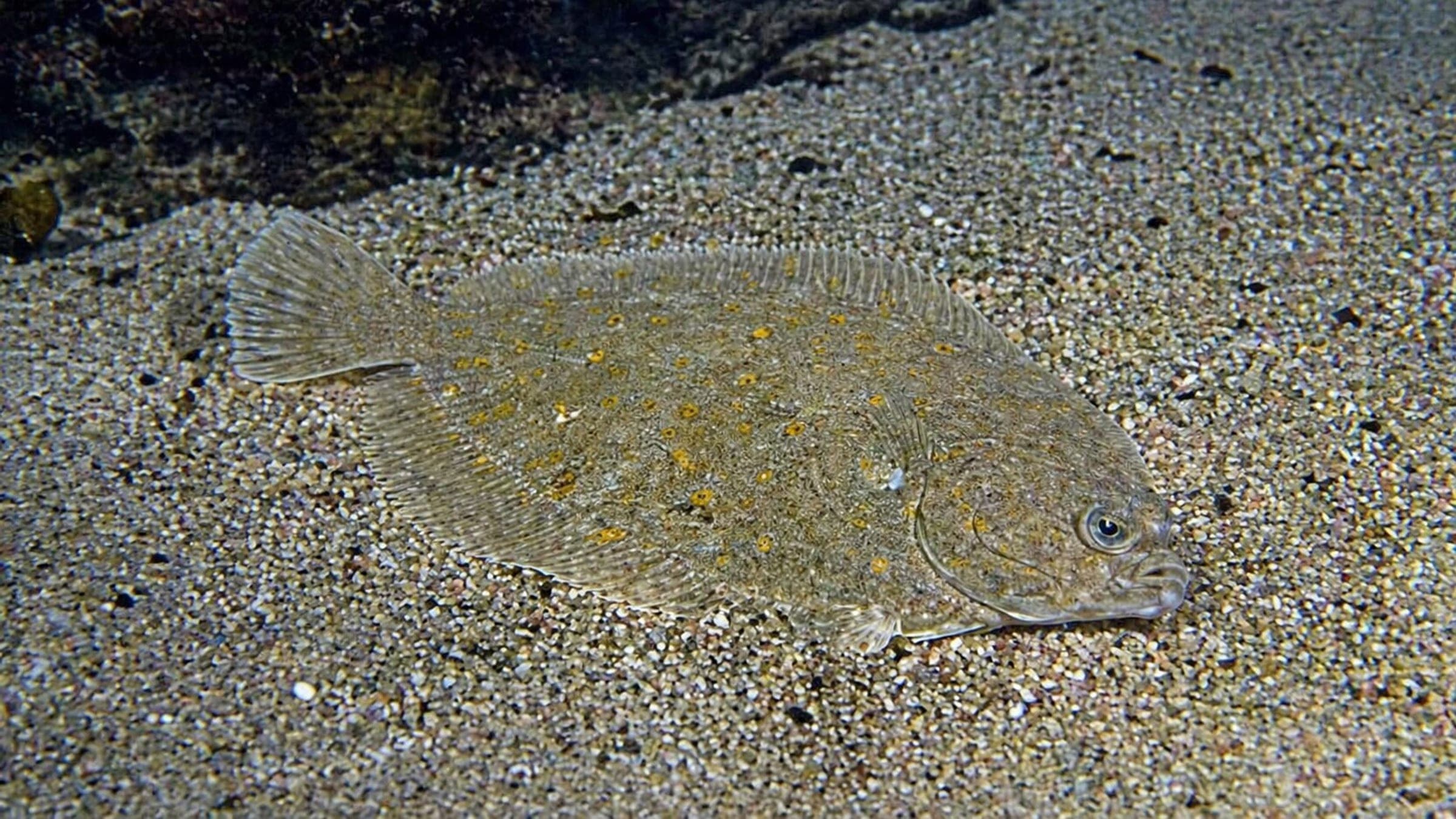
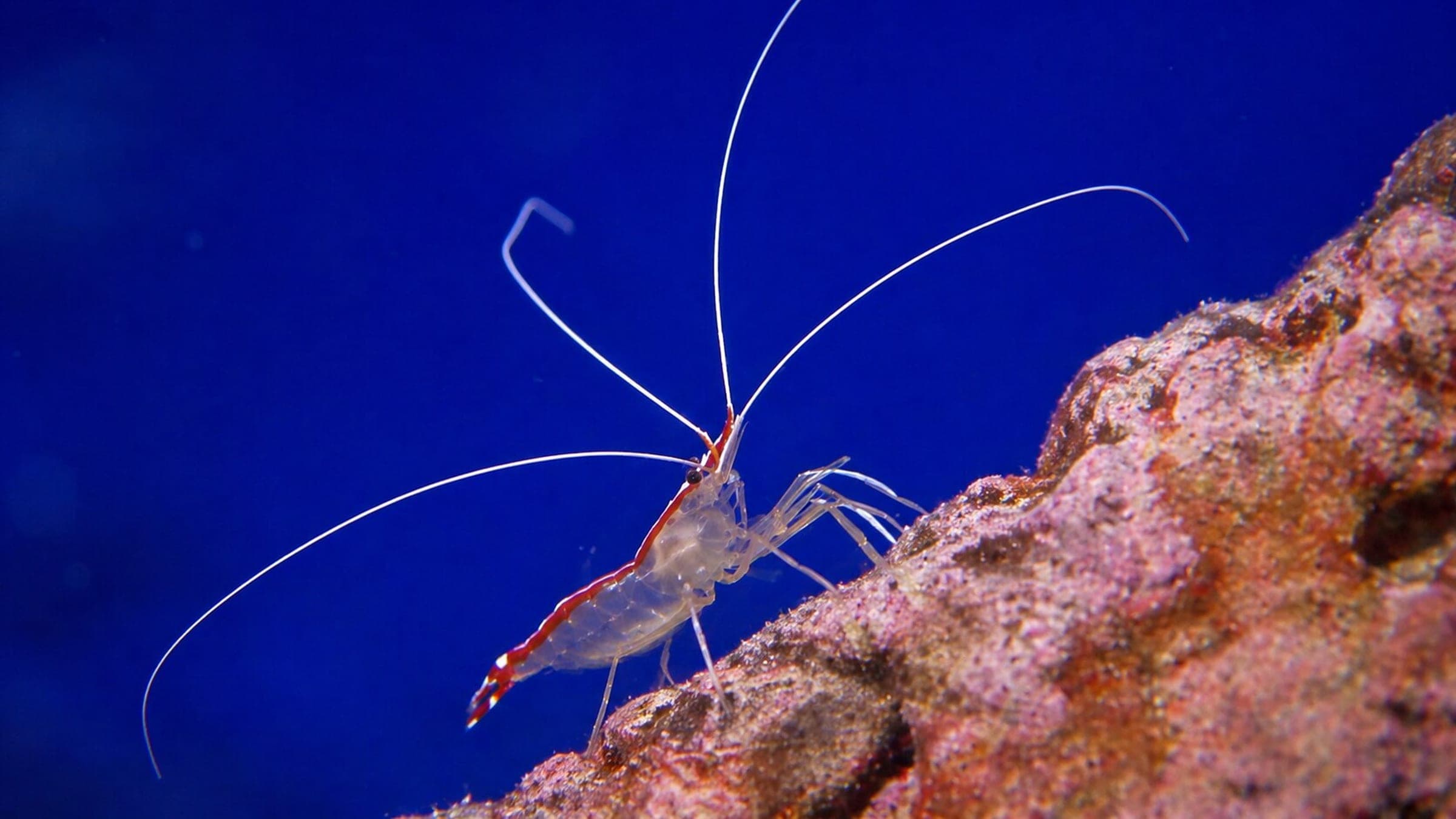
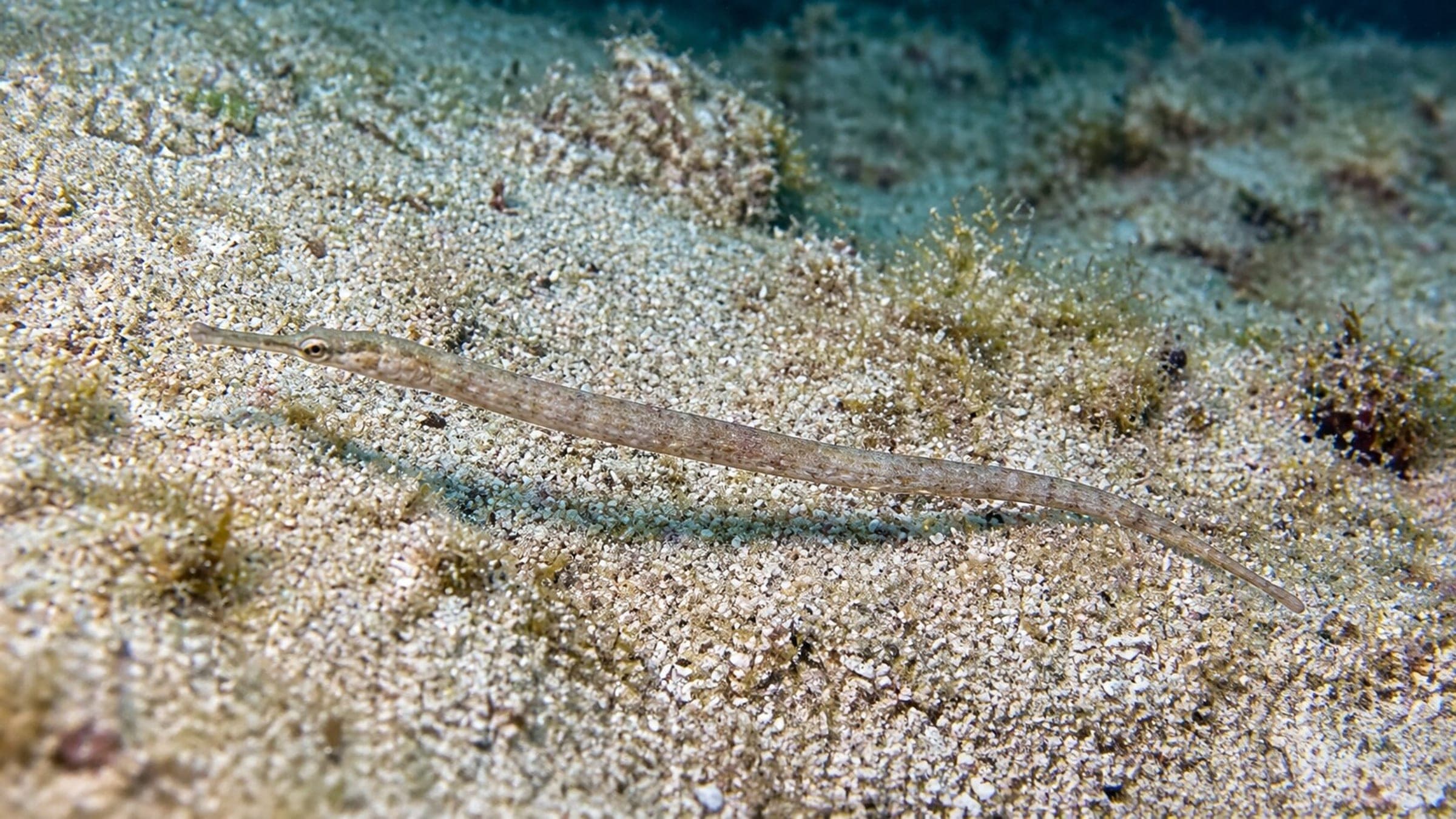
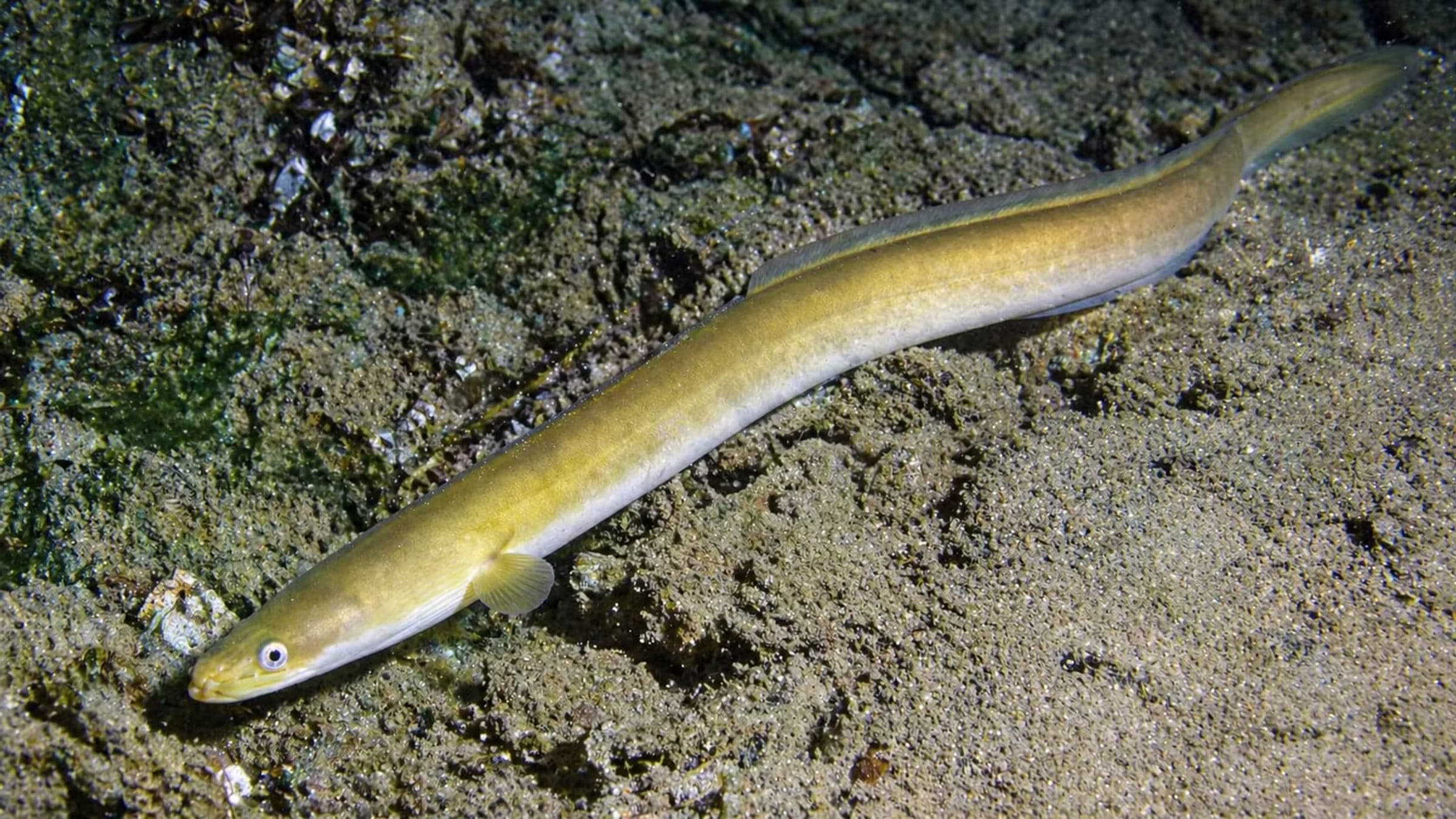
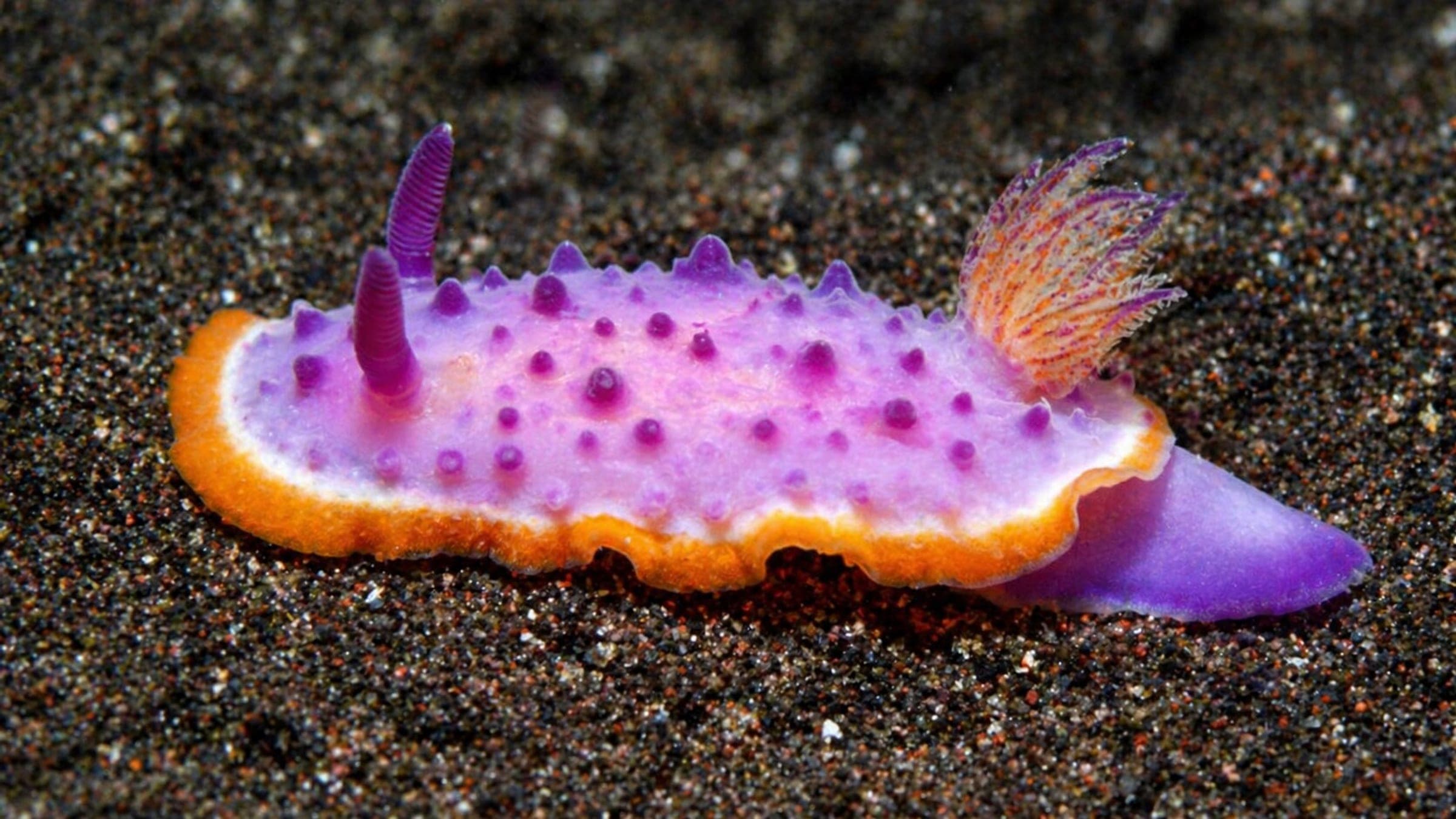
Eelgrass, kelp, anemones, crabs, pipefish and reef fish offer strong macro-photography and marine-naturalist appeal.
Castles, beaches, bridgewalking, maritime museums and Copenhagen-linked rail travel make weather changes manageable.
A few places to start. Explore the full destination guide when you are ready to compare every region and dive spot.
Best overall window: May to September
Top species linked to approved dive spots across Denmark.
Receive new destination drops, profile upgrades, and dive map releases.
No spam. Just solid updates when something surfaces.
27 linked spots