Getting there and around
- Nice Cote d'Azur Airport · Roughly 20 to 30 minutesutes to central Nice in normal conditions; allow more time for Antibes, Cannes, Villefranche-sur-Mer, peak traffic, or a rail connection

Mediterranean walls, historic freediving water, and Riviera culture on one rail-linked coast
Overview
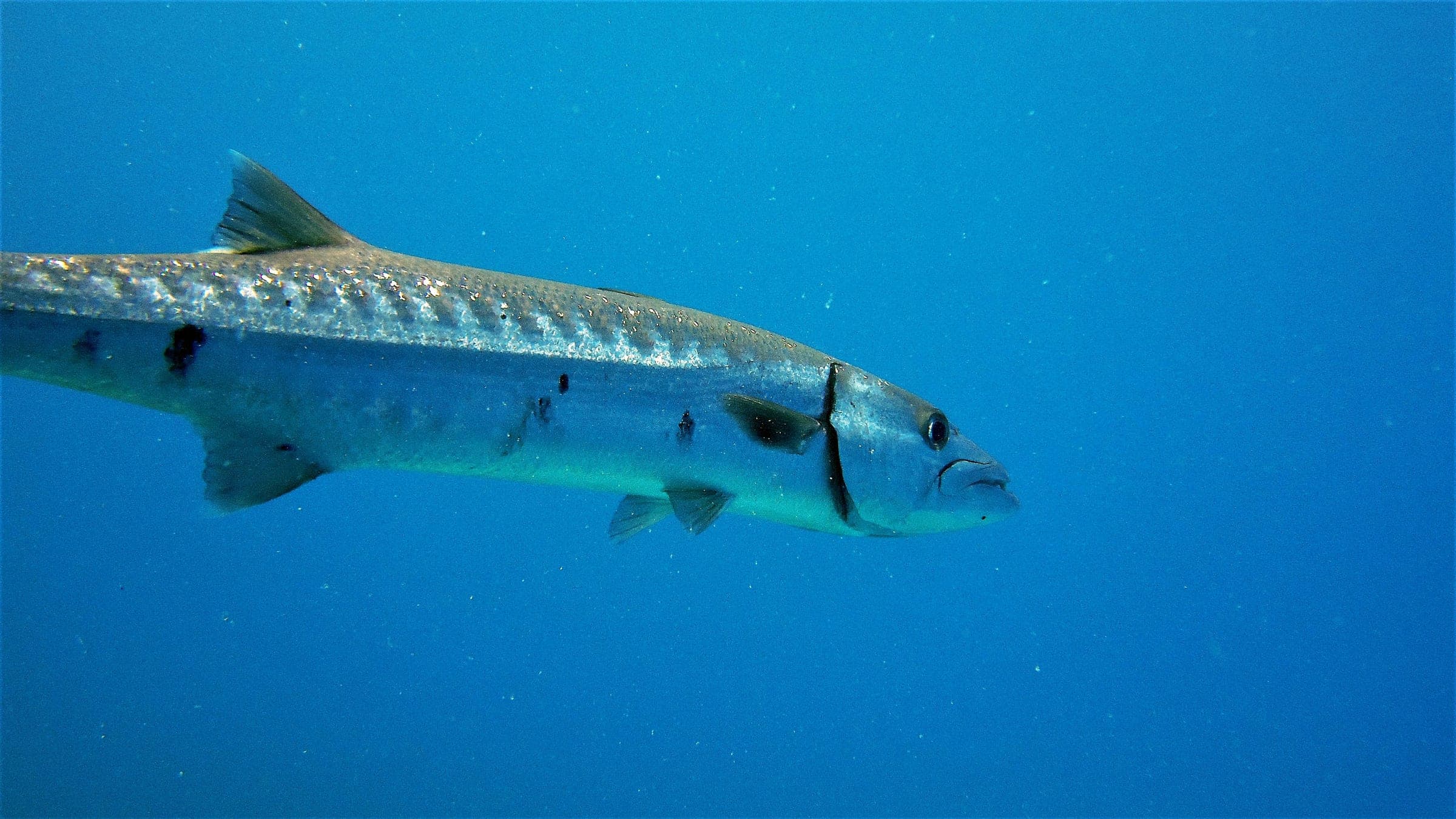
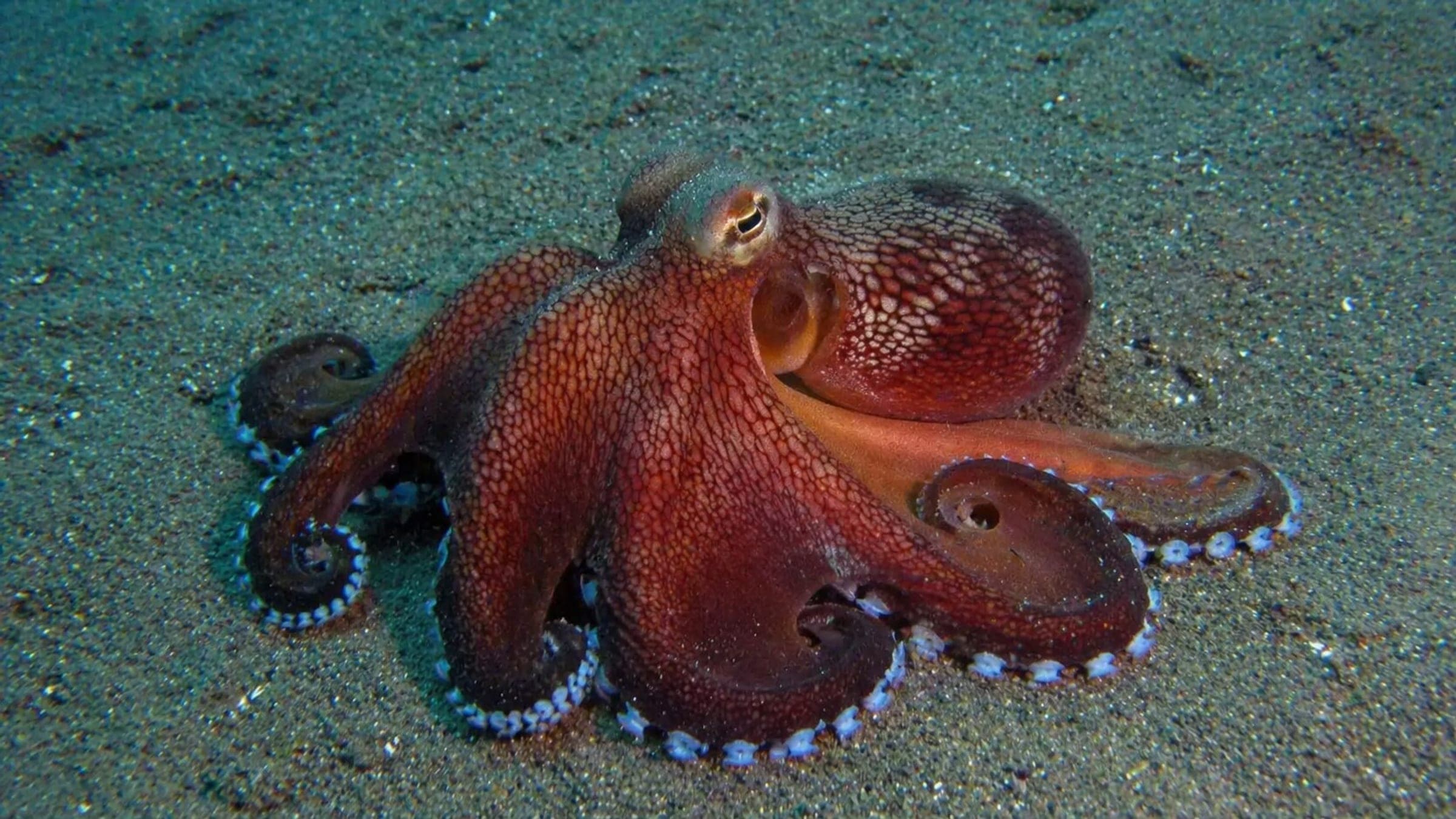
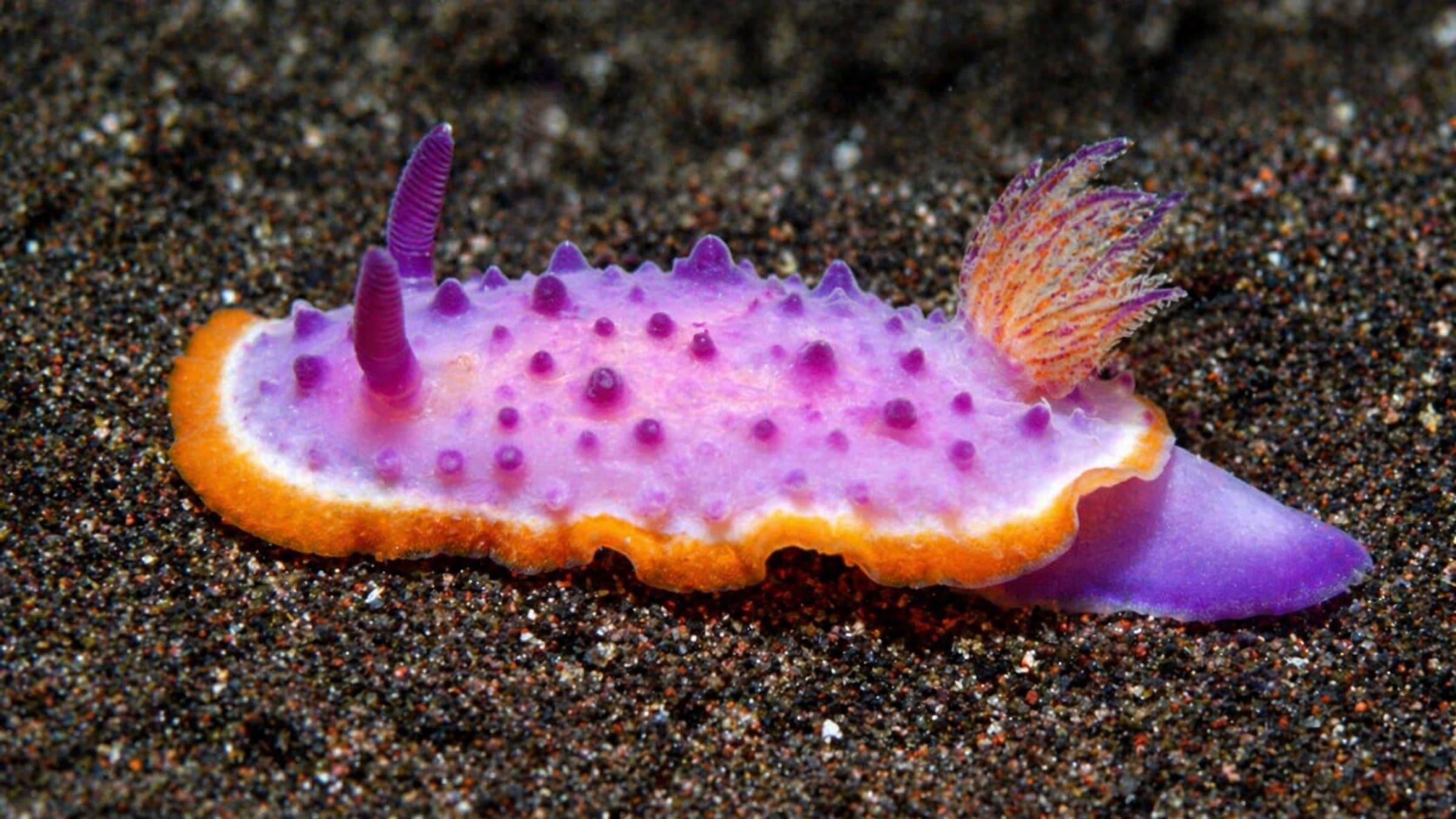
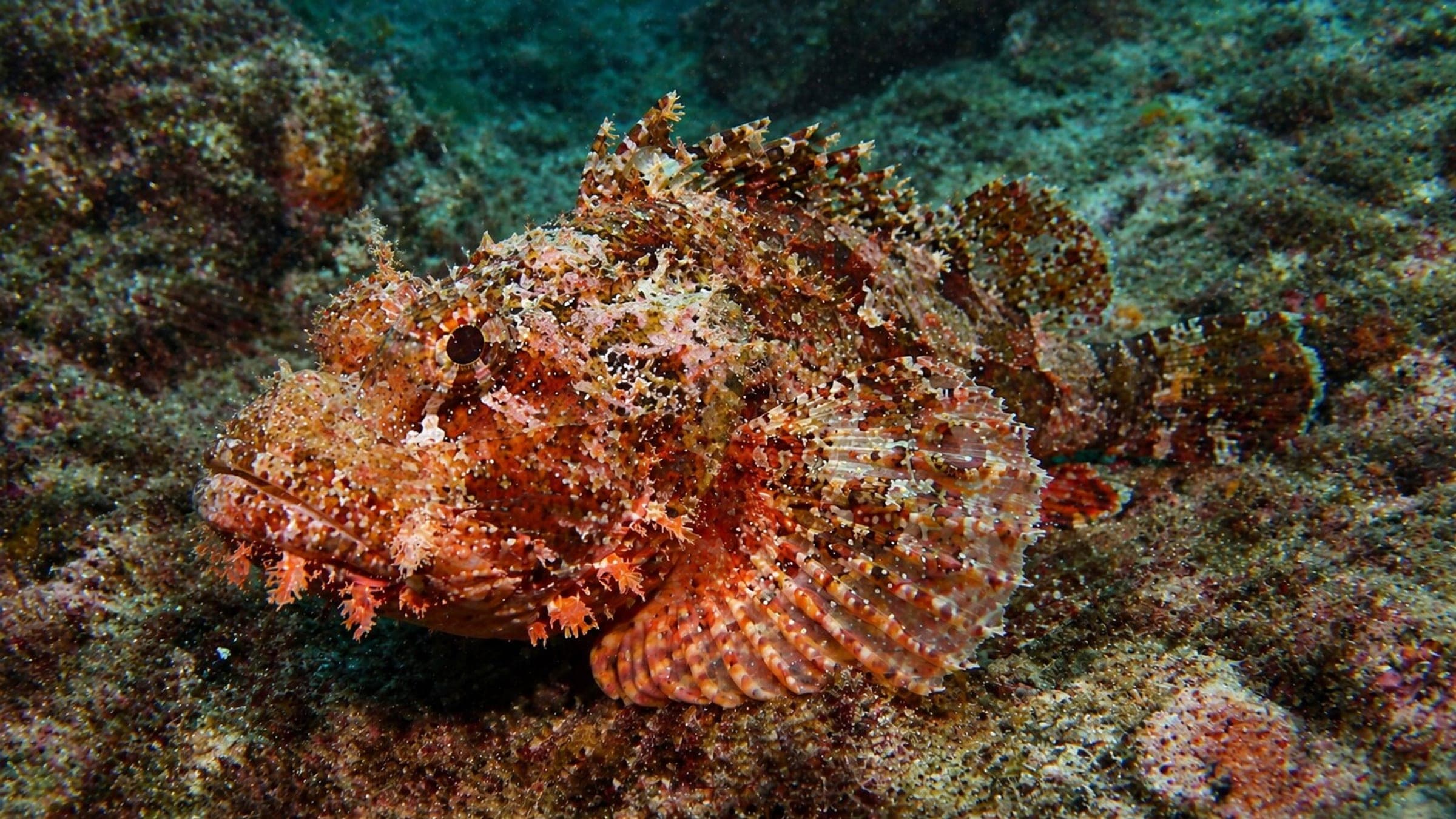
The French Riviera is a flexible land-based dive trip rather than a single resort or liveaboard circuit. Cannes and Antibes open onto the Lerins Islands, red-rock Esterel scenery, reefs, walls, and wrecks. Nice and Villefranche-sur-Mer add short boat rides to Cap de Nice and Cap Ferrat, plus one of Europe's best-known freediving bays. Summer brings the warmest water, while late spring and early autumn usually deliver the best balance of active operators, comfortable weather, and fewer peak-season crowds. Expect rocky Mediterranean entries, deep water close to shore, Posidonia seagrass, coralligenous habitat, groupers, barracuda, octopus, morays, and macro life rather than tropical coral gardens. The coast also works exceptionally well for mixed groups: regional trains connect four distinct bases, ferries reach the Lerins Islands, and museums, markets, coastal paths, old towns, and major cultural events can fill every non-diving day.
Cannes, Antibes, Nice, and Villefranche-sur-Mer are linked by frequent regional rail, making a split stay practical without turning the trip into a road journey.
Shallow training reefs, macro-rich rock, offshore pinnacles, walls, and wrecks support first dives through advanced and specialty itineraries.
Quick shortlist before you jump into the full planning page.
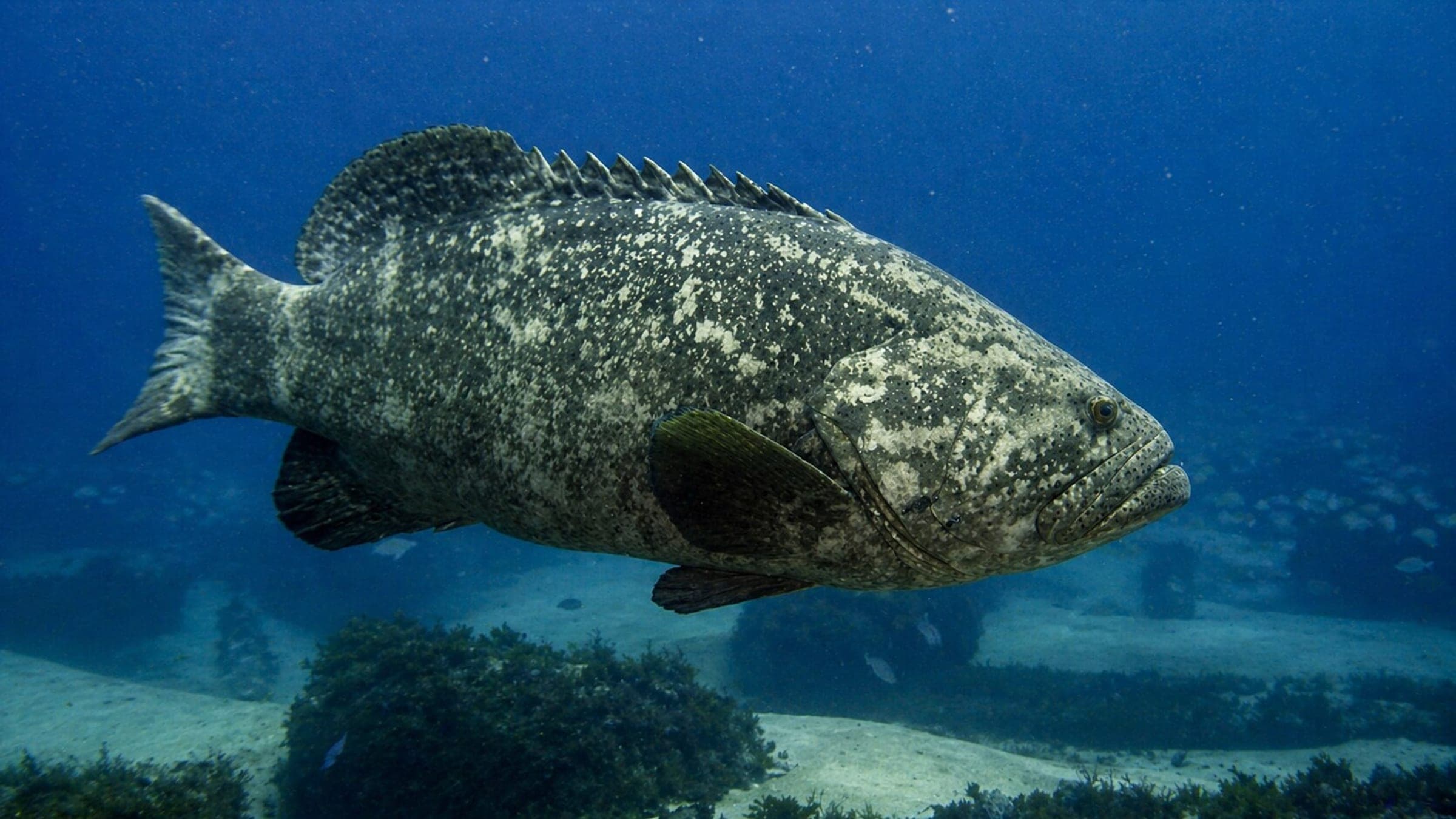
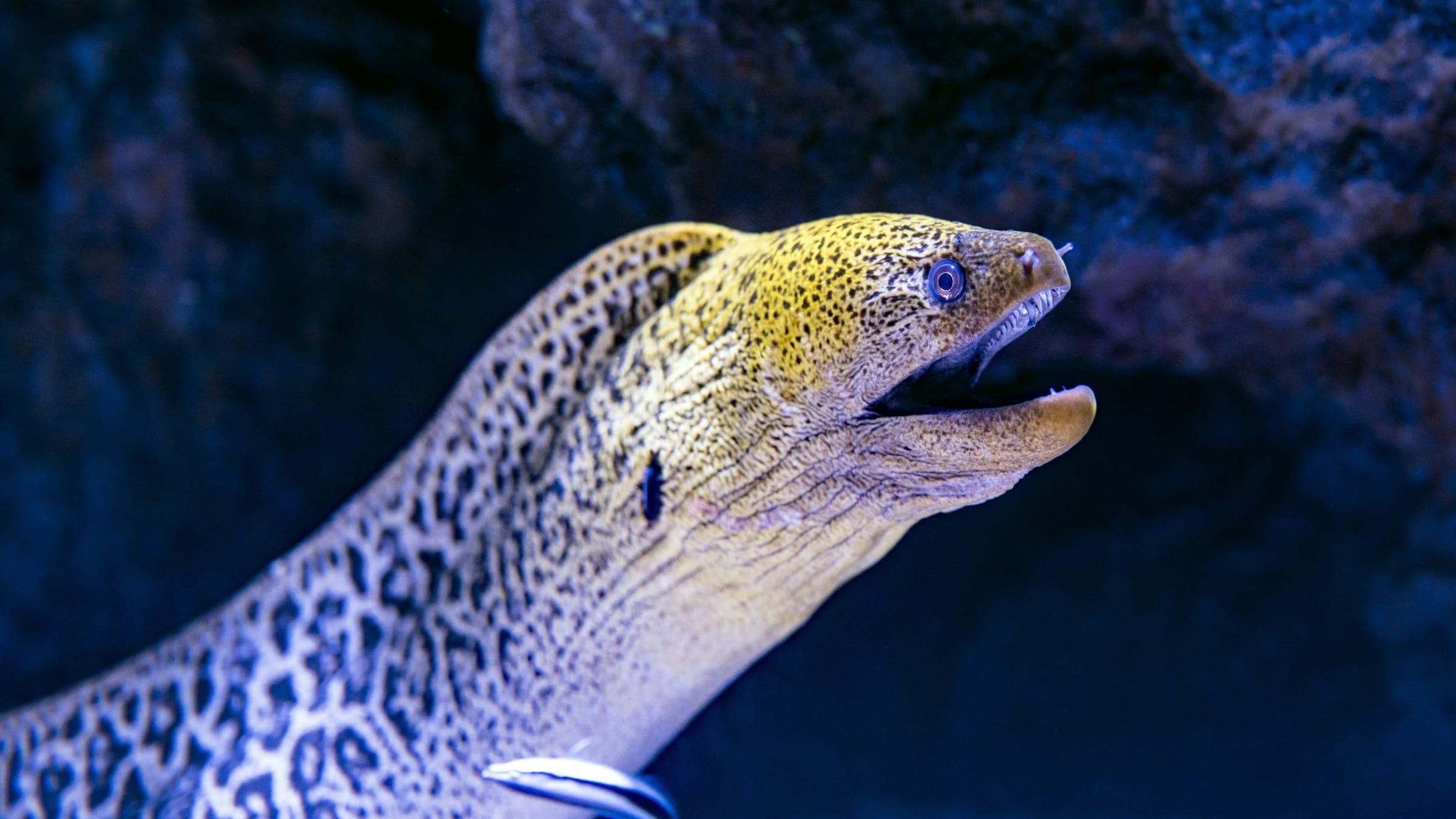
Top species linked to approved dive spots in French Riviera: Cannes, Antibes, Nice and Villefranche-sur-Mer.
Share what the whole destination was like. Once enough independent reviews are approved, DiveJourney publishes anonymous patterns, not reviewer profiles.
Villefranche Bay combines sheltered surface conditions, rapid depth access, active instruction, and a documented role in international freediving.
Island ferries, old towns, museums, markets, coastal paths, and major events give non-divers a full parallel itinerary.
Best time to go
May to June and September to October
Comfortable coast weather, broad operator choice, and a useful balance between water activities and walking days.
Main caution: School Holiday Crowds.
30 linked spots