Getting there and around
- Velana International Airport · About 10 minutes ferry to Male; many resorts are 15-60 minutes by speedboat
Fast transfers, manta stations, and high-energy channel drifts minutes from the Maldives capital
Overview
North Male Atoll is the Maldives' easiest launchpad for diving, snorkeling, and surf: you land at Velana International Airport and can be on a reef within a short boat ride. The atoll mixes protected pinnacles and outer-reef walls with high-energy channel drifts, manta cleaning stations, and an iconic wreck, all wrapped around resort islands and a few local-island hubs (Huraa, Thulusdhoo, Dhiffushi). Water stays around 27°C to 30°C, with visibility often clearest in the northeast monsoon season (roughly Nov to Apr). From May to Oct, expect more wind and rain, plus more plankton and current-driven action. Topside, you can pair dives with Male markets and museums, sandbank picnics, dolphin cruises, and North Male's famous surf breaks. Plan with care around currents, protected-area rules, and the Maldives' strict no-touch reef etiquette.
Arrive at MLE and reach North Male reefs by speedboat, making it easy to fit diving into shorter trips.
Multiple North Male reefs are designated protected areas, including Banana Reef.
Quick shortlist before you jump into the full planning page.
A banana-shaped North Malé thila with caves, overhangs, and rich fish life.
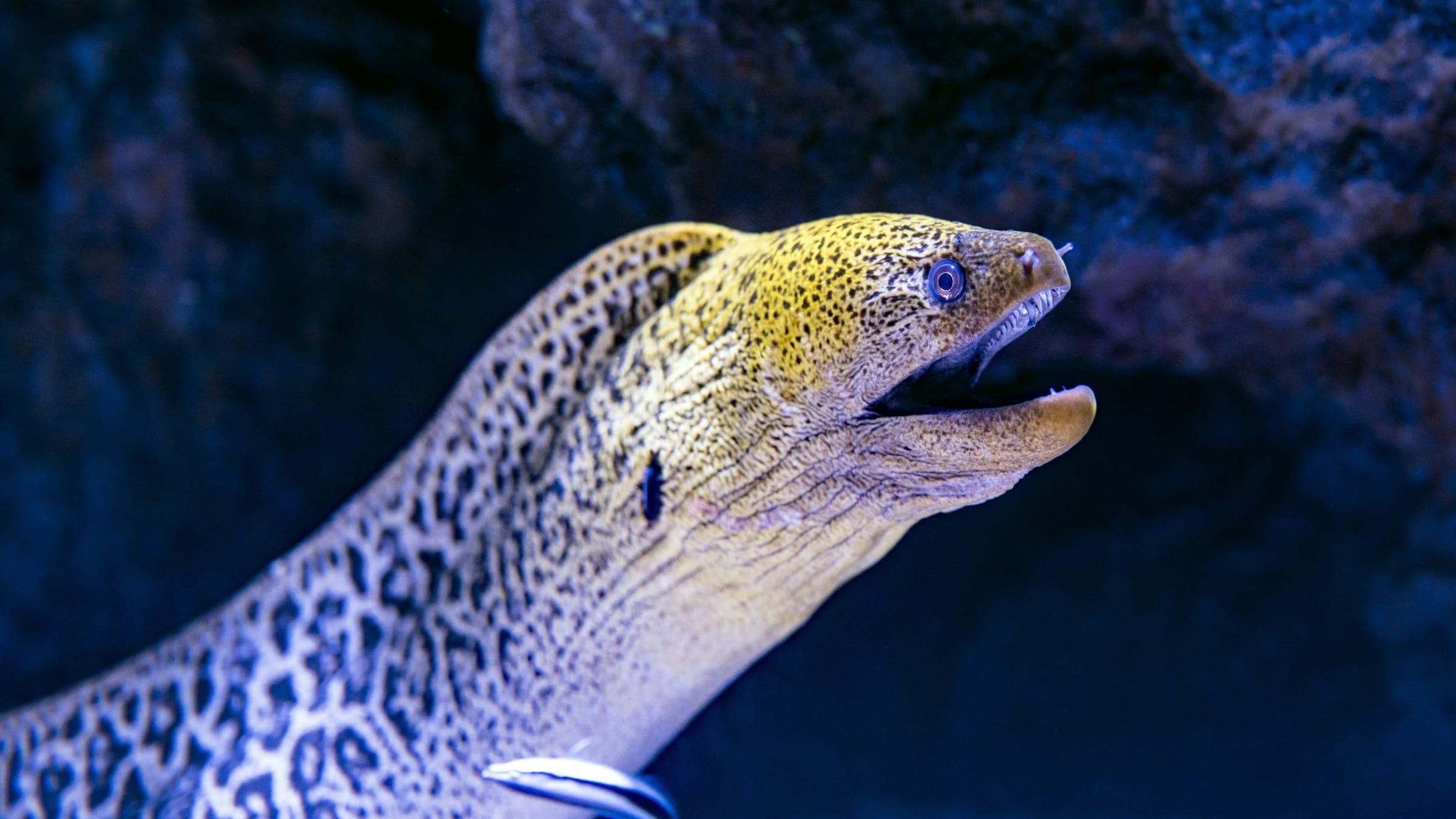
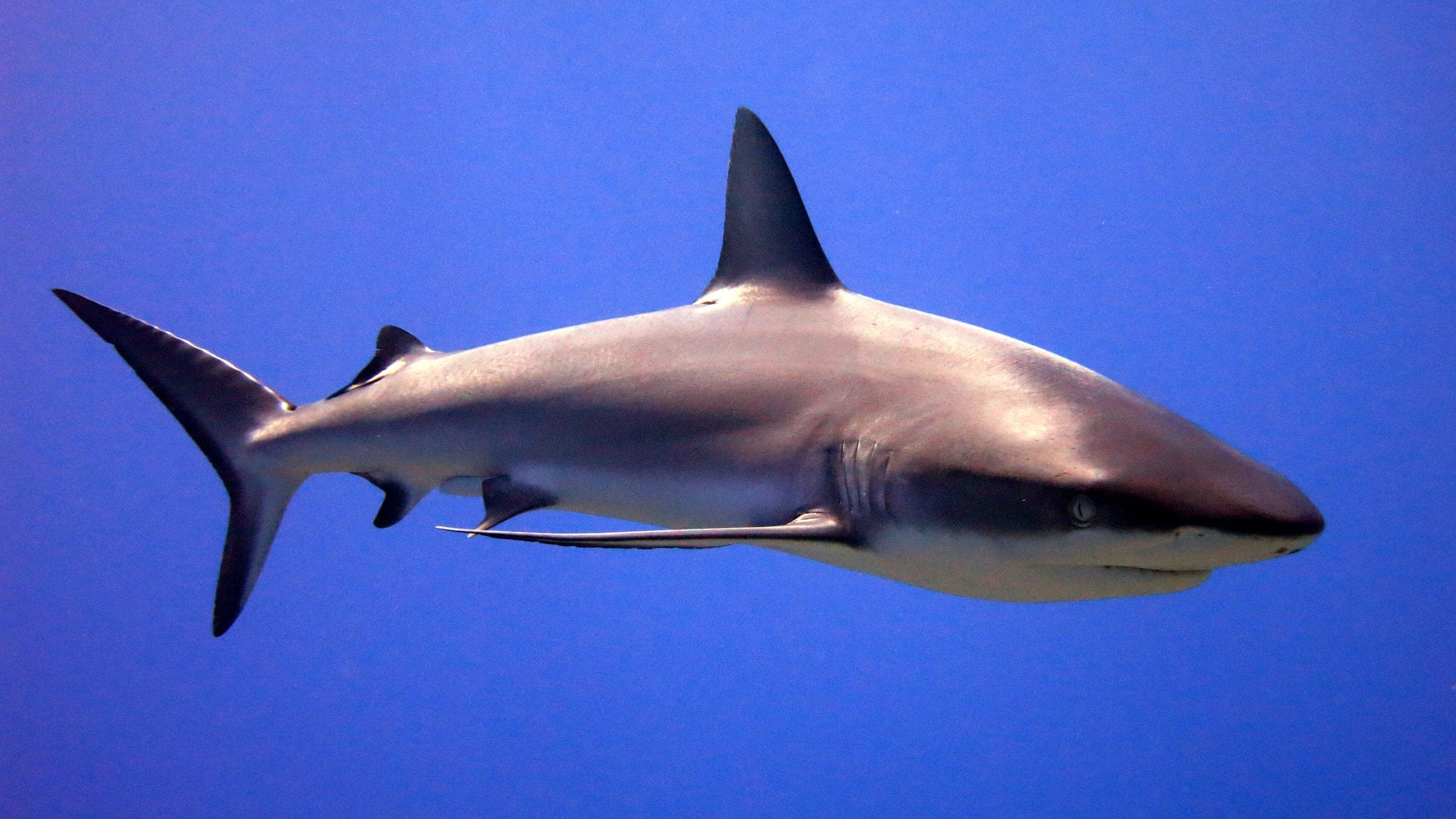
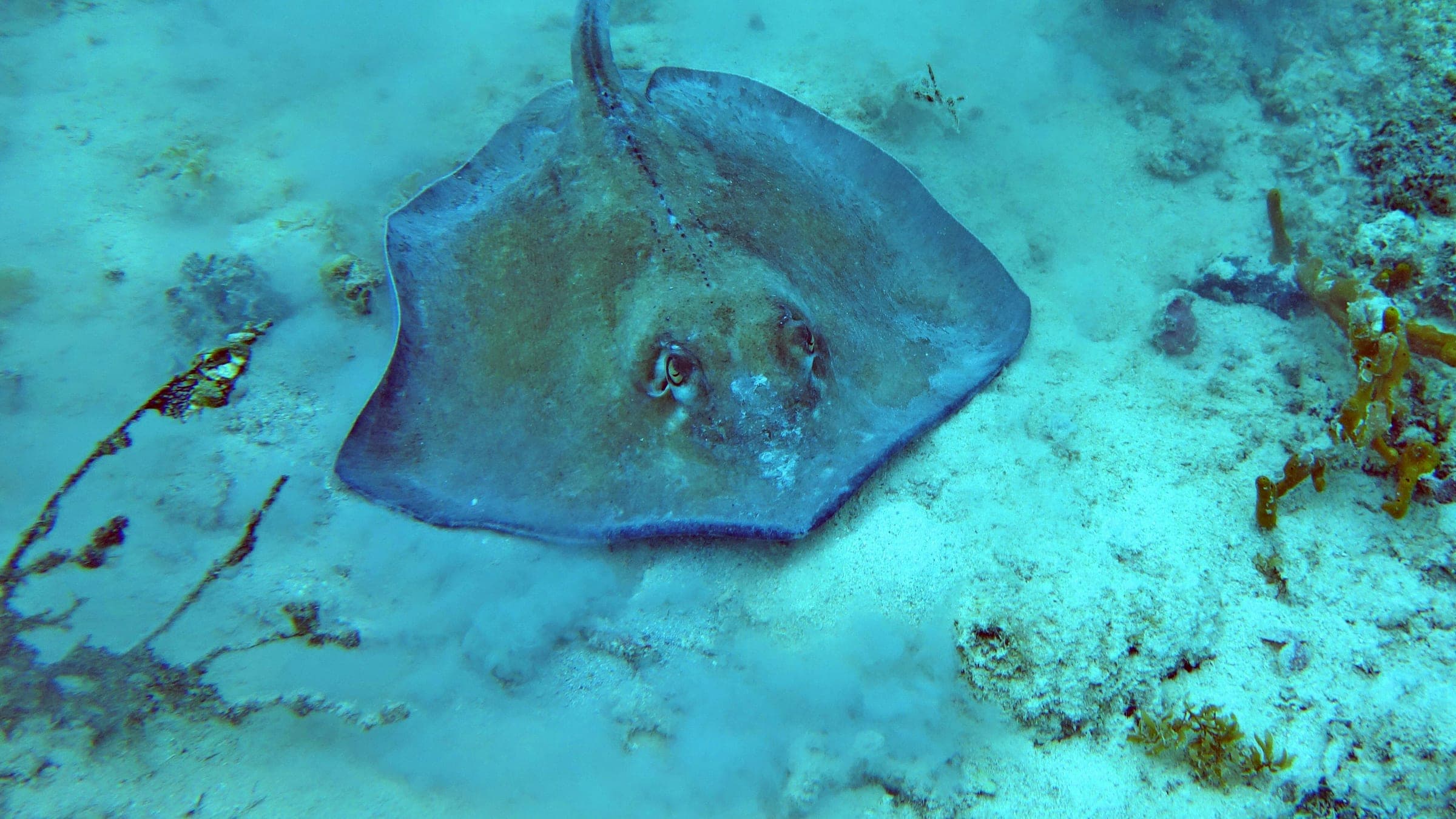
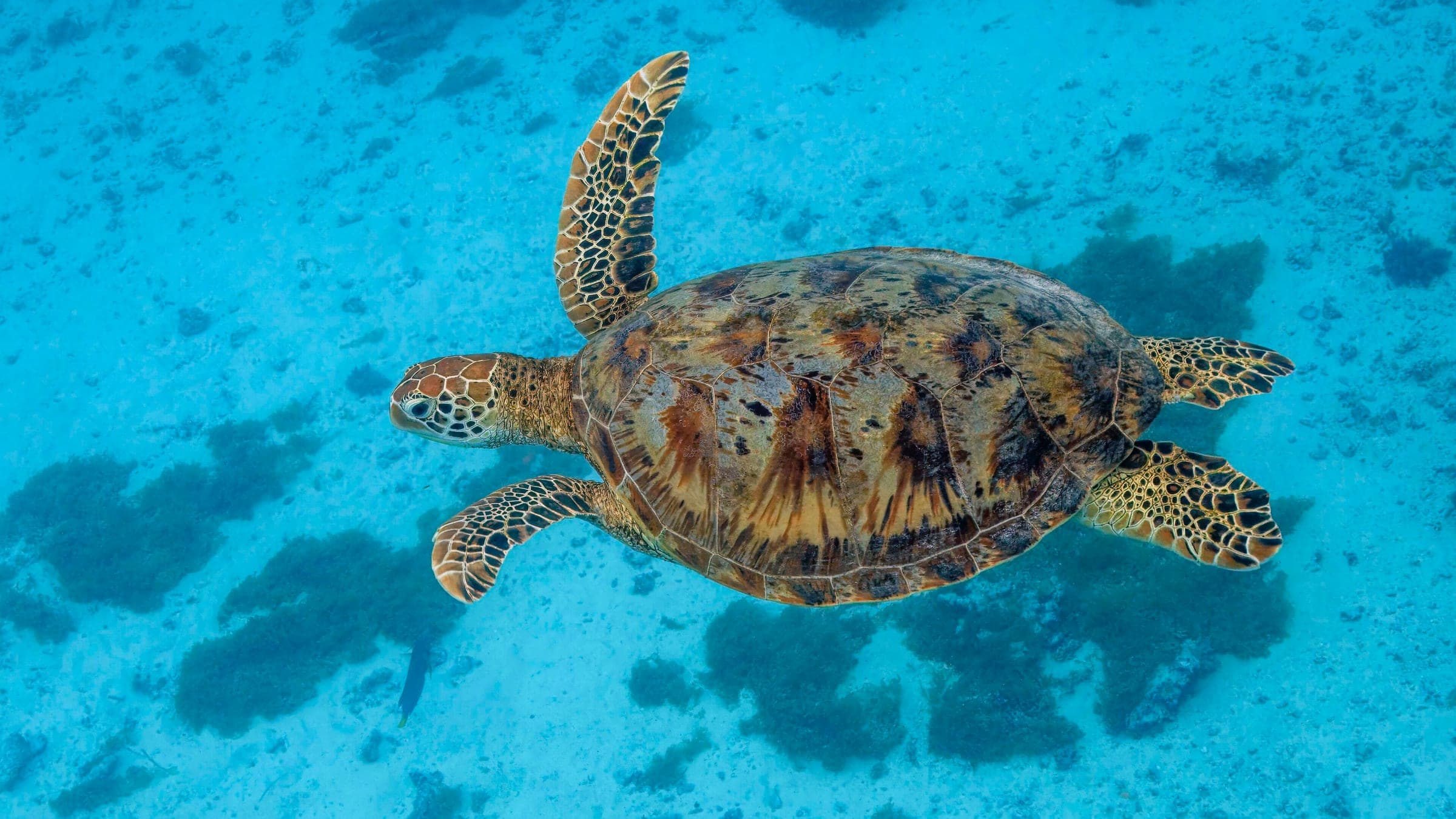
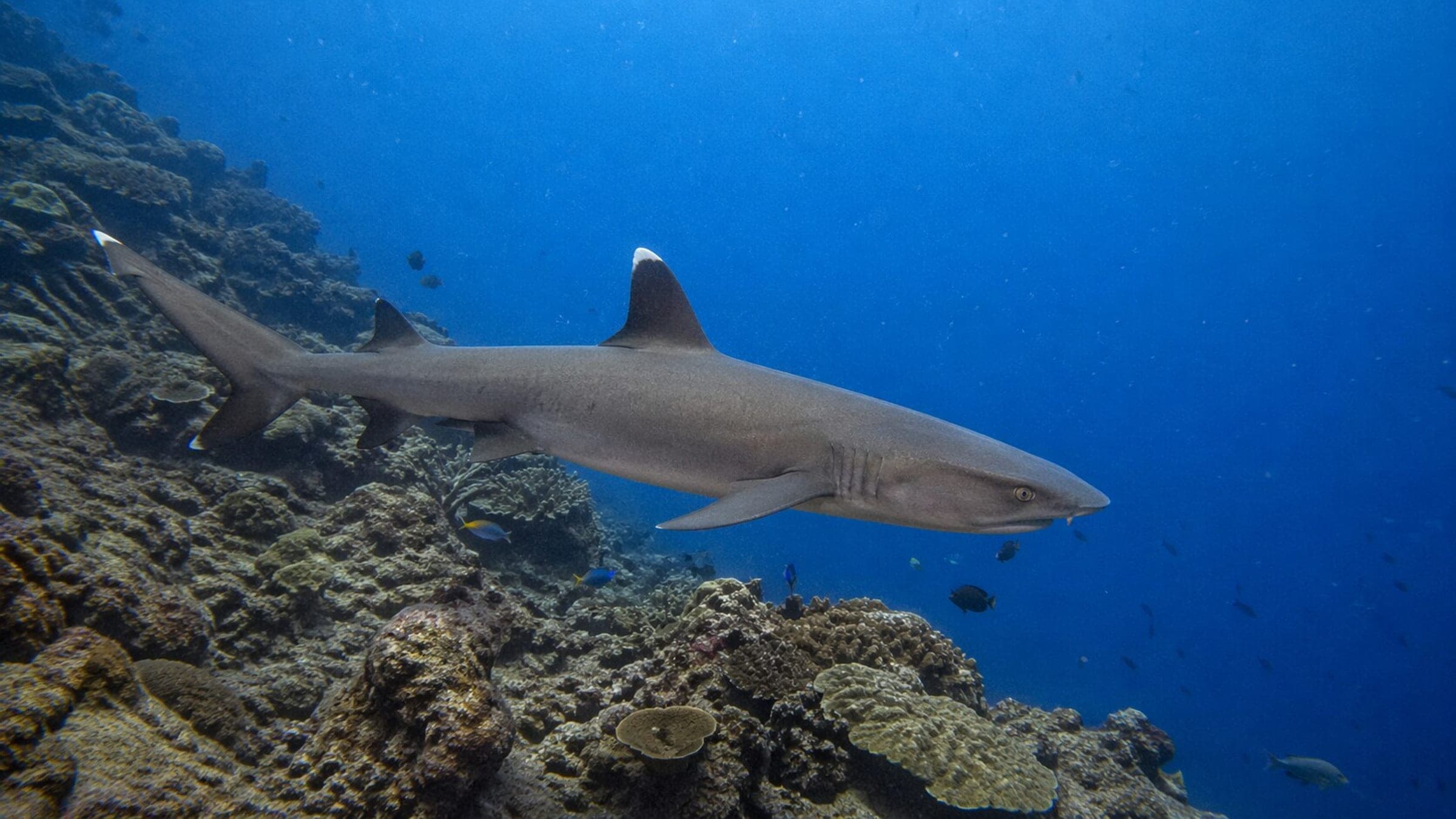
Top species linked to approved dive spots in North Male Atoll.
Share what the whole destination was like. Once enough independent reviews are approved, DiveJourney publishes anonymous patterns, not reviewer profiles.
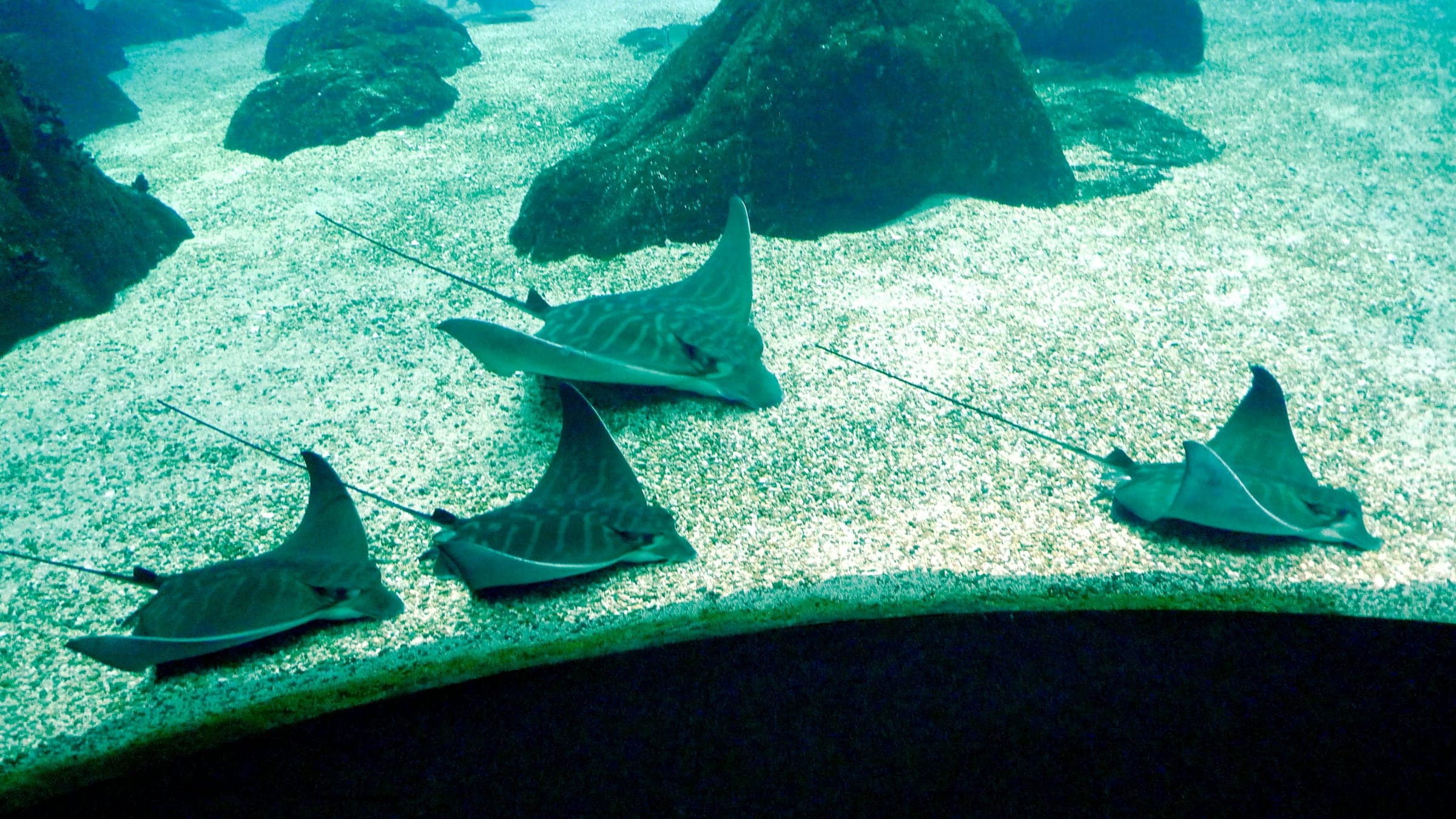
Cleaning stations and outer reefs create real chances for mantas, grey reef sharks, and eagle rays depending on current and season.
Stay on a resort for house reefs and spas, or base on local islands (Thulusdhoo, Huraa, Dhiffushi) for guesthouse value and culture.
Trip Planning
External Booking PartnerThis destination works either as a land-based plan or as a longer liveaboard itinerary. Use the guide for local planning, or compare boats if the remote circuit is the priority.
Land-based guide
Base areas, day boats, local operators, and shore logistics
Liveaboard planning
Boats, departures, and longer expedition-style routes
DiveJourney may earn referral revenue from the external booking partner. Liveaboard bookings are handled by the partner and operator under their terms.
Best time to go
Jan - Apr
Drier northeast monsoon feel, calmer seas, water around 28°C.
Main caution: Southwest monsoon: more rain and wind (often 20 km/h to 30 km/h), choppier crossings.
Triaenodon obesus
45 linked spots