webbox-assets.siteminder.com · Resort Compendium
States that Rutaki Passage should not be entered casually and warns that passages are dangerous for swimming, snorkeling, fishing, kayaking and surfing.
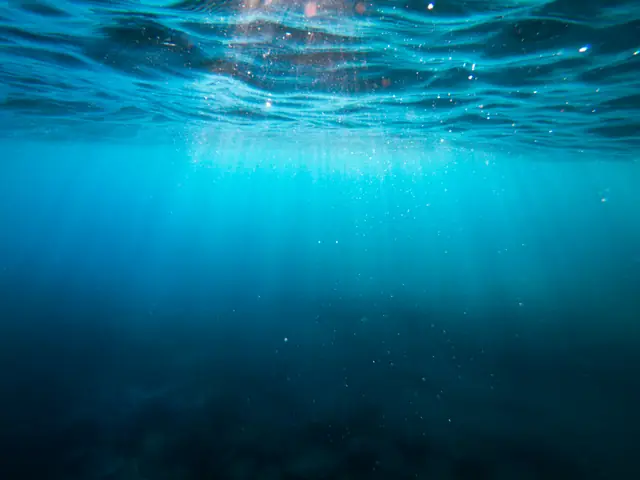
Deep Rarotonga passage with canyon walls and current.
Deep Rarotonga passage with canyon walls and current.
The passage should be timed with a local operator because current, surf and entry conditions can change quickly.
Rutaki Passage is a deep Rarotonga passage dive where a narrow reef channel opens into vertical canyon walls and swim-throughs just below the surface. The route feels compact but committed, with the strongest line following the passage into the deeper water before the wall and current take over. It suits experienced divers who are comfortable with strong flow, limited visibility and a plan that stays tight to the passage rather than wandering wide.
Conservative baseline from public research. No community dives logged yet.
Depth range, seasonality, and planning context.
Reported Depth
20m - 29m
Depth Note
The passage is commonly dived in the 20–29 m range and starts with narrow vertical canyon walls just below the surface.
Typical Conditions
Visibility is often around 10–15 m and strong currents are common, especially when the passage is working between the outer reef and the lagoon.
Site conditions, restrictions, and access requirements.
Site Conditions
Safety Notes
Frequent strong currents and swim-through sections make this a site for experienced divers who are comfortable managing overhead features and reduced visibility.
Access Restrictions
Use the passage only with experienced local guidance; it is not suitable for casual independent entry when the surf or current is running.
Legal Notes
Follow posted safety guidance and local operator instructions; the passage is treated as a hazardous water area for casual swimming, snorkeling and surf use.
Community notes to help plan your visit.
Scuba Diving
Run the passage as a tight route: drop into the channel, follow the walls and swim-throughs, and keep the turn conservative once the current starts to build.
Freediving
Not recommended for freediving because the current, depth and overhead sections make the site scuba-only in practice.
Snorkeling
Not a snorkel site; the passage is too current-heavy and overhead-limited for casual surface use.
Species commonly reported at this site, with direct links into their wildlife guides.
Community dive logs and visit reports for this site.
Average conditions based on logged dives & visits.
Planning answers for access, conditions, timing, and site logistics.
Last Updated
Research Sources
States that Rutaki Passage should not be entered casually and warns that passages are dangerous for swimming, snorkeling, fishing, kayaking and surfing.
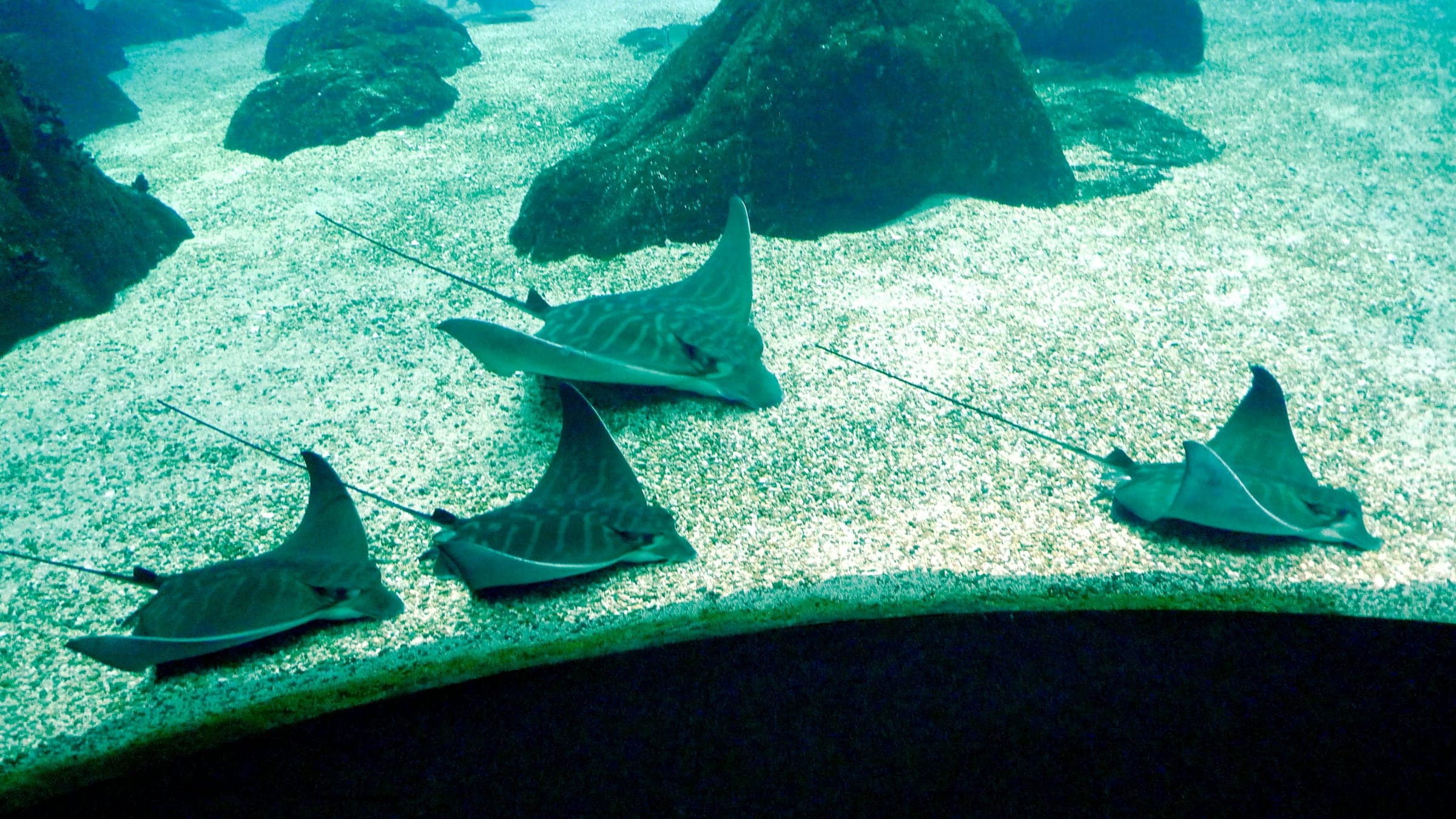
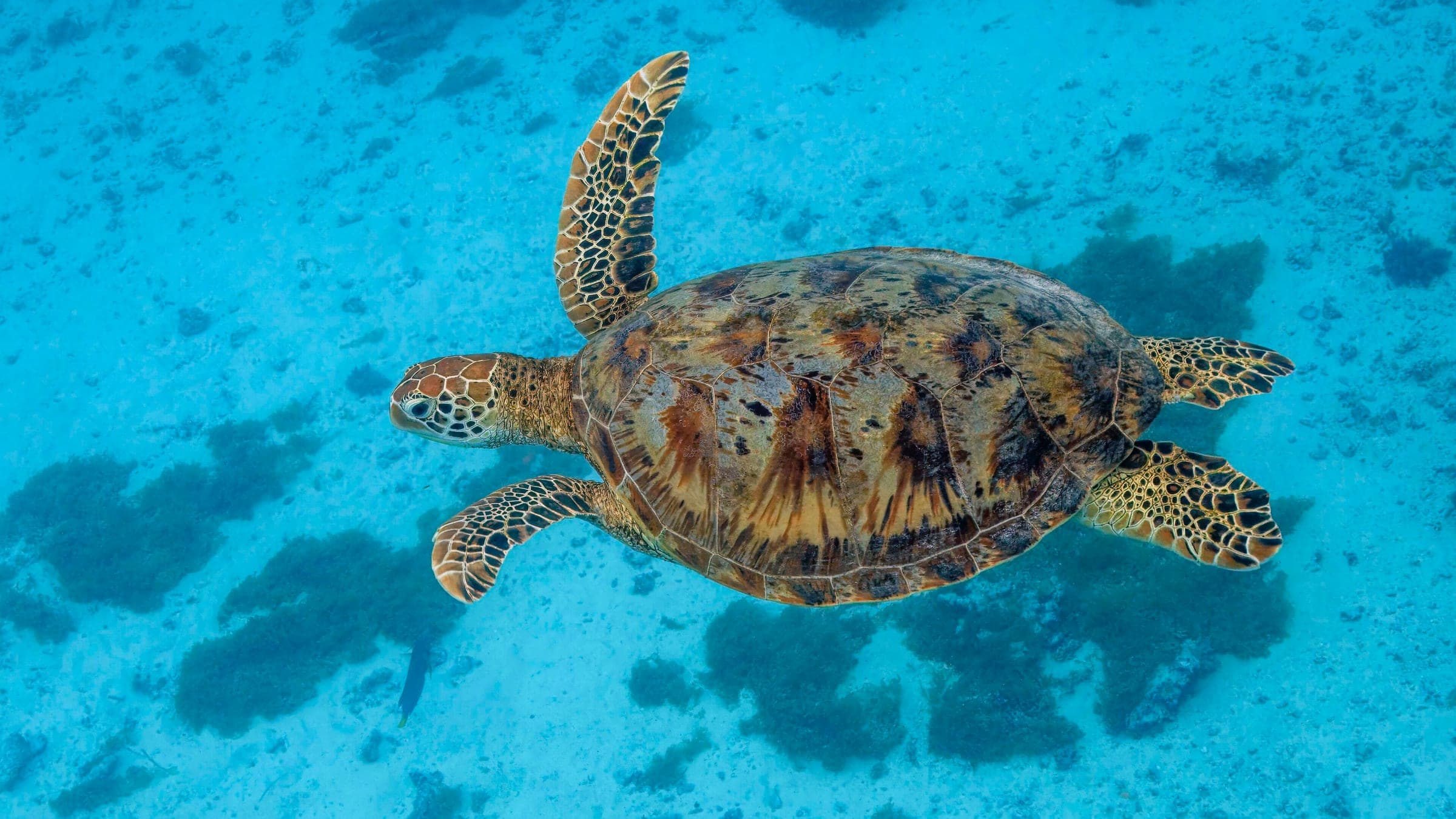
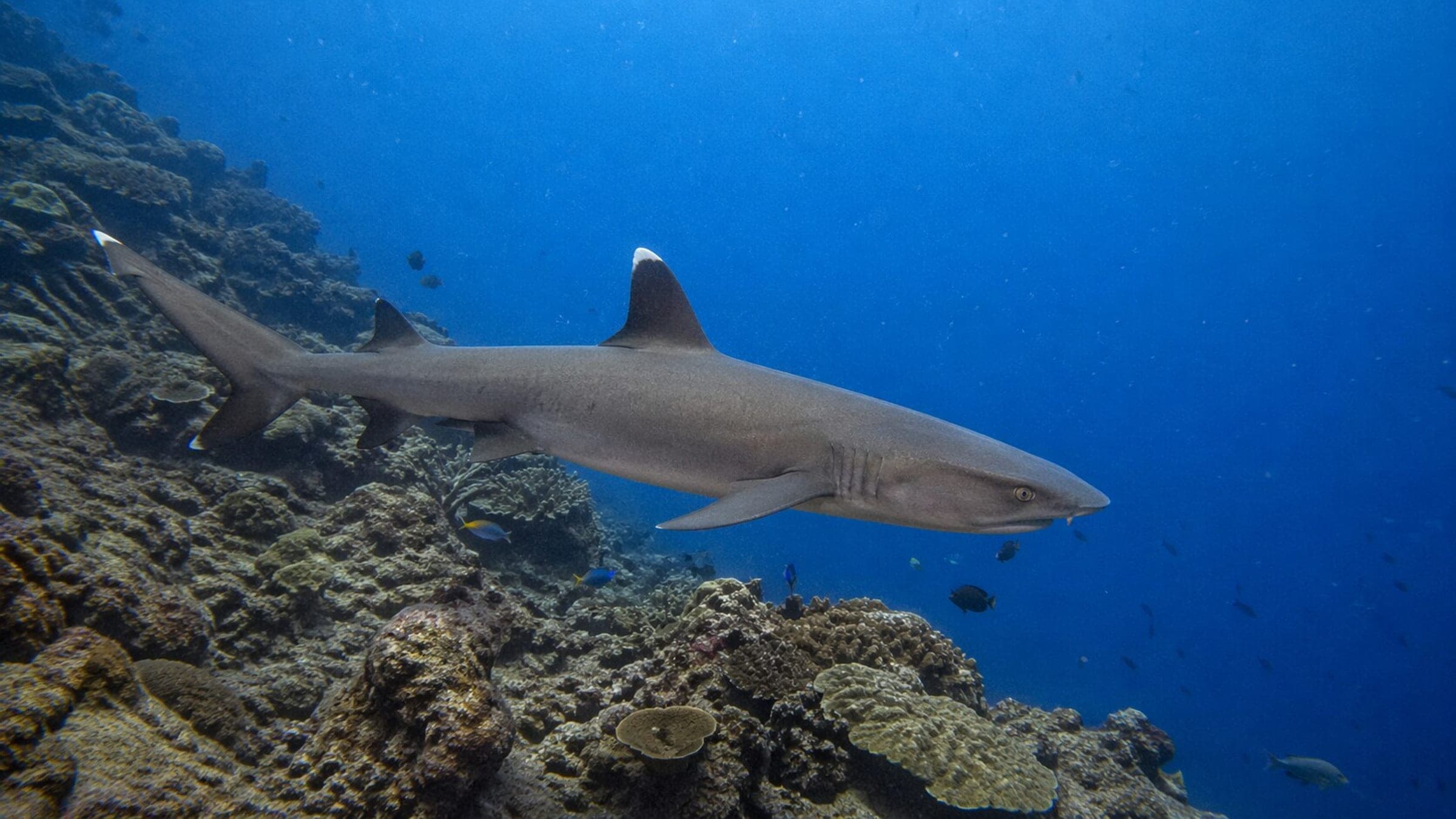
Describes Rutaki Passage as a boat passage with strong currents, a 20–29 m profile, and regular sightings of turtles, whitetip reef sharks and eagle rays.
Reports new safety signs at Rutaki and Avaavaroa passages and reinforces guide-only advice after rescue incidents.
Know this site? Improve Spot Details.
Rutaki Drop Off is a current-aware drop-off dive with pelagics.
Papua Passage: short south-coast passage with sharks
Papua Drop-Off: easy south-coast reef with a cavern
Sheltered beach-access lagoon reserve for snorkeling and training.
Pinnacles: south-coast pinnacle dive with big bommies
High-energy Rarotonga passage with sharks and rays.