Country Guide
Saint Helena
Volcanic reefs, protected shipwrecks and seasonal giants in the South Atlantic
Updated Nov 8, 2026 • 21 sources
Destinations
1
Dive spots
2
Overview
Saint Helena is a remote, land-based dive escape with rocky reefs, lava arches, protected wrecks and remarkable South Atlantic wildlife. Most visitors dive by small boat from Jamestown into the relatively sheltered leeward coast, while exposed outer ledges require more experience and settled conditions. The island guide anchors local planning. Whale sharks gather roughly November to April, especially January and February, but the legal experience is accredited snorkeling, not intentional scuba diving with whale sharks. Humpback whales may be watched from boats around June to December. On land, historic Jamestown, Longwood, Plantation House and the Peaks cloud forest reward non-divers. The main trade-offs are infrequent flights, limited operators, a cash-oriented economy and no on-island hyperbaric chamber. Book conservatively, allow weather slack and carry suitable evacuation insurance.
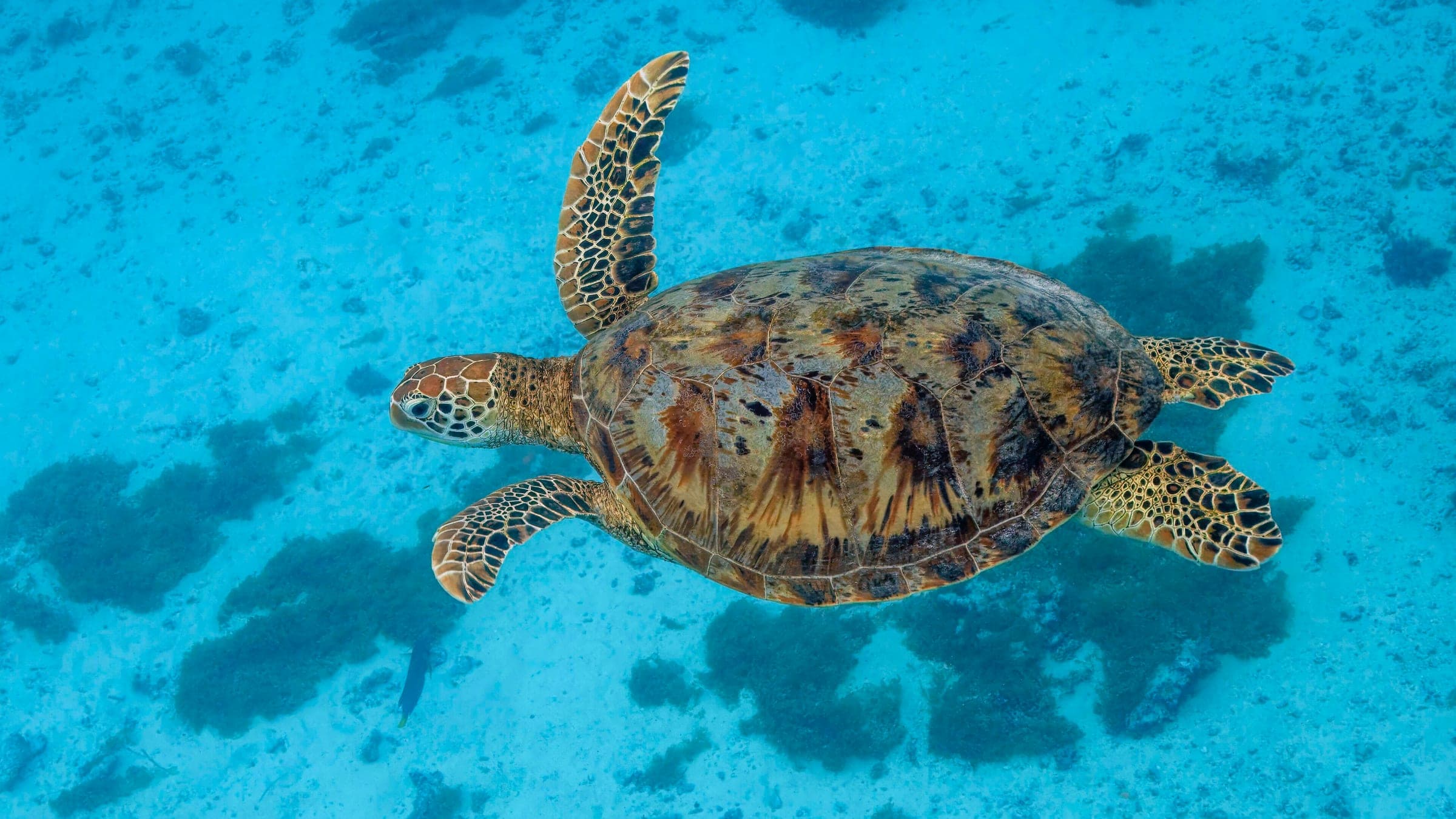
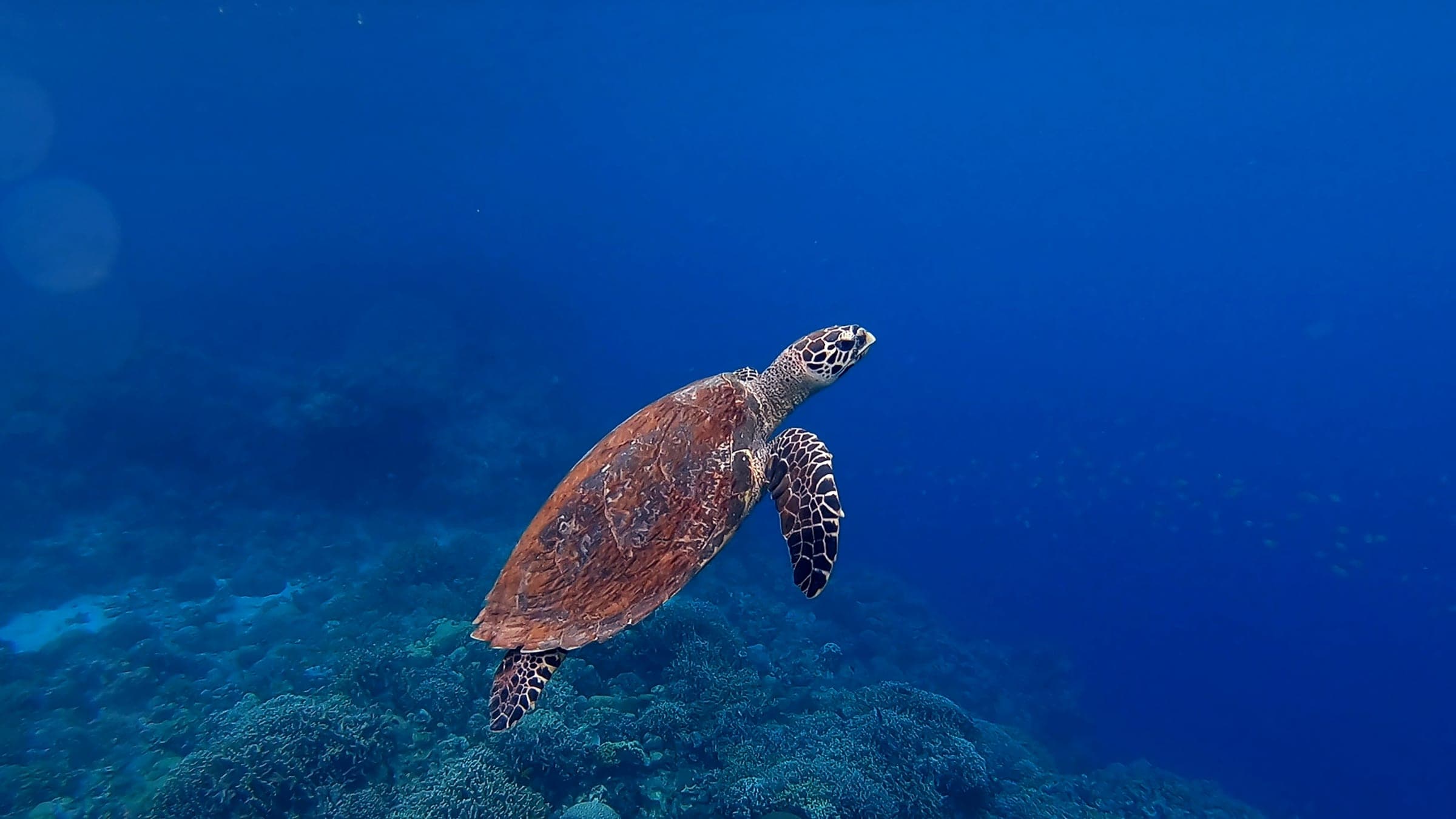
Leeward rock reefs, arches and offshore ledges mix endemic fish with occasional large pelagics.
Papanui, Darkdale and other maritime sites offer history, subject to resident-diver accompaniment and no-penetration rules.
Seasonal accredited boat encounters, typically strongest in January and February, are managed to protect the animals.
Jamestown, Longwood, Plantation House and the Peaks offer substantial activities for non-divers.
A few places to start. Explore the full destination guide when you are ready to compare every region and dive spot.
Best overall window: December - April
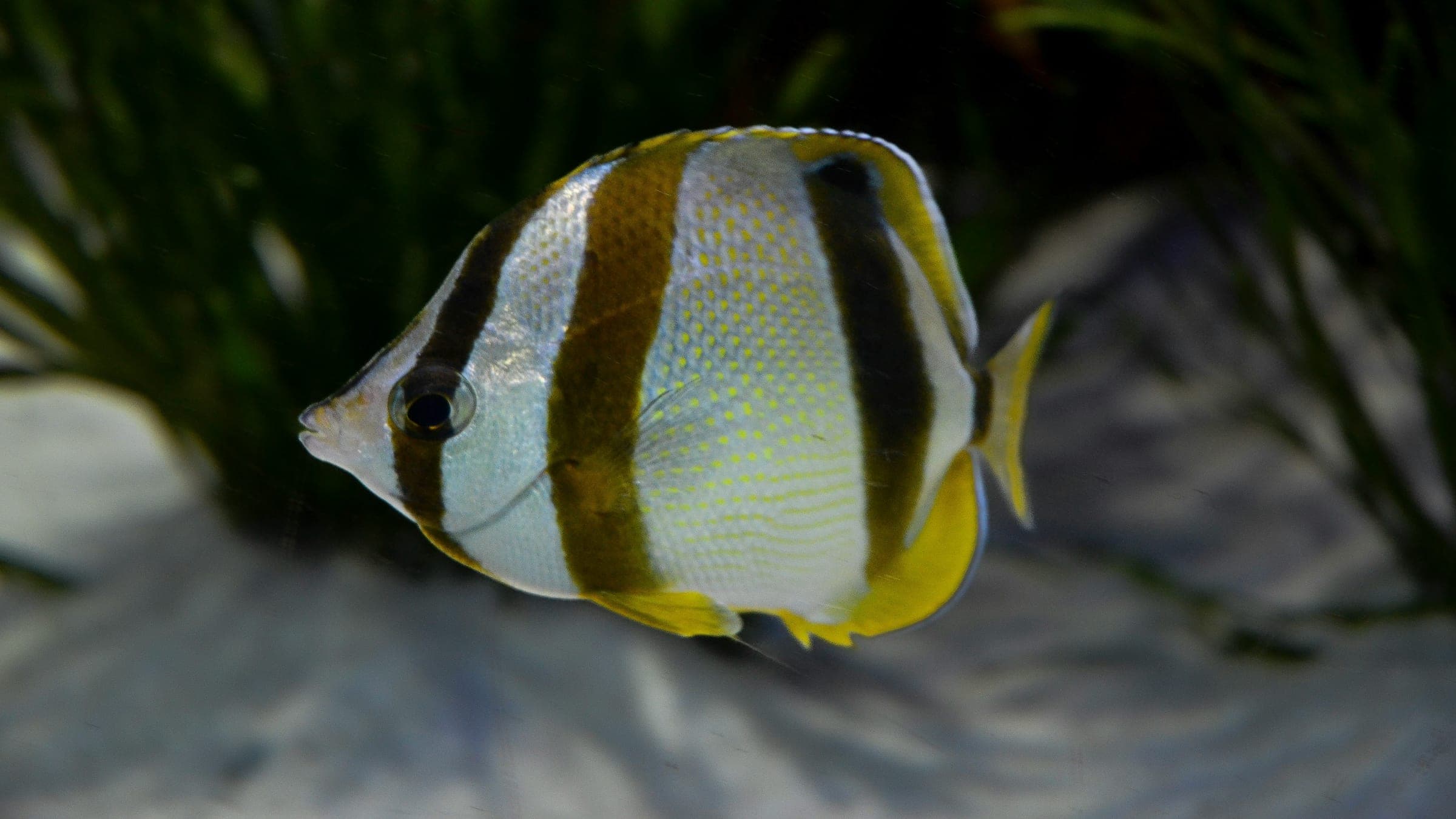
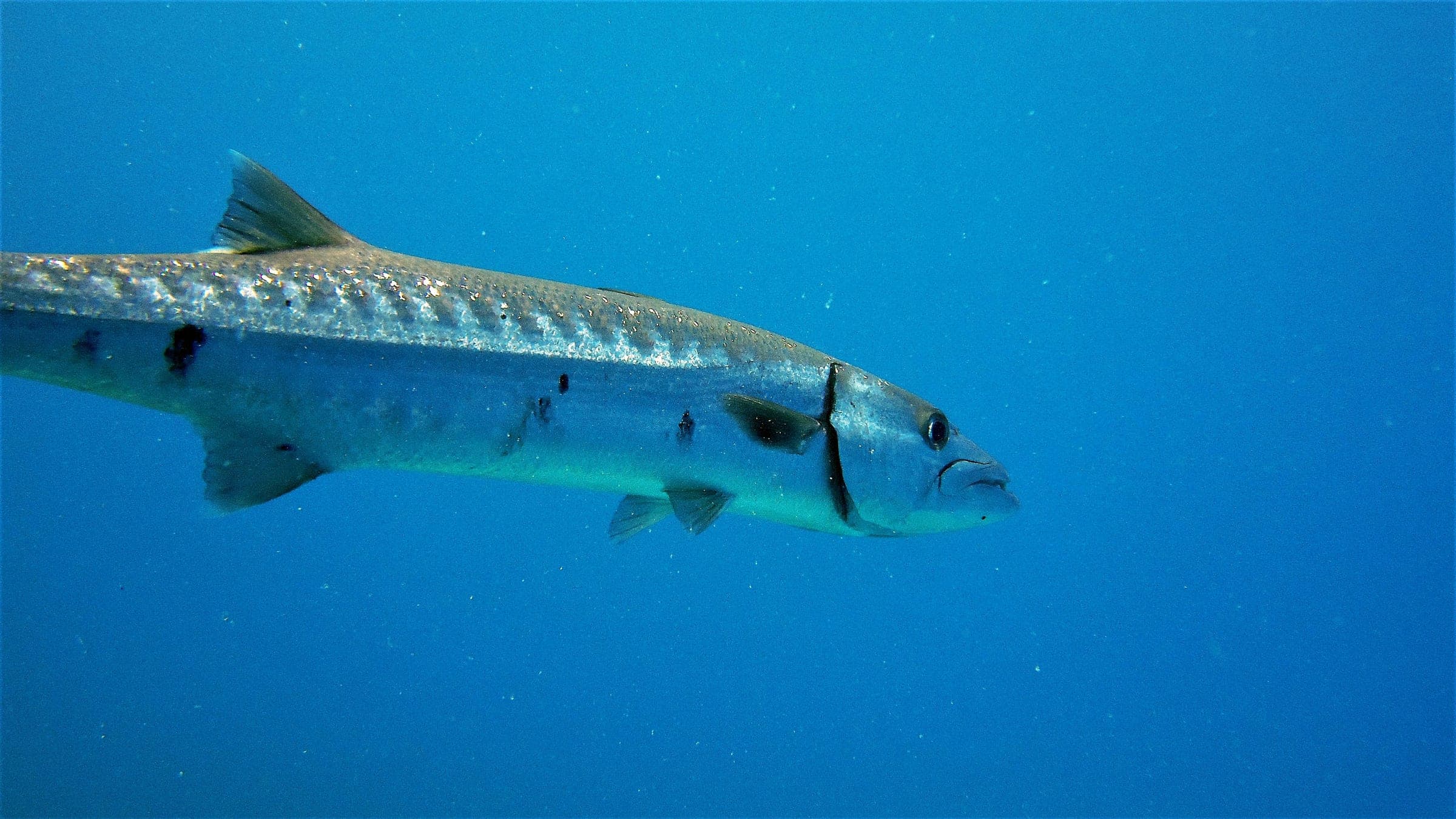
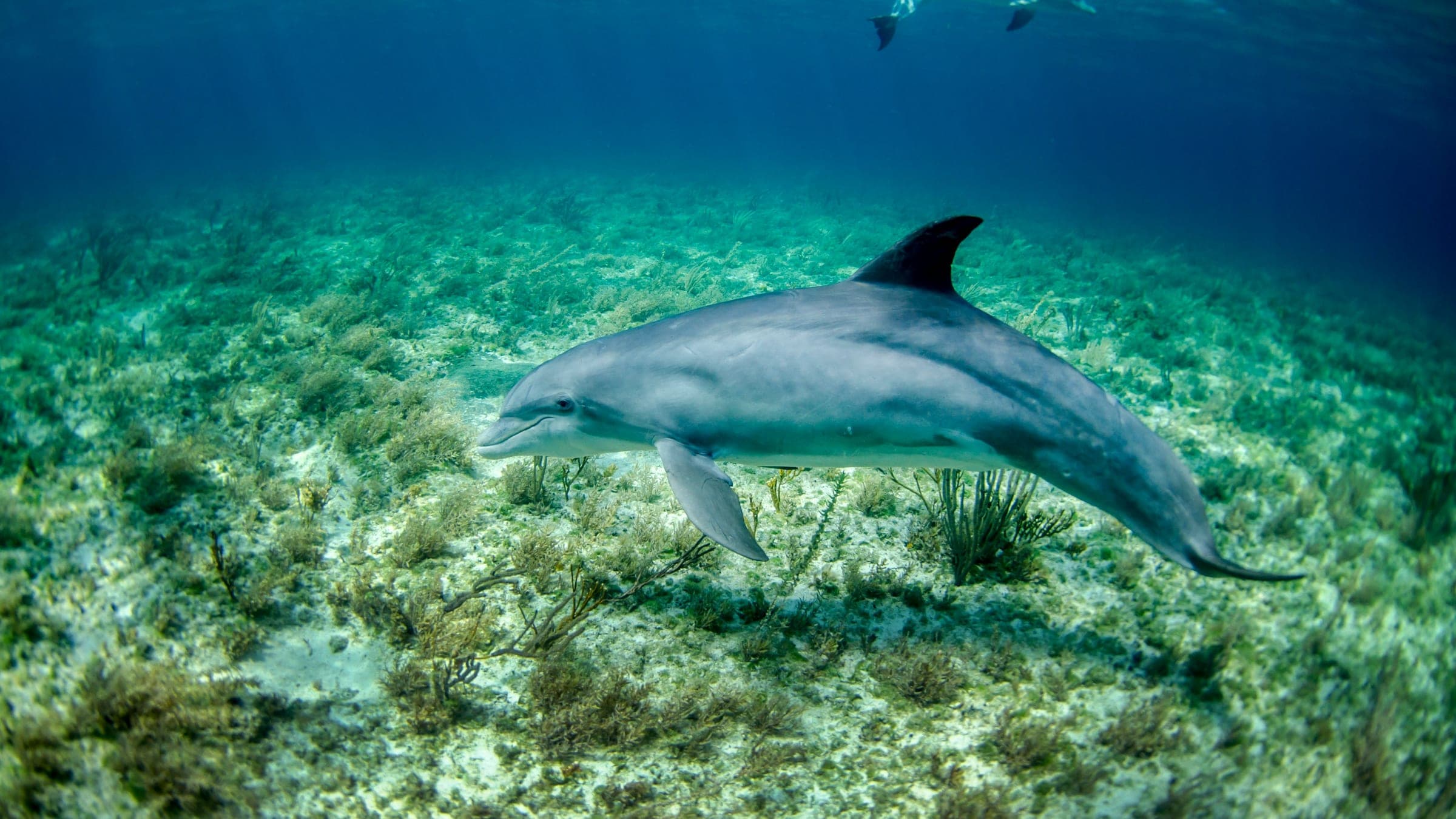
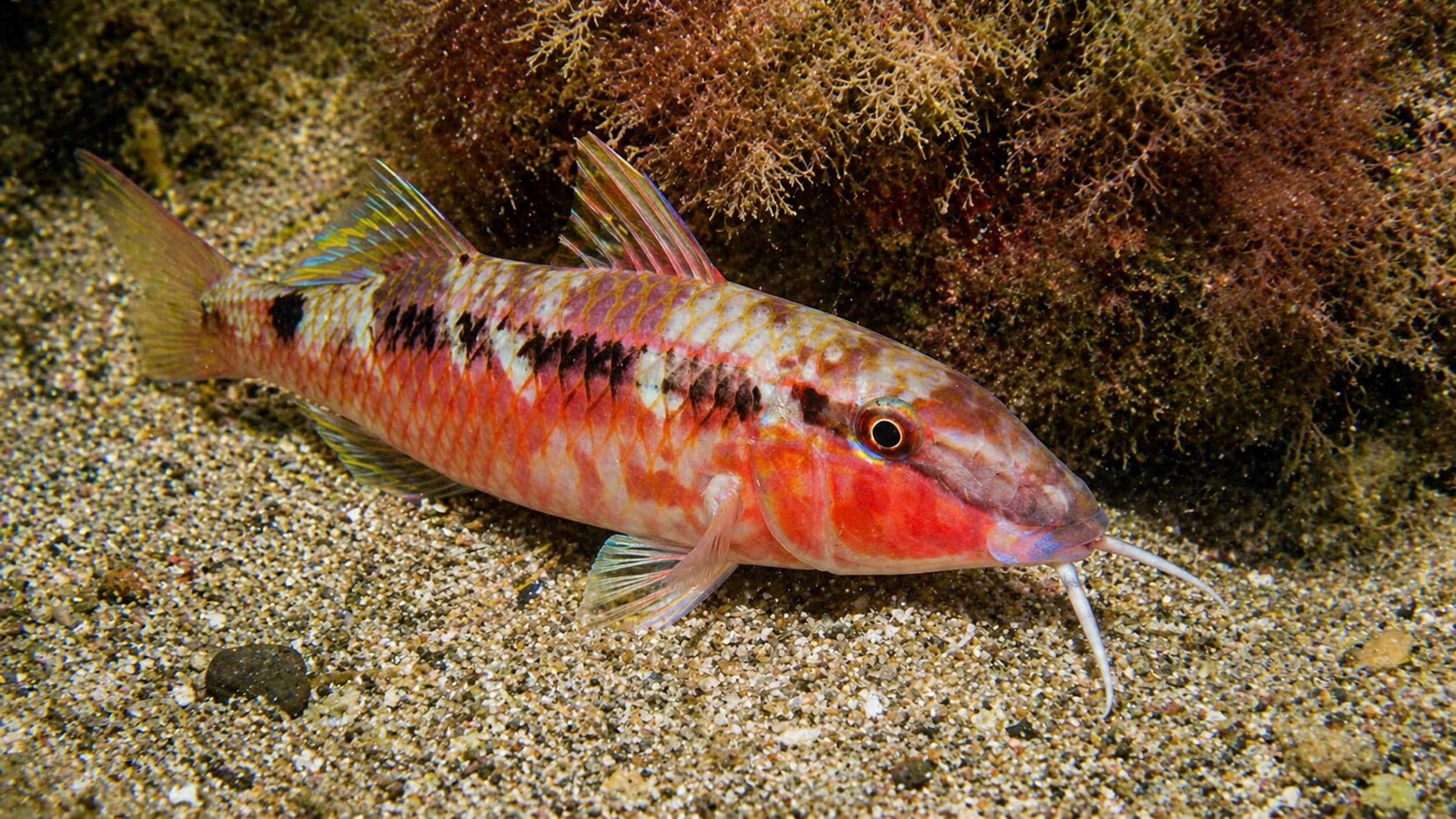
Top species linked to approved dive spots across Saint Helena.
Receive new destination drops, profile upgrades, and dive map releases.
No spam. Just solid updates when something surfaces.
1 linked spots