Distribution
Cosmopolitan in warm and temperate seas worldwide; absent from the Arctic and Antarctic Circle regions.
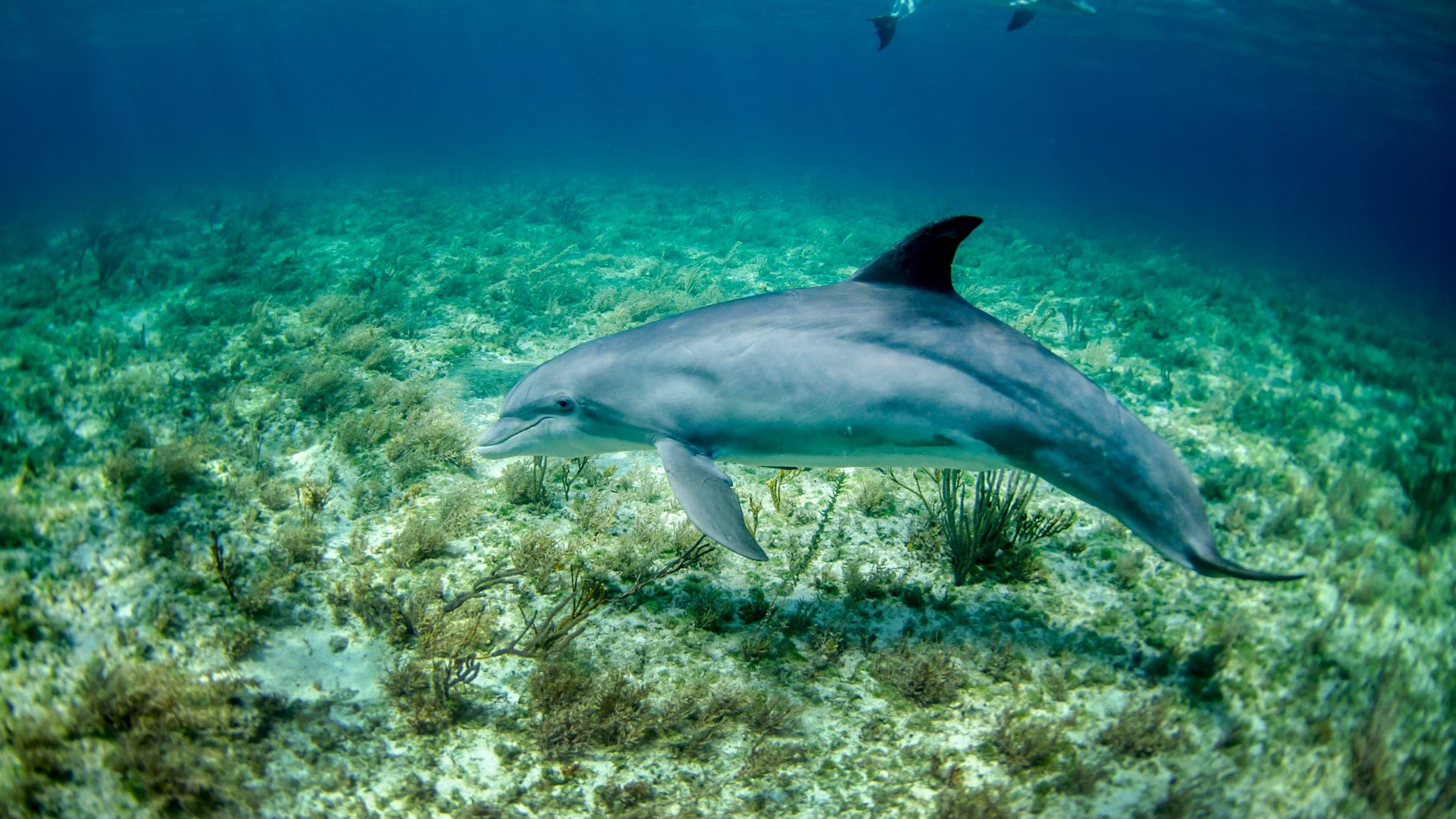
A cosmopolitan, toothed whale genus found in warm and temperate seas worldwide, known for high intelligence and varied human interactions.
Species Guide
A clean field guide focused on habitat, identification, behavior, and conservation context without burying the useful parts.
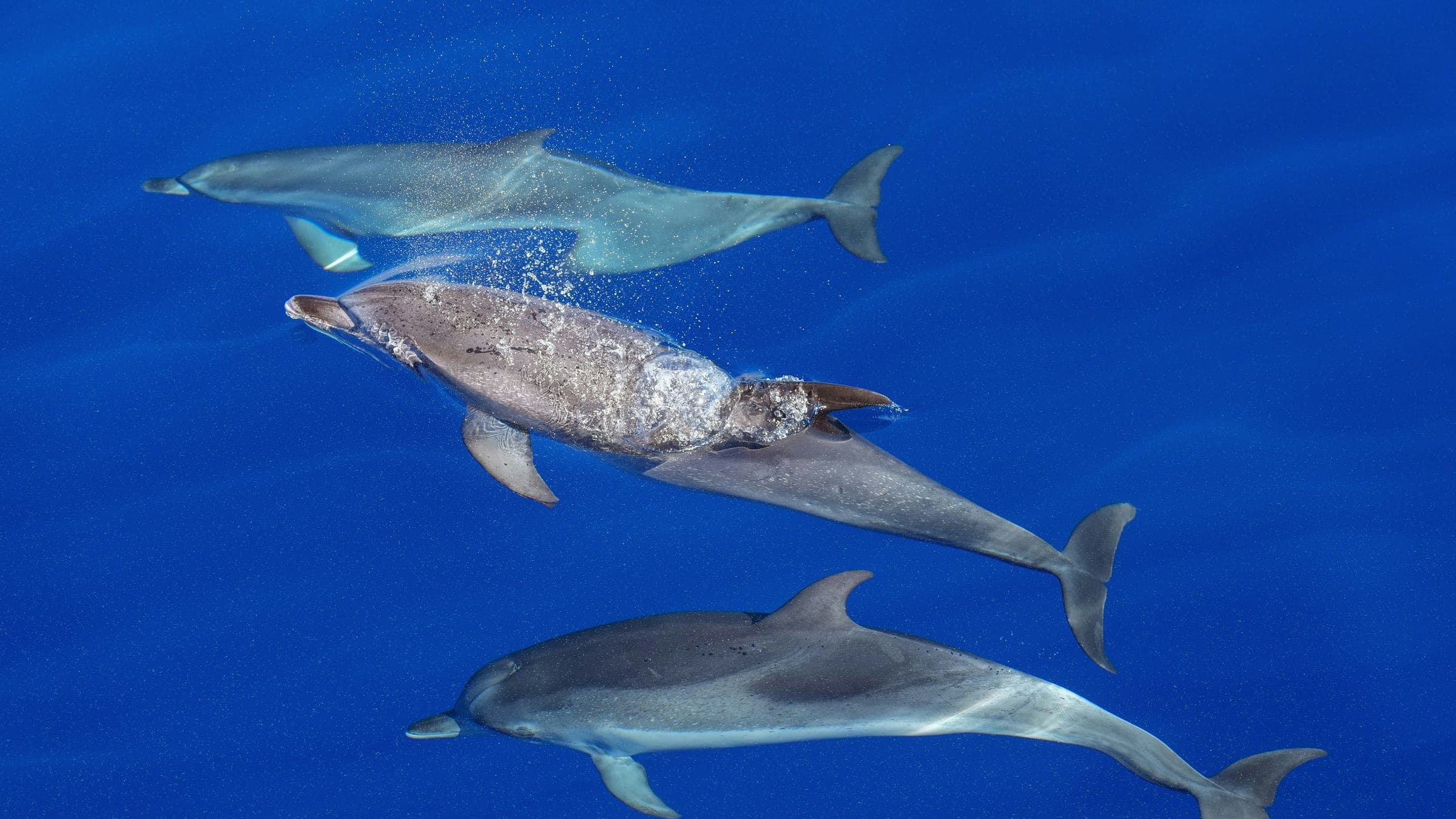
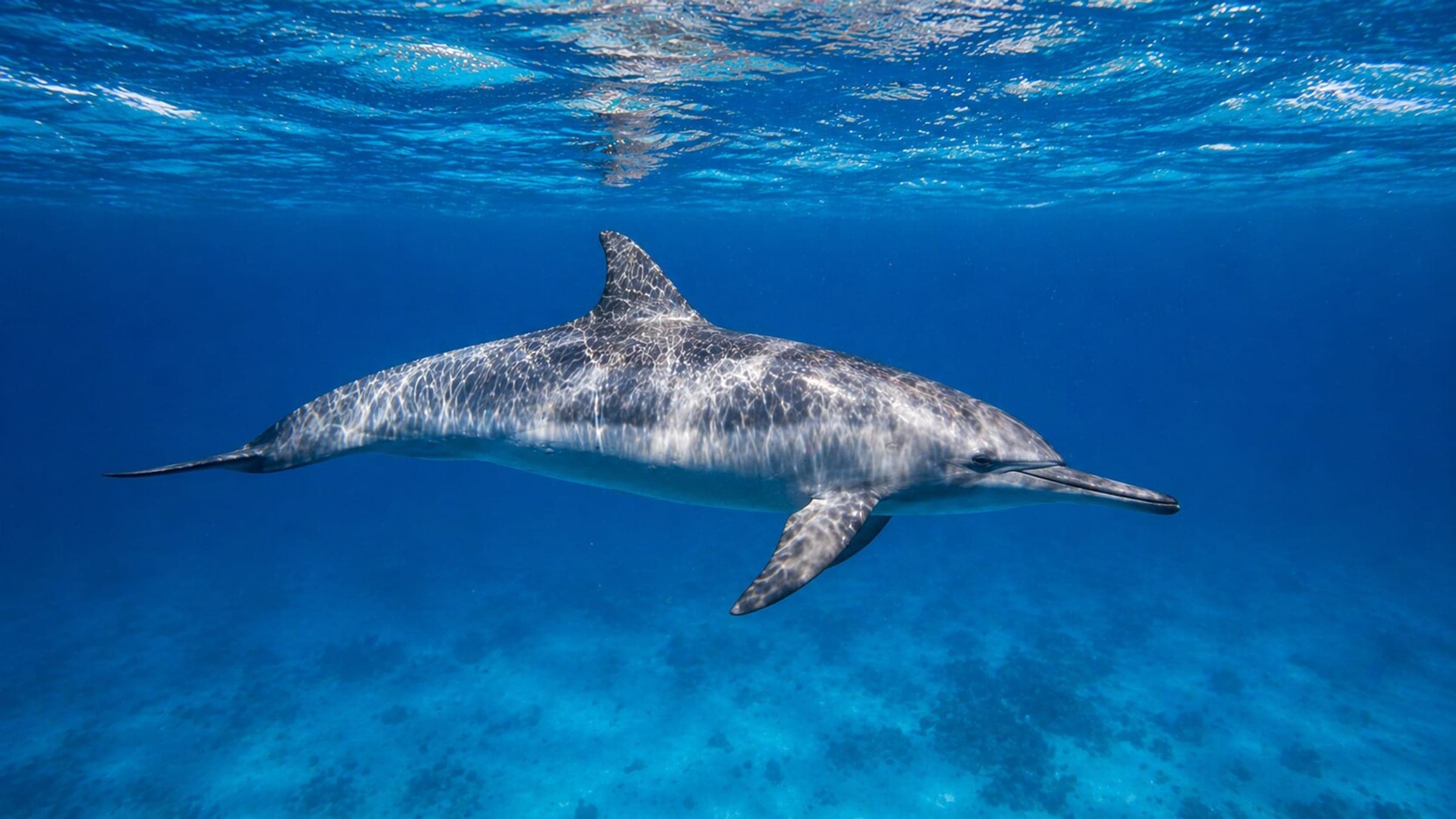
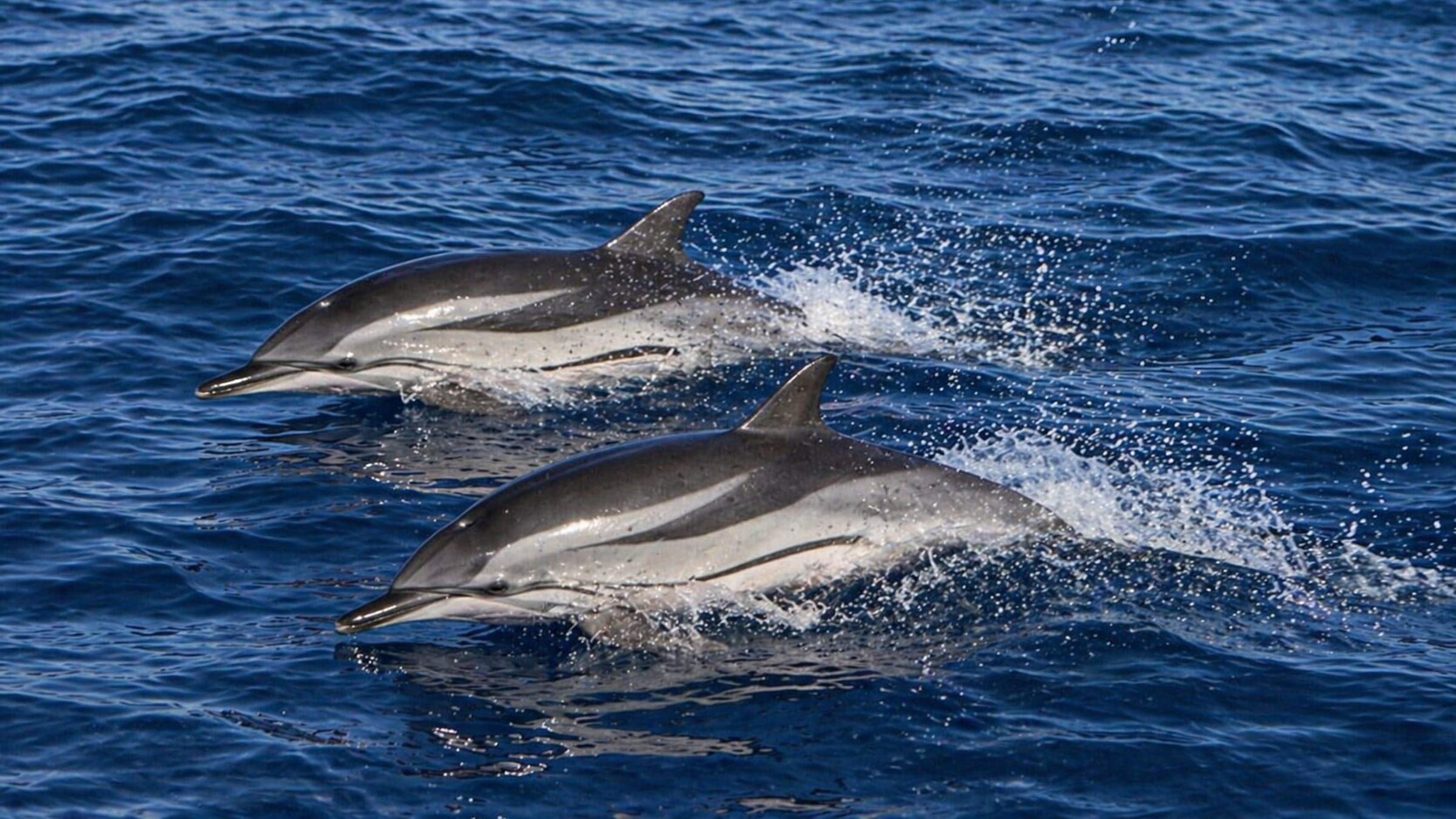
The bottlenose dolphin is a toothed whale in the genus Tursiops and a common, cosmopolitan member of the family Delphinidae (oceanic dolphins). Molecular studies indicate the genus contains multiple species, including the common bottlenose dolphin (Tursiops truncatus), the Indo-Pacific bottlenose dolphin (Tursiops aduncus), and Tamanend's bottlenose dolphin (Tursiops erebennus); some forms such as the Burrunan dolphin may be treated as distinct species or as subspecies.
Bottlenose dolphins inhabit warm and temperate seas worldwide and are absent from Arctic and Antarctic Circle regions. Their name derives from Latin (tursio for dolphin and truncatus referencing worn teeth in the type specimen).
Numerous studies have examined their intelligence, including mimicry, use of artificial language, object categorization, and self-recognition. They can use tools (notably "sponging," where a marine sponge is used to access food) and transmit cultural knowledge between generations. Bottlenose dolphins have been involved in aquarium displays and media; they have also been trained for military tasks such as mine location and diver detection, and in some places they cooperate with fishermen by driving fish into nets.
The strongest linked planning options currently surface around destinations such as Marsa Alam (Abu Dabbab and Elphinstone), Caye Caulker, Cocos (Keeling) Islands and countries such as Australia, Egypt, France for divers building trips around bottlenose dolphins.
Identification
The visual markers divers can use underwater, plus the species most likely to cause confusion.
Last Updated Mar 9, 2026 · 4 sources
Toothed whale in the genus Tursiops, family Delphinidae (oceanic dolphins).
Cosmopolitan in warm and temperate seas worldwide; absent from the Arctic and Antarctic Circle regions.
Name derives from Latin: tursio (dolphin) and truncatus (referring to truncated teeth of the type specimen).
Range and Movement
The broad range, seasonal movement, or migratory behavior that shapes where divers encounter this species.
Found throughout warm and temperate seas worldwide; not present in Arctic or Antarctic Circle regions.
Diet
Useful feeding context that often explains habitat, movement, and encounter style.
Feeds on fish and other prey; known to cooperate with fishermen by driving fish into nets in some areas.
Conservation
Status, pressure, and protection context grounded in cited sources rather than filler.
Commonly cited pressures include Hunting and Bycatch.
People hunt bottlenose dolphins for food in some areas.
Dolphins are killed inadvertently as bycatch of tuna fishing.
Dolphins can be killed by getting caught in crab traps.
Responsible Encounters
Conservation-minded guidance for divers who want the encounter without adding pressure.
Give bottlenose dolphin space, avoid blocking the animal's path, and follow local site and operator rules for wildlife interactions with dolphins.
Field Notes
Useful species context that makes the encounter more meaningful once you are underwater.
They exhibit advanced cognitive behaviors including self-recognition, mimicry, and object categorization.
They use tools such as marine sponges ('sponging') to access otherwise unreachable food.
They can transmit learned behaviors and knowledge across generations.
Common bottlenose dolphins have an encephalization quotient of 5.26, higher than that reported for chimpanzees.
They have cooperated with fishermen and been trained for entertainment and military tasks.
Top Destinations
Destinations surfaced from the linked dive spots associated with this species.
Top Countries
The strongest country-level starting points currently linked to this species.
Top Dive Spots
Directly linked dive spots where this species already shows up in the planning data.
Easy shore-access house reef with calm, colorful reef life.
Boat-accessed triangle of three underwater pillars.
Shallow drift reef with pinnacles, caves, and dolphins.
Boat dive with a wall, pinnacle, and rich fish life.
Rocky shore dive off Toroni with monoliths, clear water, and close fish life.
Sandy drift slope with coral pinnacles
FAQ
Clear planning and conservation answers written for search visibility and AI retrieval.
Research Sources
Primary and credible references behind the field-guide and conservation claims on this page.
Primary wildlife guide source.
Supporting wildlife source.
Supporting wildlife source.
Supporting wildlife source.
Related Species
Related species guides in the same encounter family.