Taxonomic placement
Currently the only recognized member of the genus Delphinus and part of the subfamily Delphininae.
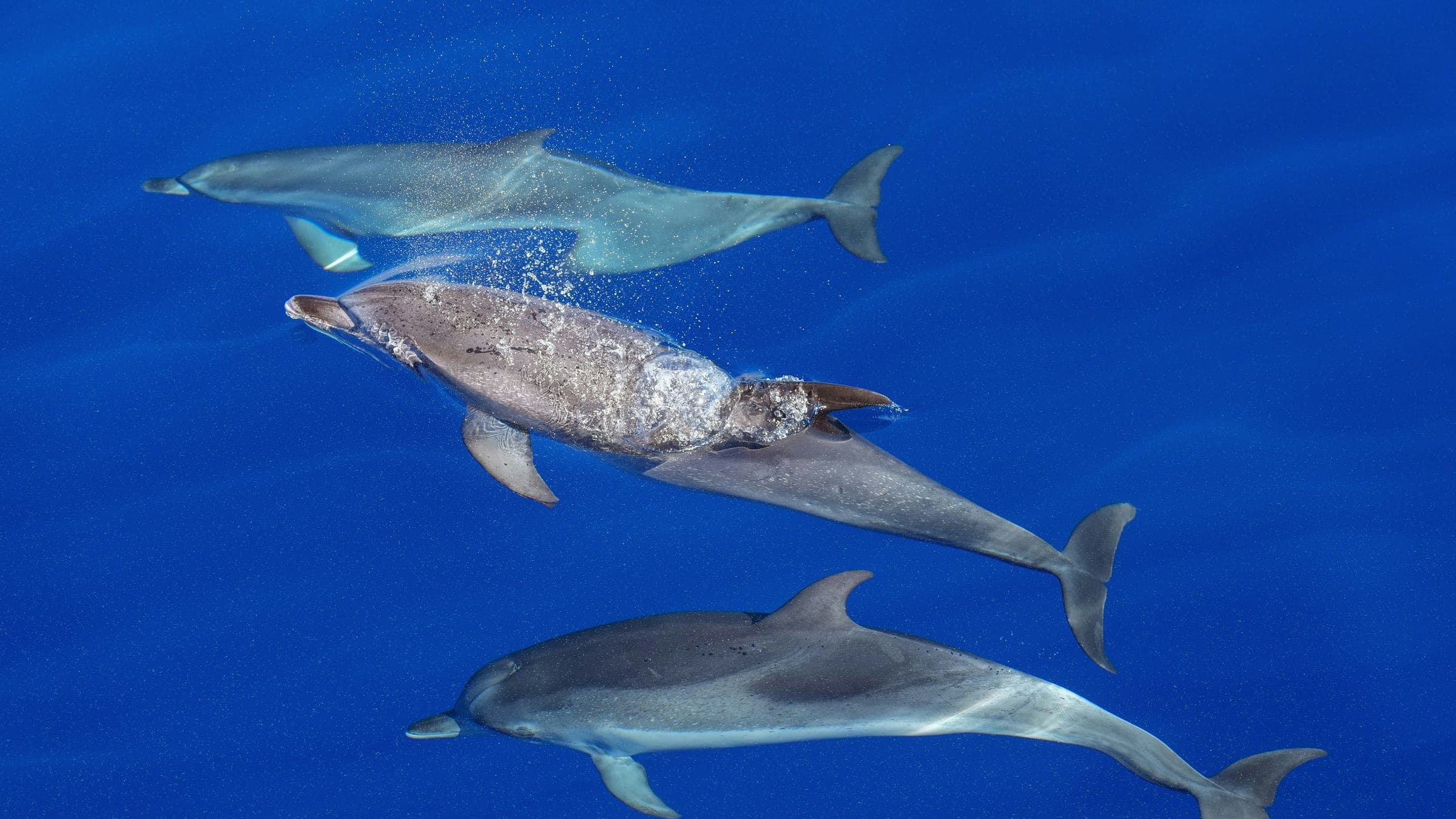
Delphinus delphis
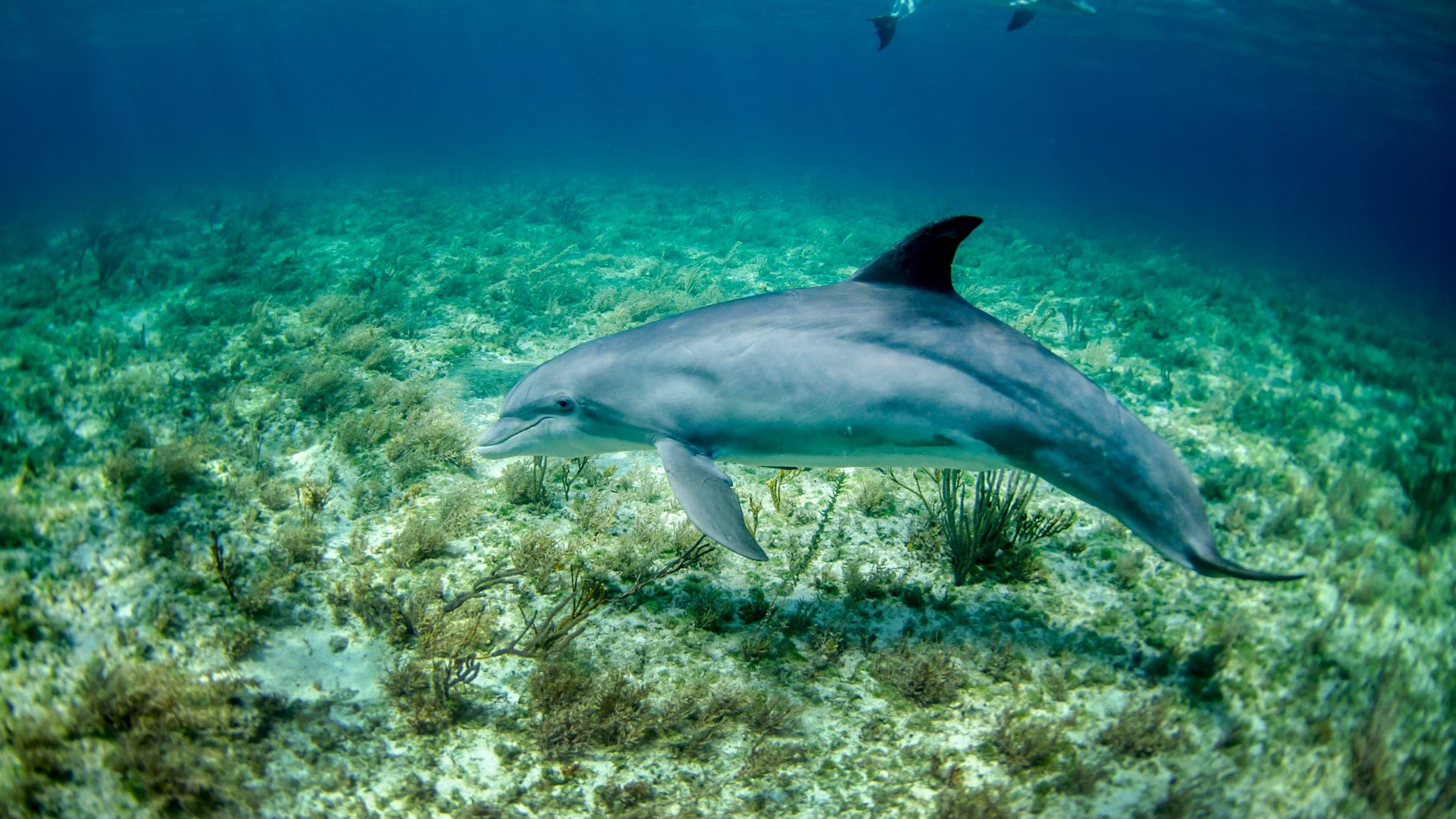
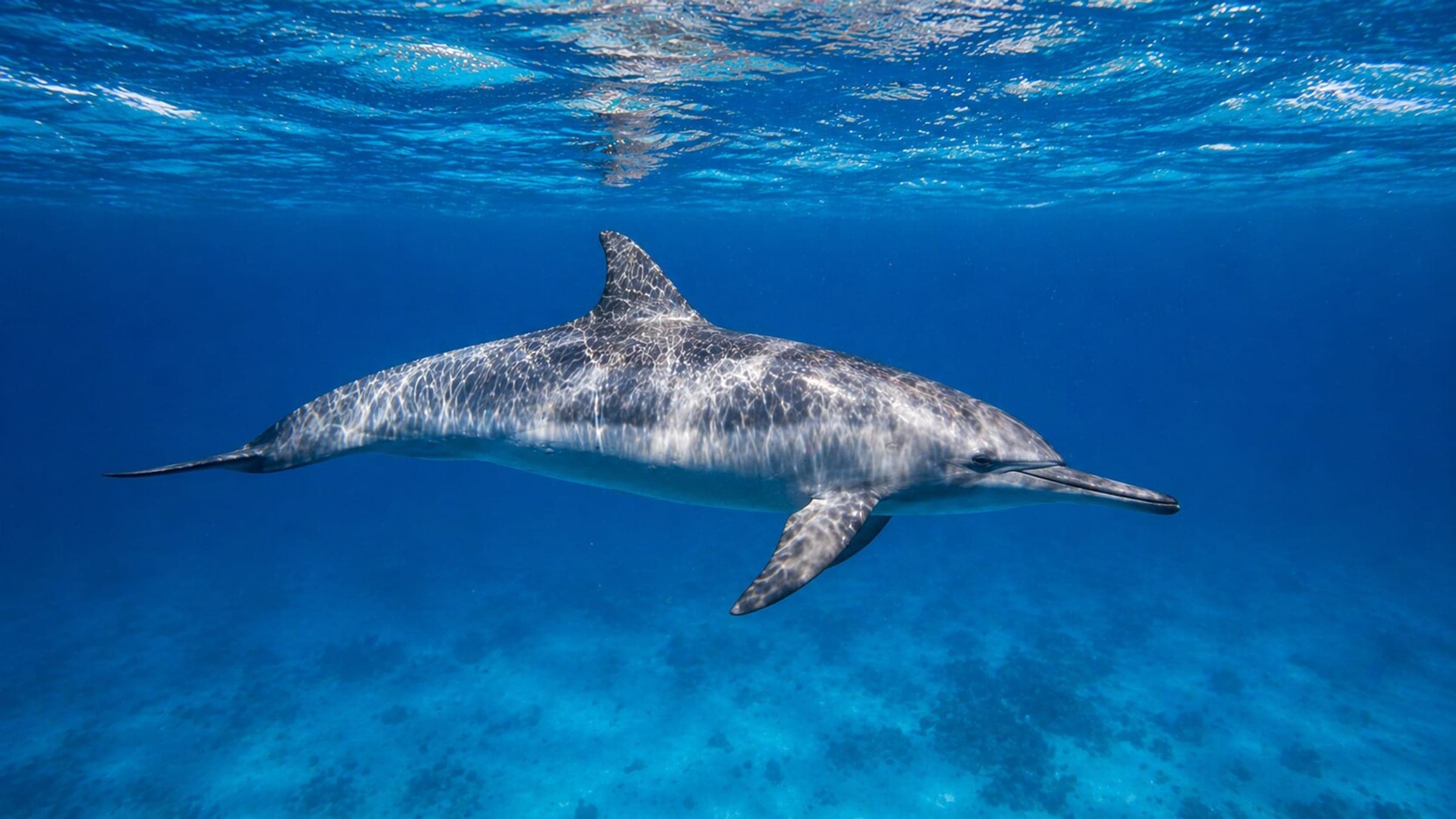
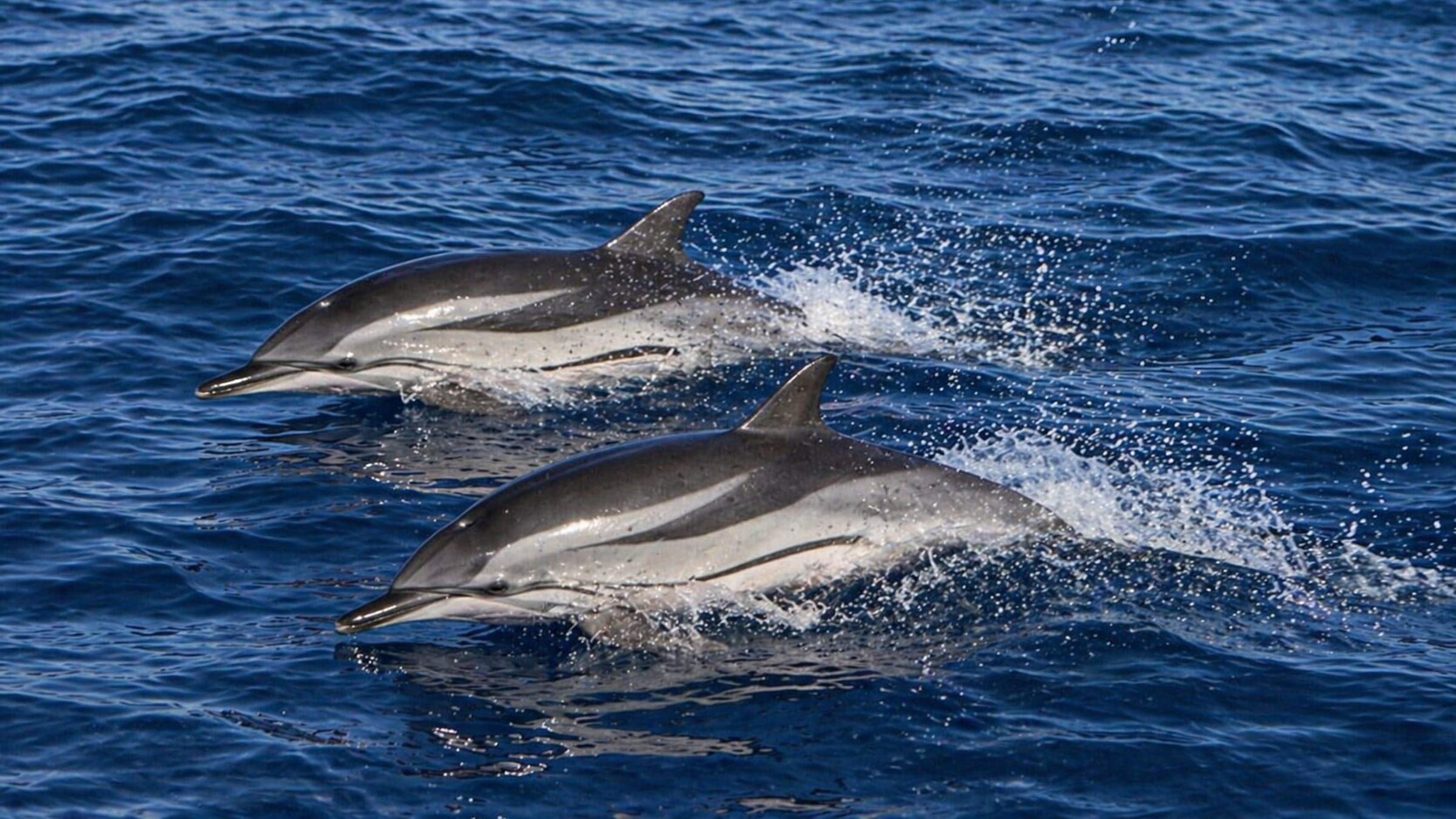
The common dolphin (Delphinus delphis) is a widely distributed cetacean and the most abundant species of dolphin worldwide.
Species Guide
A clean field guide focused on habitat, identification, behavior, and conservation context without burying the useful parts.
The common dolphin, Delphinus delphis, is the most abundant cetacean in the world with an estimated global population of about six million. It is currently the sole recognized member of the genus Delphinus and belongs to the subfamily Delphininae. Historically, populations were divided into two species—the short‑beaked and long‑beaked common dolphins—but these forms are now generally treated as ecotypes rather than separate species because long‑beaked populations have arisen multiple times from short‑beaked ancestors and do not consistently share the same derived traits. The common dolphin is closely related to several other delphinids, including the bottlenose, striped, spinner, Clymene, spotted, Fraser's, tucuxi, Guiana, and humpback dolphins. The species has cultural significance dating back to antiquity and frequently appears in Greek and Roman art, including Minoan murals.
The strongest linked planning options currently surface around destinations such as Algarve, Athens Riviera and Saronic Gulf, Cape Town and countries such as Greece, New Zealand, France for divers building trips around common dolphins.
Identification
The visual markers divers can use underwater, plus the species most likely to cause confusion.
Currently the only recognized member of the genus Delphinus and part of the subfamily Delphininae.
Last Updated Mar 9, 2026 · 4 sources
Estimated global population of about six million, making it the most abundant cetacean.
Close relatives include the bottlenose, humpback, striped, spinner, Clymene, spotted, Fraser's, tucuxi, and Guiana dolphins.
Population
Published estimates when credible, or an explicit note when no reliable global count exists.
Estimated global population of about six million.
Responsible Encounters
Conservation-minded guidance for divers who want the encounter without adding pressure.
Give common dolphin space, avoid blocking the animal's path, and follow local site and operator rules for wildlife interactions with dolphins.
Field Notes
Useful species context that makes the encounter more meaningful once you are underwater.
Common dolphins frequently appeared in Greek and Roman art and in Minoan murals.
Populations once split into short‑beaked and long‑beaked species are now generally regarded as ecotypes.
Top Destinations
Destinations surfaced from the linked dive spots associated with this species.
Top Countries
The strongest country-level starting points currently linked to this species.
Top Dive Spots
Directly linked dive spots where this species already shows up in the planning data.
Boat dive with a wall, pinnacle, and rich fish life.
Atnam is a far-offshore Nosy Be canyon with giant gorgonians.
Deep Djerba wreck with compact fish-rich profile
Volcanic Adriatic boat dive with macro life and Spanish dancers.
Shore kelp dive west of Malibu
Dobuiso is a remote Chichijima big-fish channel dive.
FAQ
Clear planning and conservation answers written for search visibility and AI retrieval.
Research Sources
Primary and credible references behind the field-guide and conservation claims on this page.
Primary wildlife guide source.
Supporting wildlife source.
Supporting wildlife source.
Supporting wildlife source.
Related Species
Related species guides in the same encounter family.