Best time to go
May to June and September to October
Comfortable village and hiking days, fewer peak crowds, and water trending from about 16°C in late spring toward roughly 21°C around early autumn.
Main caution: School Holiday Crowds.

Protected Mediterranean reefs beneath terraced vineyards at the edge of France and Catalonia
Top species linked to approved dive spots in Cote Vermeille (Banyuls-sur-Mer and Cerbere).
Share what the whole destination was like. Once enough independent reviews are approved, DiveJourney publishes anonymous patterns, not reviewer profiles.
Quick shortlist before you jump into the full planning page.
DiveJourney destination guides are living documents built from local knowledge, operator experience, and publicly available sources. Conditions, regulations, and logistics can change. Each guide shows its last update date and sources used.
Last updated: September 4, 2026 • 37 sources
If destination data is inaccurate, stale, missing, or sourced poorly, send a factual correction. This is separate from anonymous destination reviews.
Overview
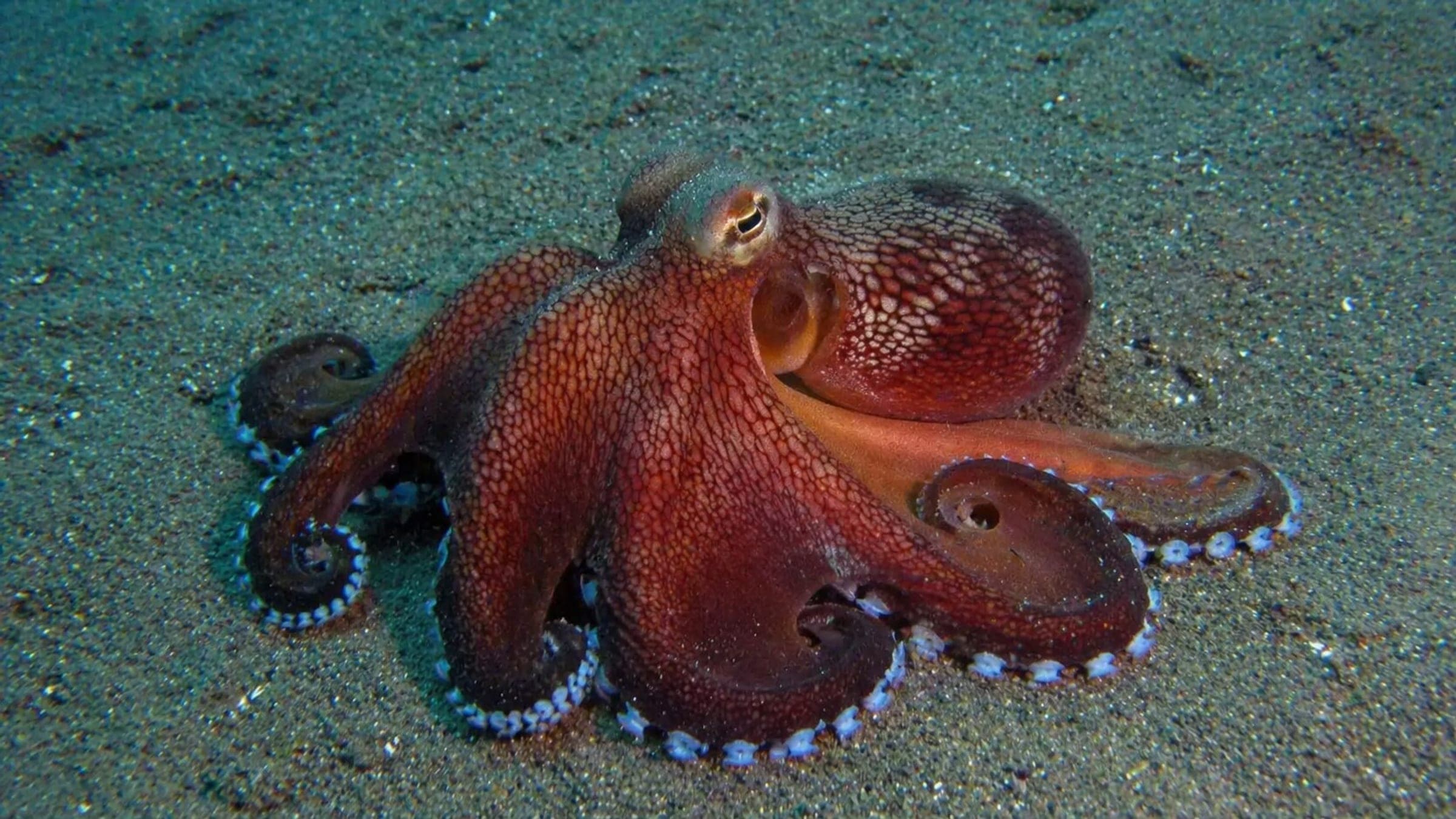
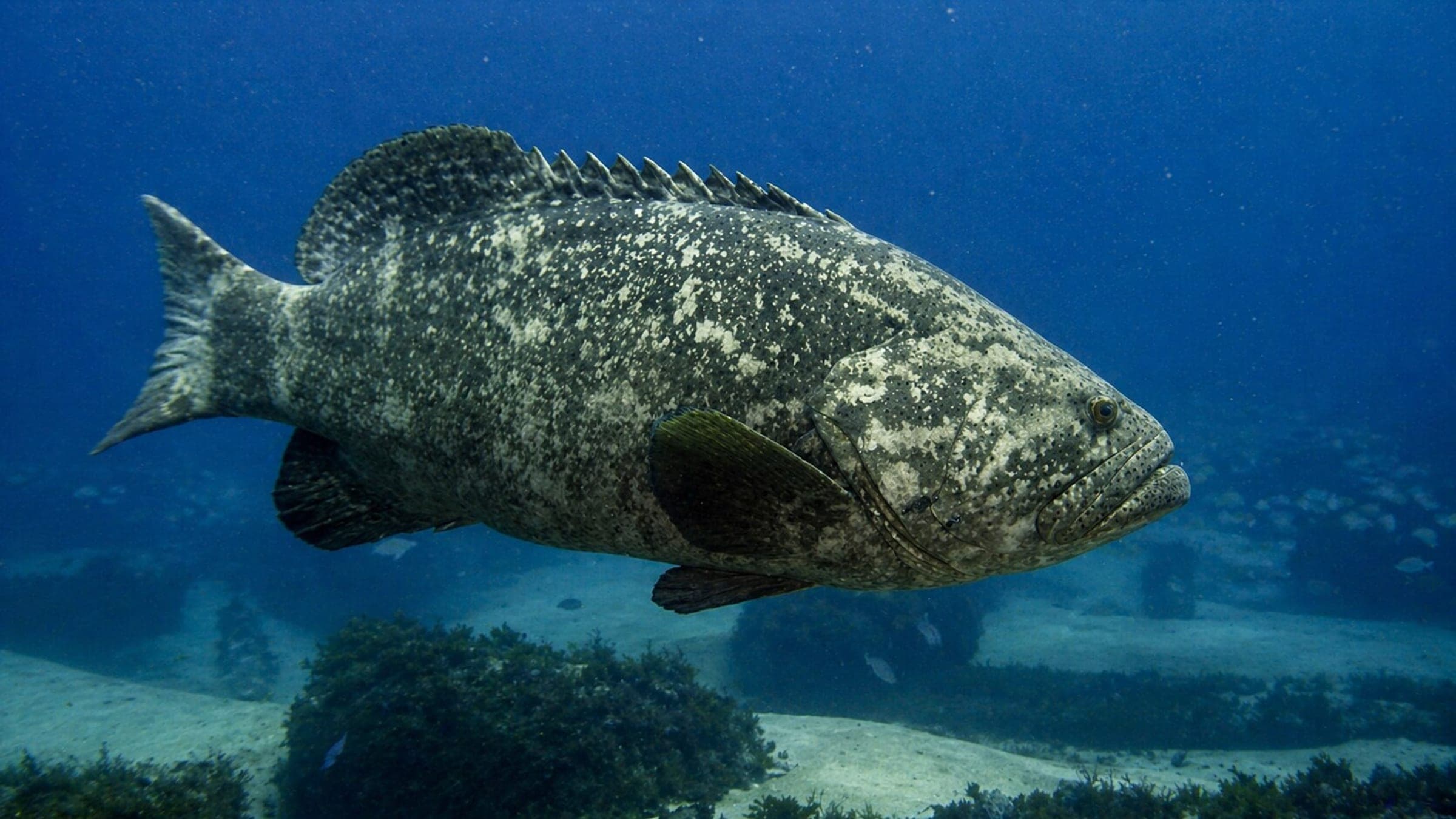
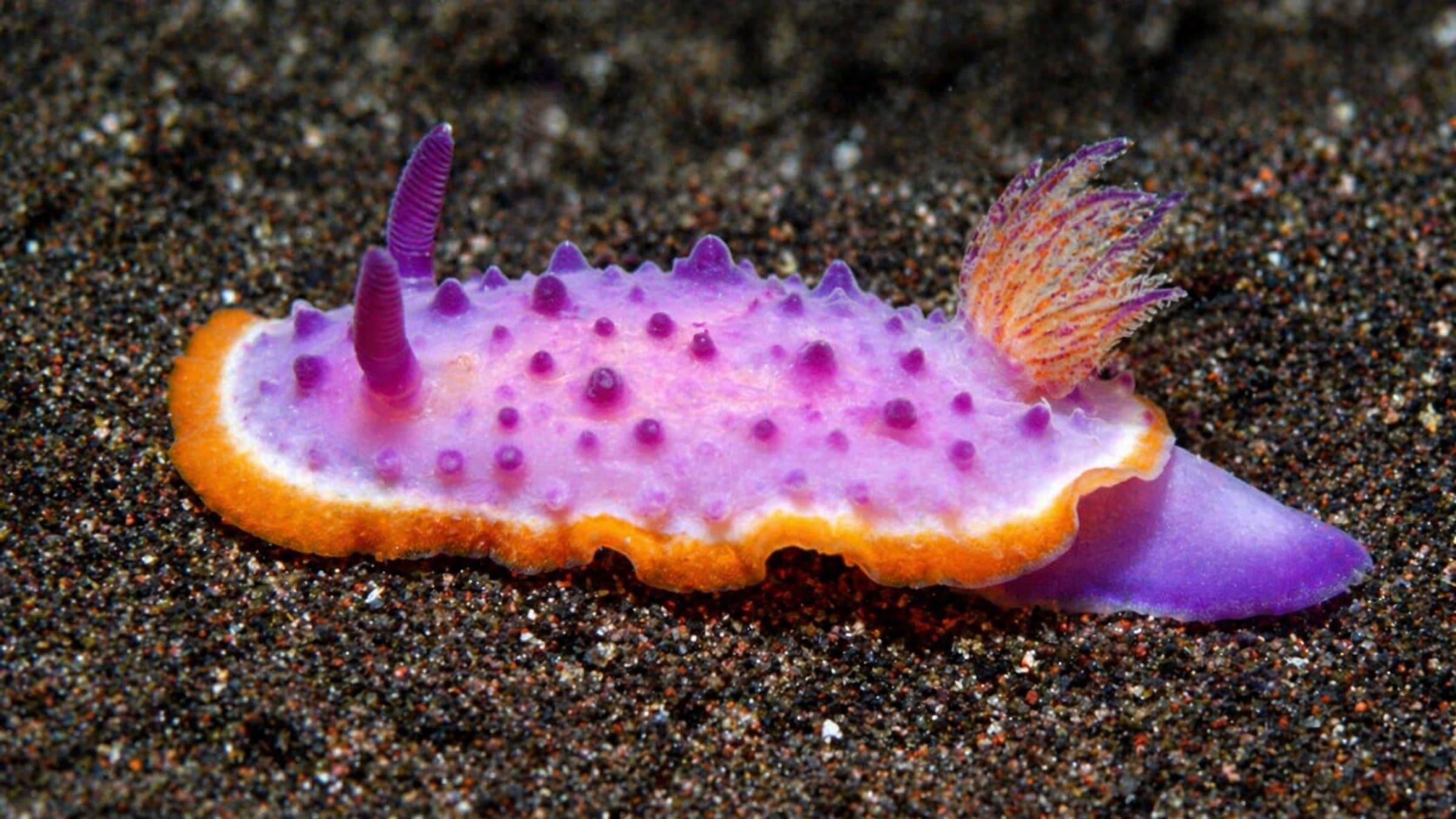
Cote Vermeille pairs compact local diving with one of France's most historically important marine reserves. Banyuls-sur-Mer and Cerbere sit only a few coastal rail stops apart, so a land-based trip can combine short boat runs, operator-led shore entries, the interpreted snorkel trail at Peyrefite, and vineyard or coastal-walk days without changing hotels. Underwater, expect rocky relief, coralligenous growth, Posidonia meadows, groupers, corb, barracuda, octopus, lobster, and nudibranch-scale detail rather than tropical coral. The reserve's rules are central to planning: scuba requires authorization, operators normally manage access, fixed moorings protect habitat, and freediving is prohibited inside reserve waters. Late spring and early autumn give the easiest blend of water access, hiking weather, and lighter crowds. Summer brings the warmest water and the public snorkel season, while winter remains possible for equipped divers but is more exposed to cold water, Tramontane wind, and site changes.
France's first marine nature reserve protects rocky reef, Posidonia, coralligenous habitat, soft sediment, and underwater cavities along roughly 6.5 km of coast.
Banyuls and Cerbere operators advertise reserve transfers measured in minutes, leaving more of the day for diving, training, or a second activity.
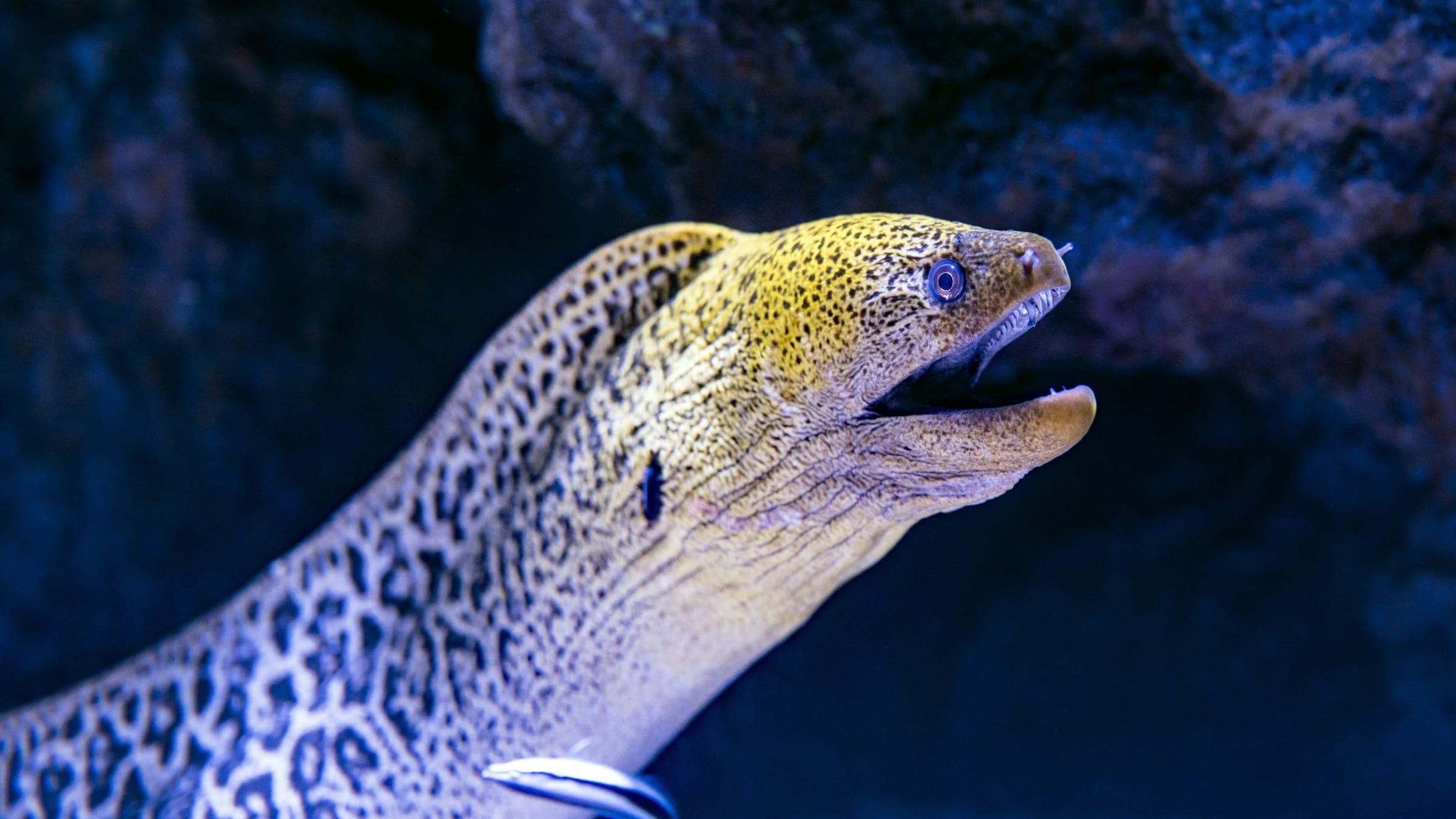
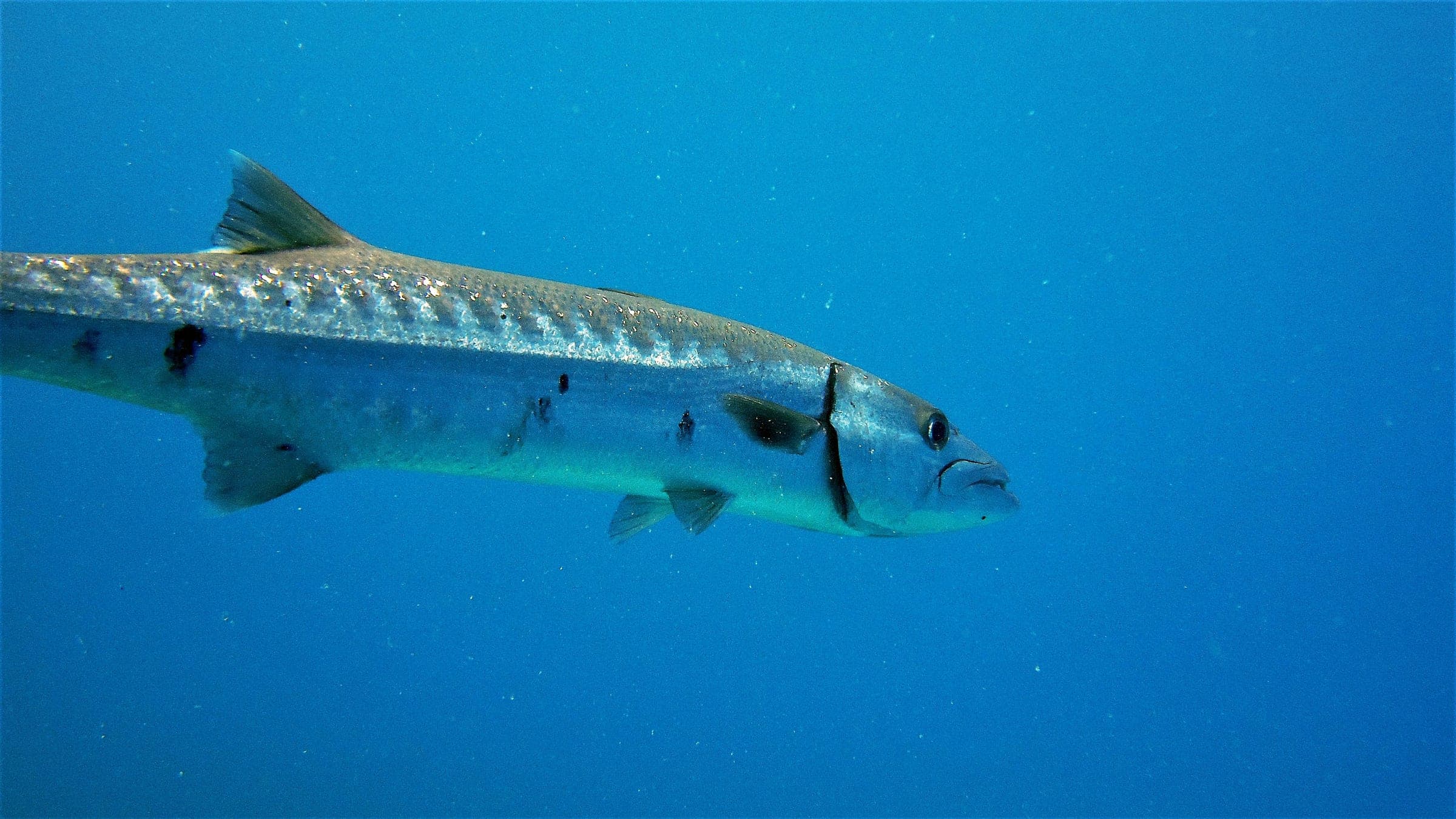
The draw is ecological variety: groupers, corb, barracuda, dentex, octopus, lobster, nudibranchs, gorgonians, red coral, Posidonia, and dense coralligenous communities.
Coastal rail, terraced vineyards, the Biodiversarium, Art Deco railway heritage, wellness, and hiking create a strong mixed-group destination.
15 linked spots
Best time to go
May to June and September to October
Comfortable village and hiking days, fewer peak crowds, and water trending from about 16°C in late spring toward roughly 21°C around early autumn.
Main caution: School Holiday Crowds.