Best time to go
May to October
Dry, bright, and comfortable. Late September and October add warmer sea and often lighter winds.
Main caution: Surface chop can add a little more texture on exposed entries.
Volcanic walls, black coral, and starry summit nights on the Atlantic's green Canary Island
Overview
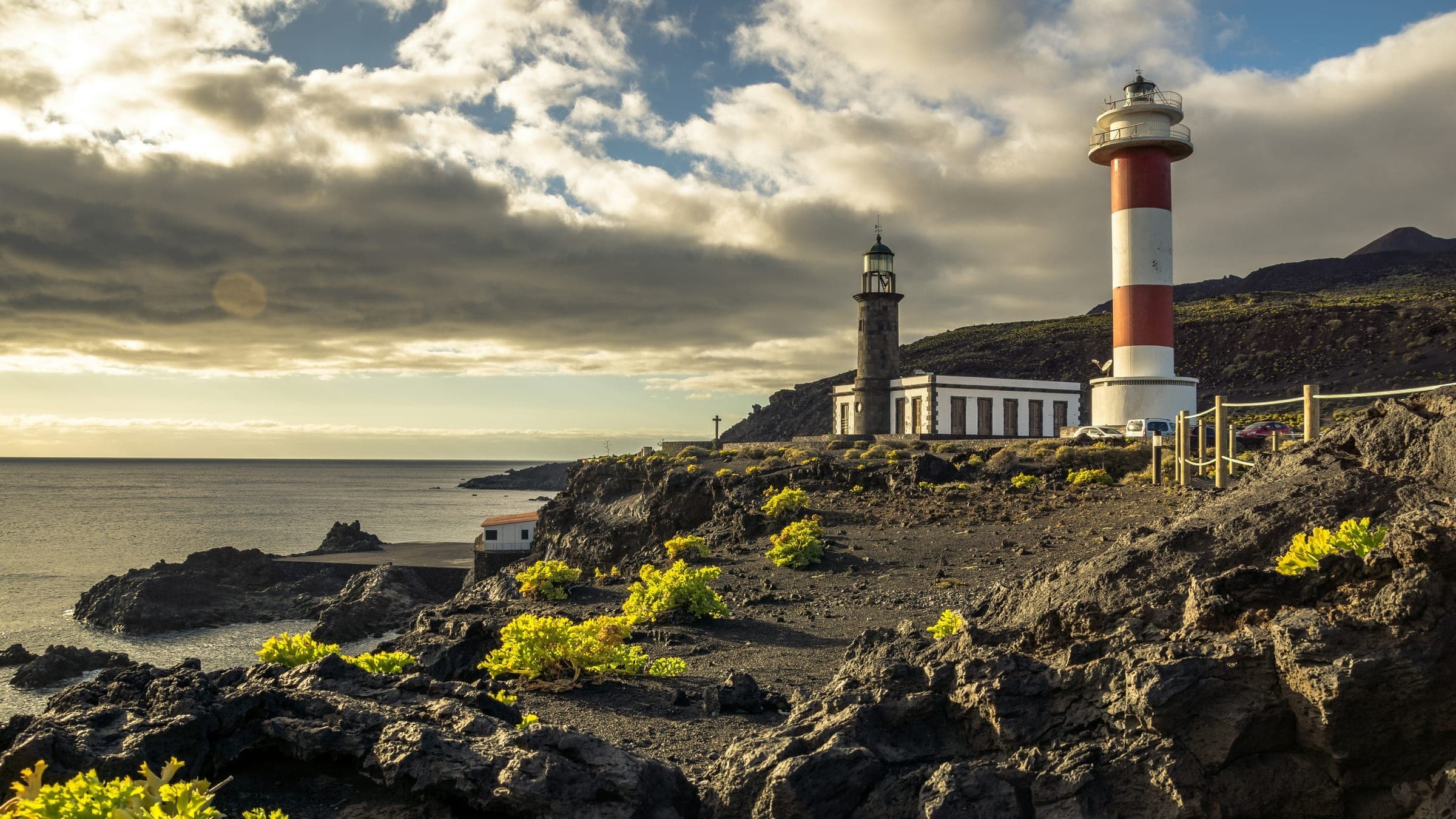
La Palma is a land-based dive and nature trip built around lava architecture, clear Atlantic water, and short transfers between sea cliffs and high mountains. Diving is mostly local operator, shore-entry, and short boat logistics rather than liveaboard travel. The signature underwater style is black basalt: arches, caves, canyons, swim-throughs, boulder fields, and the stone crosses of Las Cruces de Malpique. Water is cooler than the tropics, generally around 19°C to 25°C, but visibility can be excellent and volcanic scenery makes even simple dives memorable. Non-divers are not an afterthought. Caldera de Taburiente, Roque de los Muchachos, laurel forest walks, whale-watching departures, salt pans, and historic Santa Cruz make La Palma one of the Canary Islands' strongest mixed water-and-mountain itineraries.
Lava walls, arches, caves, black sand, and basalt columns make La Palma visually different from coral-led tropical destinations.
The La Palma Marine Reserve protects a steep, biodiverse shelf off Fuencaliente with caves, tunnels, Cystoseira algae, Canary lobster habitat, and frequent records of turtles and dolphins.
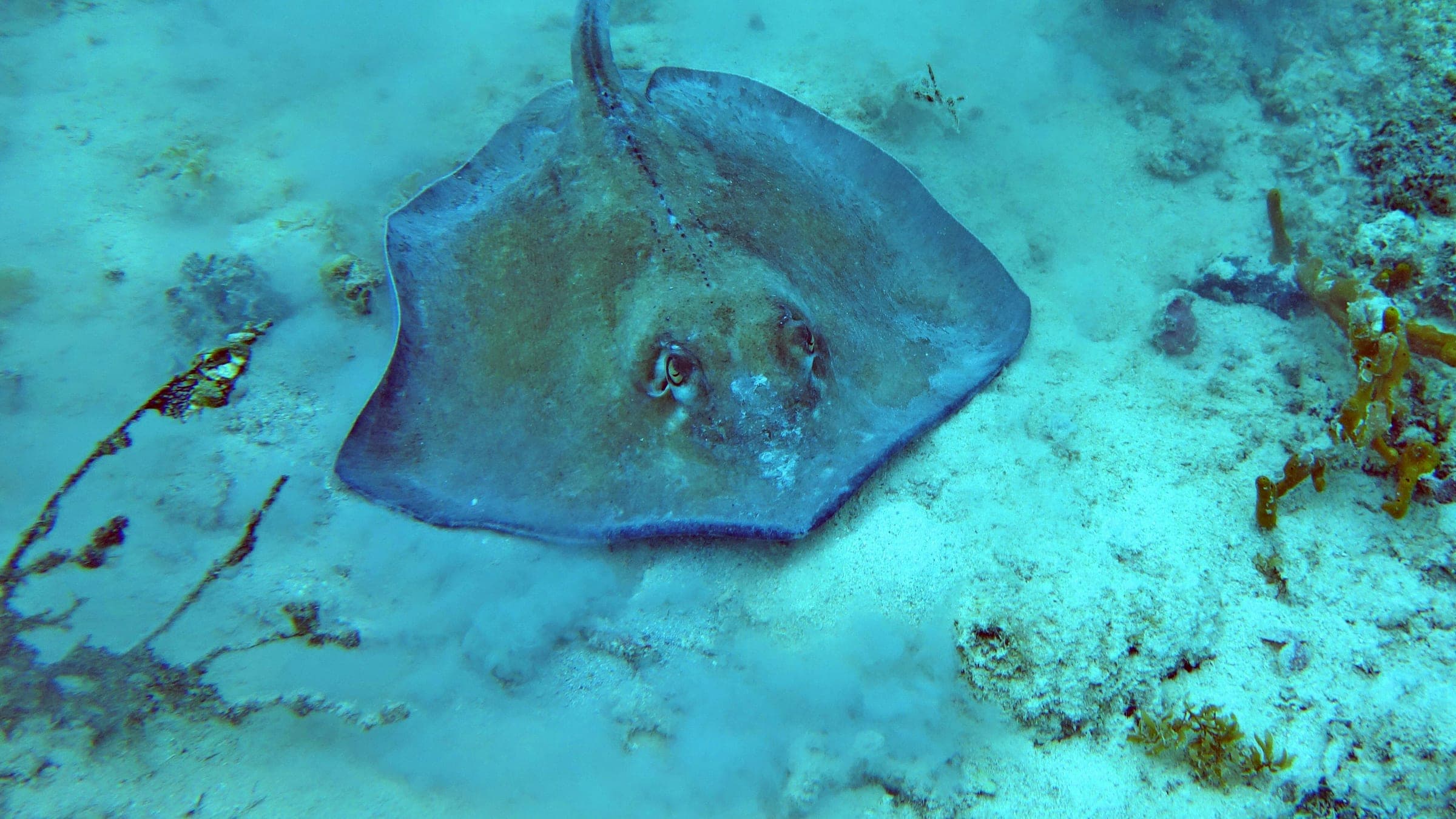
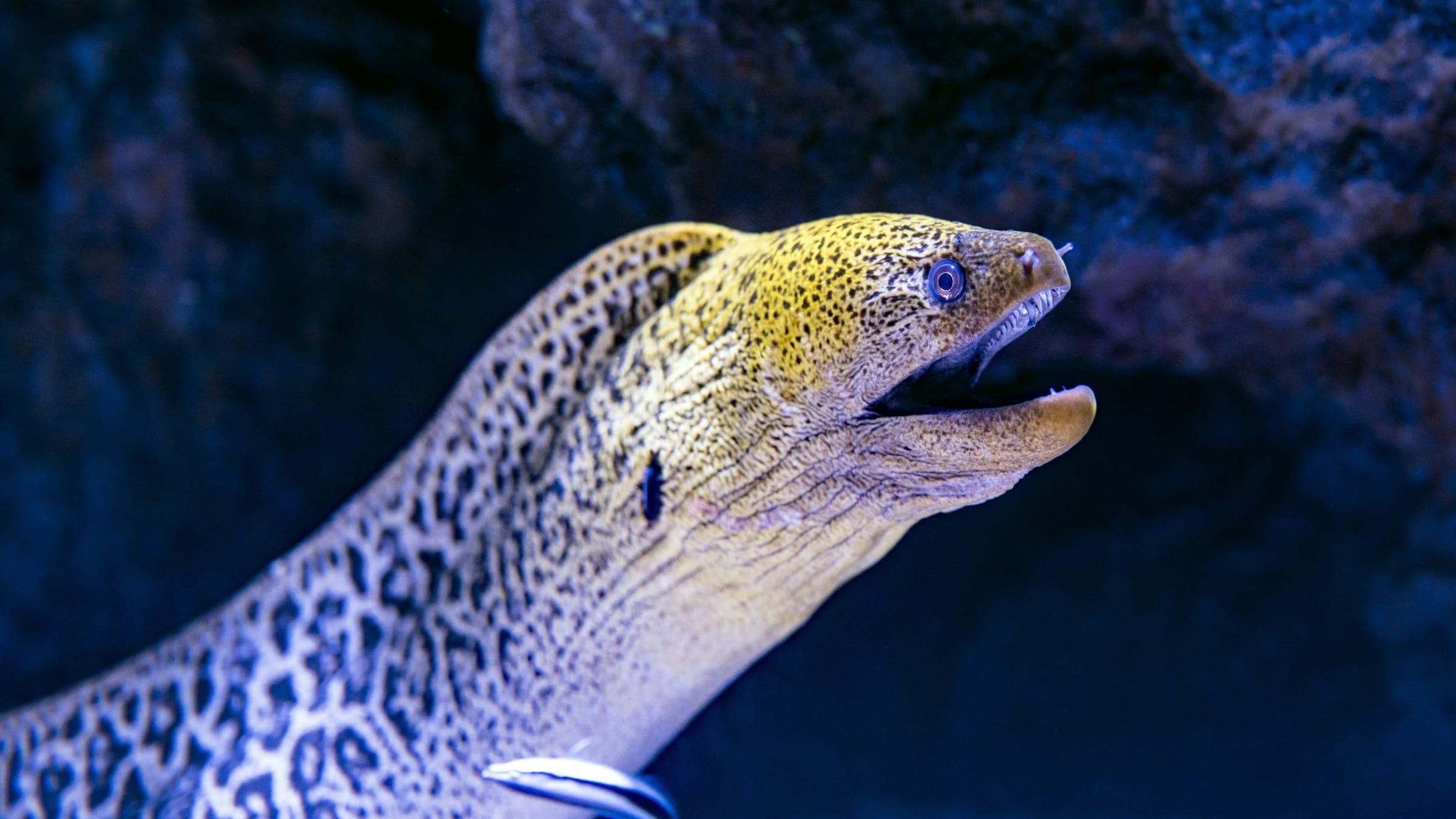
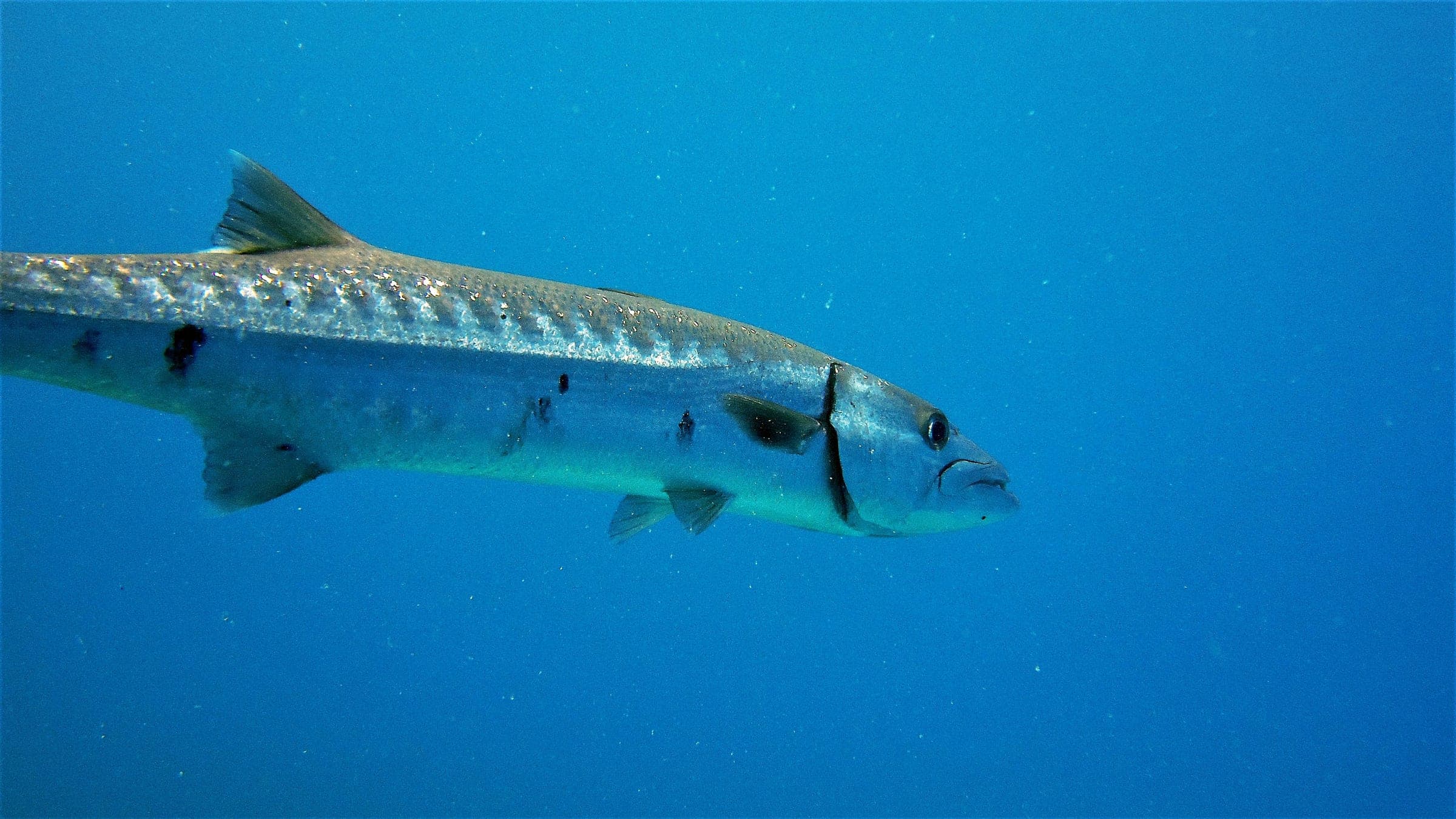
Top species linked to approved dive spots in La Palma.
Share what the whole destination was like. Once enough independent reviews are approved, DiveJourney publishes anonymous patterns, not reviewer profiles.
Quick shortlist before you jump into the full planning page.
DiveJourney destination guides are living documents built from local knowledge, operator experience, and publicly available sources. Conditions, regulations, and logistics can change. Each guide shows its last update date and sources used.
Last updated: April 20, 2026 • 36 sources
If destination data is inaccurate, stale, missing, or sourced poorly, send a factual correction. This is separate from anonymous destination reviews.
Caldera de Taburiente, Roque de los Muchachos, Los Tilos, whale-watching boats, salt pans, and historic towns make the island easy for mixed groups.
The Canary climate keeps La Palma usable all year, with the easiest overall travel in late spring through autumn and the warmest diving around late summer to autumn.
11 linked spots
Best time to go
May to October
Dry, bright, and comfortable. Late September and October add warmer sea and often lighter winds.
Main caution: Surface chop can add a little more texture on exposed entries.