Best time to go
February to May
Drier weather, warm sea around 28°C to 29°C, and the easiest mix of reef days plus inland excursions
Main caution: Wetter season with higher storm disruption risk and more weathersensitive boat schedules
Southern Belize's laid-back launch point for reefs, whale sharks, and easy jungle add-ons
Overview
Placencia is Belize's easygoing southern reef base: a barefoot village at the tip of a long peninsula, with quick access to protected reef systems, famous seasonal whale shark trips, and some of the country's best land-and-sea trip pairing. From here, most dive and snorkel days revolve around Laughing Bird Caye, the Silk Cayes, and the Gladden Spit spawning area, while topside downtime can include Monkey River wildlife trips, beach cafes, lagoon sunsets, and day runs to Cockscomb Basin. The vibe is less urban than Ambergris Caye and less remote than a dedicated outer-atoll lodge, which makes Placencia especially strong for mixed groups, couples, and travelers who want serious water time without giving up comfort, restaurants, or flexible inland excursions.
Placencia boats can combine easy reef days at Laughing Bird Caye with wildlife-heavy Silk Caye runs and seasonal offshore action at Gladden Spit.
March to June full-moon periods can line up with snapper spawning and whale shark tours, one of Belize's most sought-after seasonal marine experiences.
Non-divers can snorkel, beach-hop, take river wildlife tours, or head inland to Cockscomb Basin and waterfall stops without long transfers.
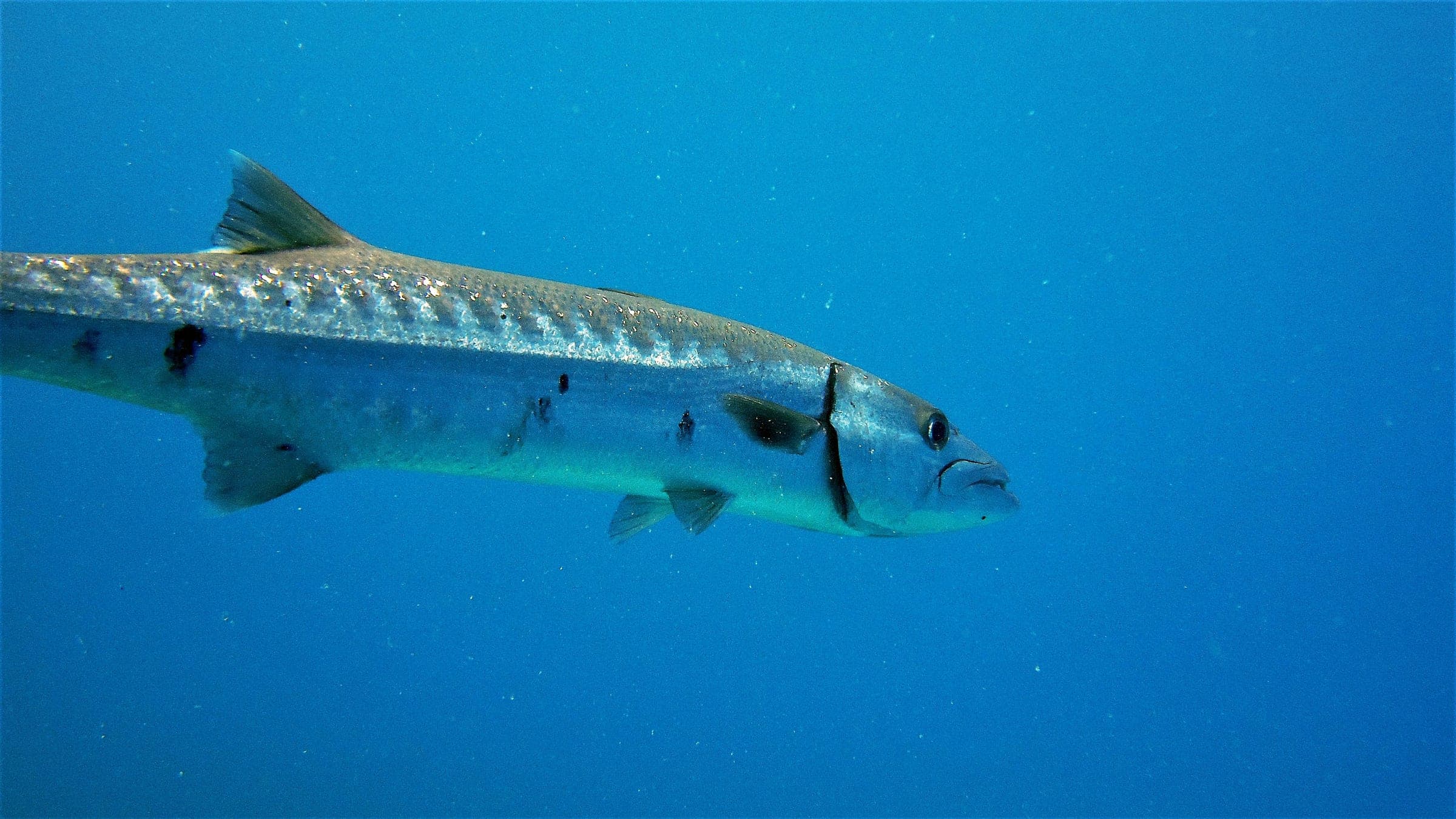
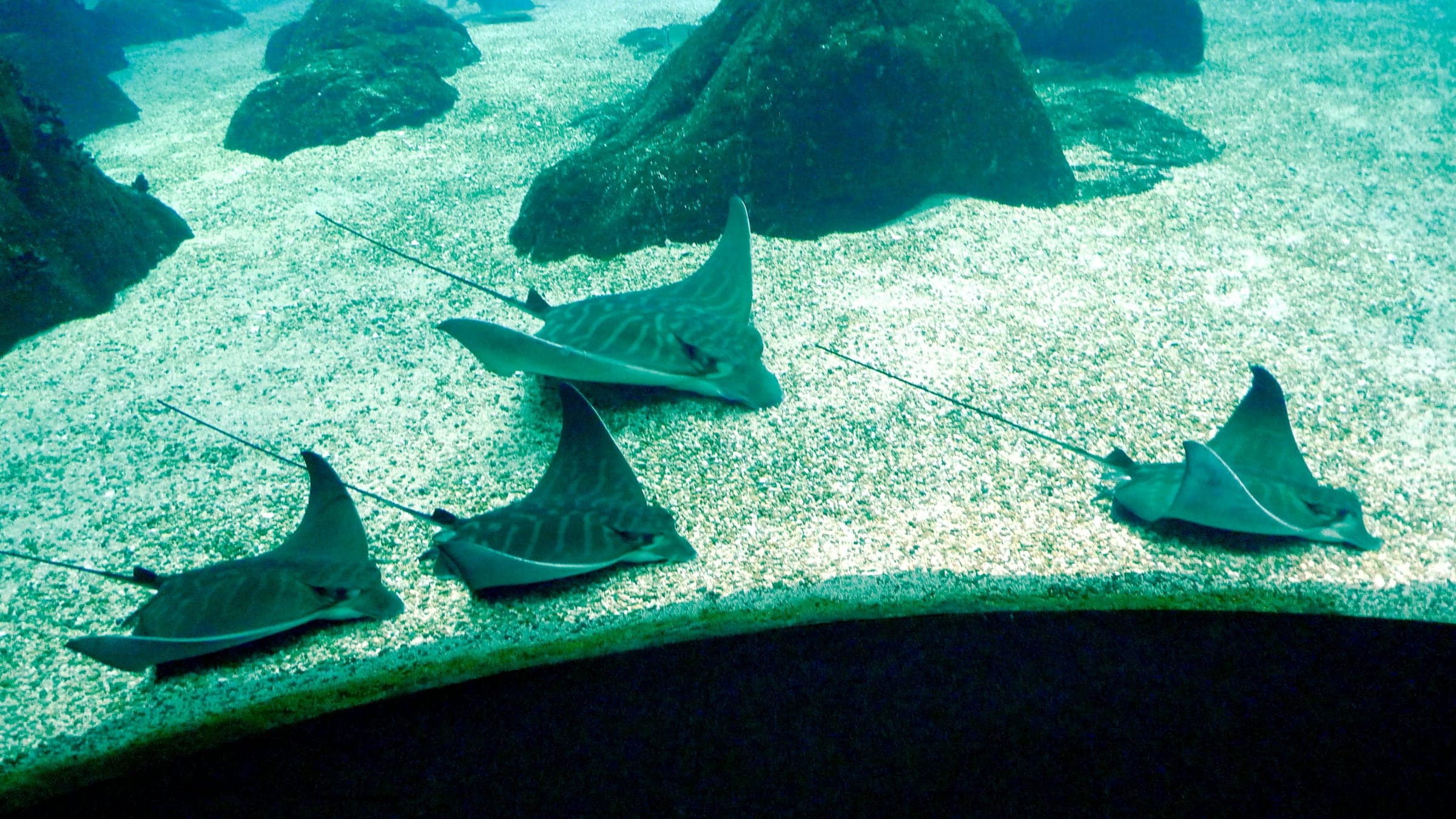
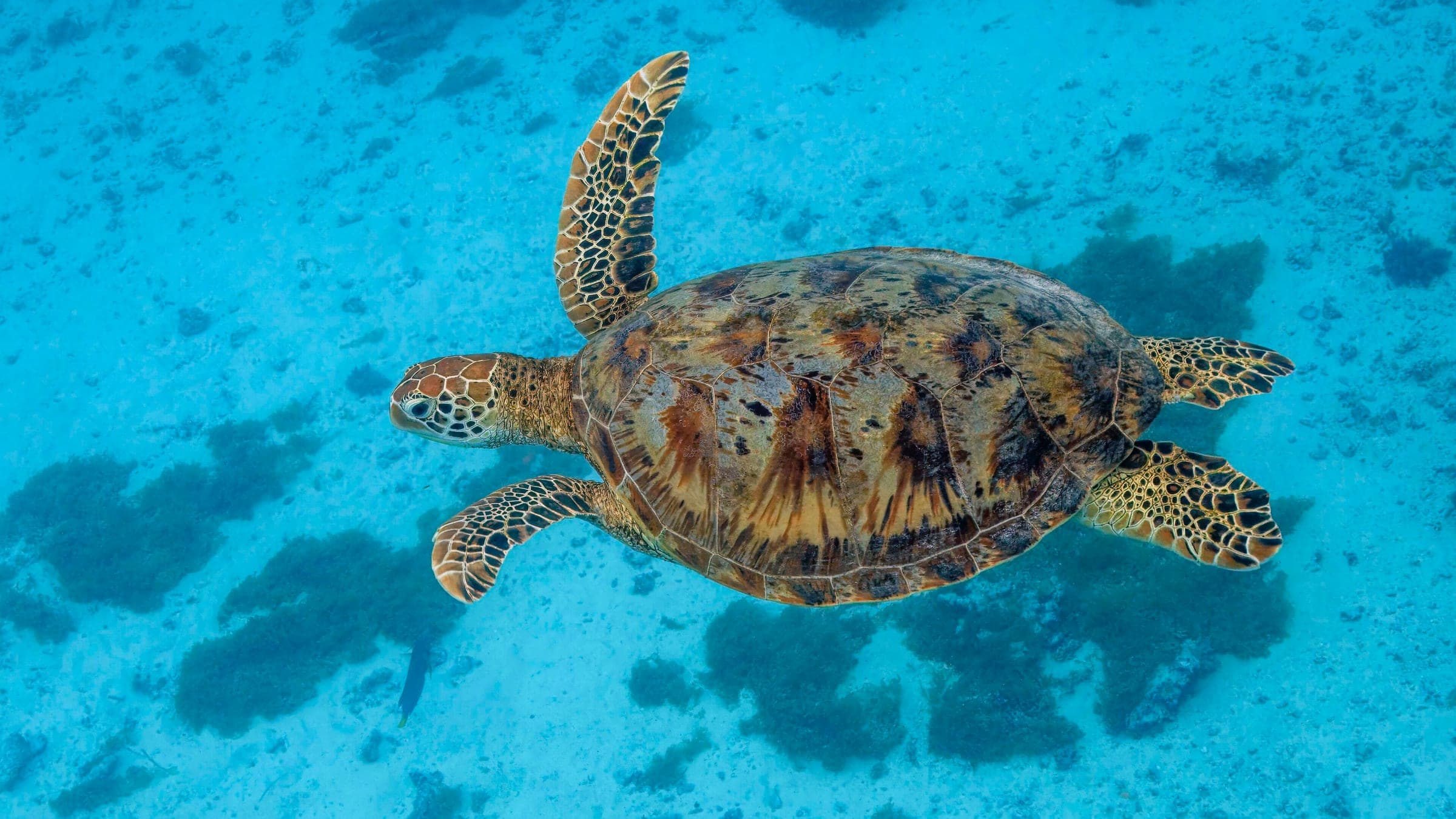
Top species linked to approved dive spots in Placencia.
Share what the whole destination was like. Once enough independent reviews are approved, DiveJourney publishes anonymous patterns, not reviewer profiles.
Quick shortlist before you jump into the full planning page.
DiveJourney destination guides are living documents built from local knowledge, operator experience, and publicly available sources. Conditions, regulations, and logistics can change. Each guide shows its last update date and sources used.
Last updated: March 25, 2026 • 20 sources
If destination data is inaccurate, stale, missing, or sourced poorly, send a factual correction. This is separate from anonymous destination reviews.
Placencia Airport keeps the peninsula practical for short stays, camera-heavy itineraries, and travelers who want to avoid a full overland transfer.
Trip Planning
External Booking PartnerThis destination works either as a land-based plan or as a longer liveaboard itinerary. Use the guide for local planning, or compare boats if the remote circuit is the priority.
Land-based guide
Base areas, day boats, local operators, and shore logistics
Liveaboard planning
Boats, departures, and longer expedition-style routes
DiveJourney may earn referral revenue from the external booking partner. Liveaboard bookings are handled by the partner and operator under their terms.
1 linked spots
Best time to go
February to May
Drier weather, warm sea around 28°C to 29°C, and the easiest mix of reef days plus inland excursions
Main caution: Wetter season with higher storm disruption risk and more weathersensitive boat schedules