marineconservationcambodia.org · Official Or Research
Community zoning map identifies Vietnamese Bay as a reef/mangrove area with diving allowed and anchoring restricted.
Sheltered Cambodia muck-and-reef dive near M’Pai Bay.
Sheltered Cambodia muck-and-reef dive near M’Pai Bay.
Local guidance helps with site-finding, protected-area rules and changing bay conditions.
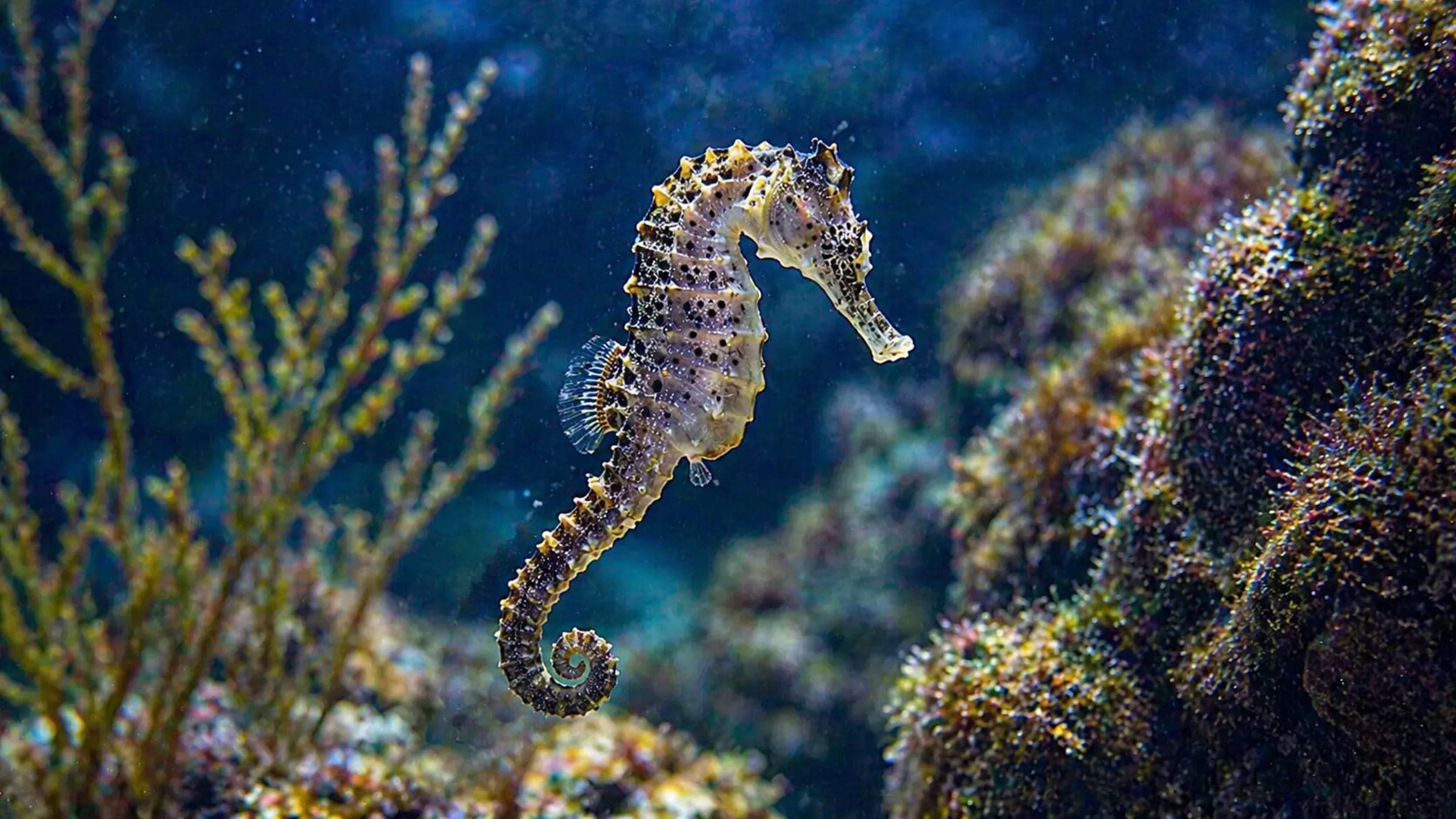
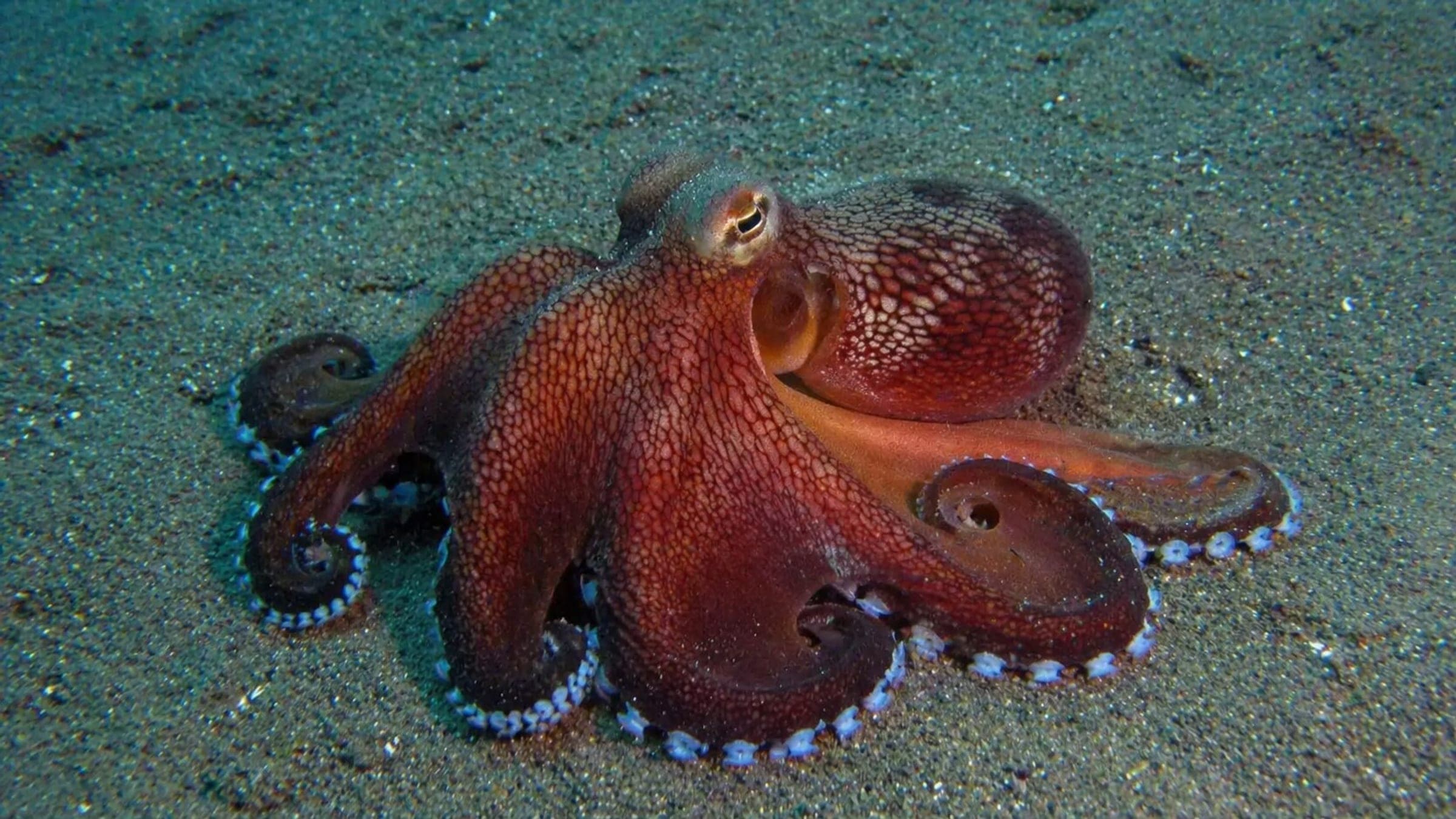
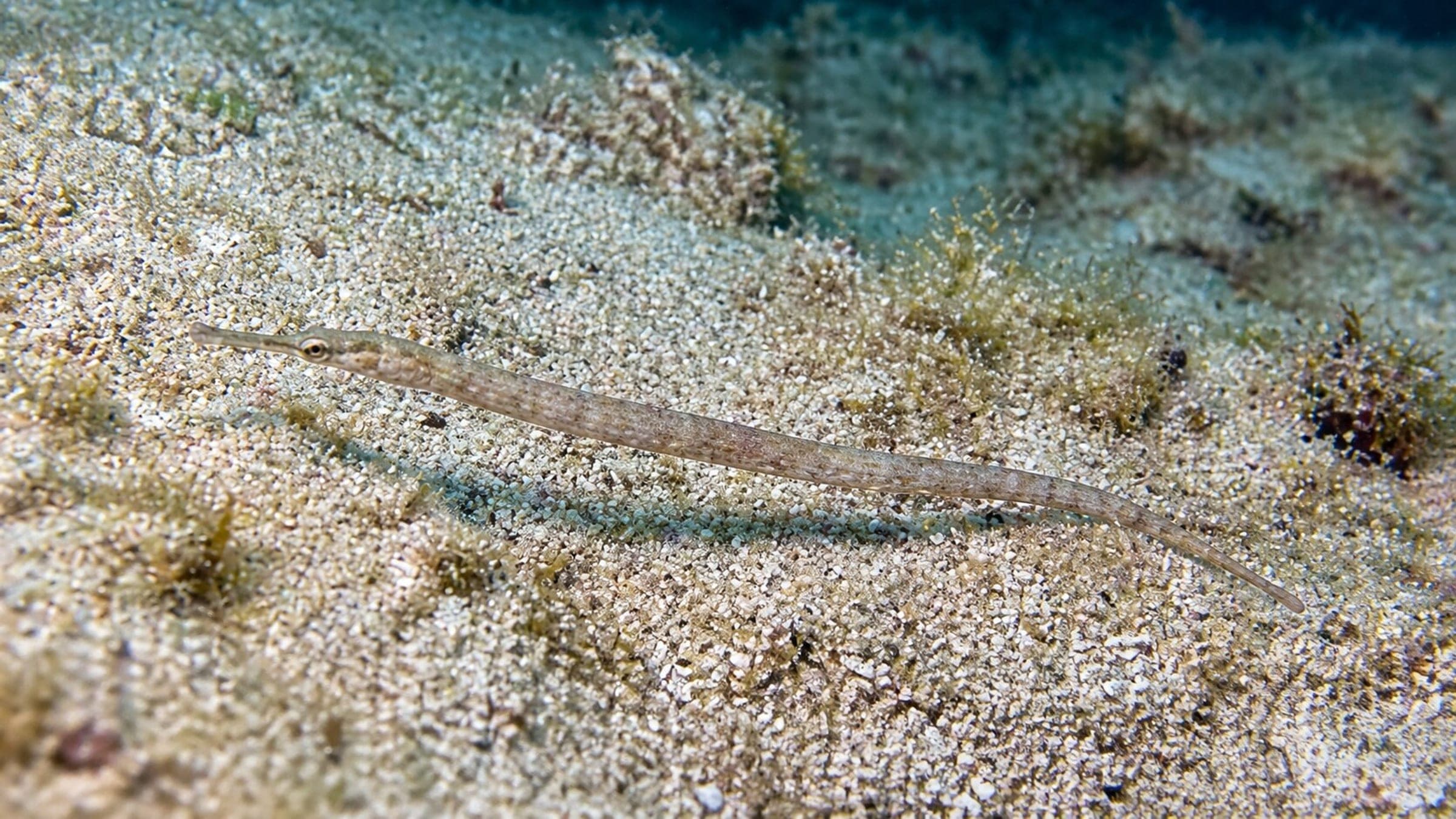
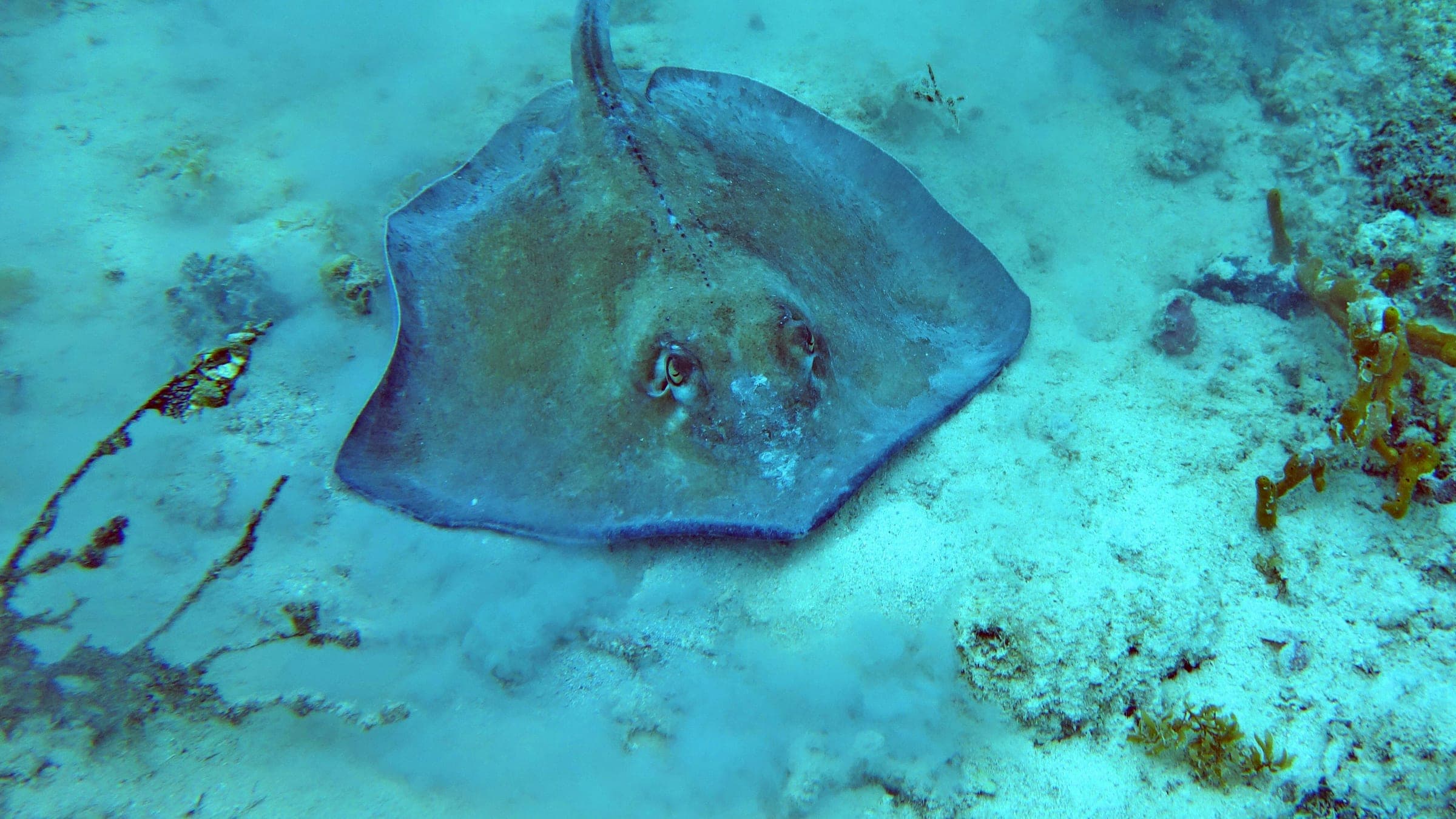
Vietnamese Bay is a sheltered muck-and-reef site near M’Pai Bay in Cambodia, where sand flats, reef patches and mangrove-edge habitat sit close together. The dive is more of a slow search than a big-structure route, so patient buoyancy matters. It suits a local-guided approach because the bay is protected and the character of the site changes with conditions. Expect small critters, seahorses, pipefish and other macro life rather than one headline feature.
Conservative baseline from public research. No community dives logged yet.
Depth range, seasonality, and planning context.
Reported Depth
0m - 13m
Depth Note
Shallow bay muck-and-reef site with a reported maximum depth of about 13 m / 42 ft.
Best Season
Year-round, with calmer windows offering the easiest conditions.
Typical Conditions
Sheltered bay conditions with sand-and-reef terrain; current and visibility can change across the site.
Site conditions, restrictions, and access requirements.
Site Conditions
Safety Notes
Treat the bay as a protected site, keep fins off the bottom, and follow local rules for access, anchoring and wildlife protection.
Access Restrictions
Community protected-fishing area rules apply; use local access points and avoid anchoring on the reef.
Legal Notes
Diving and snorkeling are allowed inside the managed zone, but anchoring and habitat damage are restricted.
Community notes to help plan your visit.
Scuba Diving
A slow macro-oriented dive with sand flats, reef patches and sheltered habitat edges.
Freediving
Not a primary freedive target; the site is better suited to relaxed scuba or very controlled shallow practice.
Snorkeling
Snorkeling may work in the shallow bay area, but the site is primarily planned as a scuba macro dive.
Species commonly reported at this site, with direct links into their wildlife guides.
Community dive logs and visit reports for this site.
Average conditions based on logged dives & visits.
Planning answers for access, conditions, timing, and site logistics.
Last Updated
Research Sources
Community zoning map identifies Vietnamese Bay as a reef/mangrove area with diving allowed and anchoring restricted.
Vietnamese Bay is described as a sheltered muck-and-reef site with strong macro life and highly variable current.
Know this site? Improve Spot Details.

Sheltered Koh Rong reef with easy island diving
Muck and night-diving bay on Koh Rong Samloem.
Sheltered beach-entry reef for relaxed training dives.
Mooring-buoy reef with fishy current breaks.
Macro-rich reef with large coral-covered rocks.