dingle-peninsula.ie · Official Tourism
Dingle Peninsula diving overview, year-round diving, and regional temperate species.
Cliff-lined gully dive with caves, walls, and fish life.
Cliff-lined gully dive with caves, walls, and fish life.
Use a local boat operator who can judge swell, tide, and route choice for the day.
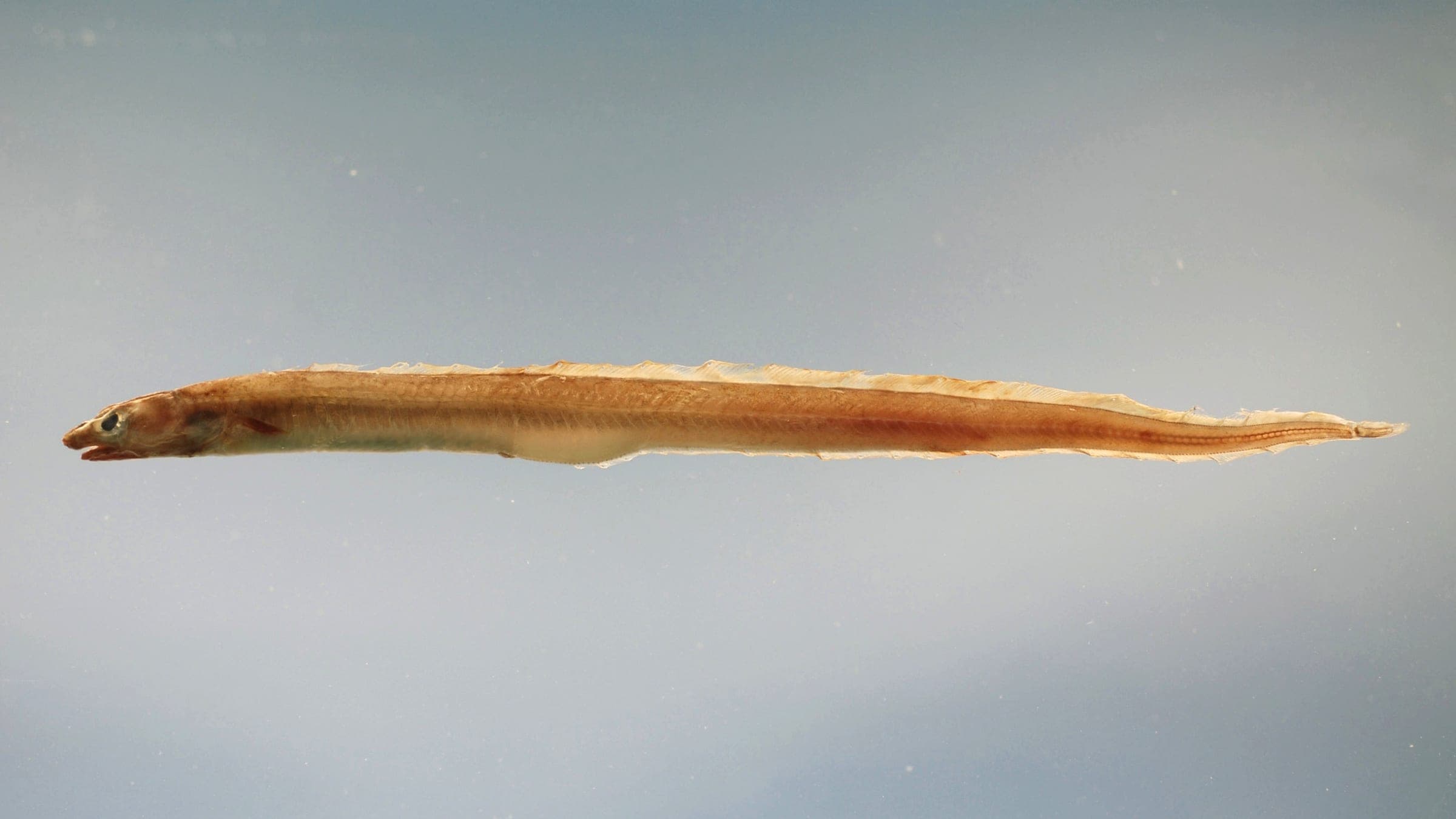
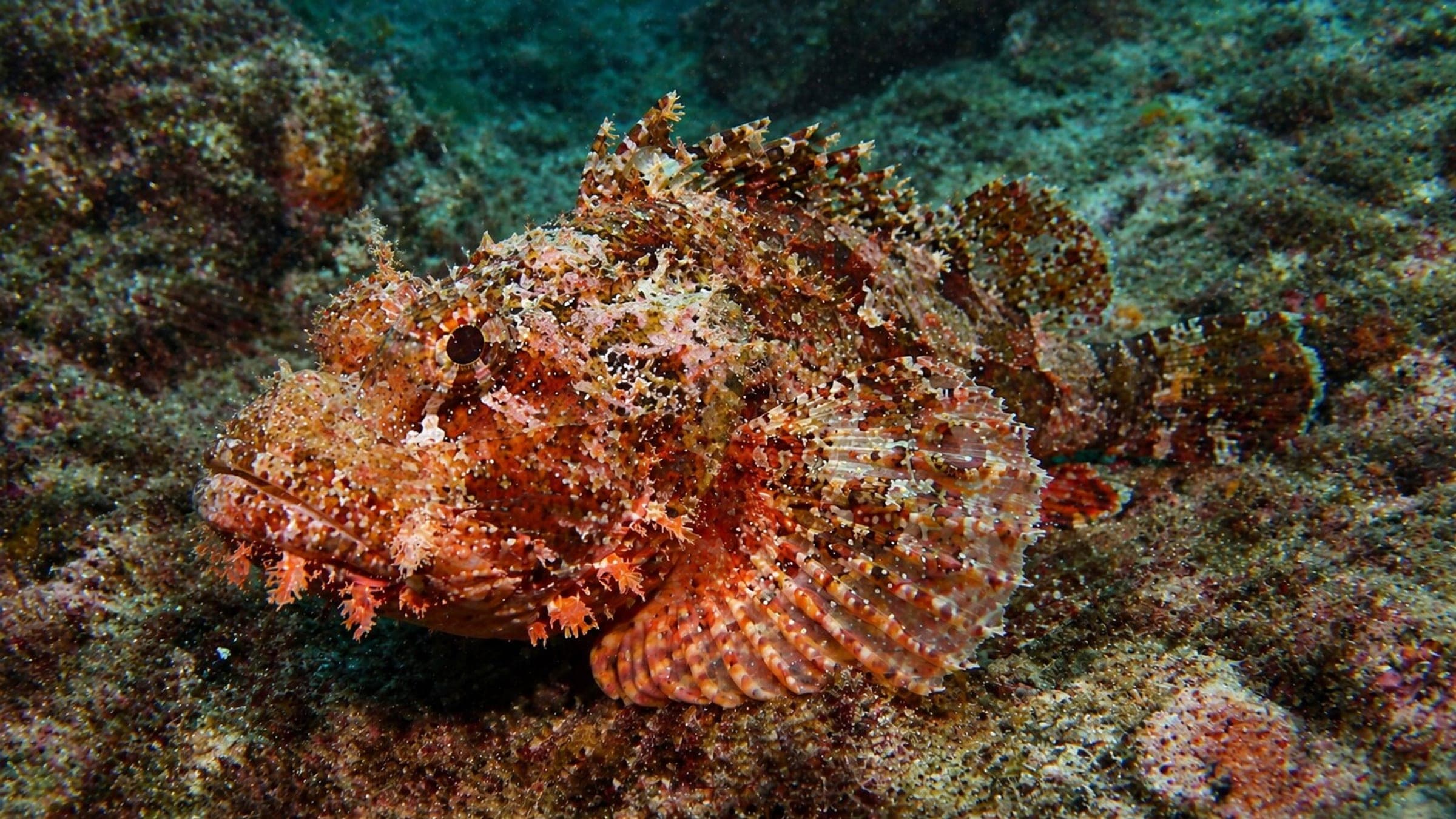
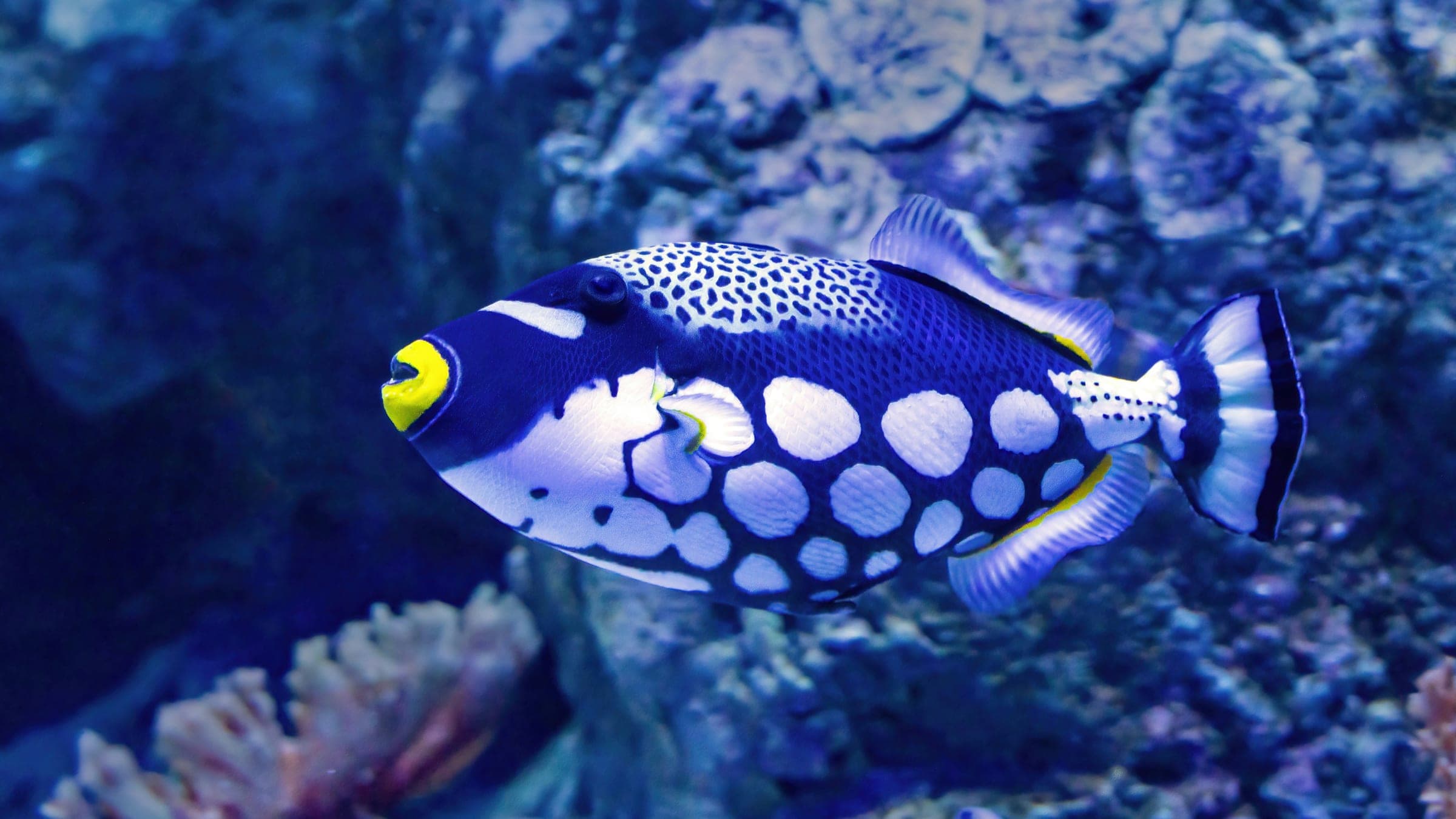
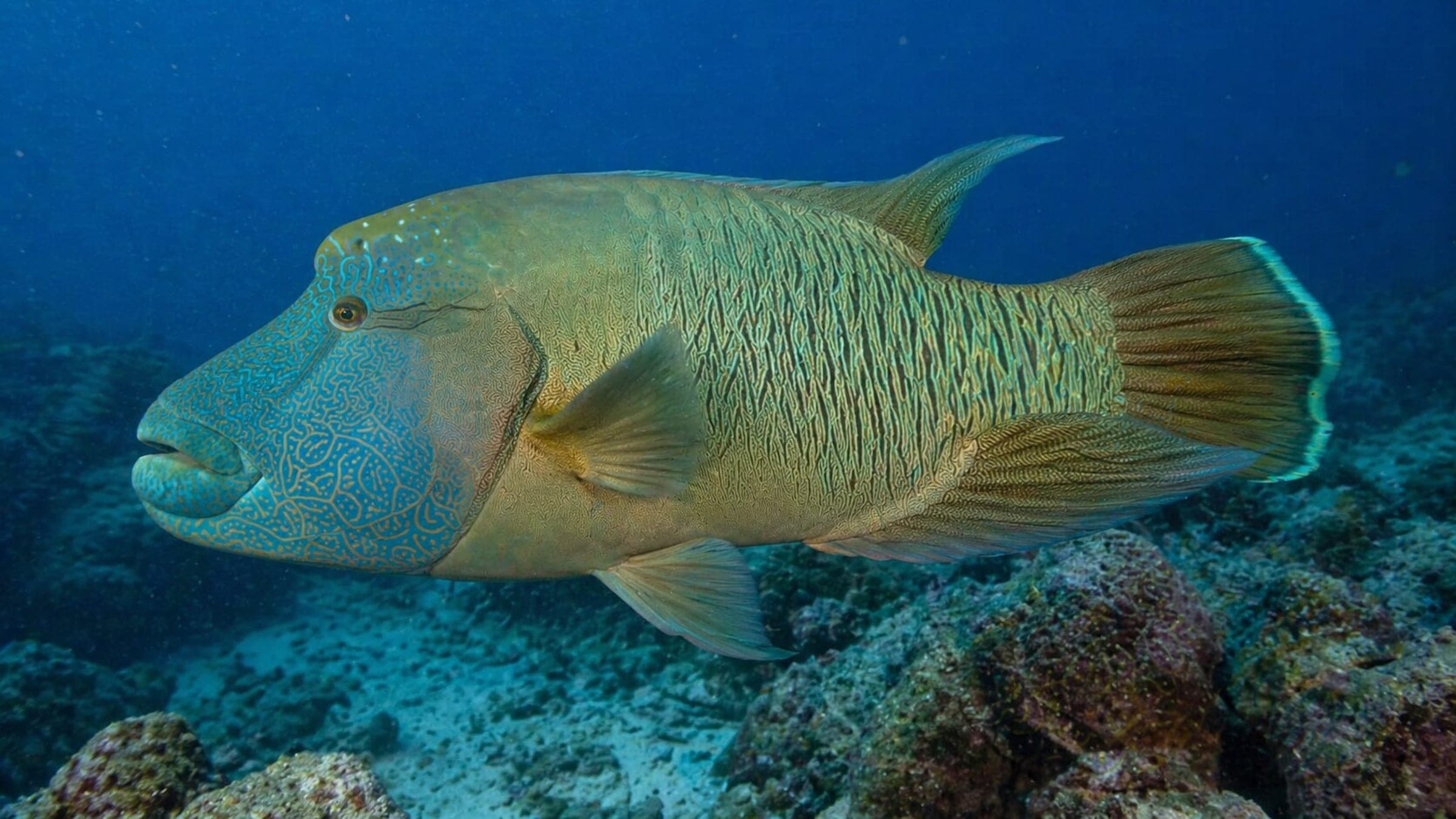
THE GULLY is a narrow Atlantic gully on the Dingle Peninsula with cliff walls, cave mouths, and ledges that hold steady cold-water life. Divers work the rock faces and inner run for wrasse, conger, scorpionfish, triggerfish, and other temperate residents. It is a weather-sensitive boat dive: keep clear of the overhead pockets when swell picks up and plan on a conservative, calm-day route. Best for divers who want rocky terrain and strong marine life rather than an easy scenic cruise.
Conservative baseline from public research. No community dives logged yet.
Depth range, seasonality, and planning context.
Reported Depth
8m - 20m
Depth Note
Shallow-to-mid-depth rocky gully with the outer section in the low twenties and the inner route staying shallower.
Best Season
Year-round, with late spring through early autumn usually the easiest window for calmer seas and milder water.
Typical Conditions
Temperate Atlantic water, rocky walls, narrow gully sections, and visibility that can swing with wind and swell. The route feels most comfortable on settled days with little surge.
Site conditions, restrictions, and access requirements.
Site Conditions
Safety Notes
Do not enter dark cave mouths or tight overhead pockets when swell is running. Hold position on the rock face, keep buoyancy tight, and leave if the gully starts to pulse.
Access Restrictions
Best approached as a local boat dive rather than a casual shore entry. Route choice should follow tide, swell, and skipper judgment.
Legal Notes
Follow local access rules and skipper guidance; overhead pockets are not appropriate when swell is present.
Community notes to help plan your visit.
Scuba Diving
Best for divers comfortable in cold water and rocky terrain. Treat the cave mouths as no-go features, maintain a conservative line along the gully, and turn the dive early if swell starts to move the water.
Species commonly reported at this site, with direct links into their wildlife guides.
Community dive logs and visit reports for this site.
Average conditions based on logged dives & visits.
Planning answers for access, conditions, timing, and site logistics.
Last Updated
Research Sources
Dingle Peninsula diving overview, year-round diving, and regional temperate species.
Independent Maharees guide with gully terrain, boat access, small-drift wording, and local marine life.
Maharees and Brandon Bay setting, rugged Atlantic coast, and regular dive trips around the islands.
Know this site? Improve Spot Details.
Kelp-wall drift in the Maharees.
Ridge dive with big holes, walls and tucked-in life.
Sheltered Kerry boat dive with gullies and life.
Kelp-gully dive with small-life detail.
Shallow shore dive on the sandy bottom of Scraggane Bay
Bridges of Ross is a rugged shore dive with arches and gullies.