dawid-vandermerwe-madagascat.squarespace.com · Regional Guide Pdf
Madagascar dive-guide PDF with season and crowding notes.
Madagascar · Nosy Be and Nearby Islands
Sakatia Reef is a calm Nosy Sakatia macro reef dive.
Sakatia Reef is a calm Nosy Sakatia macro reef dive.
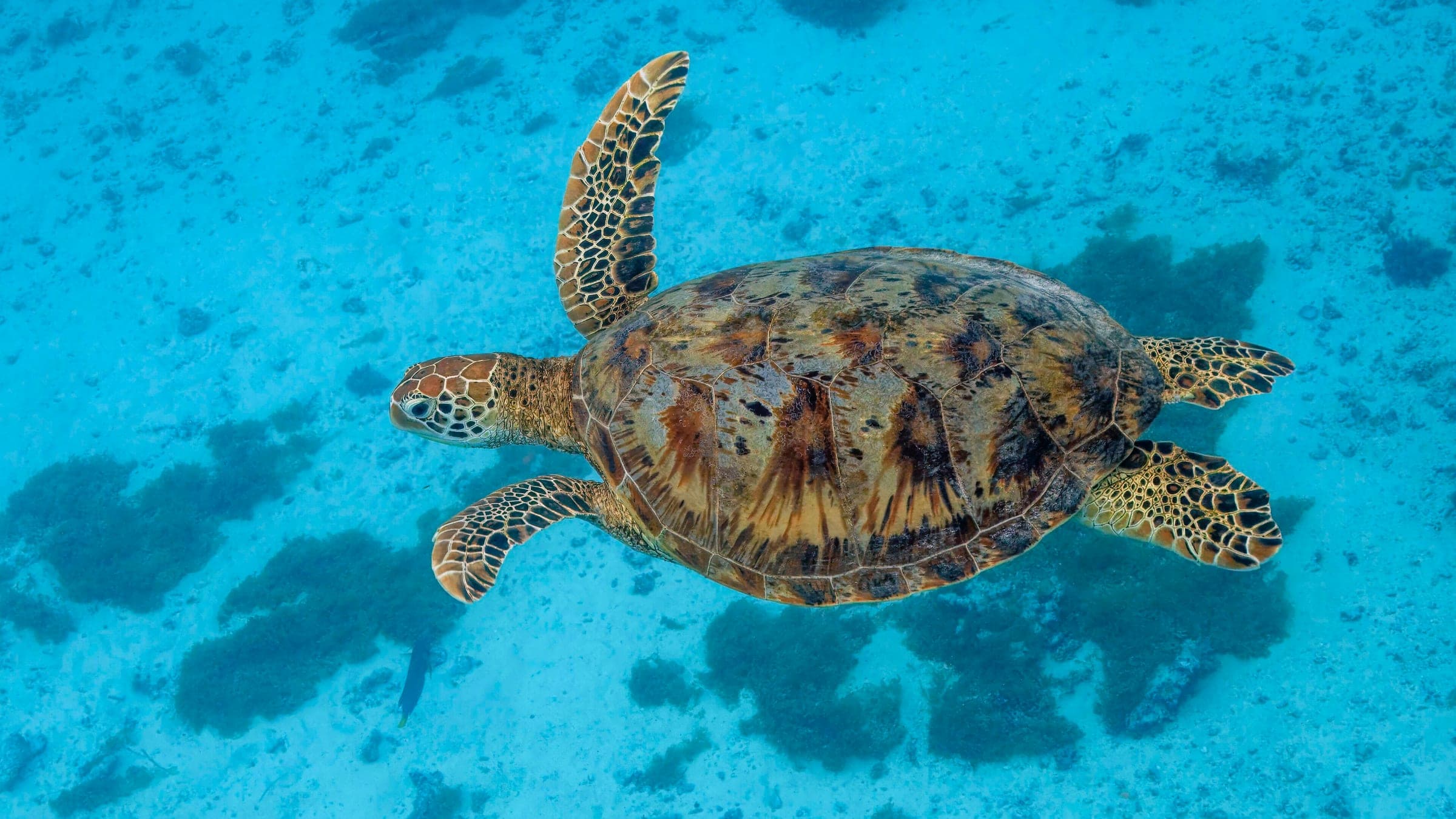
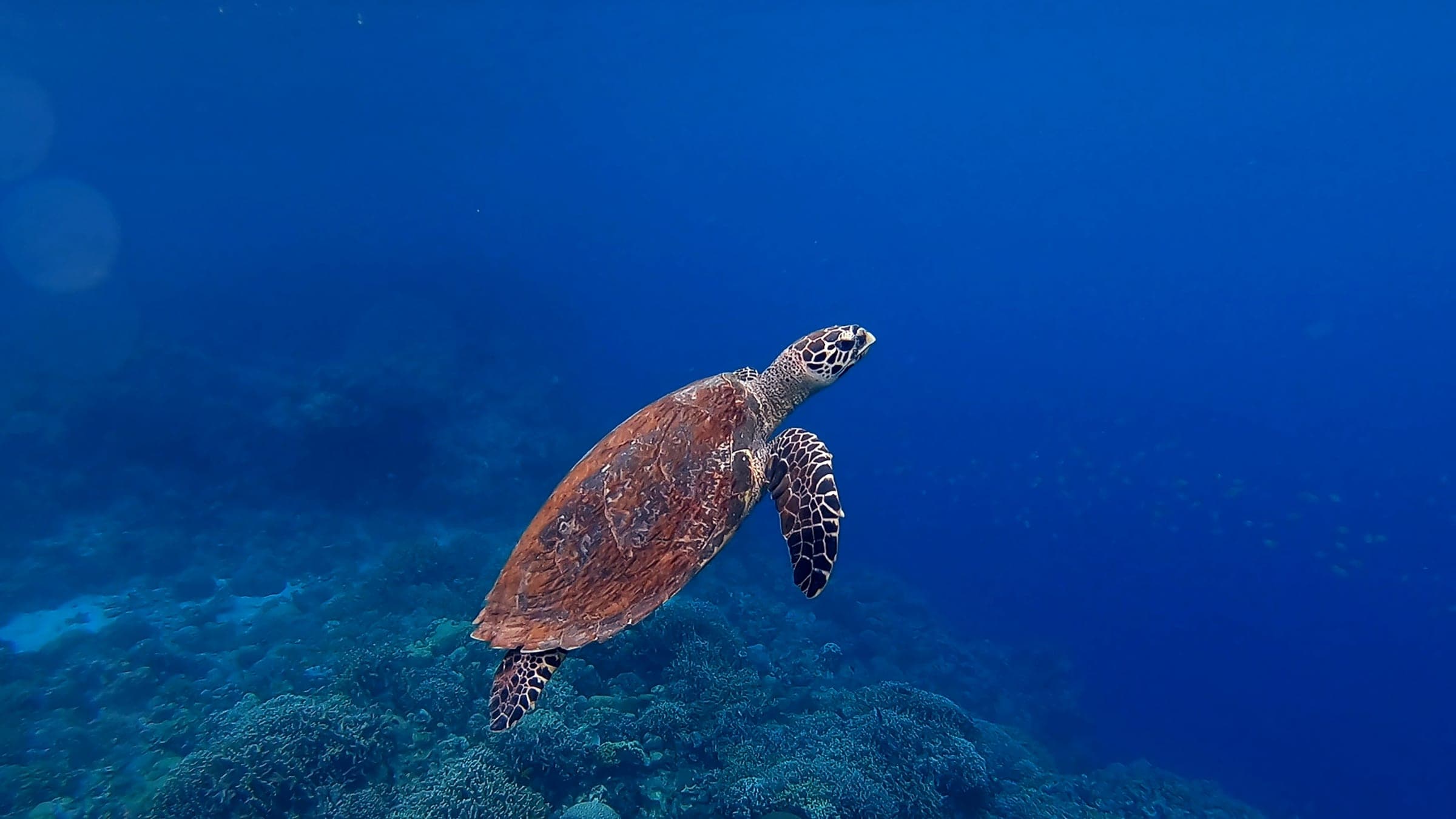
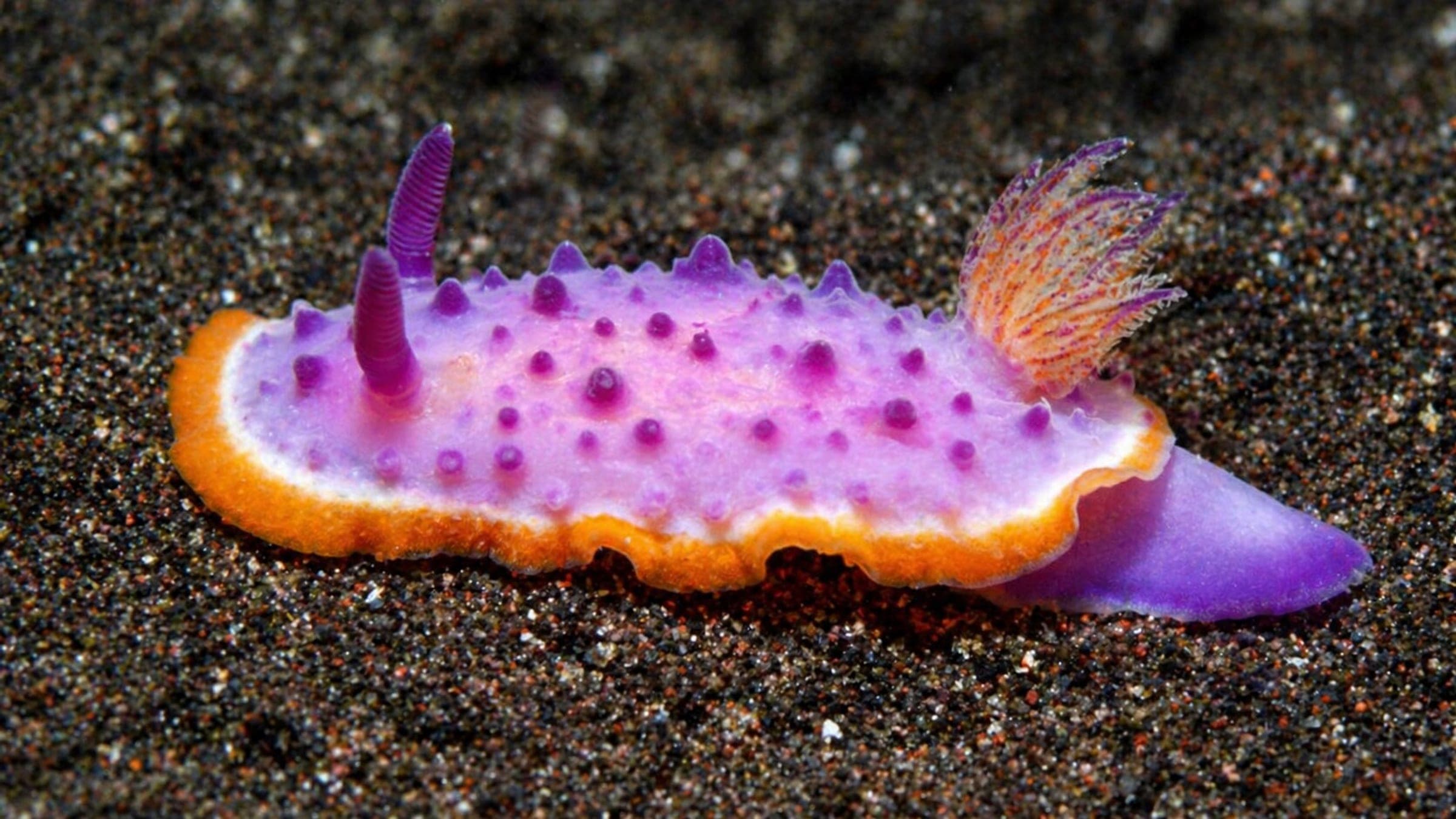
Sakatia Reef is a calm Nosy Sakatia boat dive with easy lodge access and a macro-friendly reef profile. The site rewards slow looking, with coral mounds, rock, and seagrass hiding nudibranchs, crustaceans, and other small creatures while turtles and bigger reef life show up across the wider site. It is a relaxed dive that works well for beginners and underwater photographers.
Site Conditions
Safety Notes
Keep an eye on coral contact and follow the lodge briefing when moving around the reef top. The site is calm, but it is still a live reef inside a managed island setting.
Access Restrictions
Boat access through the lodge; Nosy Sakatia is roadless and the reef sits inside a protected island ecosystem.
Legal Notes
Nosy Sakatia is protected and classified, so follow lodge guidance and local conservation rules.
Community notes to help plan your visit.
Scuba Diving
Suitable for all levels, with dives described down to at least 15 m.
Freediving
Calm water and a shallow reef profile make it comfortable for relaxed freediving and underwater photography on quiet days.
Snorkeling
The island and nearby house reef also support calm-water snorkeling, with turtles commonly seen around the shallows.
Species commonly reported at this site, with direct links into their wildlife guides.
Research estimate
Research estimate
Research estimate
Research estimate
Research estimate
Research estimate
Last Updated
Research Sources
Madagascar dive-guide PDF with season and crowding notes.
Nosy Be tourism page on Nosy Sakatia.
Snorkel and turtle guide for Nosy Sakatia.
Local Madagascar operator page with current and surge context.
Official Sakatia Lodge dive page.
Madagascar dive travel page mentioning Sakatia Reef.
Nosy Be macro reef with soft coral and current.
Sakatia: sheltered reef for turtles and macro.
Nosy Sakatia plateau dive with coral formations and drift.