travelaroundthephilippines.com · Travel Editorial
Panglao diving conditions, season, visibility, and water temperature data
Panglao night dive rich with frogfish, ghost pipefish, and cryptic critters.
Panglao night dive rich with frogfish, ghost pipefish, and cryptic critters.
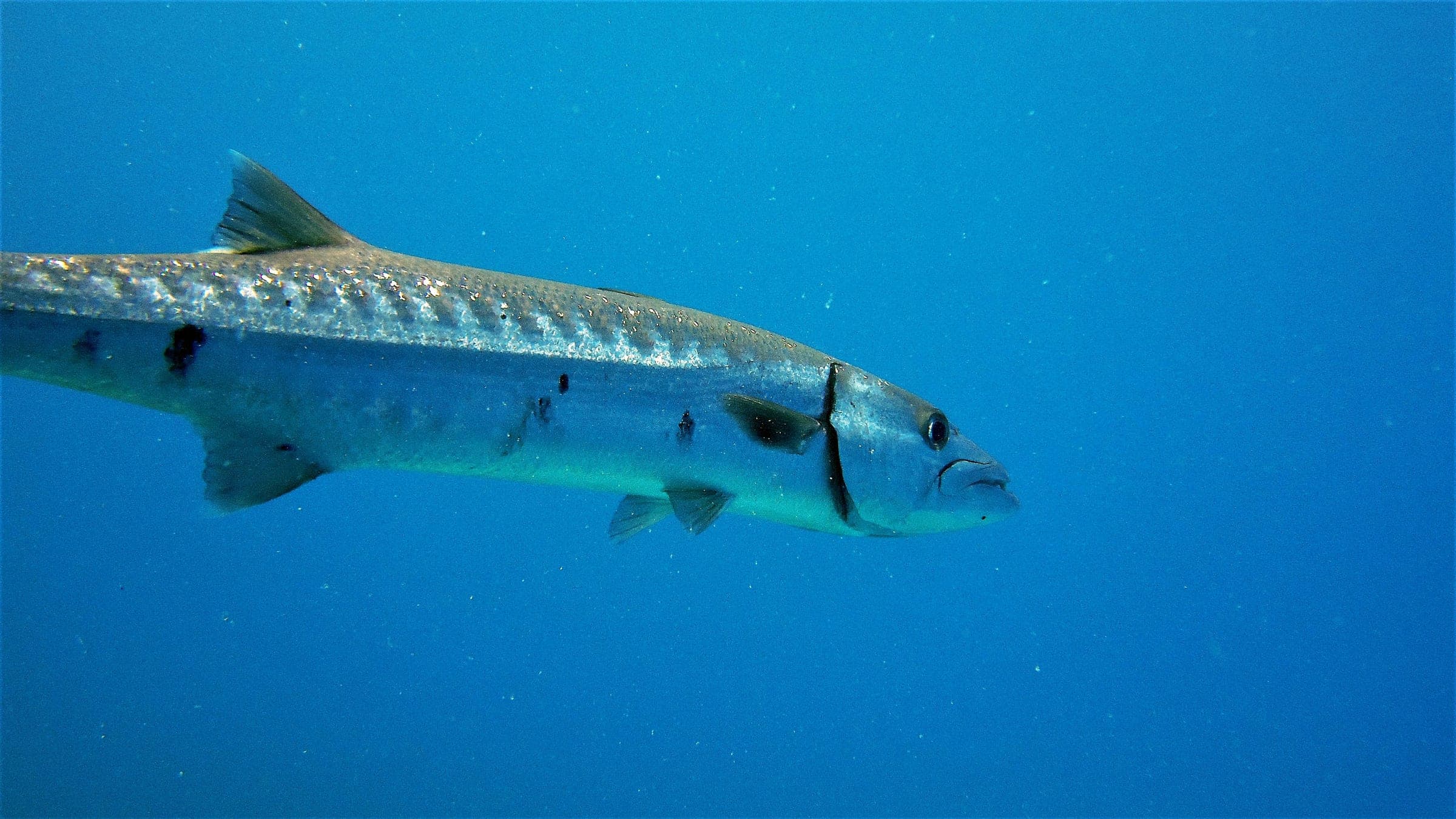
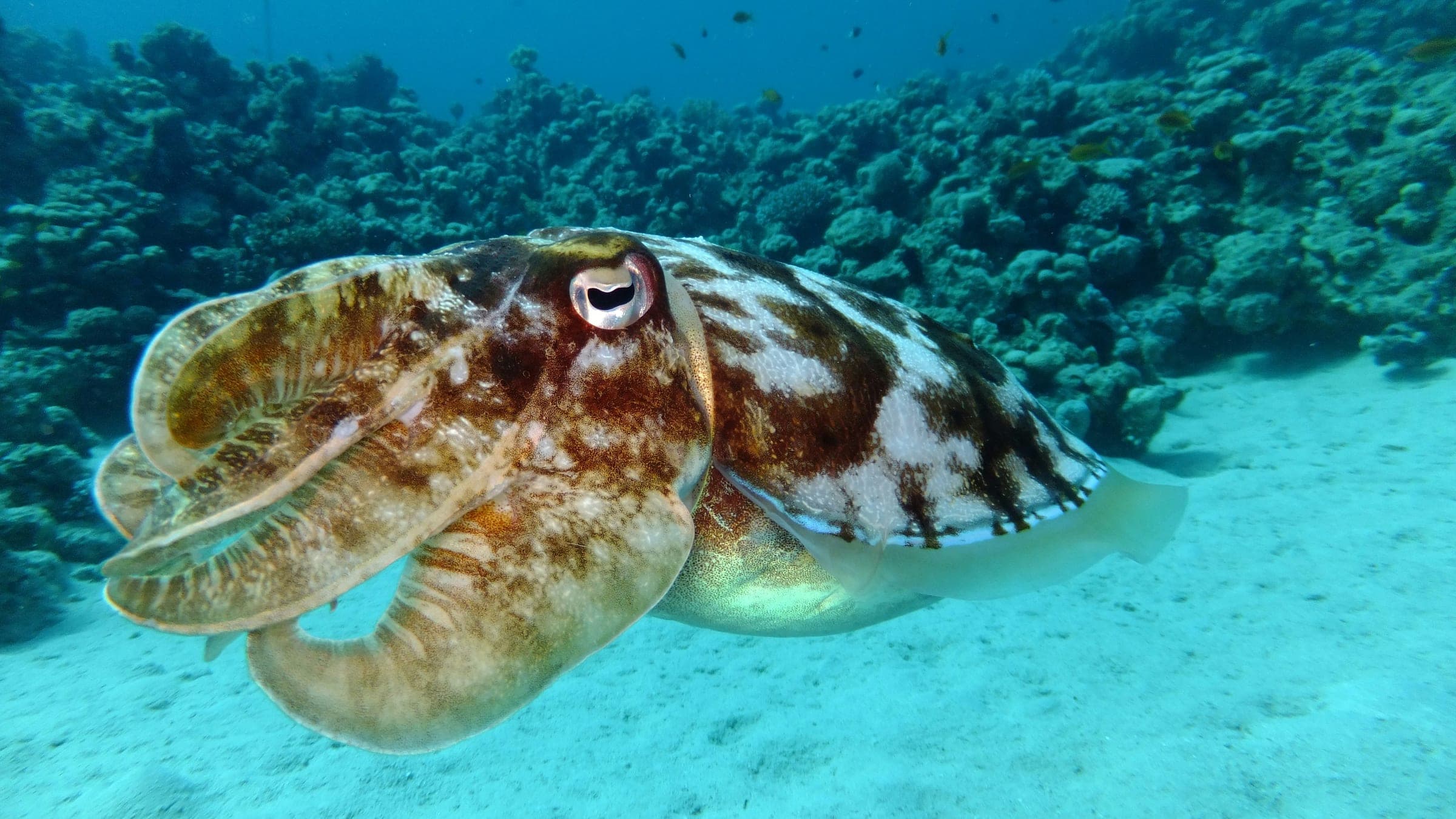
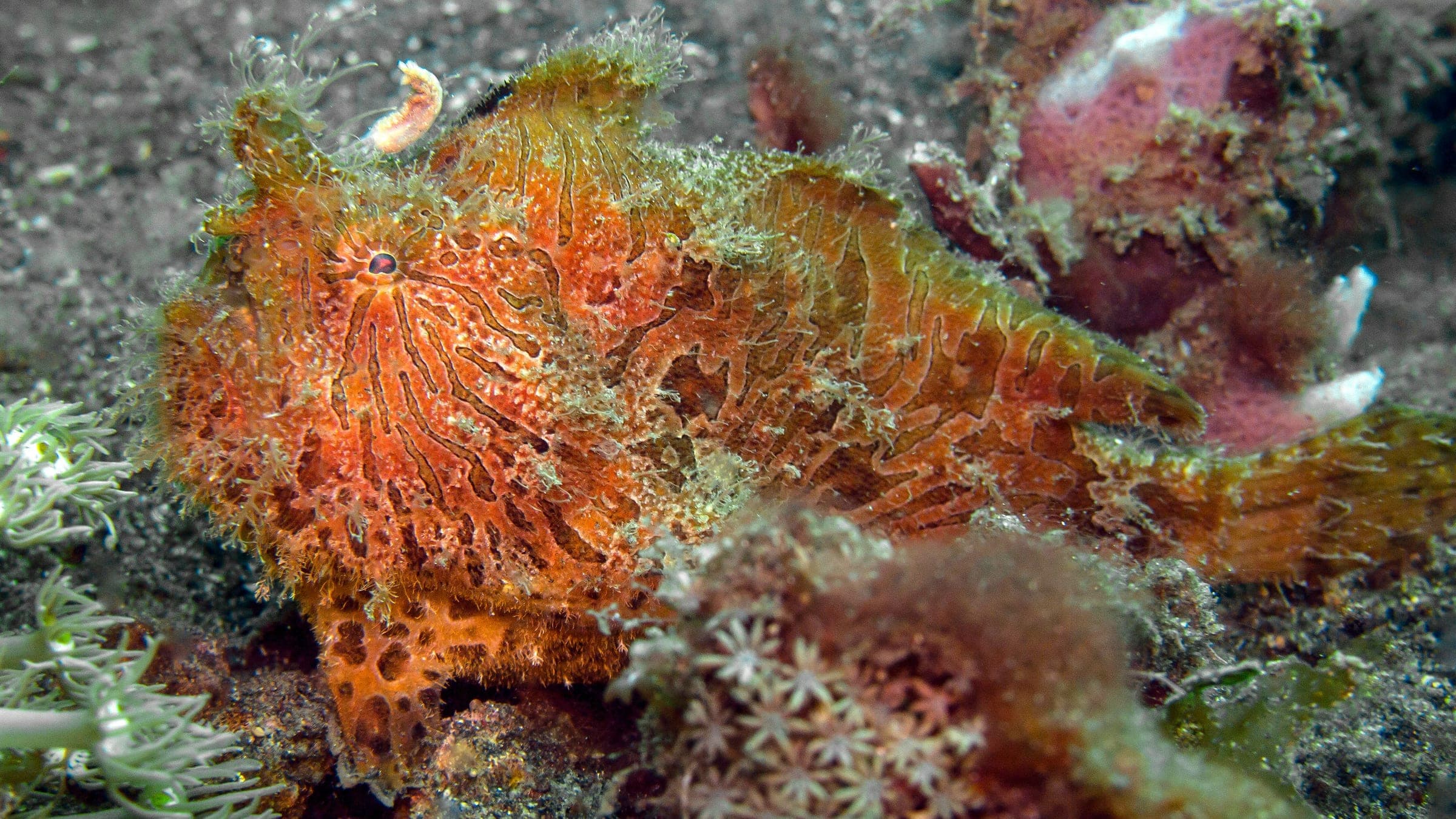
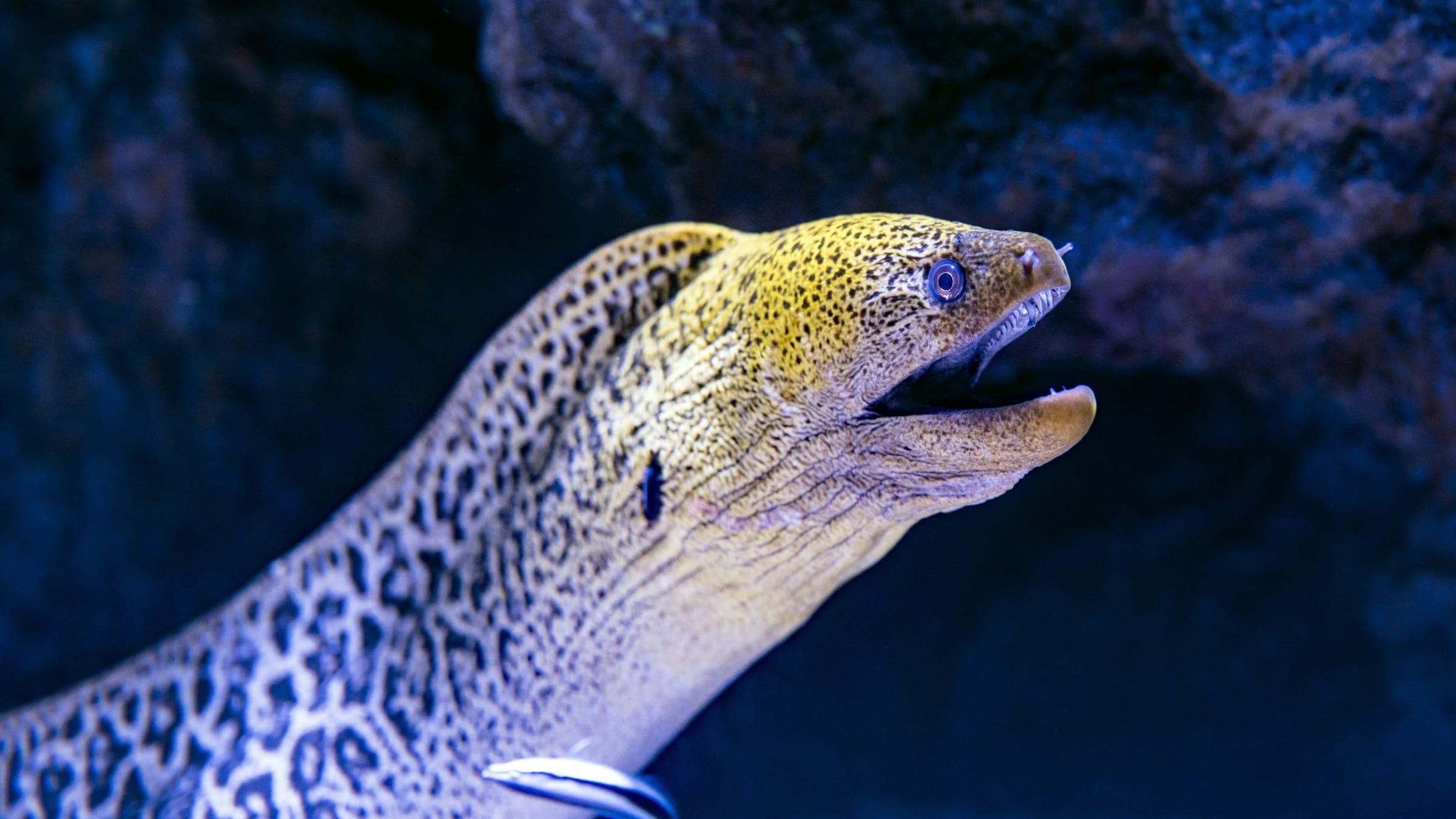
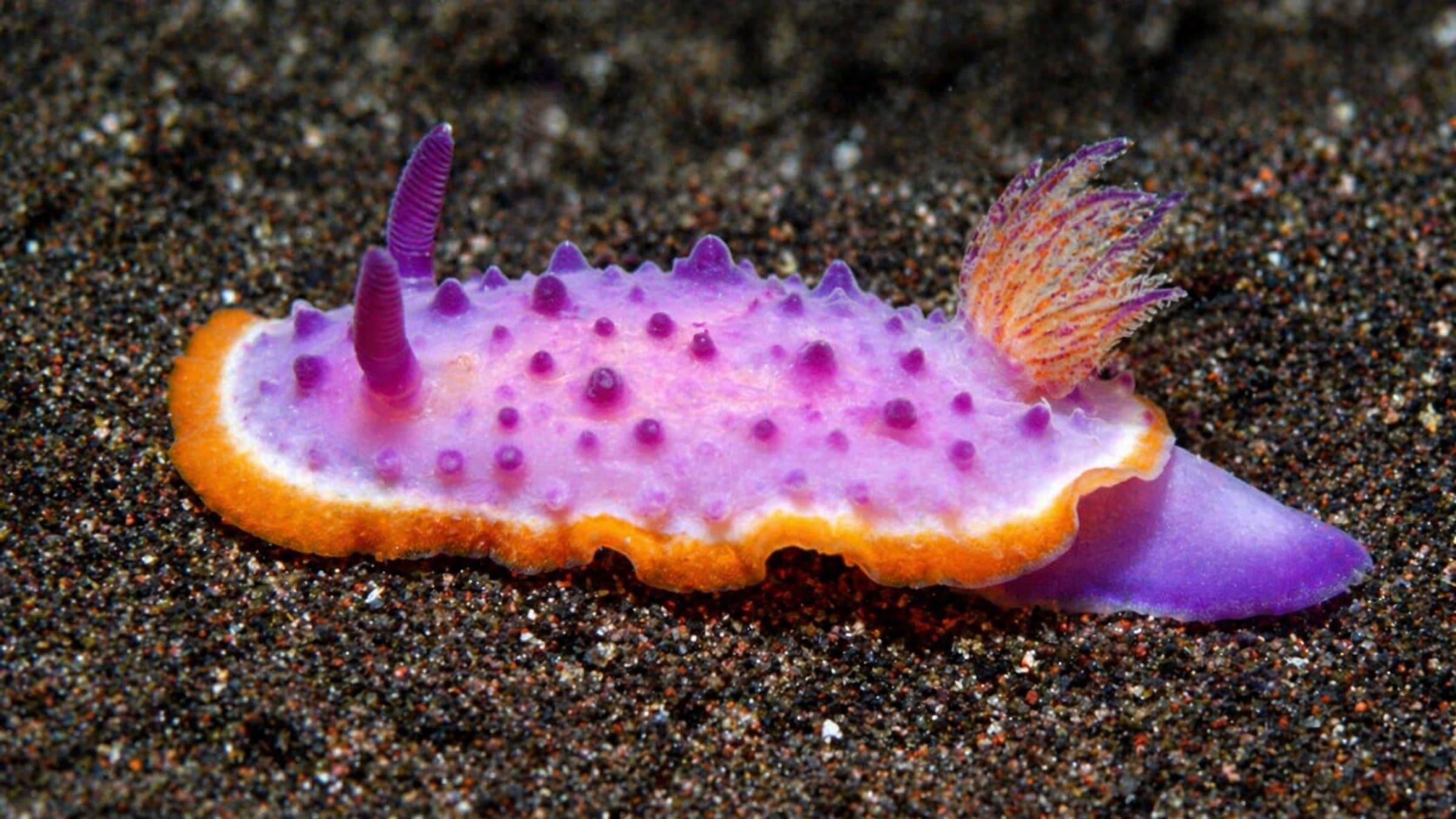
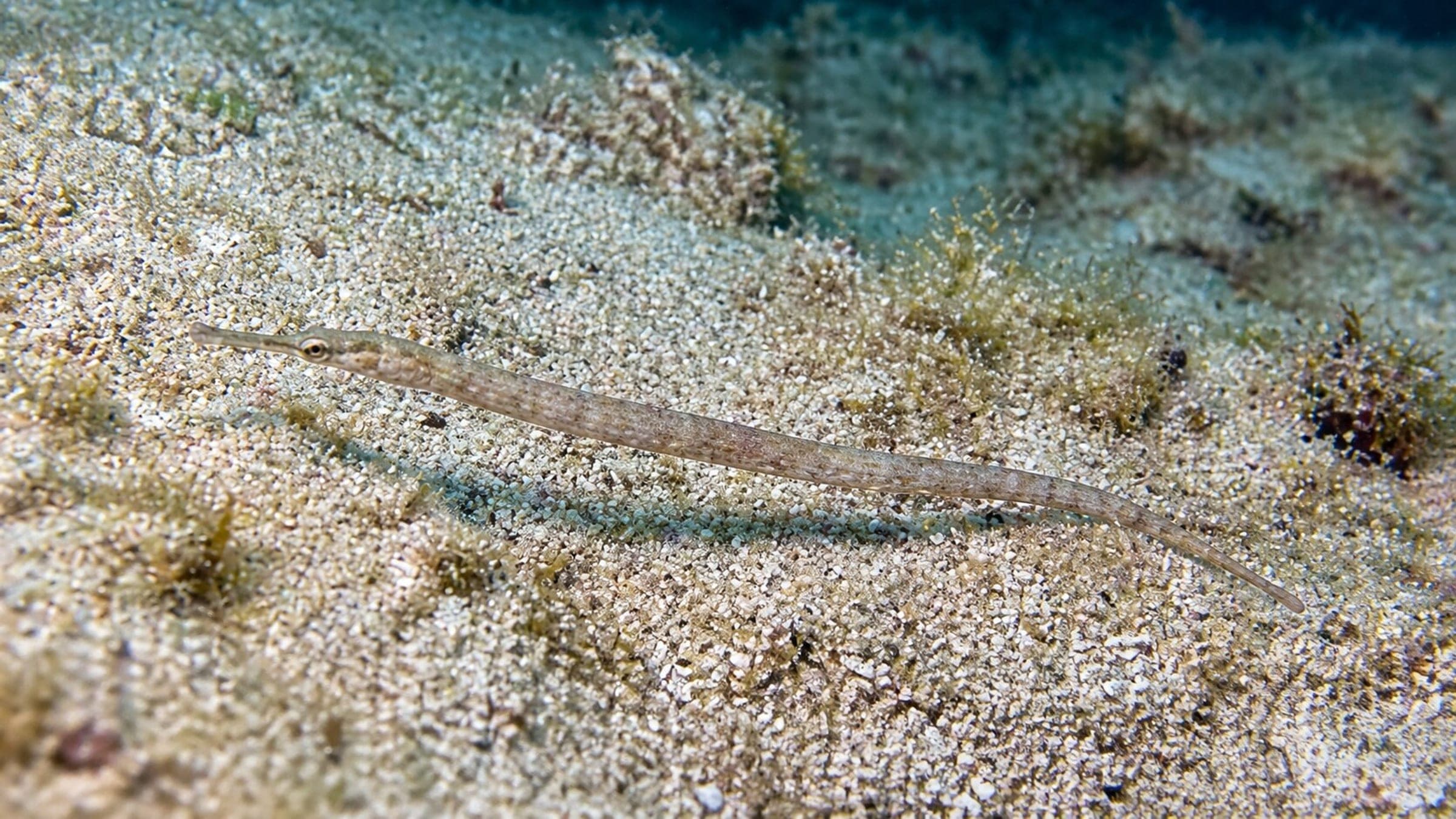
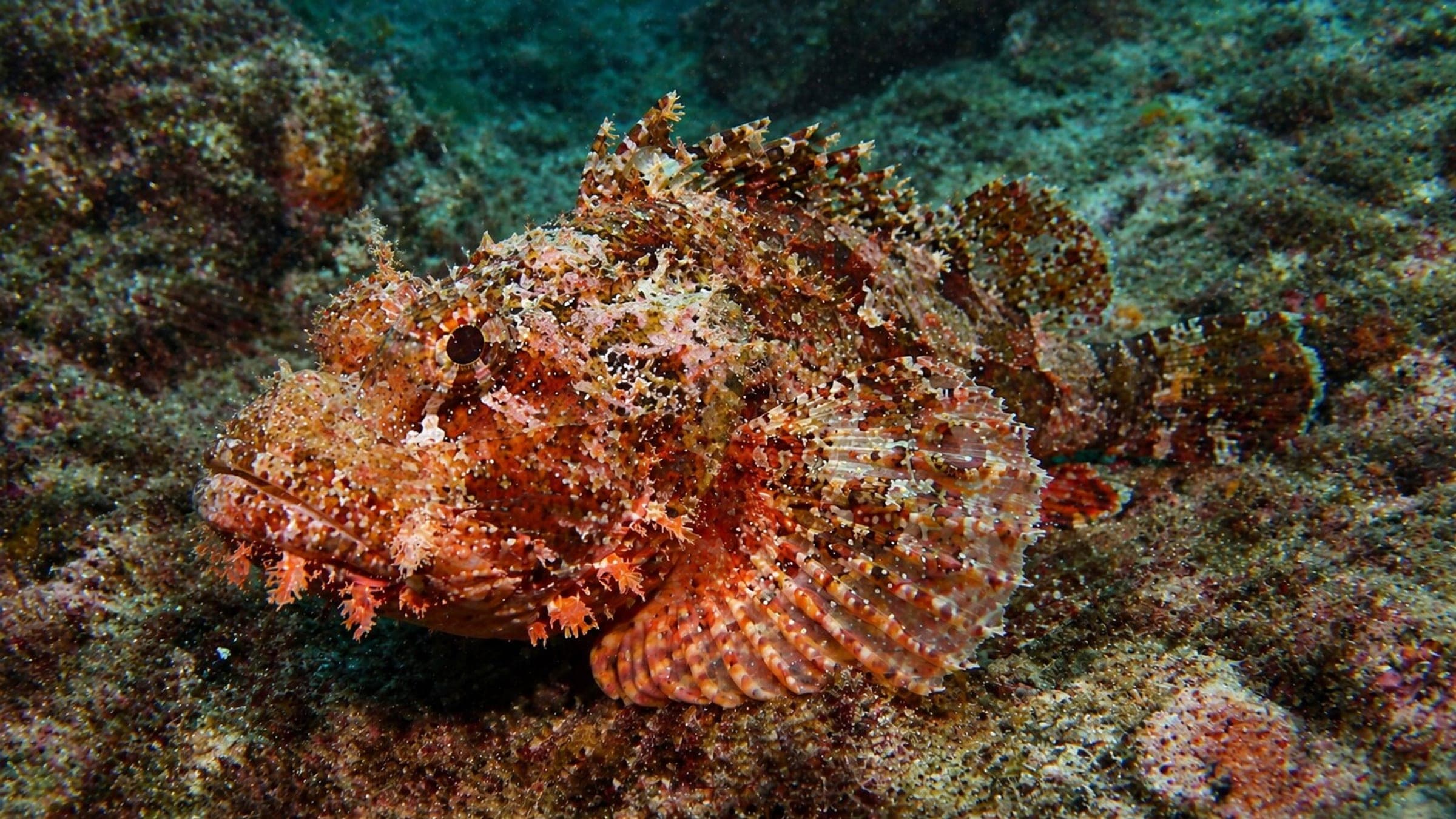
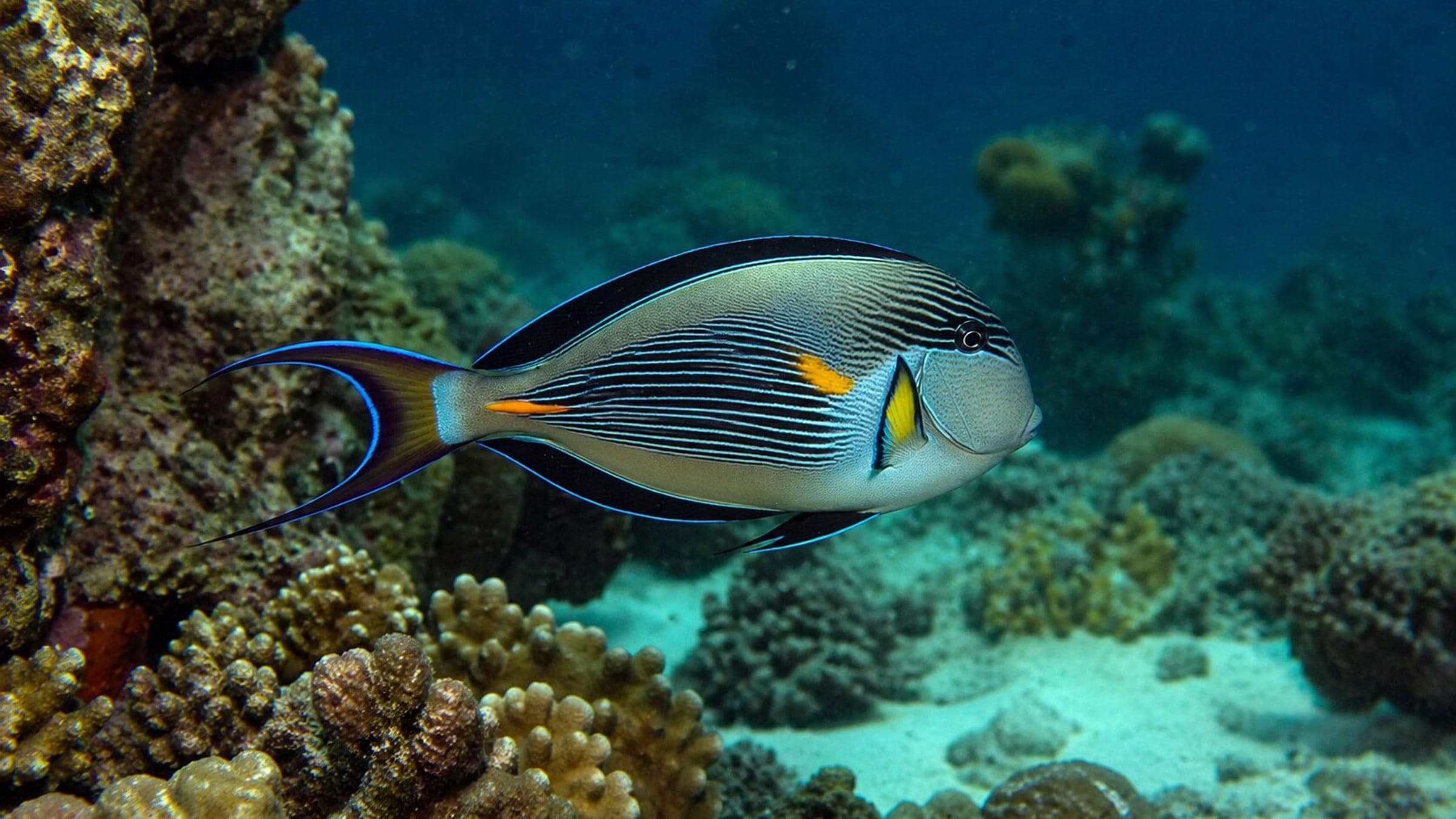
Tawala Sanctuary sits just offshore from Alona Beach on Panglao Island, a gradual reef slope that was once an outstanding coral garden of Acropora and table corals. Typhoon damage in 2012 left the reef with significant broken coral, and it is still in recovery, but the fractured substrate has become excellent habitat for cryptic and camouflage species that are the site's main draw today. The sanctuary is most productive on night dives when activity levels peak, bringing out nudibranchs, ghost pipefish, frogfish, and abundant crustaceans across the slope. During the day the wall sections hold surgeonfish and yellowtail barracuda, and cuttlefish and moray eels occupy the crevices. The shallow depth and calm conditions make it well suited to beginner divers and those building comfort on their first dives, and the macro diversity makes it a favourite for underwater photographers.
Conservative baseline from public research. No community dives logged yet.
Depth range, seasonality, and planning context.
Reported Depth
3m - 25m
Depth Note
Wall sections begin at approximately 3m and slope to 18-25m; submarine terraces at around 12m. Multiple sources cite 5-20m or 5-25m as the practical dive range.
Best Season
Diving is possible year-round around Panglao Island. The dry season from October through May offers the best visibility and calmest conditions. The rainy season from June through September is still diveable but visibility is typically lower and occasional rain can affect surface conditions. Water temperature stays 26-29C throughout the year.
Typical Conditions
Calm and sheltered near-shore site with minimal current. Water temperature 26-29C. Visibility typically 15-25m in dry season, 10-20m in rainy season. Night diving conditions are particularly productive for the marine life.
Site conditions, restrictions, and access requirements.
Site Conditions
Safety Notes
Boat traffic around Alona Beach and the nearby sanctuary zone requires good buoyancy control and a safety buoy on ascent. Night diving requires a torch and buddy discipline given the low ambient light and cryptic nature of the site's main attractions.
Legal Notes
Tawala Sanctuary is a protected marine sanctuary area near Panglao. Divers should avoid touching or disturbing the recovering coral substrate and respect any local sanctuary rules communicated by the operator.
Community notes to help plan your visit.
Scuba Diving
Short boat ride from Alona Beach to a mooring; descend to the gradual reef slope and explore toward the wall sections. The broken coral sections are the most productive for frogfish, ghost pipefish, and nudibranchs. Deeper sections below the terraces hold more fish life. Night dives are highly recommended and dramatically increase encounter variety. A torch is essential for finding the site's signature critters.
Species commonly reported at this site, with direct links into their wildlife guides.
Community dive logs and visit reports for this site.
Average conditions based on logged dives & visits.
Planning answers for access, conditions, timing, and site logistics.
Last Updated
Research Sources
Panglao diving conditions, season, visibility, and water temperature data
Local Alona Beach dive centre profile of Tawala Sanctuary
Panglao Island diving overview including Tawala Sanctuary access and character
Bohol dive site directory with Tawala Sanctuary marine life and night dive characterisation
Panglao Island dive sites with Tawala Sanctuary depth and species list
Know this site? Improve Spot Details.
Shallow port reef in Santander with coral and fish life.
Protected Samboan reef with sharks, turtles, and coral.
A Moalboal wall dive with caves, coral, and lively reef life.
Moalboal drift-wall dive with coral, turtles, and heavy marine life.
Moalboal boat dive with coral slope, turtles, and current-aware action.
Moalboal's signature Pescador Island swim-through.