Internal shell (cuttlebone)
A unique internal cuttlebone used to control buoyancy.
Species Guide
A clean field guide focused on habitat, identification, behavior, and conservation context without burying the useful parts.
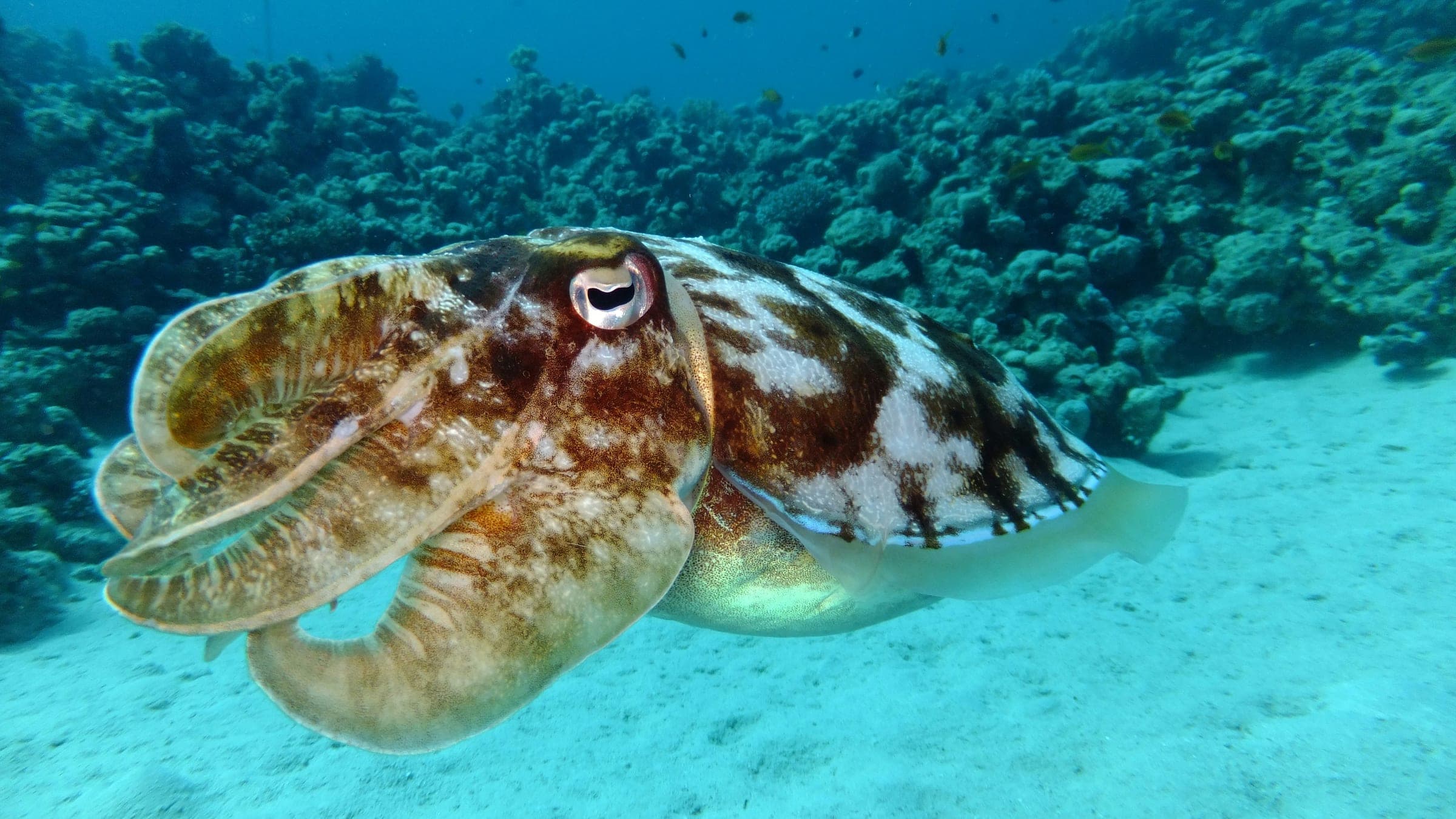
Cuttlefish are marine cephalopod molluscs in the family Sepiidae. They possess a unique internal shell called the cuttlebone that aids buoyancy, large W-shaped pupils, eight arms, and two tentacles with denticulated suckers used to seize prey. Typical sizes range from about 15–25 cm (6–10 in), while the largest species (Sepia apama) can reach about 50 cm mantle length and over 10.5 kg. Diets include small molluscs, crabs, shrimp, fish, octopuses, worms, and other cuttlefish. Typical life expectancy is around 1–2 years. Cuttlefish are noted for high relative brain size and are considered among the most intelligent invertebrates. They also release a brown pigment (sepia) when alarmed.
Commonly cited pressures include Predation.
Feeds on small molluscs, crabs, shrimp, fish, octopuses, worms, and other cuttlefish.
The strongest linked planning options currently surface around destinations such as Zeeland (Oosterschelde and Grevelingenmeer), Malta, Gozo and countries such as Spain, Australia, Indonesia for divers building trips around cuttlefish.
Identification
The visual markers divers can use underwater, plus the species most likely to cause confusion.
A unique internal cuttlebone used to control buoyancy.
Large eyes with distinctive W-shaped pupils.
Eight arms and two tentacles furnished with denticulated suckers for capturing prey.
Most species about 15–25 cm; giant cuttlefish (Sepia apama) up to about 50 cm mantle length and over 10.5 kg.
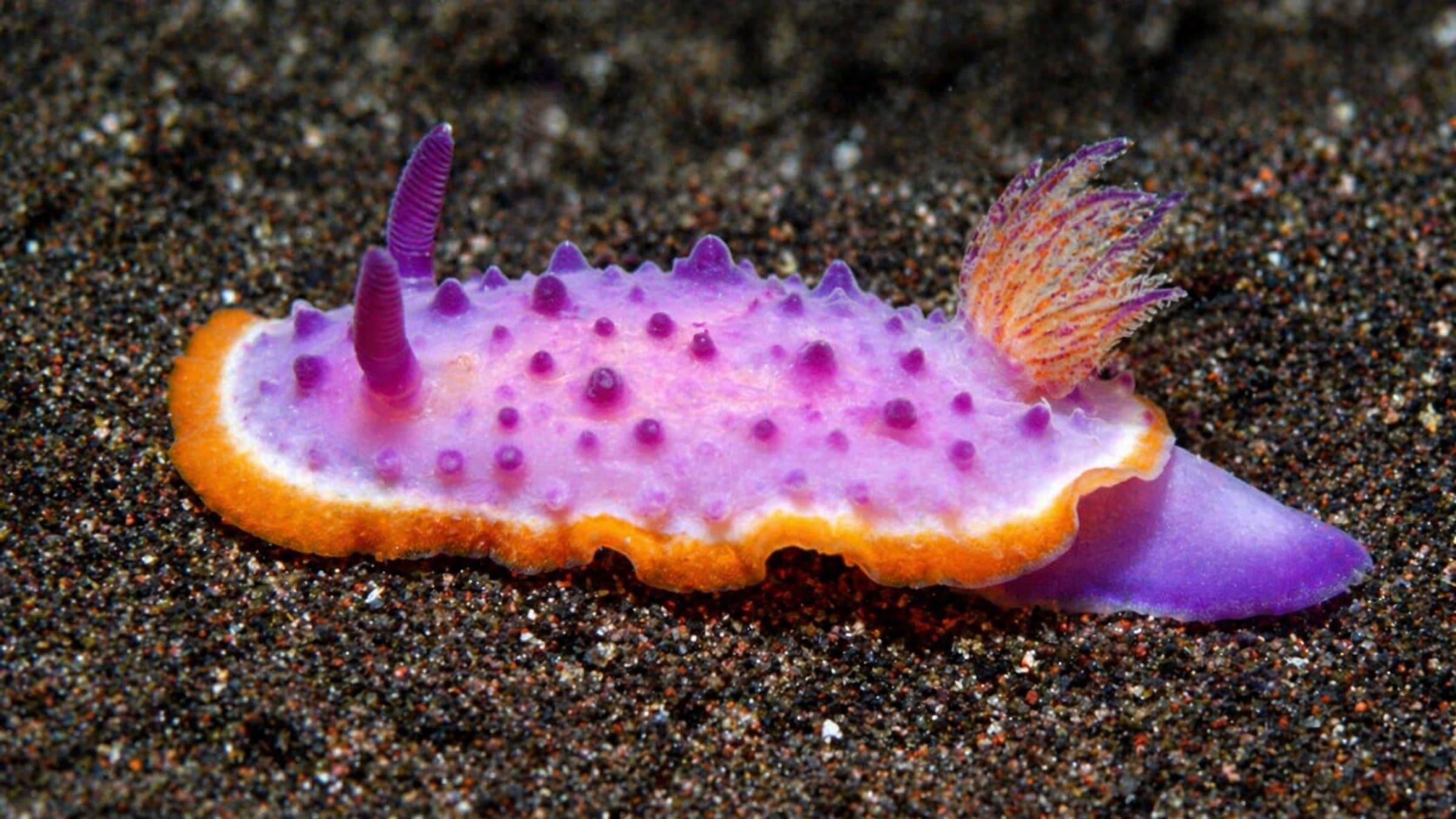
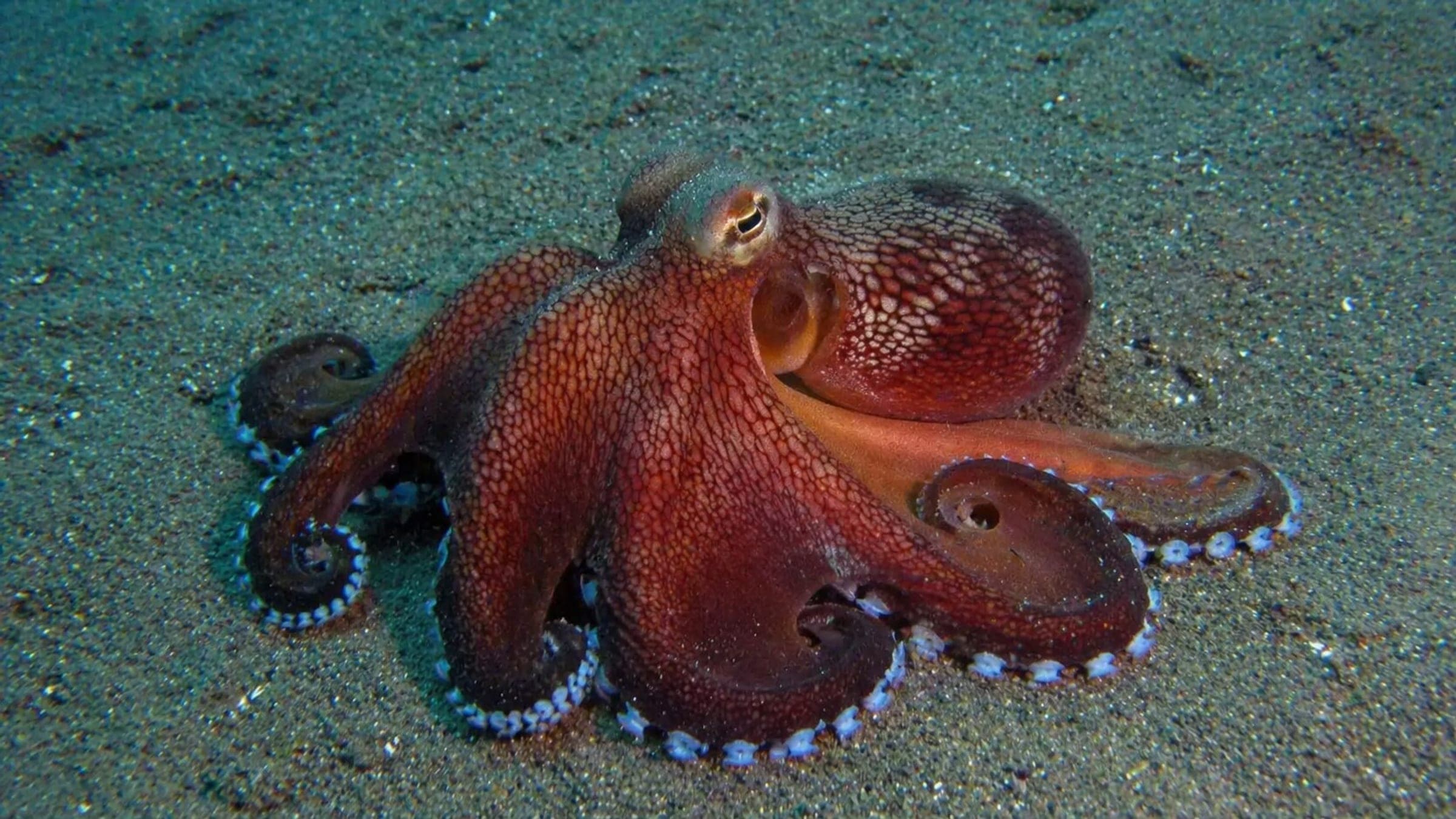
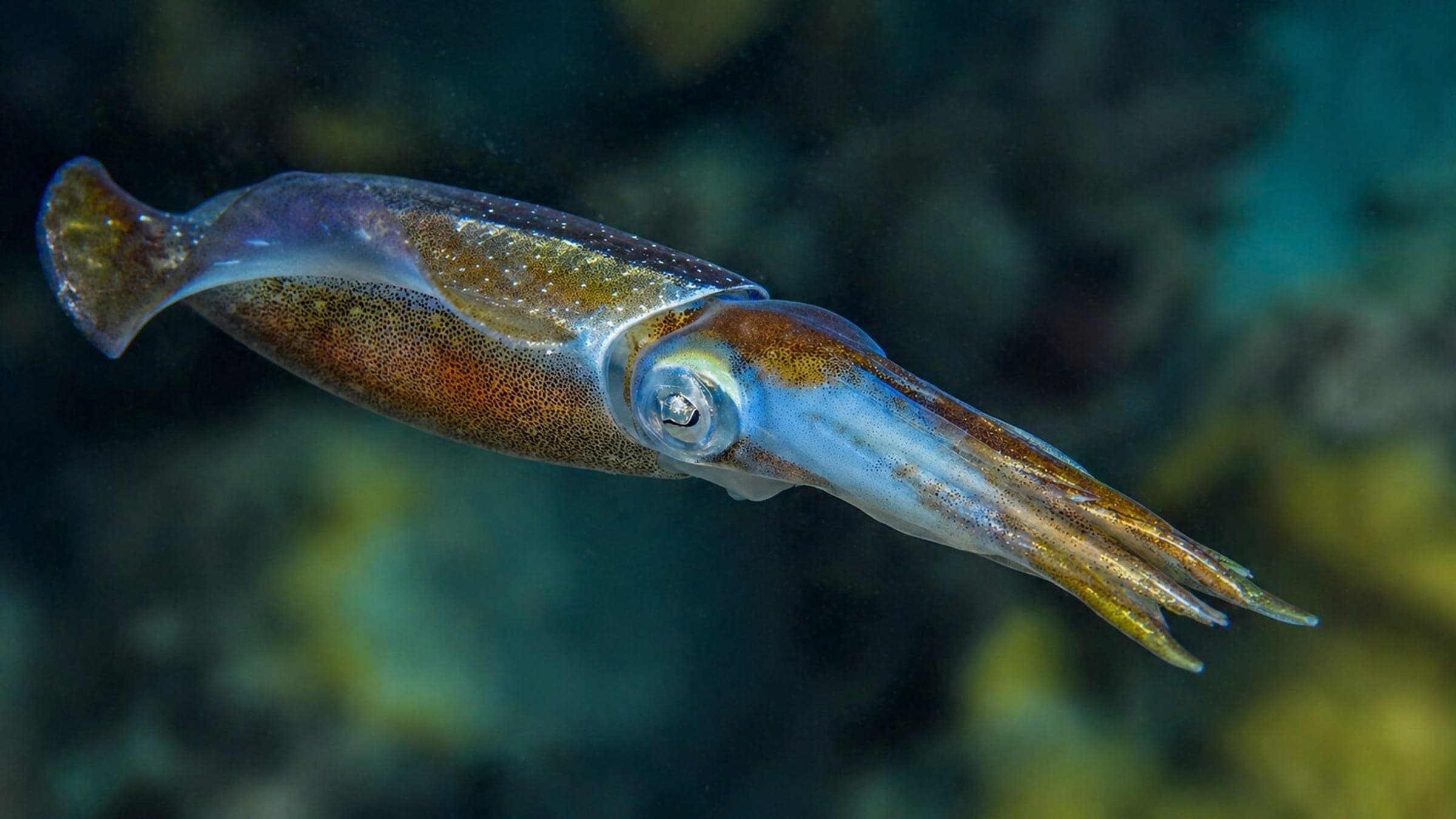
Squid and octopuses are related cephalopods with similar overall body plans.
Diet
Useful feeding context that often explains habitat, movement, and encounter style.
Feeds on small molluscs, crabs, shrimp, fish, octopuses, worms, and other cuttlefish.
Conservation
Status, pressure, and protection context grounded in cited sources rather than filler.
Commonly cited pressures include Predation.
Natural predators include dolphins, larger fish (including sharks), seals, seabirds, and other cuttlefish.
Responsible Encounters
Conservation-minded guidance for divers who want the encounter without adding pressure.
Give cuttlefish space, avoid blocking the animal's path, and follow local site and operator rules for wildlife interactions with molluscs.
Field Notes
Useful species context that makes the encounter more meaningful once you are underwater.
They release a brown pigment (sepia) when alarmed; this pigment gave its name to the color sepia.
Typical life expectancy is about 1–2 years.
Cuttlefish have one of the largest brain-to-body size ratios among invertebrates.
Top Destinations
Destinations surfaced from the linked dive spots associated with this species.
Top Countries
The strongest country-level starting points currently linked to this species.
Top Dive Spots
Directly linked dive spots where this species already shows up in the planning data.
Current-sensitive Nusa Penida wall with coral terraces and big-life chance.
Boat-access coral wall and garden site in Habalayn Bay.
Shore-access Cirkewwa reef route with arch, amphorae, and mixed terrain.
Boat-access wreck dive in the Ship Cemetery.
Easy boat reef with coral boulders and dense fish life.
Boat reef with colorful coral, turtles, and easy structure.
FAQ
Clear planning and conservation answers written for search visibility and AI retrieval.
Research Sources
Primary and credible references behind the field-guide and conservation claims on this page.
Primary wildlife guide source.
Supporting wildlife source.
Supporting wildlife source.
Supporting wildlife source.
Related Species
Related species guides in the same encounter family.