Body plan
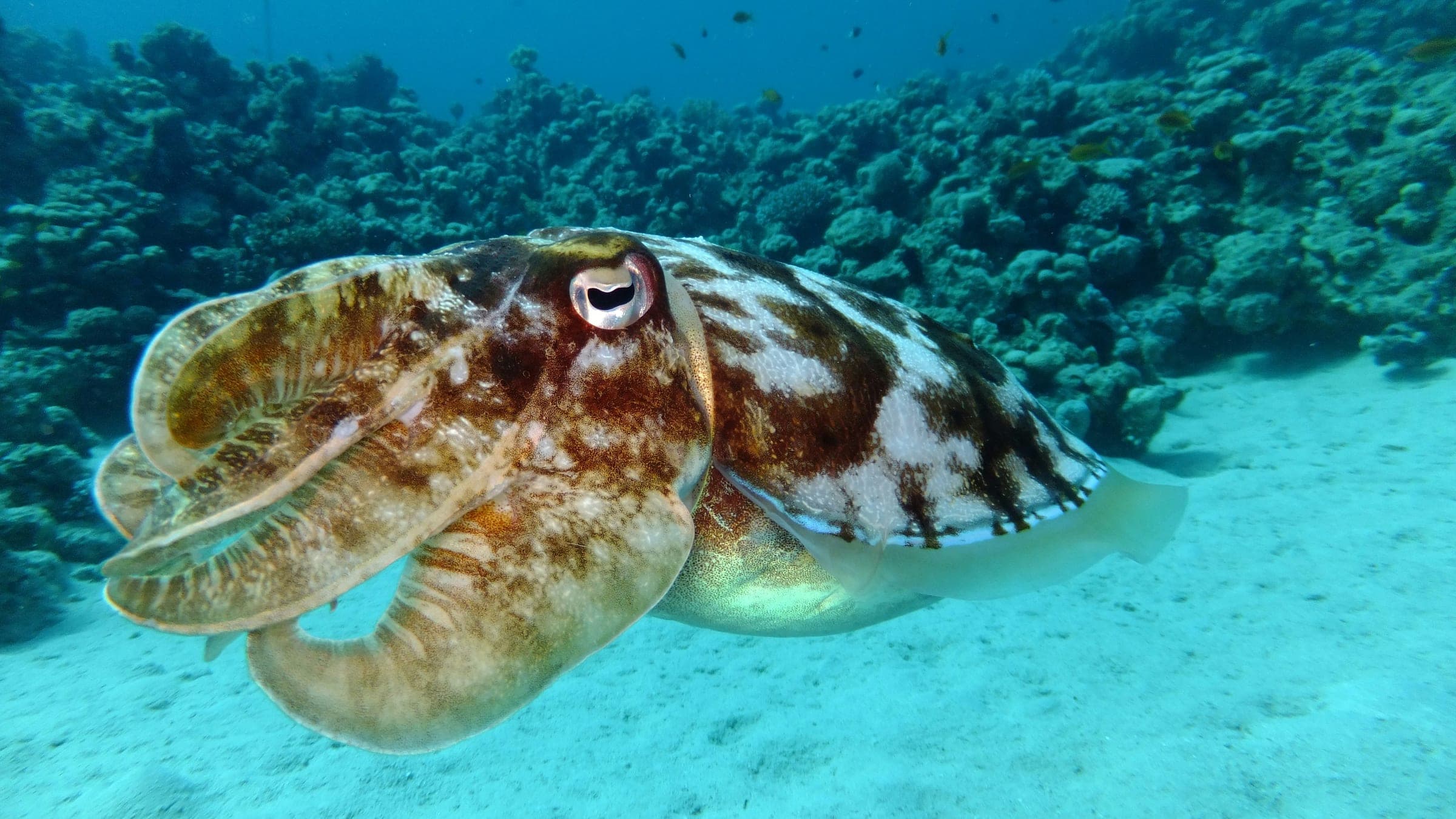
Elongated soft body with a distinct head, bilateral symmetry and a mantle.
Species Guide
A clean field guide focused on habitat, identification, behavior, and conservation context without burying the useful parts.
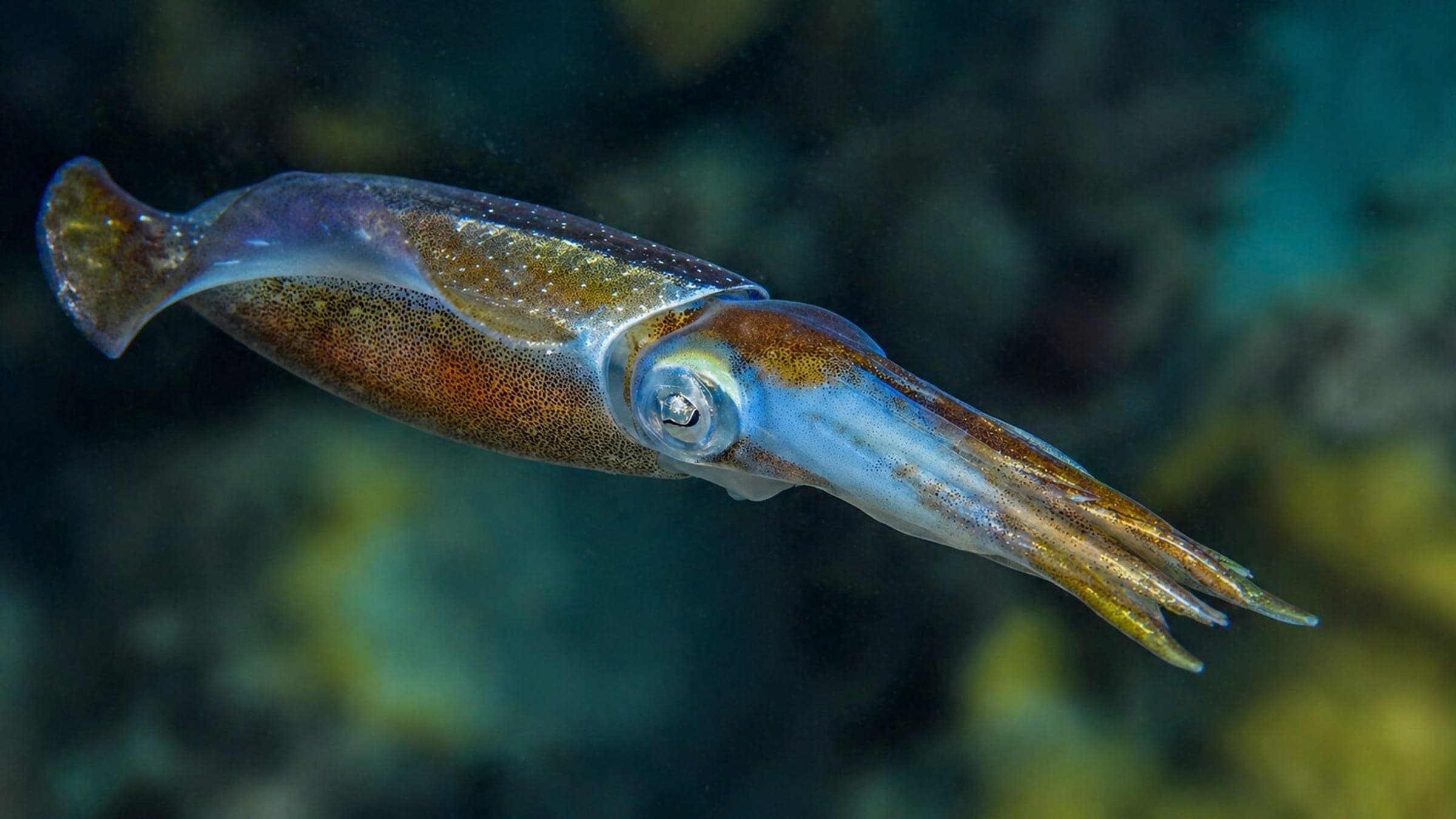
Squid are cephalopod molluscs with an elongated soft body, a distinct head, bilateral symmetry and a mantle. They typically have large eyes, eight arms, and two long tentacles; many have a small internal chitinous rod-like gladius or pen.
Squid locate much of their prey by sight, use their two long tentacles to grab prey and their eight arms to hold and control it; a beak cuts food into pieces for swallowing. They are rapid swimmers that move by jet propulsion. Many species can change colour for camouflage and signalling; some are bioluminescent and use light for counter-illumination camouflage. Many squid species can eject a cloud of ink to distract predators. Certain species, such as Humboldt squid, have been observed hunting cooperatively.
Role in food web and humans
The strongest linked planning options currently surface around destinations such as Bonaire, Bunaken and Manado (North Sulawesi), Chumphon and countries such as Indonesia, Greece, Egypt for divers building trips around squid.
Identification
The visual markers divers can use underwater, plus the species most likely to cause confusion.
Elongated soft body with a distinct head, bilateral symmetry and a mantle.
Eight arms plus two long tentacles used for grabbing and holding prey.
Large eyes and a hard beak used to cut prey into pieces for swallowing.
Many squid have a small internal chitinous gladius or pen (rod-like internal skeleton).
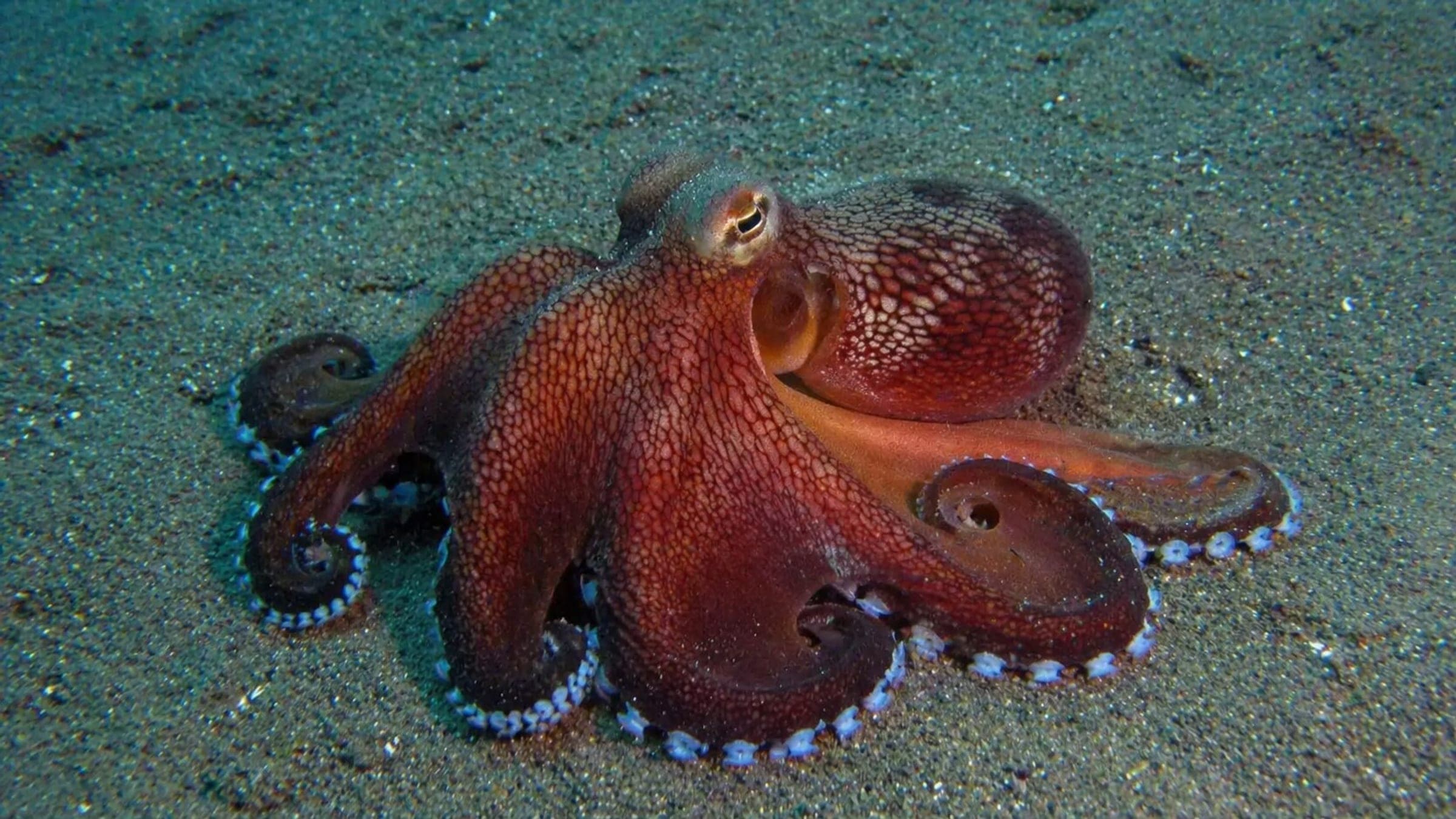
Squid are similar to octopuses in being soft-bodied cephalopods, though squid typically have eight arms plus two tentacles and often a gladius.
Range and Movement
The broad range, seasonal movement, or migratory behavior that shapes where divers encounter this species.
Squid are rapid swimmers that move by jet propulsion.
Diet
Useful feeding context that often explains habitat, movement, and encounter style.
Squid are open-water predators that locate prey largely by sight; they capture prey with two long tentacles, secure it with eight arms, and use a beak to cut food for swallowing.
Conservation
Status, pressure, and protection context grounded in cited sources rather than filler.
Commonly cited pressures include Predation and Fisheries.
Squid are preyed on by sharks, other fish, sea birds, seals and cetaceans, particularly sperm whales.
Squid are targeted by commercial fisheries in regions including Japan, the Mediterranean, the southwestern Atlantic and the eastern Pacific.
Responsible Encounters
Conservation-minded guidance for divers who want the encounter without adding pressure.
Avoid disturbing animals; squid can be distracted or alarmed and may eject ink or flee by rapid jetting.
Field Notes
Useful species context that makes the encounter more meaningful once you are underwater.
Squid are among the most intelligent invertebrates and some groups have been seen hunting cooperatively.
Some species are bioluminescent for counter-illumination camouflage, and many can eject ink to distract predators.
Squid are eaten worldwide (often called calamari) and have appeared in literature since classical times, including tales of giant squid.
Top Destinations
Destinations surfaced from the linked dive spots associated with this species.
Top Countries
The strongest country-level starting points currently linked to this species.
Top Dive Spots
Directly linked dive spots where this species already shows up in the planning data.
Sheltered Similan reef dive with coral, turtles, and swim-throughs.
Boat-dive reef with plateau, wall, and seagrass.
Calm Makadi Bay lagoon for beginner dives and snorkelers.
Coral Bay shore dive with a sculpted rock amphitheatre.
Anchor Canyon - קניון העוגנים is a shallow boat dive in northern Israel.
Sheltered Lagos archaeological boat dive with historic anchors and reef life.
FAQ
Clear planning and conservation answers written for search visibility and AI retrieval.
Research Sources
Primary and credible references behind the field-guide and conservation claims on this page.
Related Species
Related species guides in the same encounter family.