Cephalopod eyes and active movement
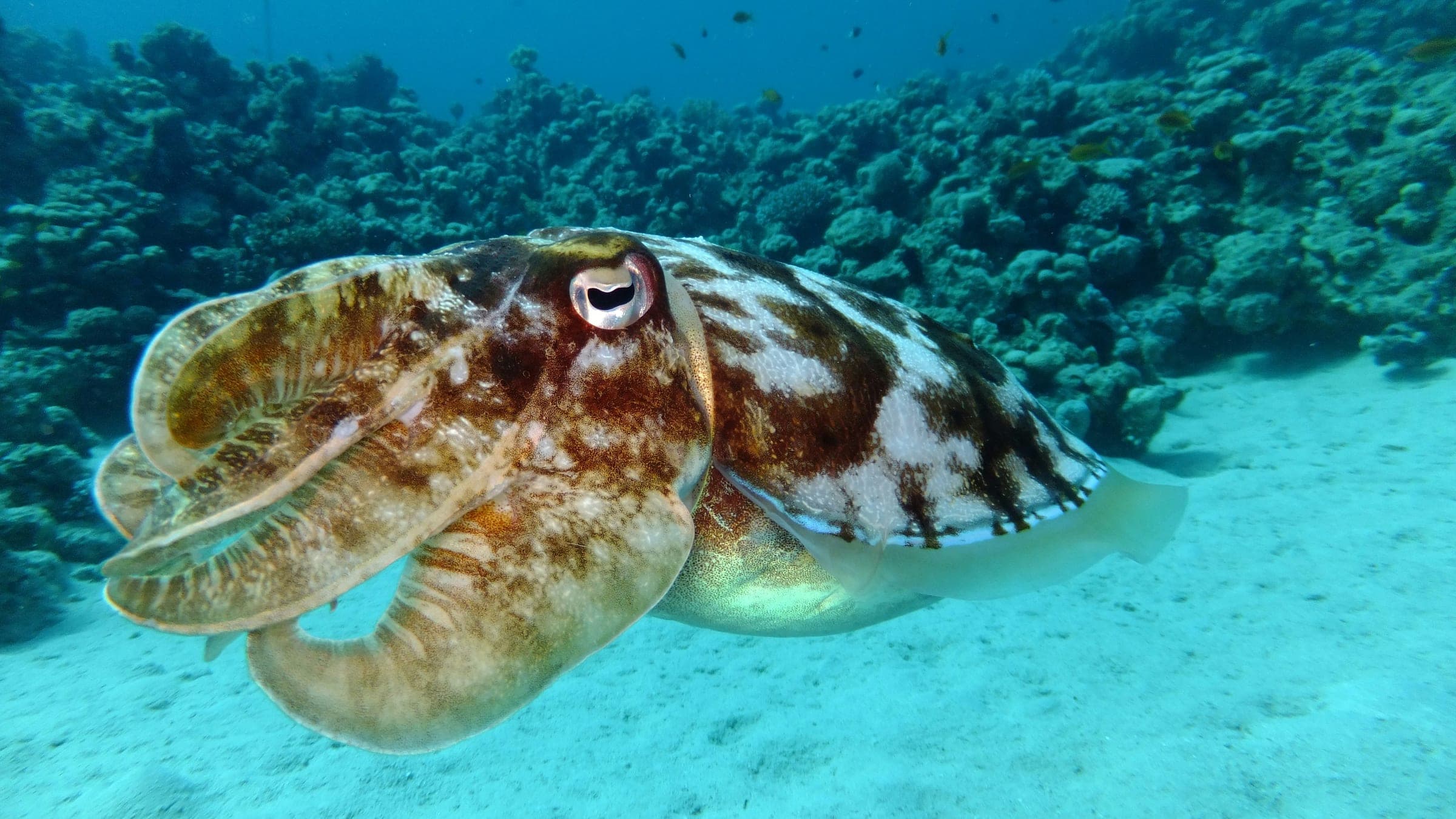
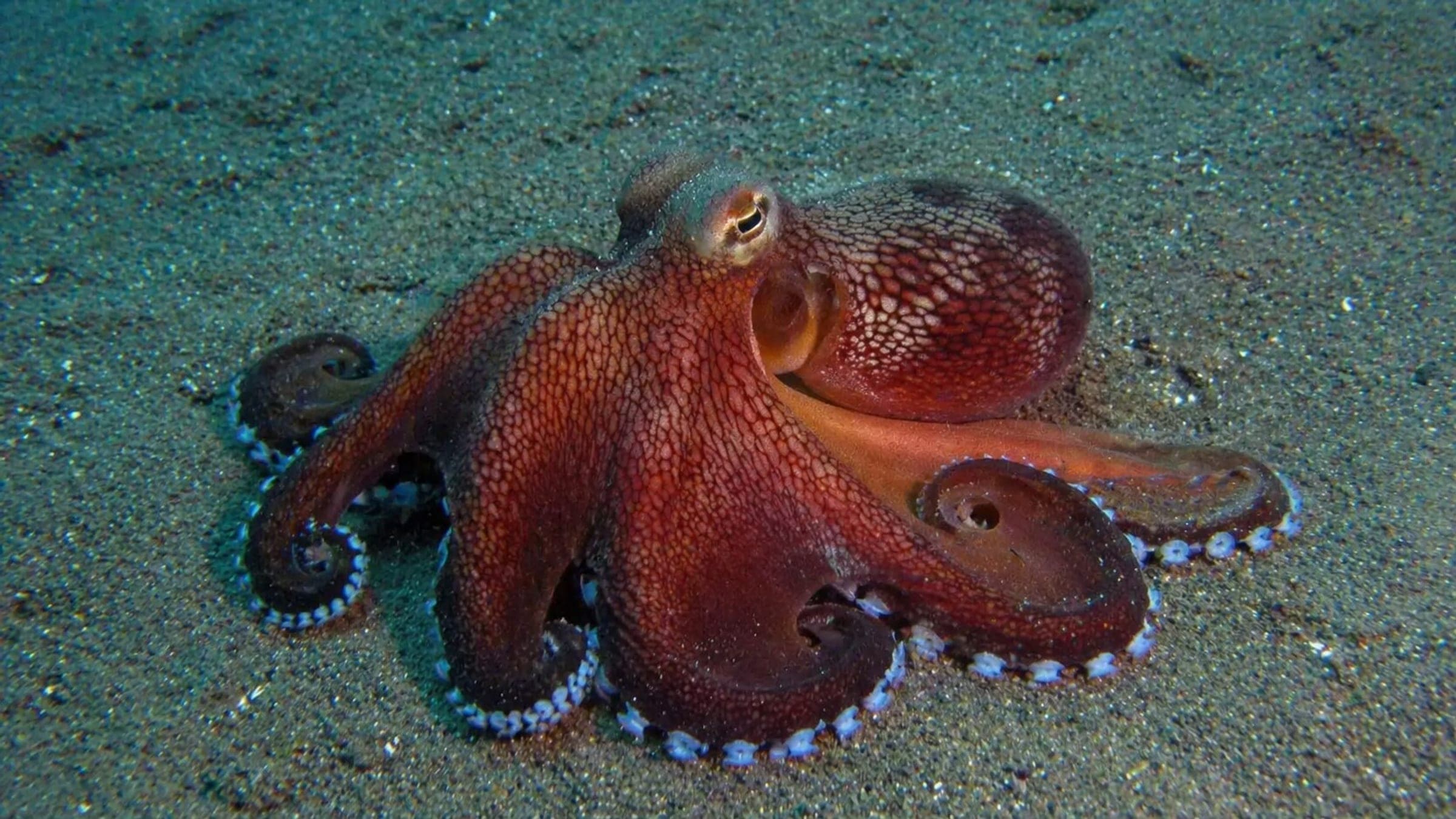
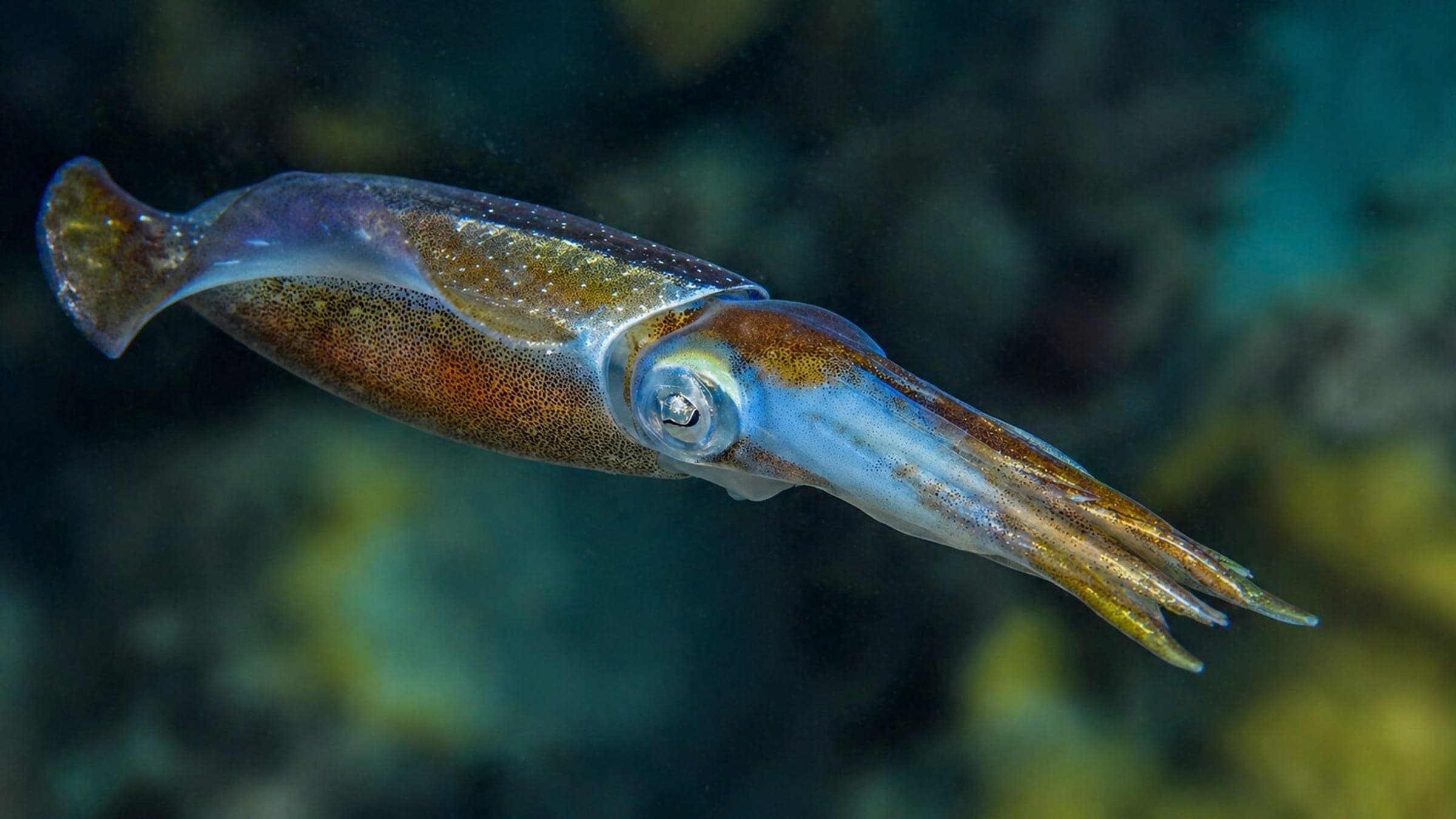
Octopus, cuttlefish, and squid usually stand out by their large eyes, active posture, flexible arms, and rapid color or texture change.
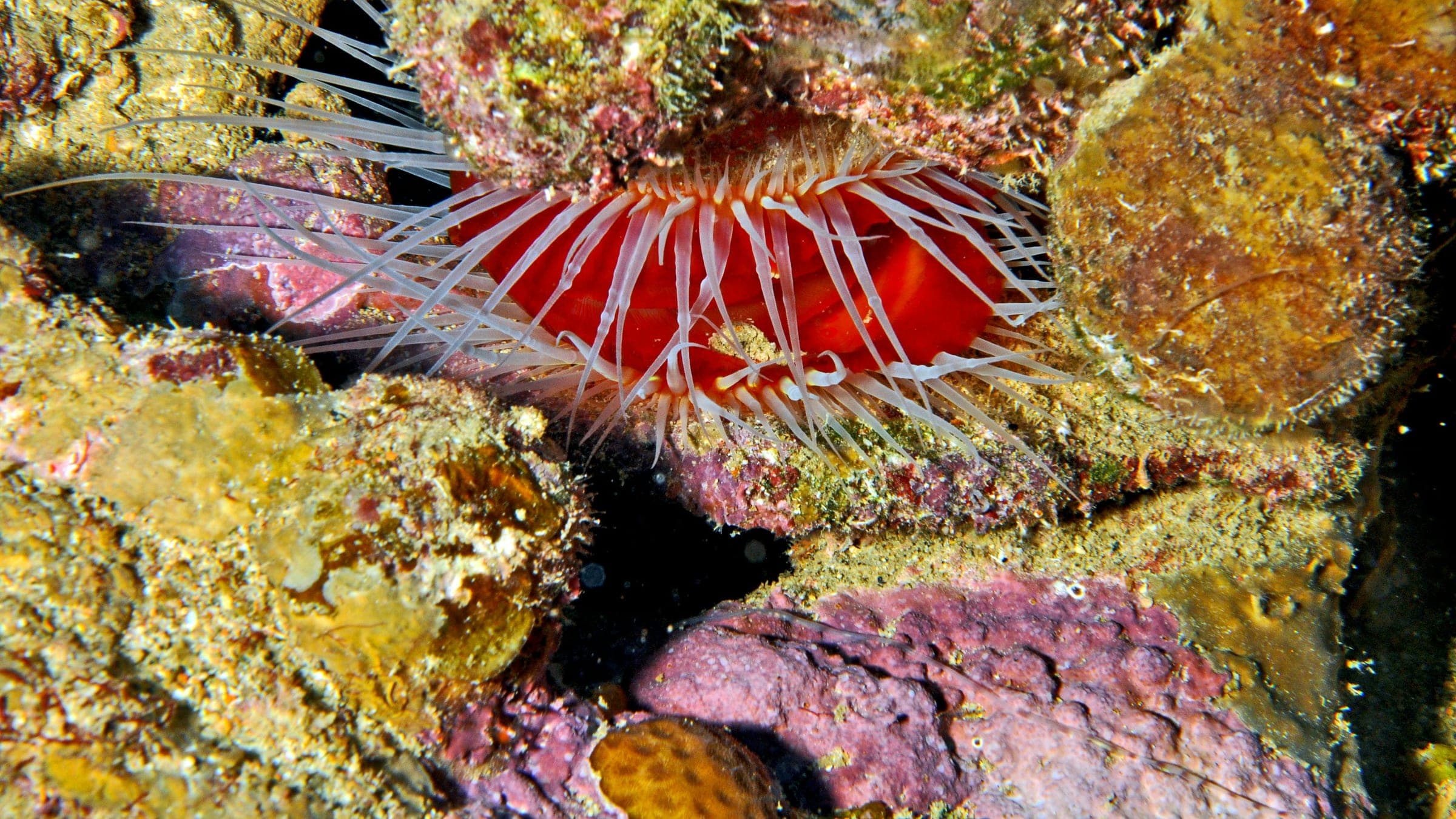
Molluscs in diving range from intelligent cephalopods to tiny nudibranchs, rewarding slow searching, night dives, and close attention to camouflage, texture, and behavior.
Group Guide
A group-level field guide built to move divers from broad intent into the right species, destinations, and encounter planning.
Molluscs are one of the broadest wildlife buckets on a dive site. In diver terms, this page mostly means cephalopods such as octopus, cuttlefish, and squid, plus nudibranchs and other small soft-bodied favorites that reward patient macro diving. They do not behave like one single ecological guild, so the value of the group page is practical: it helps divers think about search style, habitat, and responsible handling across animals that are famous for camouflage and fragile bodies.
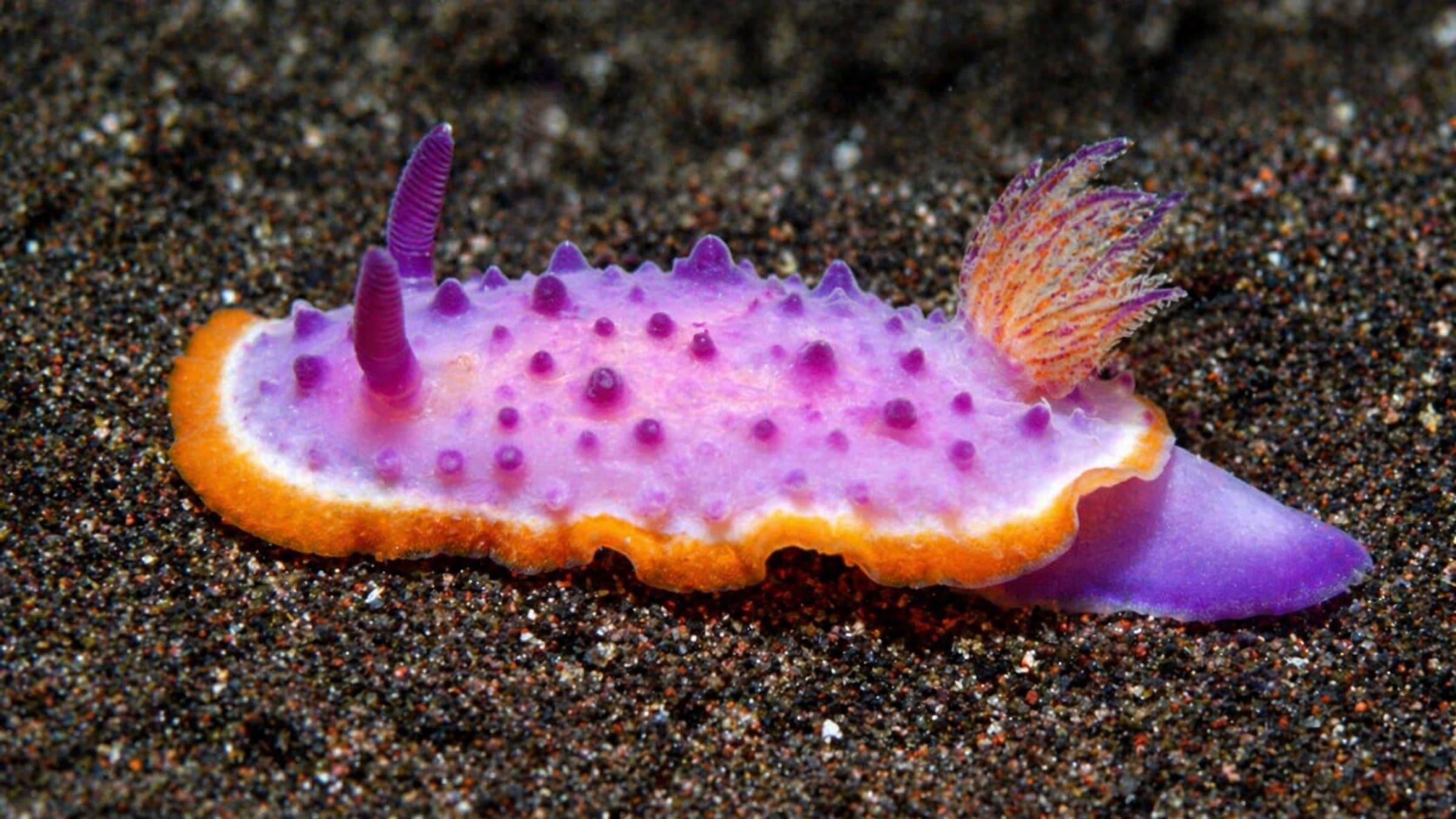
Cephalopods are the obvious headline animals because they have large eyes, active movement, arms or tentacles, and dramatic color or texture change. Nudibranchs and other shell-reduced molluscs are usually much smaller, slower, and more closely tied to exact sponge, hydroid, coral, or rubble habitat. Across the group, soft tissue, strong camouflage, and high sensitivity to disturbance matter more than one shared silhouette.
Divers usually find molluscs by slowing down rather than by covering distance. Night dives, muck sites, rubble slopes, pier pilings, seagrass edges, and reef sections with hydroids or sponges all produce better encounters than fast current lines. Cephalopods may move across open sand or reef more actively, while nudibranchs often stay tied to a very specific food source or patch of substrate.
This page is a practical macro-and-behavior guide, not a promise that every mollusc behaves the same. A night site famous for octopus can be poor for nudibranch diversity, and a nudibranch-rich wall may offer no realistic cephalopod encounter at all.
This group guide pulls together 4 published Molluscs guides so divers can move from broad trip intent to the right species pages, destinations, and dive spots faster.
There is no single conservation story that cleanly fits every mollusc divers care about, but the recurring pressures are habitat damage, pollution, warming seas, collection pressure in some trades, and direct disturbance from careless handling or photography. The most defensible group-level guidance is therefore habitat-first: protect reef, rubble, seagrass, sponge, and macro substrate quality, and keep interactions strictly non-contact.
Movement varies widely across this group. Cephalopods can patrol hunting grounds, den sites, or broader reef territory, especially at night, while many nudibranchs remain closely tied to a small patch of food-rich substrate. For trip planning, that means habitat quality and search speed matter more than any single notion of migration.
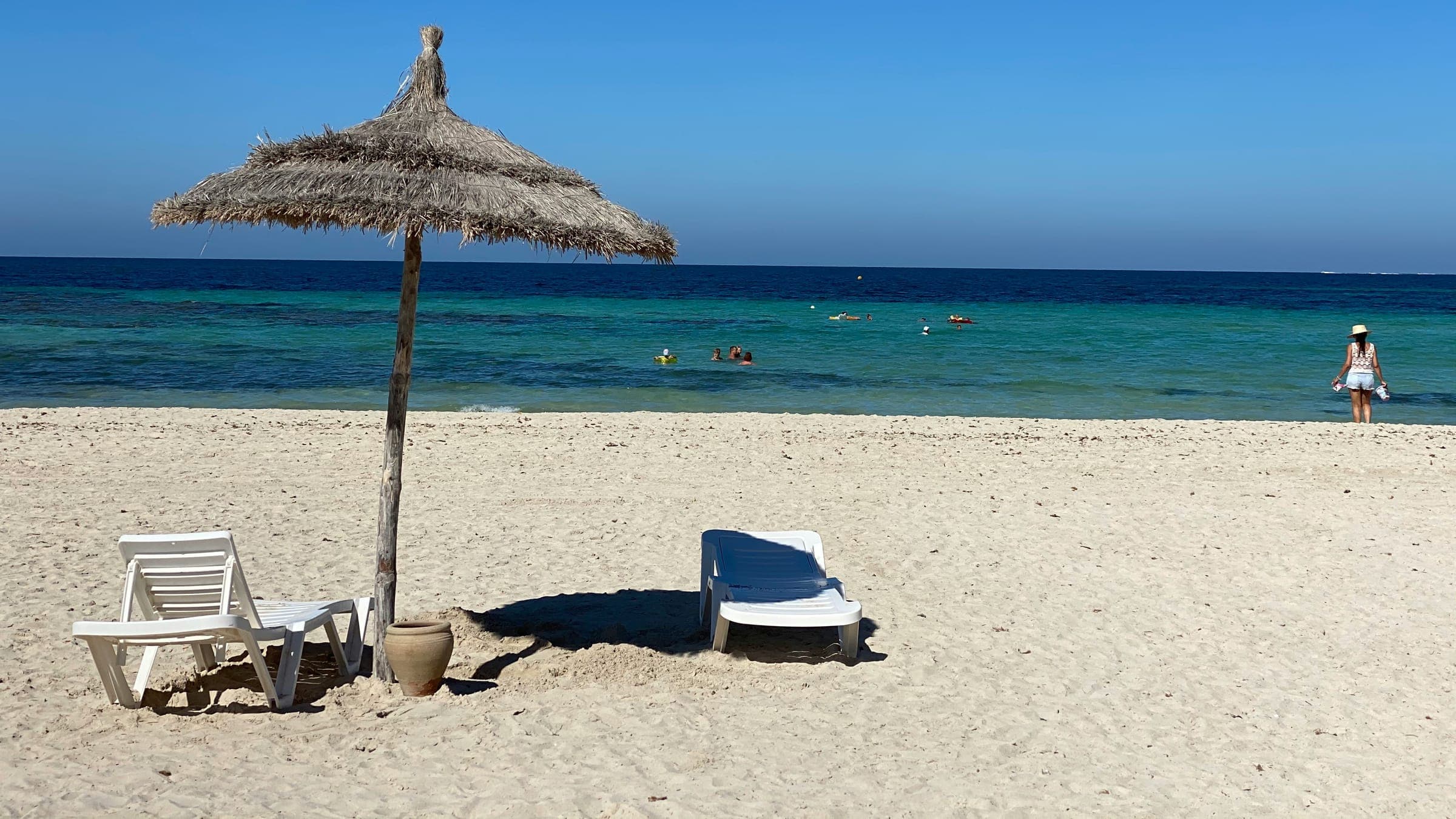
Cape Town, Costa Brava and Medes Islands, and Djerba currently stand out as strong destination entry points for Molluscs planning.
Spain, Egypt, and Indonesia are some of the clearest country-level starting points for this group right now.
Octopus, cuttlefish, and squid usually stand out by their large eyes, active posture, flexible arms, and rapid color or texture change.
Nudibranchs are often very small and easiest to identify by their body outline, rhinophores, gill structures, and the exact sponge, hydroid, or coral they are using.
Many dive-famous molluscs lack the hard external shell people associate with land snails, which is one reason they need careful no-touch handling underwater.
Octopus, cuttlefish, squid, and nudibranchs all sit under the mollusc umbrella, but they solve survival in very different ways, from active hunting to host-specific camouflage.
Some of the most memorable mollusc encounters happen after dark, when cephalopods hunt more openly and hidden macro life becomes easier to spot.
Divers who slow down and read habitat details usually see far more mollusc life than divers who swim fast in search of a single obvious subject.
Movement varies widely across this group. Cephalopods can patrol hunting grounds, den sites, or broader reef territory, especially at night, while many nudibranchs remain closely tied to a small patch of food-rich substrate. For trip planning, that means habitat quality and search speed matter more than any single notion of migration.
Cephalopods are active predators that take crustaceans, fish, and other invertebrates. Nudibranchs and related macro molluscs are often much more specialized, feeding on exact prey such as sponges, hydroids, bryozoans, or soft corals. That dietary split is one reason why one site can be brilliant for nudibranch diversity yet unremarkable for octopus or squid.
Conservation
A group-level read on the pressures, protections, and diver behavior that matter most across these species.
There is no single conservation story that cleanly fits every mollusc divers care about, but the recurring pressures are habitat damage, pollution, warming seas, collection pressure in some trades, and direct disturbance from careless handling or photography. The most defensible group-level guidance is therefore habitat-first: protect reef, rubble, seagrass, sponge, and macro substrate quality, and keep interactions strictly non-contact.
Treat this group as fragile by default. Never touch, prod, or reposition the animal or the substrate underneath it. Keep lights moderate, avoid crowding a small subject with multiple cameras, and back off immediately if an octopus or cuttlefish starts displaying repeated escape behavior. Good macro diving leaves the subject in the same posture and habitat you found it in.
Reef damage, sedimentation, polluted runoff, and degraded macro habitat remove the structure and food sources many molluscs depend on.
Handling, prodding for photos, and repeated artificial lighting can stress or injure delicate molluscs, especially small macro subjects.
Some species face collection for aquaria or curios, while broader ocean warming and chemistry shifts can change habitat quality and prey availability.
Marine protected areas, anchoring controls, and local site management help most when they preserve the reef, rubble, sponge, or seagrass habitat the animals actually use.
The simplest and most important field protection for divers is a strict no-handling rule for octopus, nudibranchs, and other delicate macro subjects.
Where collection pressure exists, species-specific fishery or trade rules are more meaningful than a broad mollusc label.
Species
Jump into the individual species pages that currently sit inside this wildlife group.
Top Destinations
Destinations surfaced from the linked dive spots associated with species in this group.
Top Countries
The strongest country-level starting points currently linked to this wildlife group.
Top Dive Spots
Directly linked dive spots where species in this group already show up in the planning data.
Tiger Reef Tioman is a current-swept pinnacle for advanced boat dives.
Boat-access rocky plateau in Cap Corse
Historic offshore Djerba wreck with compact profile
Coral-head cluster with swim-throughs and a strong night dive.
Maze-like pinnacle line with multiple swim-throughs.
Closed Similan reef with a shallow sandy slope.
FAQ
Direct answers to the questions divers and planners tend to ask first.
Research Sources
Primary and supporting references used for the published group guide.
Cephalopod behavior, body plan, and general dive relevance.
Nudibranch identification, feeding specialization, and habitat framing.
Canonical taxonomy reference for the wider mollusc group.
Accessible cephalopod ecology and behavior reference for diver-facing interpretation.