www.buceohispania.com · Operator
Local dive guide with site depth and visibility notes.
Spain · Murcia: Cabo de Palos and Islas Hormigas
Cliffside marine-reserve dive with rock, posidonia, and clear water.
Cliffside marine-reserve dive with rock, posidonia, and clear water.
This site is best approached with a La Azohía or Cabo Tiñoso dive operator.
Cliffside marine-reserve dive named for the old mine in the cave above the wall. Expect a vertical rocky profile with Posidonia on the shallower section, a route that drops gradually toward deeper water, and clear-water conditions that suit relaxed exploration and photography. It is best treated as a guided site where simple route planning, steady buoyancy, and attention to the cave opening matter more than speed.
Site Conditions
Safety Notes
Keep buoyancy steady near the cave opening and along the wall, and plan gas and time for the deeper edge.
Access Restrictions
Treat it as a guided marine-reserve dive; access depends on local operator logistics and reserve rules.
Legal Notes
Follow marine-reserve and operator rules; weather and reserve access can change the day plan.
Community notes to help plan your visit.
Scuba Diving
A scenic wall-and-cave dive with Posidonia, rock terraces, and marine life that rewards controlled buoyancy and a slow pace.
Freediving
Not a freedive-first site; the depth and route make it better suited to scuba.
Snorkeling
Snorkeling is limited to the very shallow edge near the entry; the main attraction is below the surface.
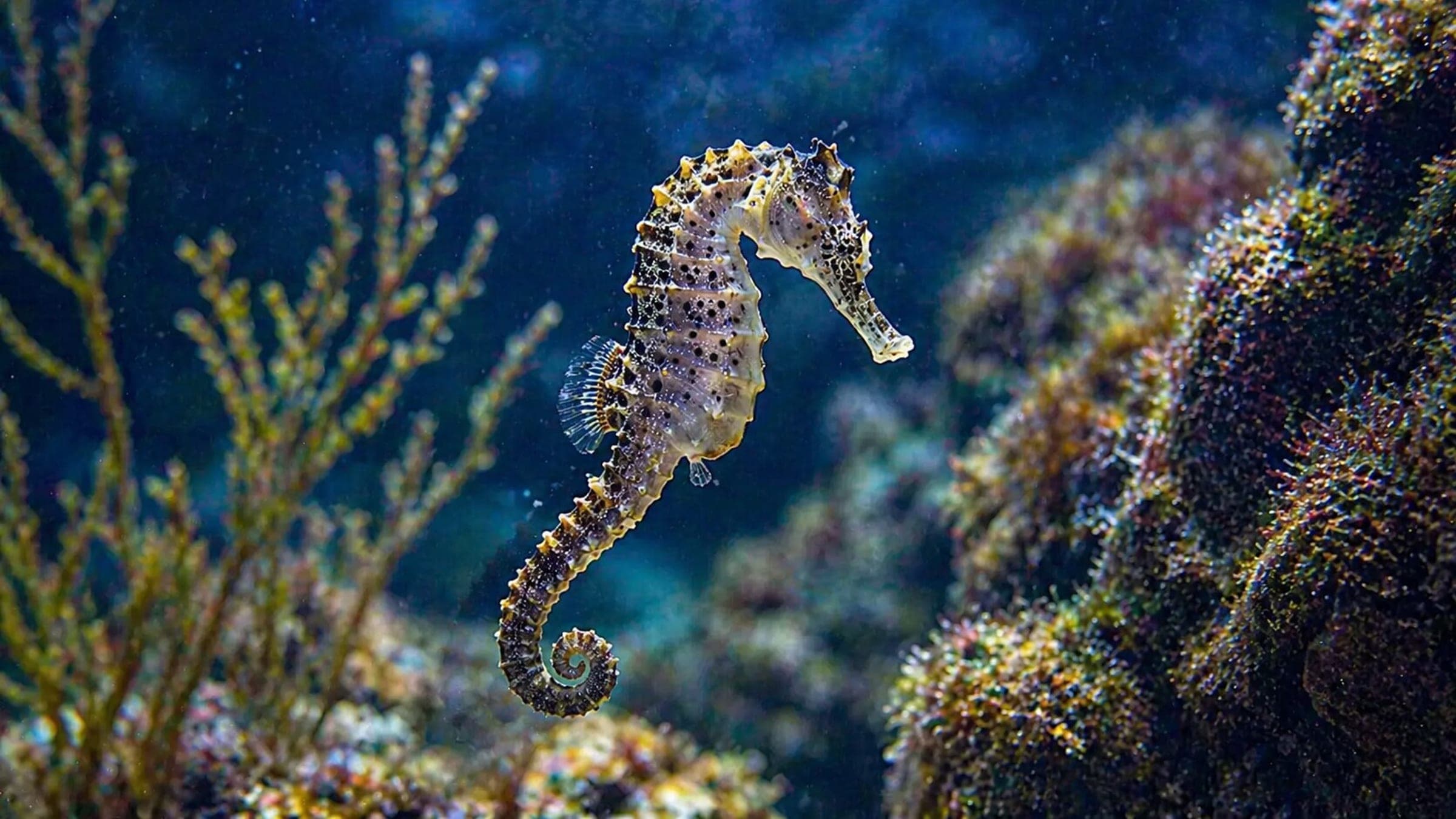
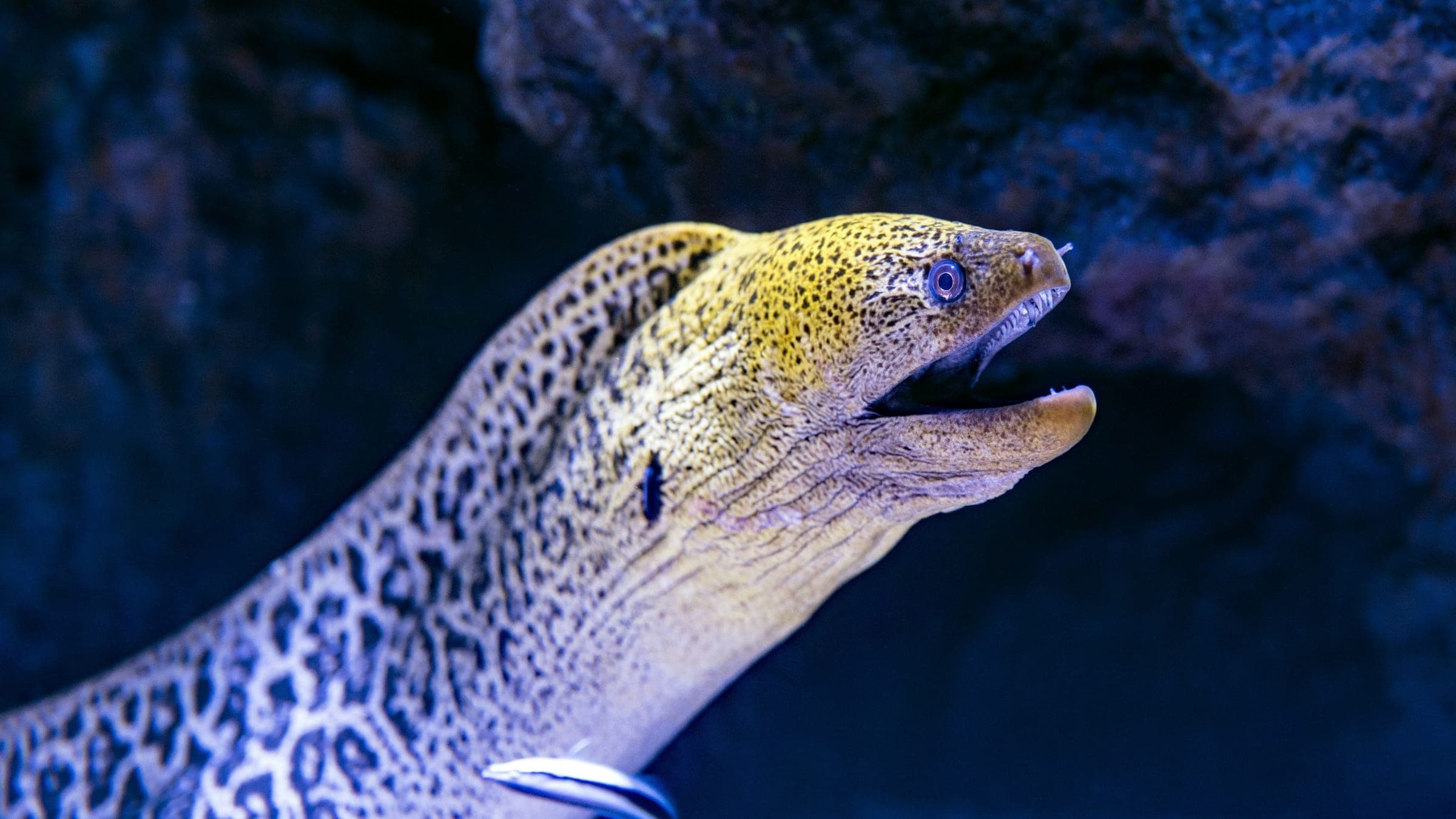
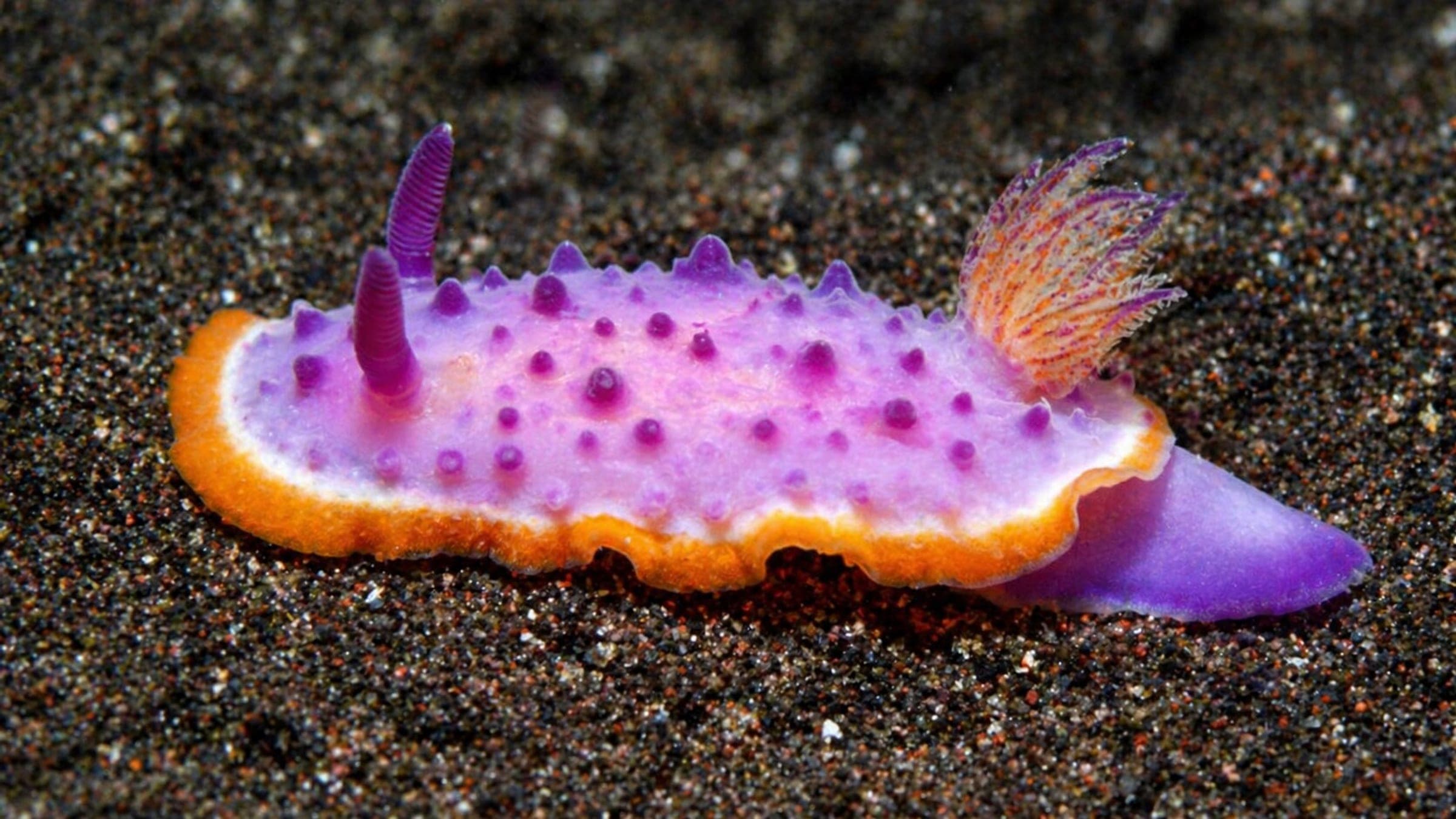
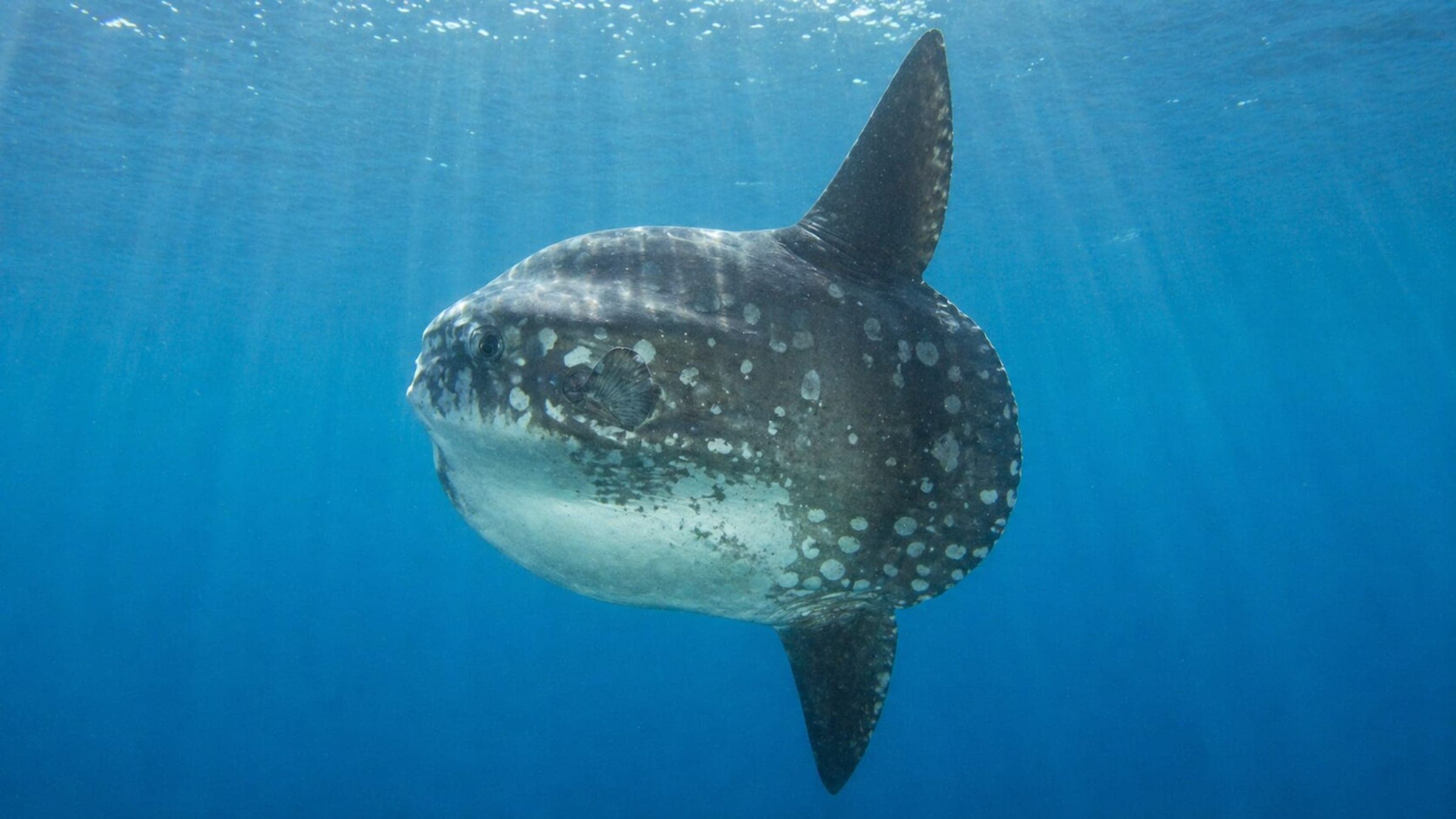
Species commonly reported at this site, with direct links into their wildlife guides.
Research estimate
Research estimate
Research estimate
Research estimate
Last Updated
Research Sources
Local dive guide with site depth and visibility notes.
Regional tourism brochure with the Mina de Cristal section.
Boat dive with rock towers and posidonia in a sheltered cove.
Cala Abierta is a posidonia-rich Cabo Tiñoso cove dive.
Sheltered reserve cove in Cabo Tiñoso