Hero photo of Murcia: Cabo de Palos and Islas Hormigas
Destination Guide

Murcia: Cabo de Palos and Islas Hormigas

Mediterranean pinnacles, wrecks, groupers, and bait balls from a compact fishing port

Updated Apr 20, 202626 sources

View On Map

Overview

Mediterranean pinnacles, wrecks, groupers, and bait balls from a compact fishing port

Cabo de Palos and Islas Hormigas is Spain's most concentrated Mediterranean dive trip: protected pinnacles, fish-heavy ridges, and historic wrecks all accessed by short local boat runs from Cabo de Palos harbor. The marine reserve was created to protect Posidonia meadows, coralligenous reefs, and fishery resources, so the best sites are quota-controlled and guided rather than self-serve. Scuba is the main draw, with Bajo de Fuera, Bajo de Dentro, Piles I, Piles II, and the Naranjito wreck anchoring the itinerary. Non-divers still have an easy coastal base with lighthouse walks, Calblanque beaches, Cartagena's old town, seafood restaurants, and La Manga water sports. Plan around warm-water high season from June to October, but keep April, May, November, and even winter in play if you are flexible, cold-water equipped, and happy with quieter boats.

What Makes It Special

  • Protected Mediterranean biomass

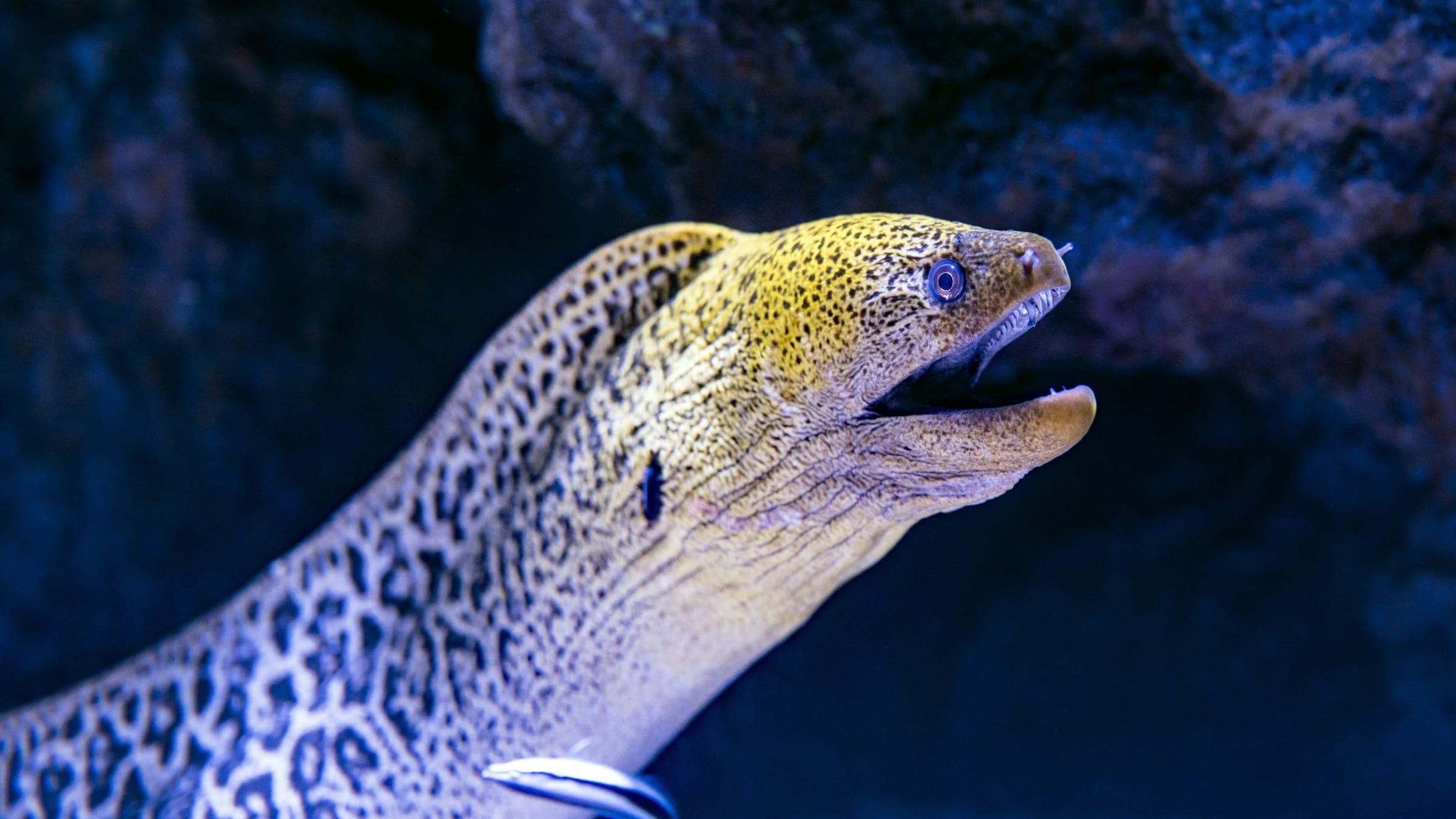
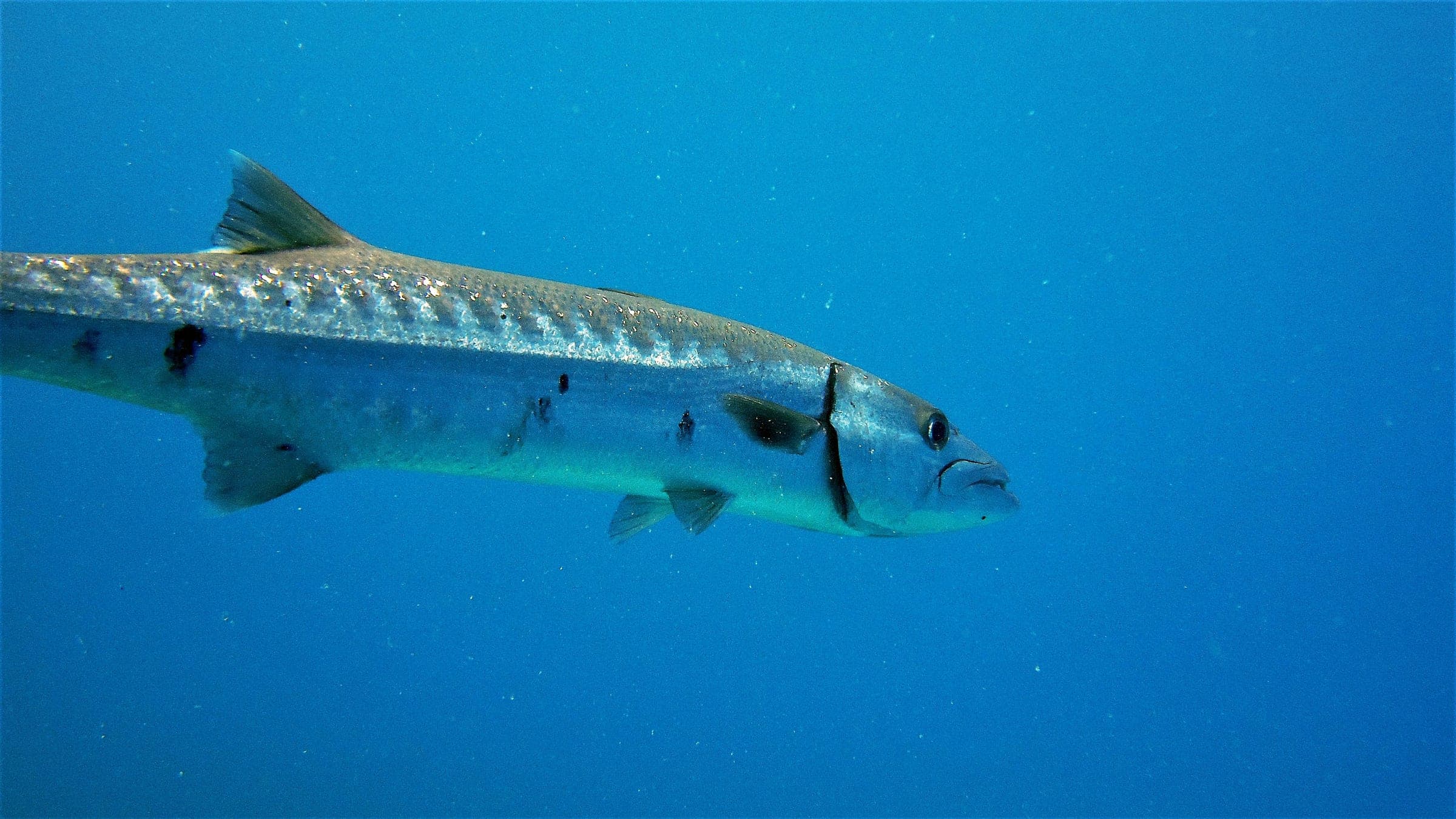
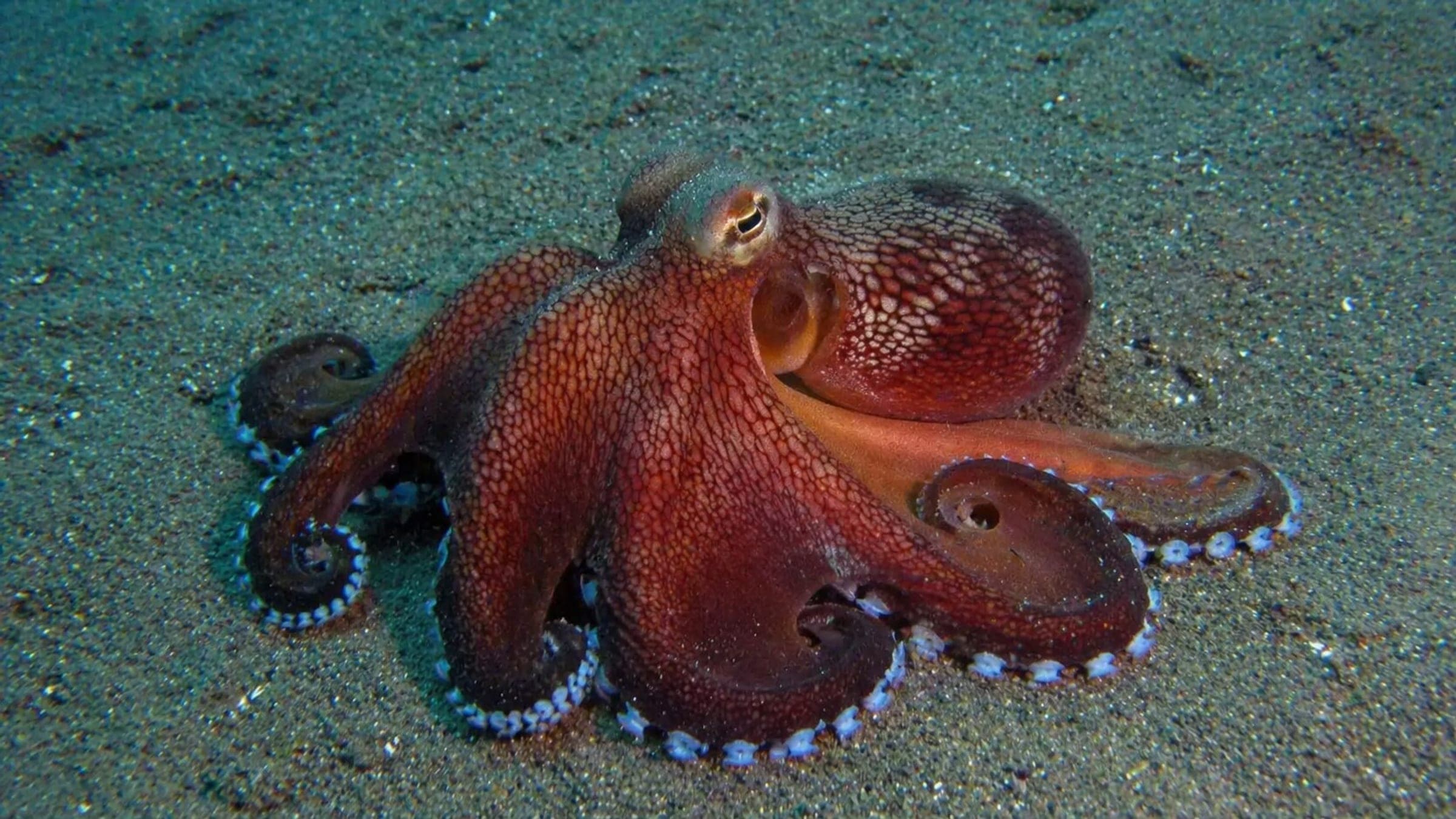
    The marine reserve protects Posidonia meadows, rocky reefs, and coralligenous communities, producing standout encounters with groupers, barracuda, dentex, amberjack, morays, octopus, and rays.

  • Pinnacles plus wrecks

    You can combine ridge dives such as Piles I and Bajo de Dentro with advanced wreck dives such as Naranjito and the shipwreck history around Bajo de Fuera.

  • Simple land-based logistics

    Dive centers cluster around Cabo de Palos harbor, so most trips are short day-boat outings rather than resort transfers or liveaboard itineraries.

  • Mixed-group friendly

    Non-divers can snorkel calm coves, visit the lighthouse, walk Calblanque, tour Cartagena, or linger over seafood while divers are out on morning boats.

Wildlife In Murcia: Cabo de Palos and Islas Hormigas

Top species linked to approved dive spots in Murcia: Cabo de Palos and Islas Hormigas.

Signature Spots Preview

Quick shortlist before you jump into the full planning page.

See Full Plan
Bajo de Emilio dive spot

Bajo de Emilio

PinnacleWreck
Not Set
Bajo de Fuera dive spot

Bajo de Fuera

PinnacleWreck
Bajo de la Testa dive spot

Bajo de la Testa

CavePinnacleReef
Not Set

Best time to go

May to October, with April and November good for flexible travelers

Warmest water, busiest dive schedule, strongest beach atmosphere, and frequent calm morning windows. Expect water around 24°C to 28°C in the warmest part of the season.

Main caution: Quieter local diving, colder water around 15°C to 16°C, and more weatherdependent boats. Best for trained divers with local flexibility.

See full season planner

Logistics Preview

  • Internacional Region de Murcia Airport · 40 to 50 minutesute drive to Cabo de Palos in normal traffic
  • Alicante-Elche Miguel Hernandez Airport · 1 hour 20 minutesutes to 1 hour 45 minutesutes by car in normal traffic
Open Logistics

Safety Preview

  • Reserve quotas and responsible-diving rules
  • Current, surge, and vertical profiles
Open Safety Guide

FAQ Preview

  • When is the best time to dive Cabo de Palos and Islas Hormigas?
  • Do I need a permit to dive in the Cabo de Palos-Islas Hormigas Marine Reserve?
Open FAQs

About these guides

DiveJourney destination guides are living documents built from local knowledge, operator experience, and publicly available sources. Conditions, regulations, and logistics can change. Each guide shows its last update date and sources used.

Last updated: April 20, 2026 26 sources

If you see something inaccurate or outdated, you can submit an update. This is how the platform improves.