fossiljunkies.com · Community
Beach-search tactics and timing guidance.
United States of America
Fossil beach with shark teeth and easy Venice Beach access.
Fossil beach with shark teeth and easy Venice Beach access.
Venice Beach (Shark Tooth) is a shore-access fossil beach where the main draw is shark teeth and other prehistoric material in the sand and surf zone. The shallow water, beach access, and patient search patterns matter more than depth.
Site Conditions
Safety Notes
Watch surf, footing, and changing beach conditions, and keep a dive flag or surface marker visible when working the shallows.
Access Restrictions
Check current beach access and storm-damage notices before entering; some jetty routes may be closed.
Legal Notes
Respect protected artifacts and follow local collecting rules; shark teeth are common, but other fossils and cultural material can be regulated.
Community notes to help plan your visit.
Scuba Diving
Best as a shallow shore dive with a dive flag and a slow search pattern in the sand.
Freediving
Shallow calm days can suit freedivers, but surf and visibility can change quickly.
Snorkeling
Snorkeling can work in calm water close to shore and is often the easiest way to scan the shallows.
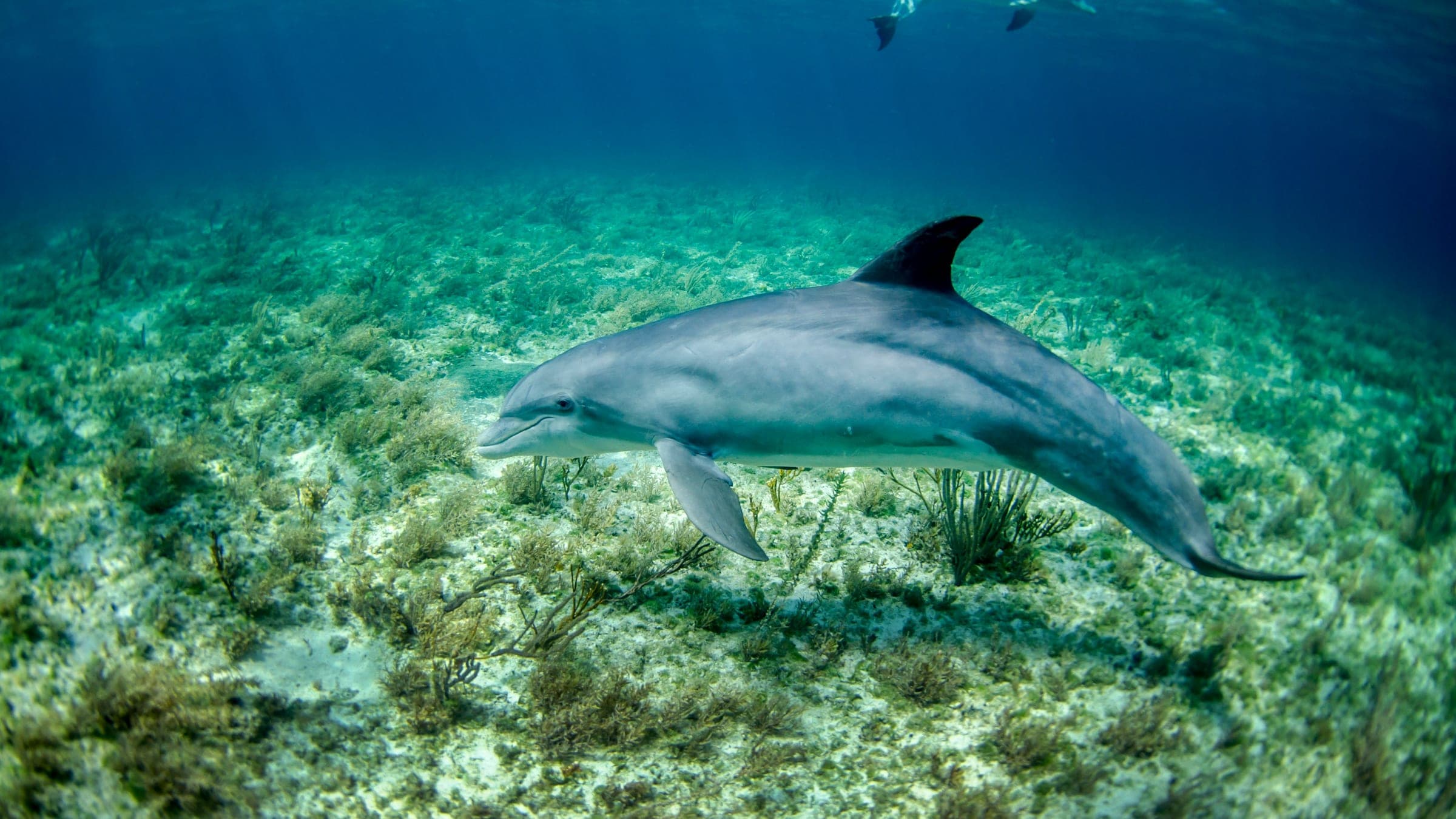
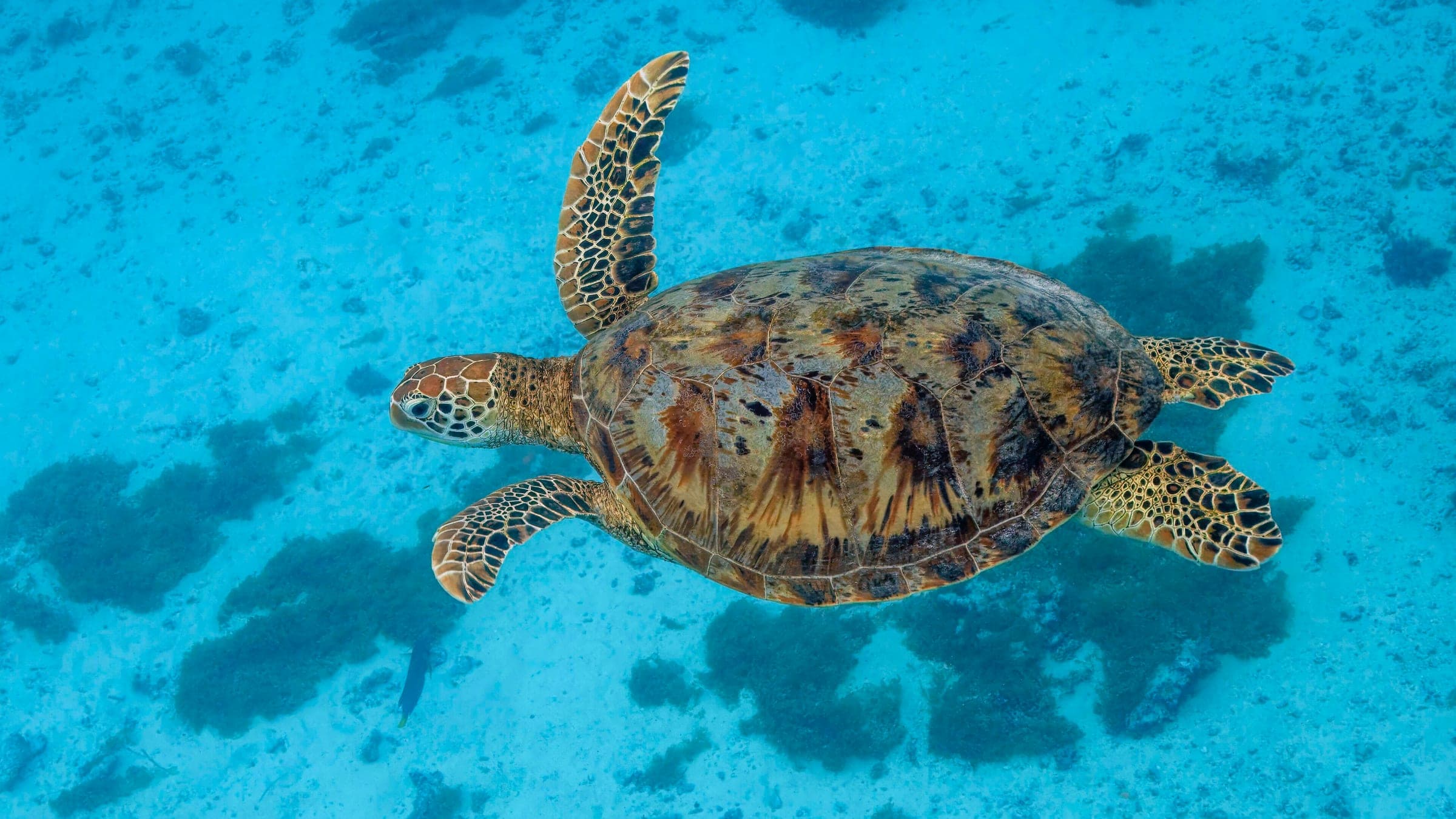
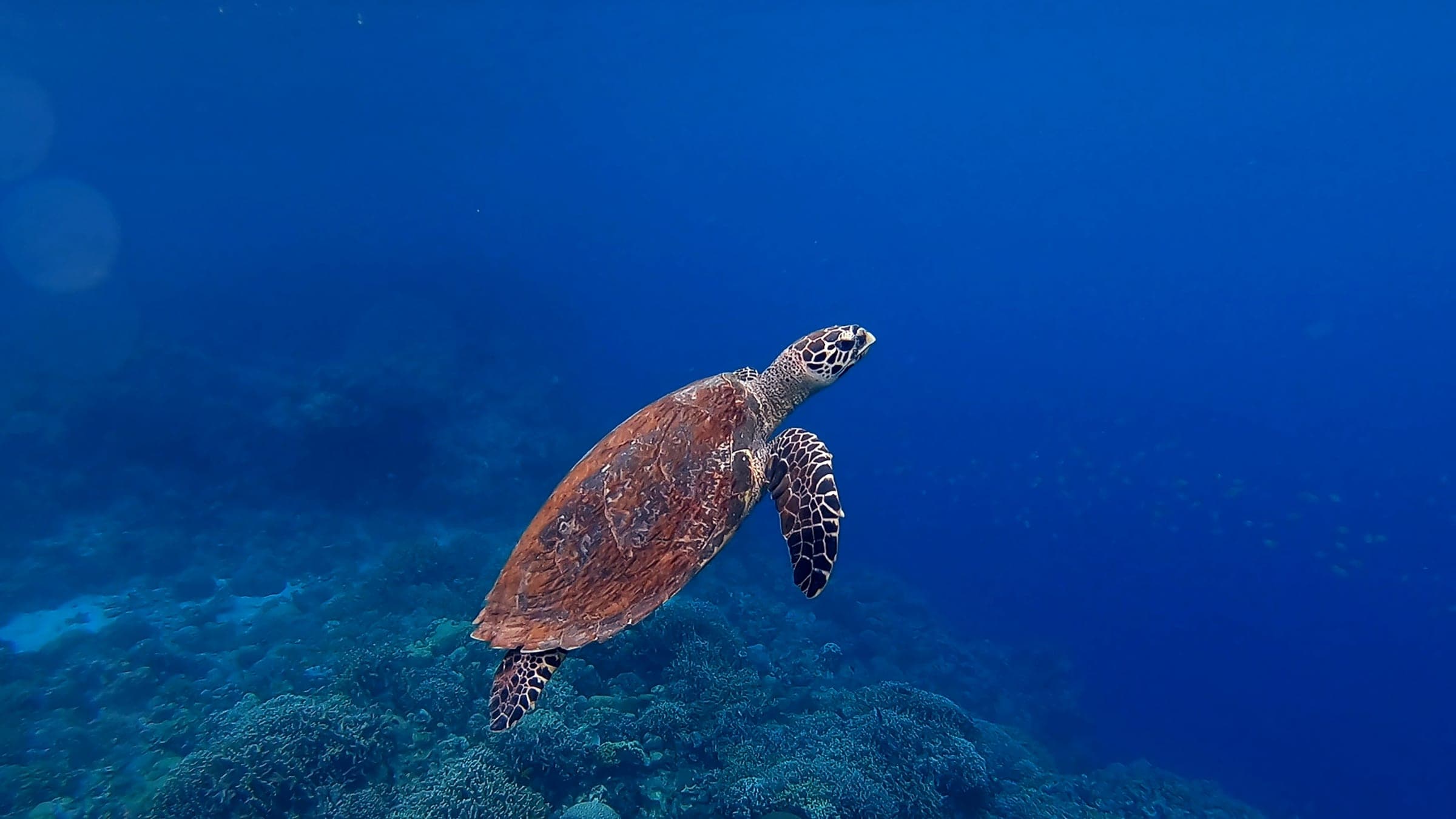
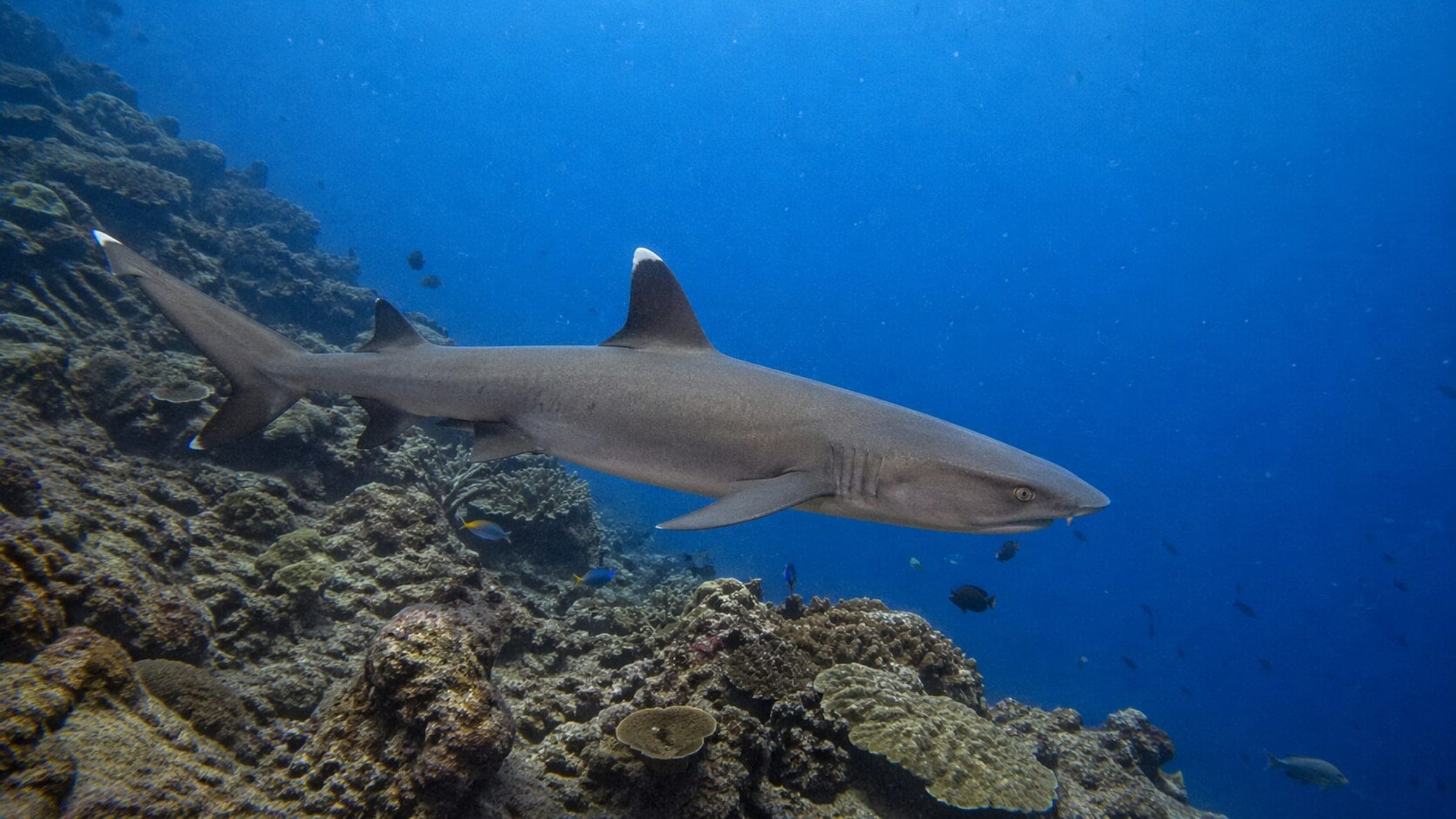
Species commonly reported at this site, with direct links into their wildlife guides.
Conservative baseline from public research. No community dives logged yet.
Last Updated
Research Sources
Beach-search tactics and timing guidance.
Local fossil-charter support and weather-dependent trip timing.
State tourism beach guide with access, facilities, and rough-water context.
Official Venice tourism page on fossil history and beach access.
Caspersen Beach is Venice's shark-tooth shoreline.
Shallow Anna Maria Island ledge reef