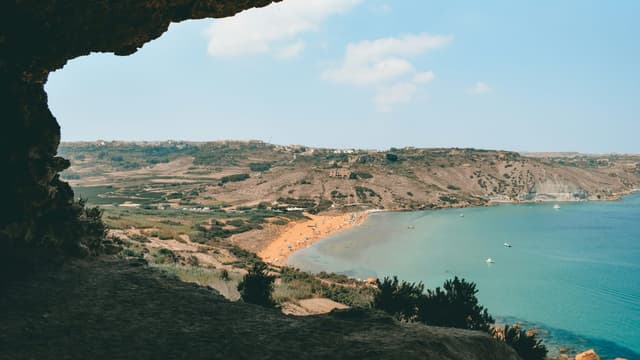
Gozo
Gozo gives scuba divers a rare mix of freedom and substance. You can shore-dive world-famous Dwejra in the morning, switch to Ghasri or Xwejni if the wind changes, and still finish with a relaxed sunset dinner in Xlendi.
Things to do · Country Guide
Short transfers, serious wrecks, bright blue geology, and a real mixed-group island plan
Start with the experience, then find the right place for it. Conditions and access vary between destinations.
Malta works for scuba because the whole country behaves like a compact dive circuit. Malta gives the strongest first-trip mix of easy shore entries, artificial wrecks, and coast-switching flexibility, while Gozo adds the country's most dramatic cave light, chimneys, and arch-heavy geology. The appeal is not just site count. It is that you can build progressive days: training and refreshers in the morning, a photogenic reef or wreck at midday, and a night dive or shoreline macro session without losing half the day to transport. Malta is especially strong for travelers who want recreational wrecks, clear Mediterranean blue water, and a realistic chance to dive almost year-round.
Places to explore
Gozo gives scuba divers a rare mix of freedom and substance. You can shore-dive world-famous Dwejra in the morning, switch to Ghasri or Xwejni if the wind changes, and still finish with a relaxed sunset dinner in Xlendi.
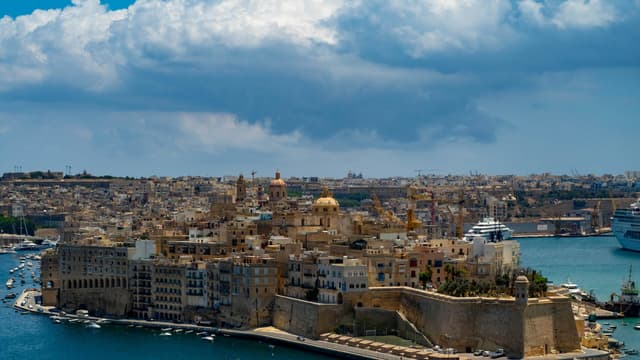
Base on Malta if you want the easiest airport day, more restaurant choice, and a broader spread of training to advanced sites. Add Gozo when cave light and quieter mornings matter more than nightlife. For a one-week trip, 4 nights on Malta plus 2 or 3 on Gozo is the most balanced split. For pure wreck productivity, stay longer on Malta and choose operators that can brief both artificial reefs and heritage protocols. Late summer and early autumn are the safest bet for warm water and high comfort, but winter trips still work if you plan by wind rather than by fixed site wish-list.
May - October
Expect calm days, but do not plan Malta as a pool. NW exposure can create surge and awkward exits, especially on west-facing and north-facing limestone entries. Currents are usually mild to moderate, but boat traffic, entry timing, and surge matter. Spring can feel sharper because water may still sit around 15°C to 18°C, while late summer and early autumn often bring 24°C to 27°C water and the clearest recreational visibility. Deeper heritage wrecks and overhead routes are not casual add-ons.
Malta is built for divers who like choice and structure. You can spend one day on easy shore entries and arches at Cirkewwa, another on the deep metal of Um El Faroud, then hop to Gozo for Blue Hole and Inland Sea without changing countries or burning a full transfer day.