Country Guide
Norway
Kelp forests, wartime wrecks and Arctic light along a coast built for cold-water exploration
Updated Nov 8, 2026 • 36 sources
Destinations
8
Dive spots
11
Country Guide
Kelp forests, wartime wrecks and Arctic light along a coast built for cold-water exploration
Updated Nov 8, 2026 • 36 sources
Overview
Norway rewards divers who trade tropical reefs for kelp forests, vivid anemones, nudibranchs, cold-water wrecks and dramatic fjords. Start with guided shore and boat diving in Gulen and Sognefjord Entrance or Lofoten; tackle Bodo and Saltstraumen only with suitable current and drysuit skills. Narvik and Ofotfjord specializes in historically sensitive wartime wrecks, while Norangsdalen and Hjorundfjord includes a submerged freshwater farm landscape with access restrictions to verify. Summer generally offers the easiest mixed-group itinerary, but spring macro photography and winter whale watching are distinct seasonal trips. Skjervoy and Northern Troms is primarily for responsible boat-based whale observation; regional tourism guidance discourages swimming with whales. Distances are long, water stays cold, operator calendars differ and site permissions matter. Plan one or two regions rather than trying to dive the entire country on a single trip.
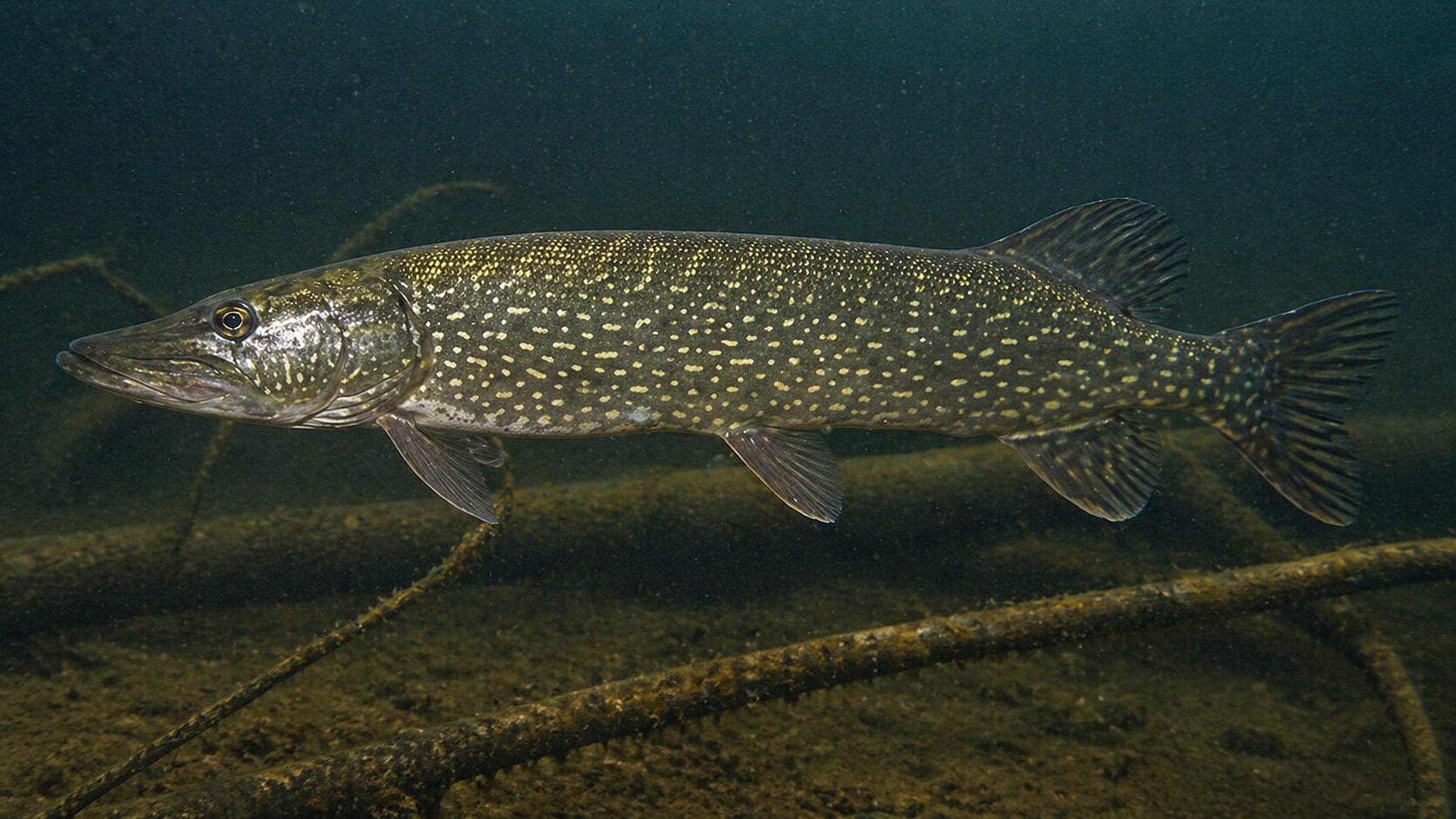
Kelp forests, sponges, anemones, cod, wolffish and macro subjects replace tropical coral scenery.
Narvik's 1940 harbor wrecks and Gulen's World War II wreck network offer serious history, not unrestricted penetration.
Saltstraumen's nutrient-rich currents support spectacular life, but certified drysuit skills and local timing are essential.
Scuba, freediving, snorkeling and topside wildlife boats have different providers, safety rules and seasonal availability.
A few places to start. Explore the full destination guide when you are ready to compare every region and dive spot.
Best overall window: June to September for mixed-coast itineraries; November to January for northern whale boats
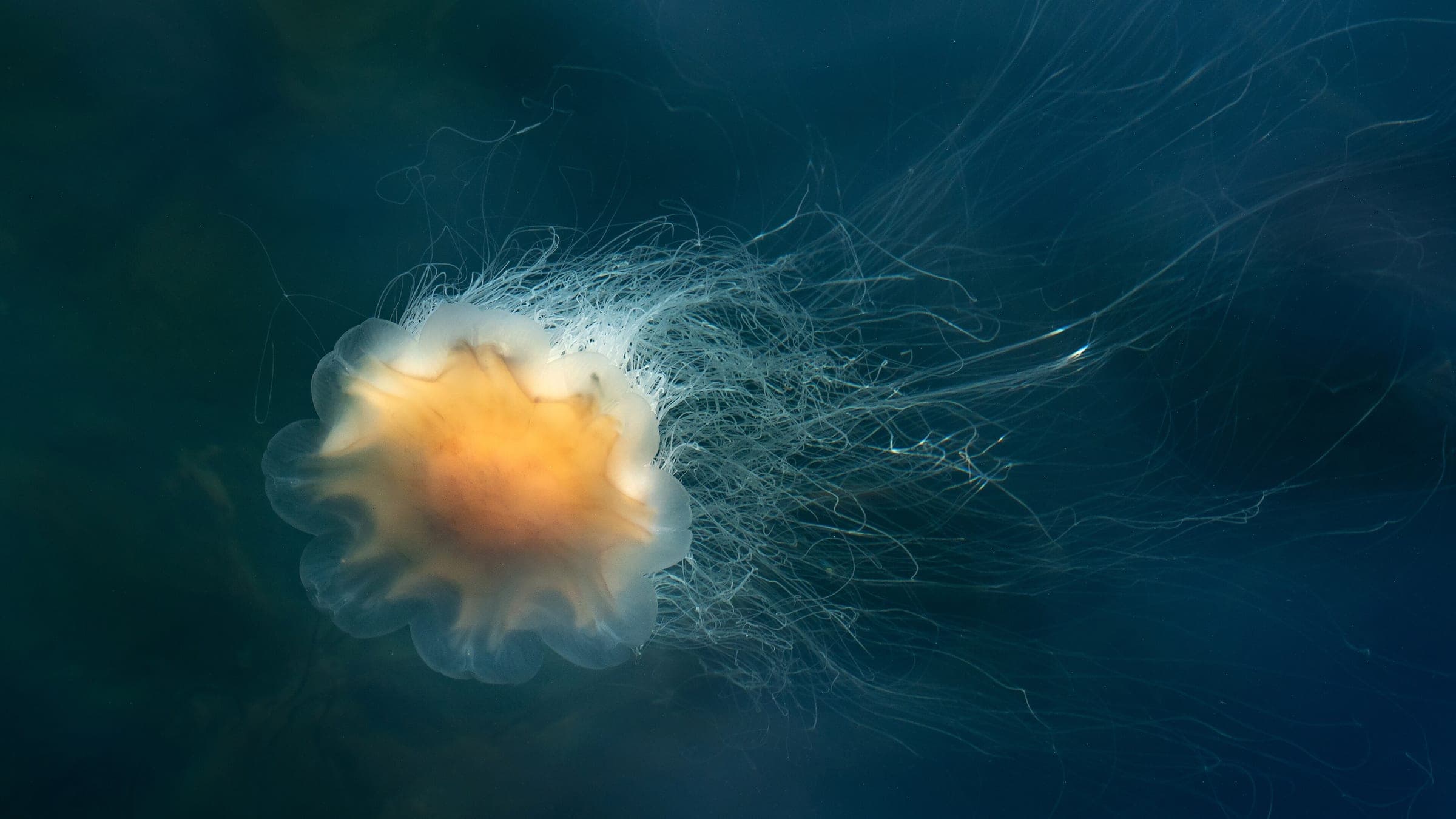
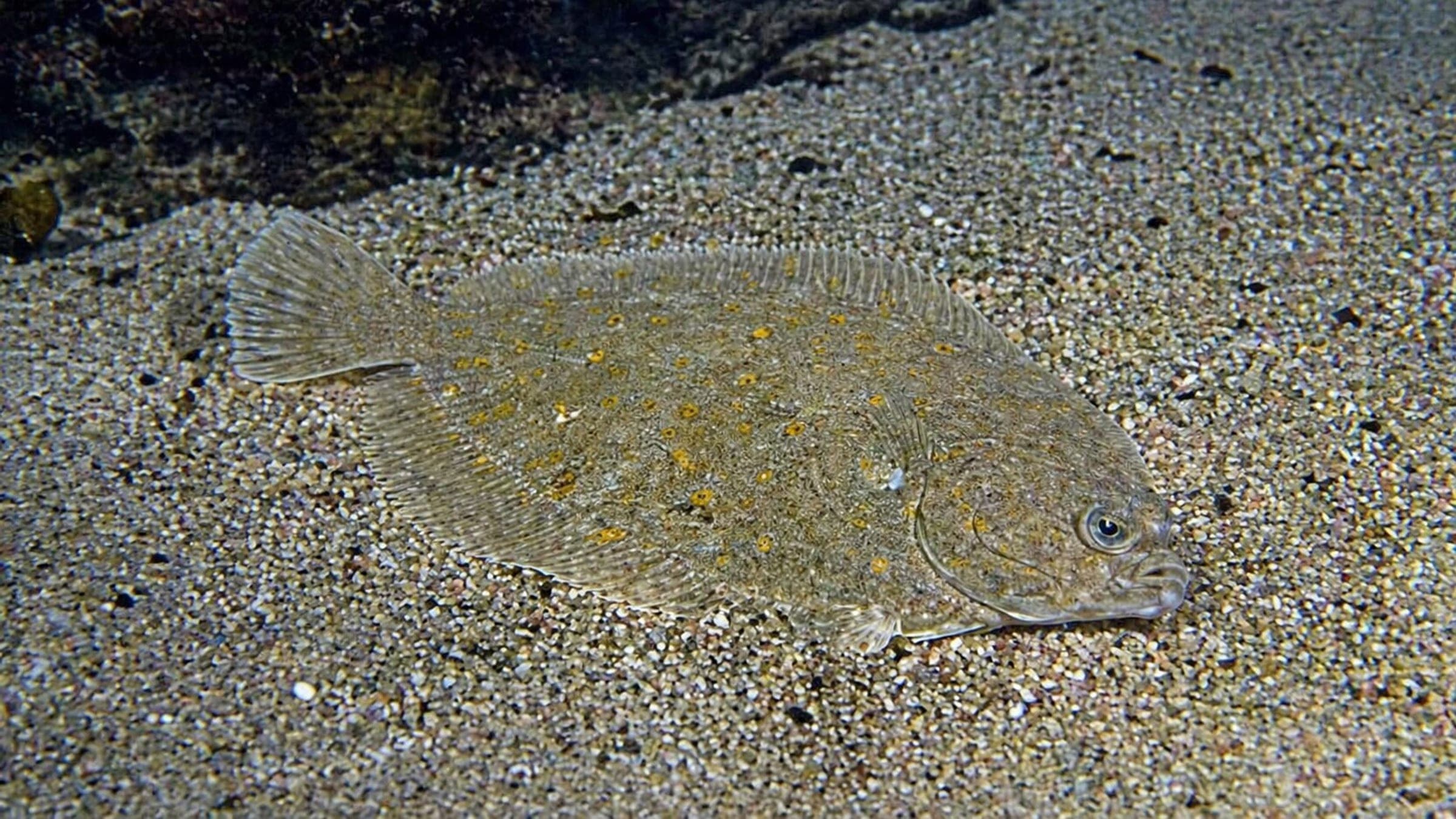
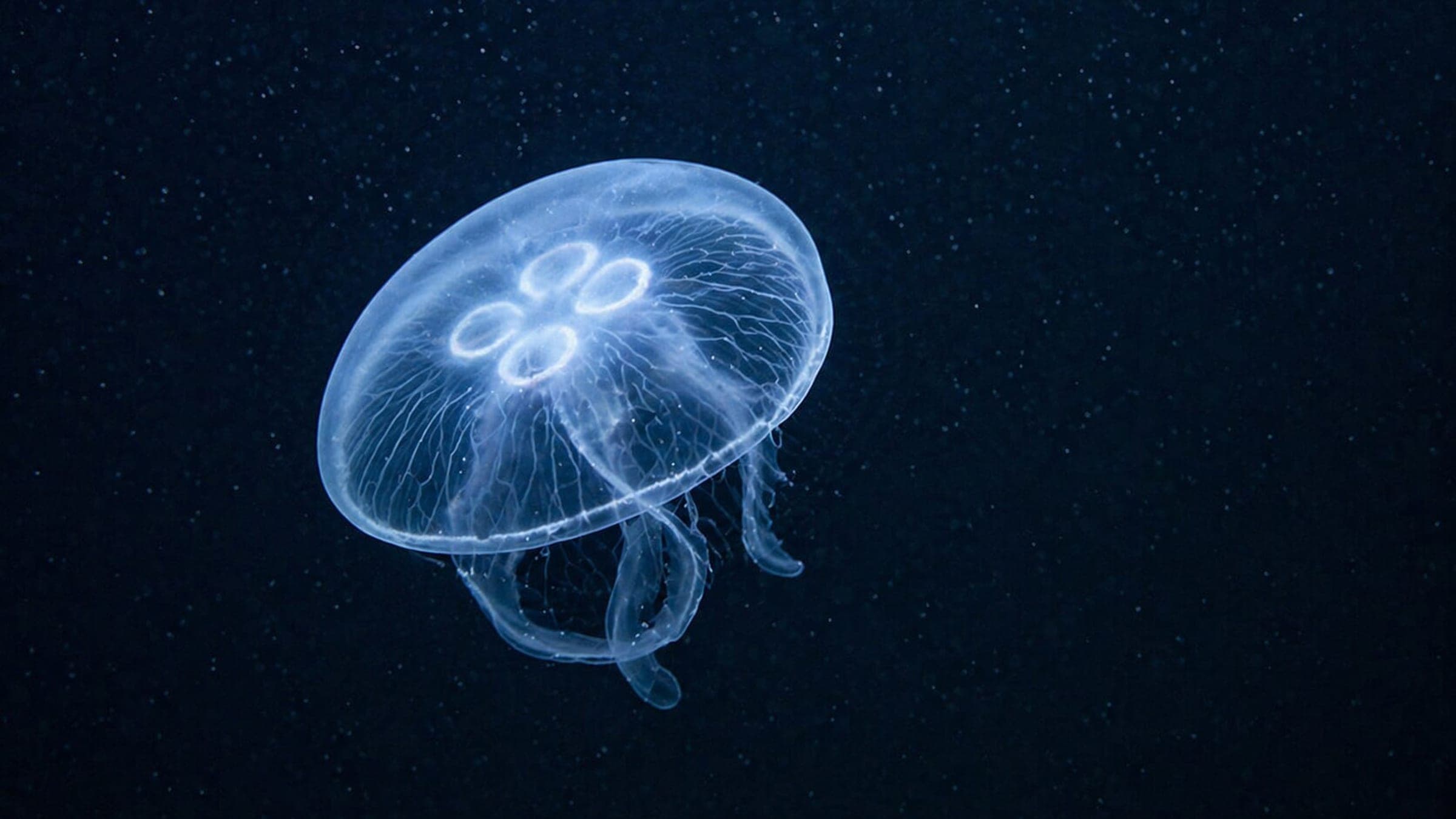
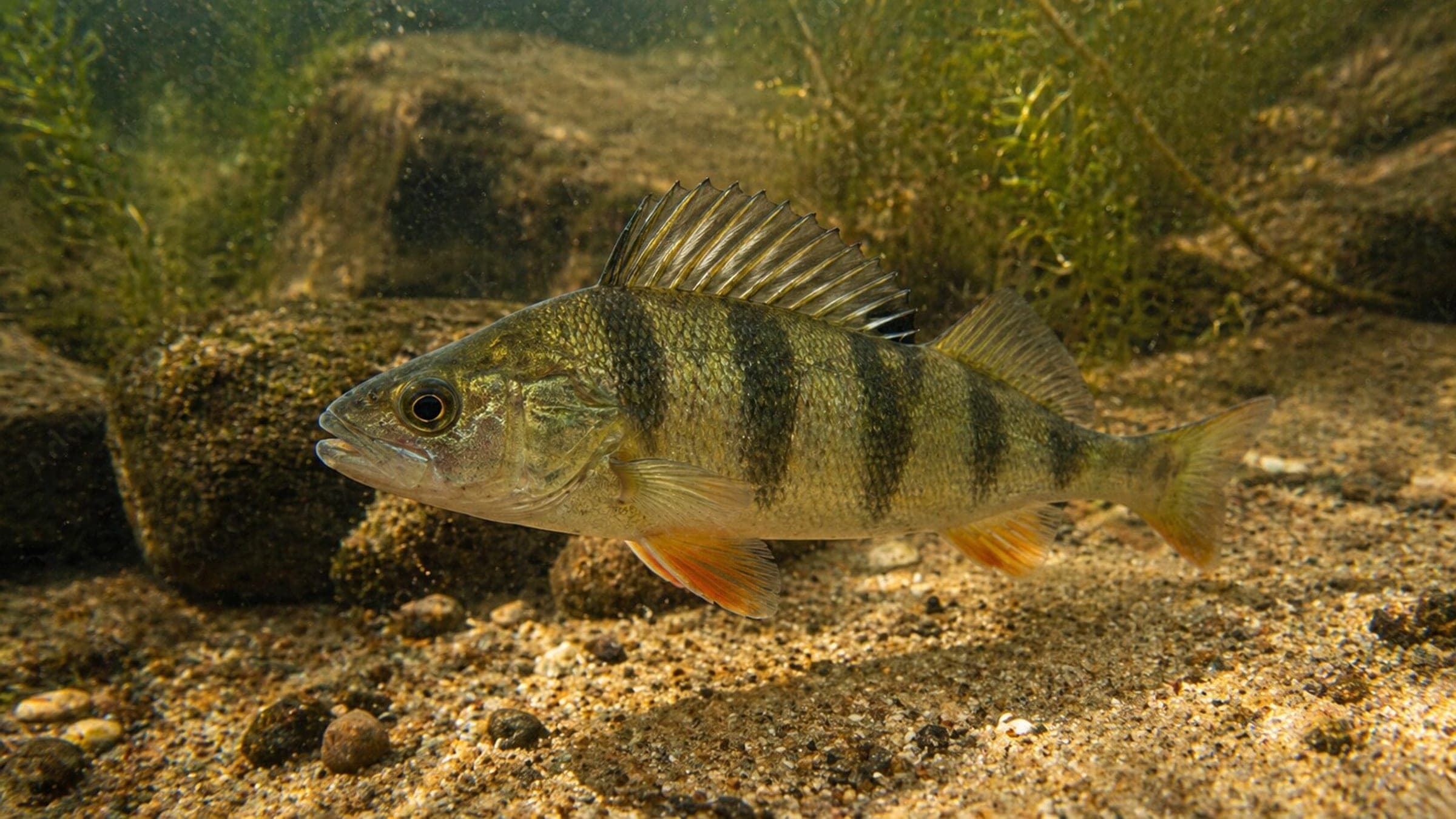
Top species linked to approved dive spots across Norway.
Receive new destination drops, profile upgrades, and dive map releases.
No spam. Just solid updates when something surfaces.
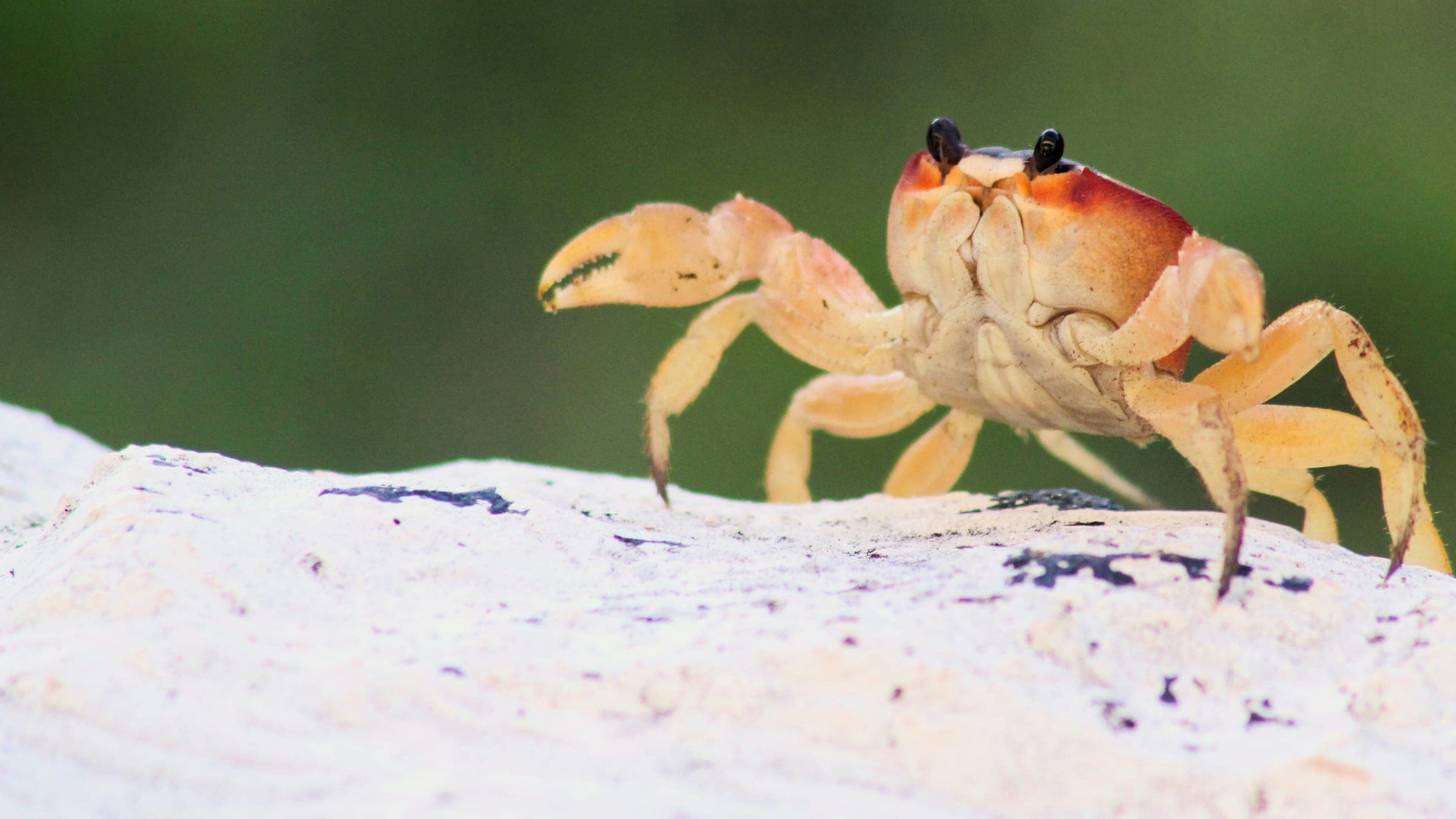
1 linked spots