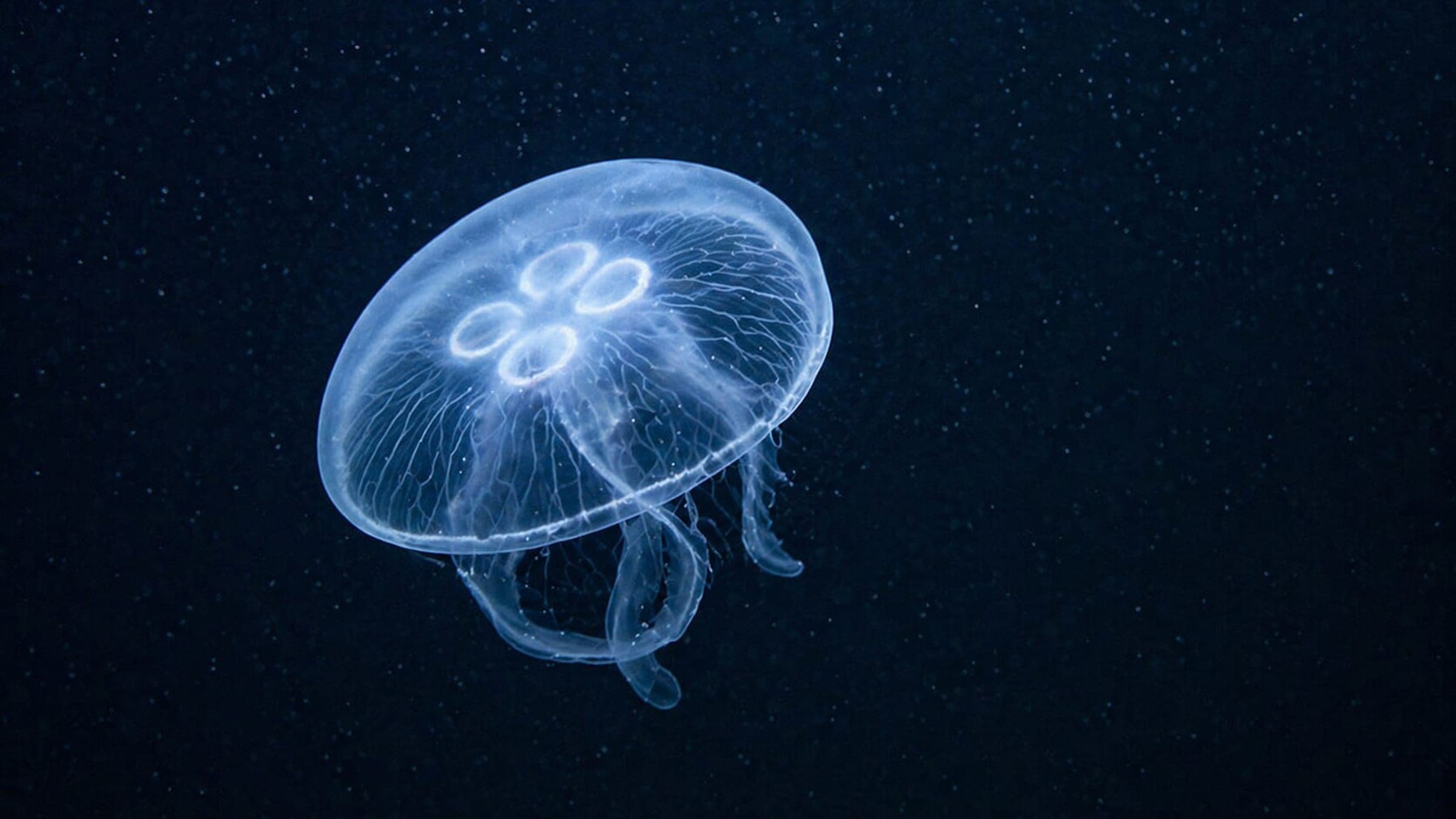
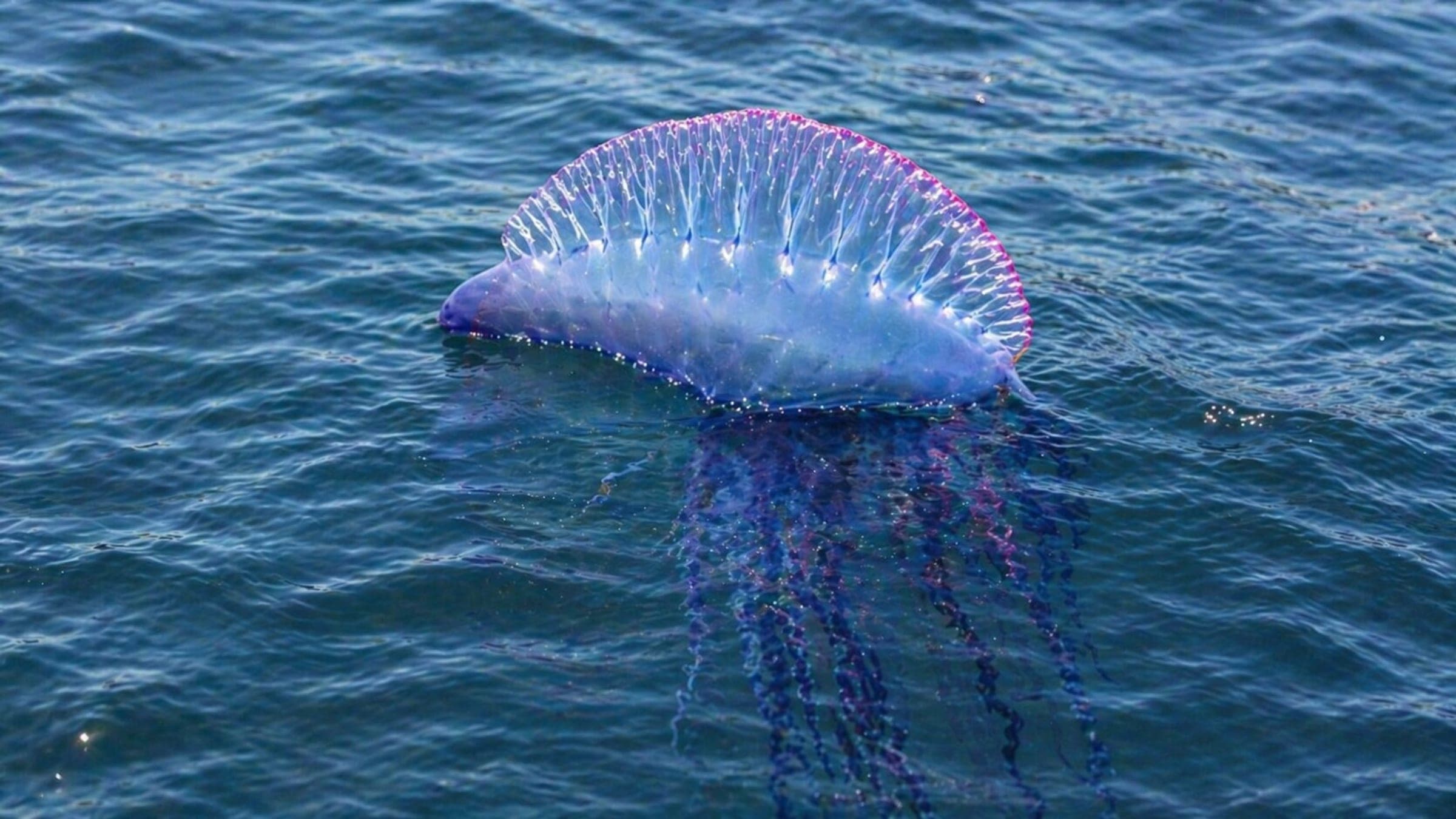
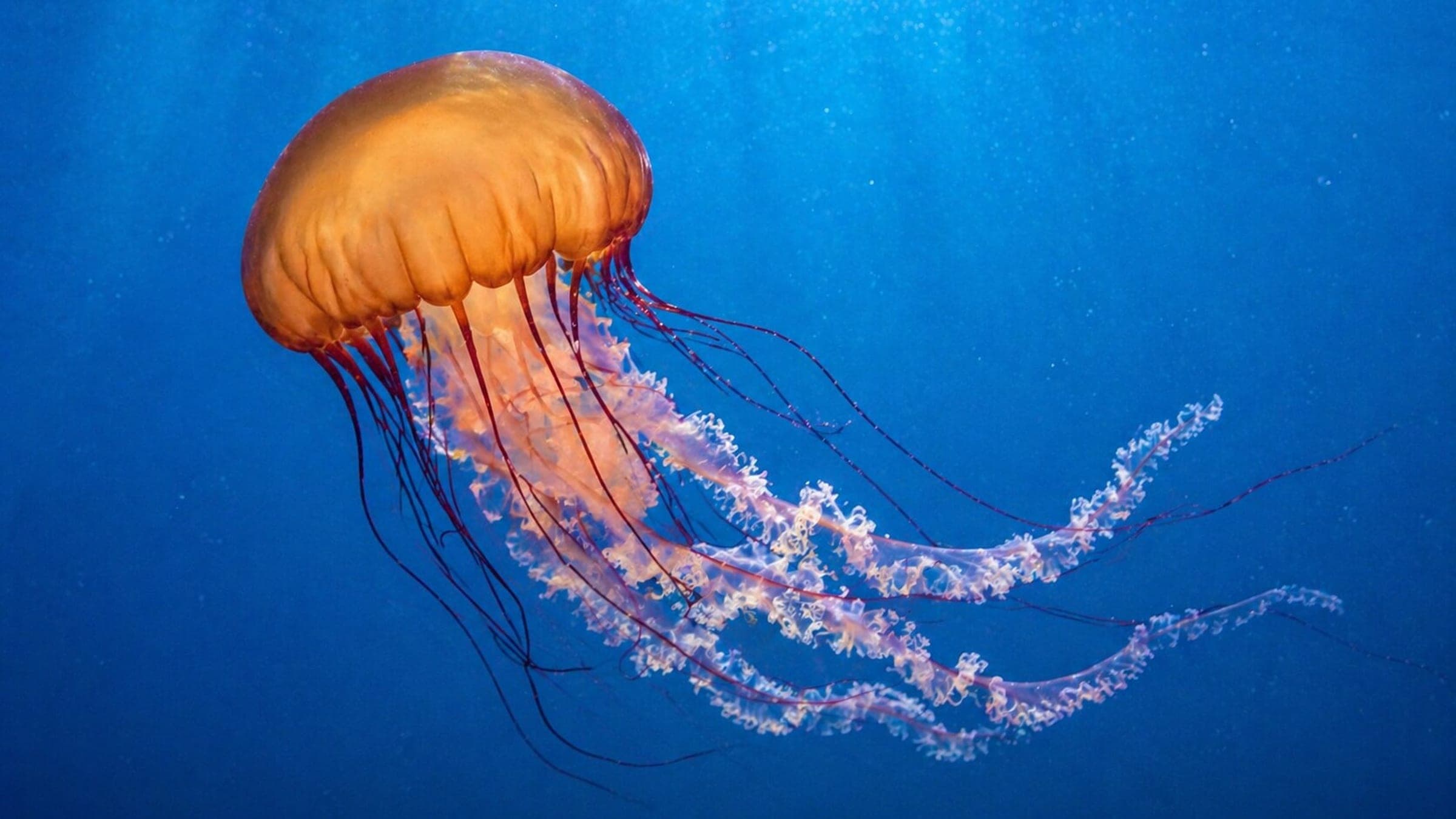
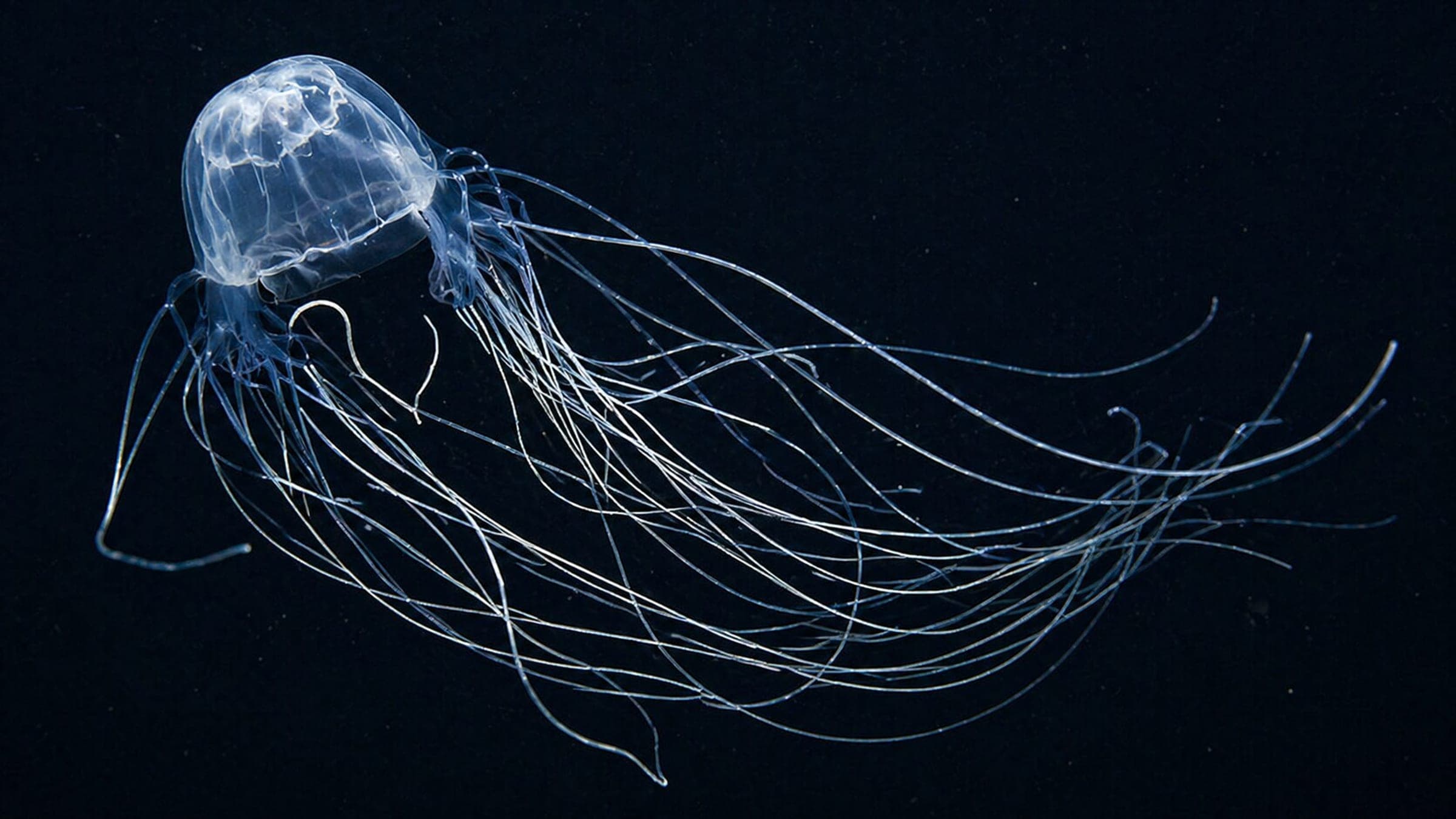
Large bell
Can reach very large sizes; the largest recorded bell measured about 210 cm in diameter.
Species Guide
A clean field guide focused on habitat, identification, behavior, and conservation context without burying the useful parts.
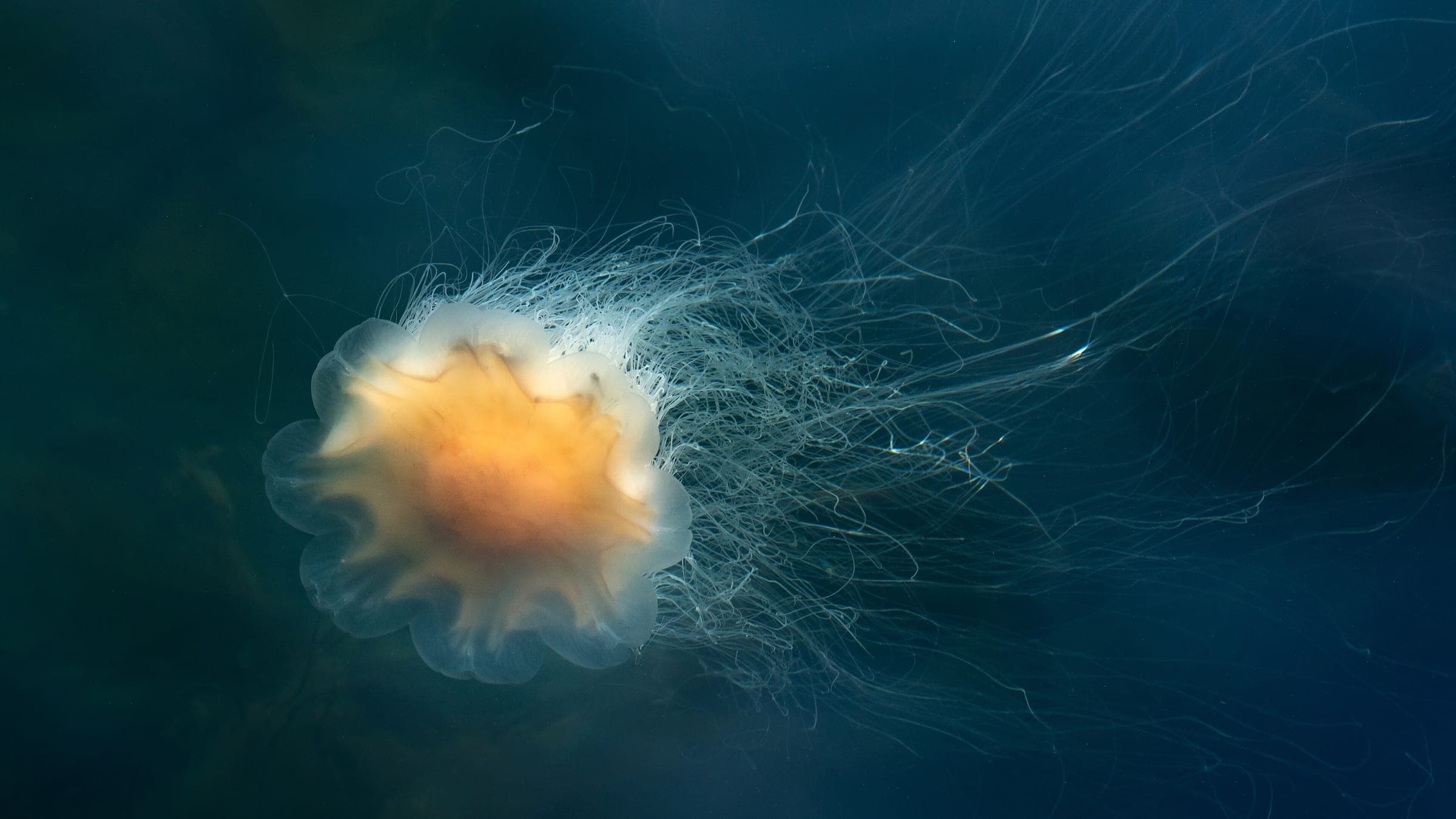
The lion's mane jellyfish (Cyanea capillata) is one of the largest known species of jellyfish. Its range is confined to cold, boreal waters of the Arctic, northern Atlantic, and northern Pacific Oceans. It is common in the English Channel, Irish Sea, North Sea, and in western Scandinavian waters south to Kattegat and Øresund, and may drift into the southwestern Baltic Sea (where it cannot breed due to low salinity). Similar jellyfish, which may be the same species, are reported near Australia and New Zealand. The largest recorded specimen (measured off Massachusetts in 1865) had a bell diameter of 210 cm and tentacles approximately 36.6 m long. Lion's mane jellyfish have been observed below 42°N latitude in larger bays of the U.S. East Coast.
Occurs in boreal northern seas and may drift into adjacent areas such as the southwestern Baltic Sea; has been observed in larger bays of the U.S. East Coast below 42°N latitude.
The strongest linked planning options currently surface around destinations such as Derawan Islands, Fehmarn and the Schleswig-Holstein Baltic Coast (Kiel and Lübeck Bay), Monterey Bay and countries such as Germany, United States of America, Canada for divers building trips around lion’s mane jellyfish.
Identification
The visual markers divers can use underwater, plus the species most likely to cause confusion.
Can reach very large sizes; the largest recorded bell measured about 210 cm in diameter.
Recorded tentacle length for the largest specimen was around 36.6 m.
Found in cold, boreal waters of the Arctic and northern Atlantic and Pacific Oceans.
Jellyfish reported near Australia and New Zealand are similar and may be the same species.
Range and Movement
The broad range, seasonal movement, or migratory behavior that shapes where divers encounter this species.
Occurs in boreal northern seas and may drift into adjacent areas such as the southwestern Baltic Sea; has been observed in larger bays of the U.S. East Coast below 42°N latitude.
Responsible Encounters
Conservation-minded guidance for divers who want the encounter without adding pressure.
Give lion’s mane jellyfish space, avoid blocking the animal's path, and follow local site and operator rules for wildlife interactions with jellyfish.
Field Notes
Useful species context that makes the encounter more meaningful once you are underwater.
The largest recorded specimen (1865, off Massachusetts) had a 210 cm bell and around 36.6 m of tentacles.
Individuals may drift into the southwestern Baltic Sea but cannot breed there because of low salinity.
Top Destinations
Destinations surfaced from the linked dive spots associated with this species.
Indonesia

Germany

United States

Spain

Germany

French Polynesia
Top Countries
The strongest country-level starting points currently linked to this species.
Top Dive Spots
Directly linked dive spots where this species already shows up in the planning data.
Rock and cave dive with sheltered structure.
Maratua boat dive with gentle slope, coral blocks, and rays
Crazy Eight is a boat-accessed Red Sea reef with a deep drop-off.
D/S Romanby: Narvik harbour wreck with easy outer circuits
Summer lido with shallow freshwater swimming and a marked thermocline.
Snoghøj shore dive with strong current, sandy bottom, and bridge structure.
FAQ
Clear planning and conservation answers written for search visibility and AI retrieval.
Research Sources
Primary and credible references behind the field-guide and conservation claims on this page.
Primary wildlife guide source.
Taxonomy reference.
Related Species
Related species guides in the same encounter family.