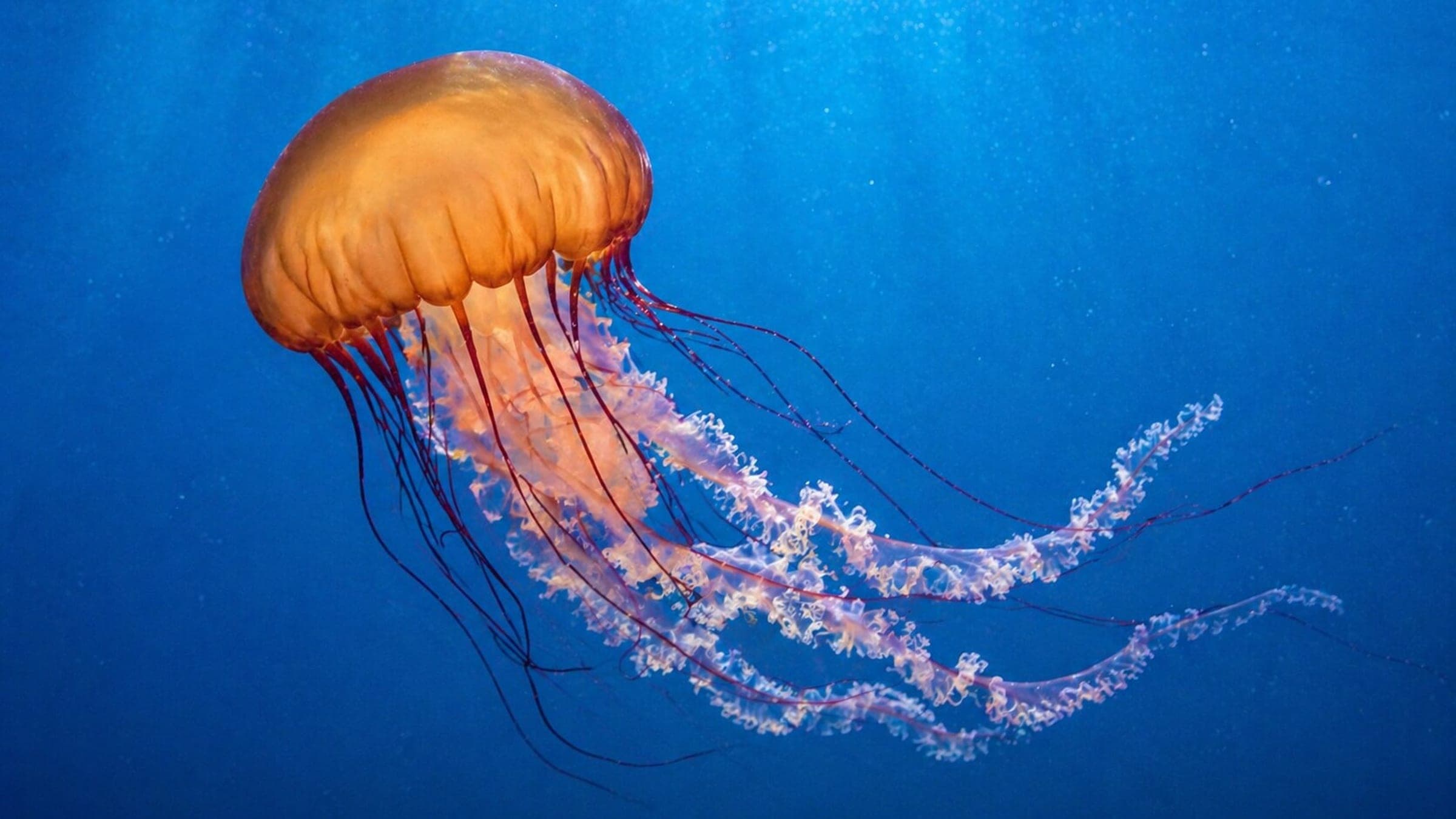
Body shape
Distinguished by a box-like (cube-shaped) body.
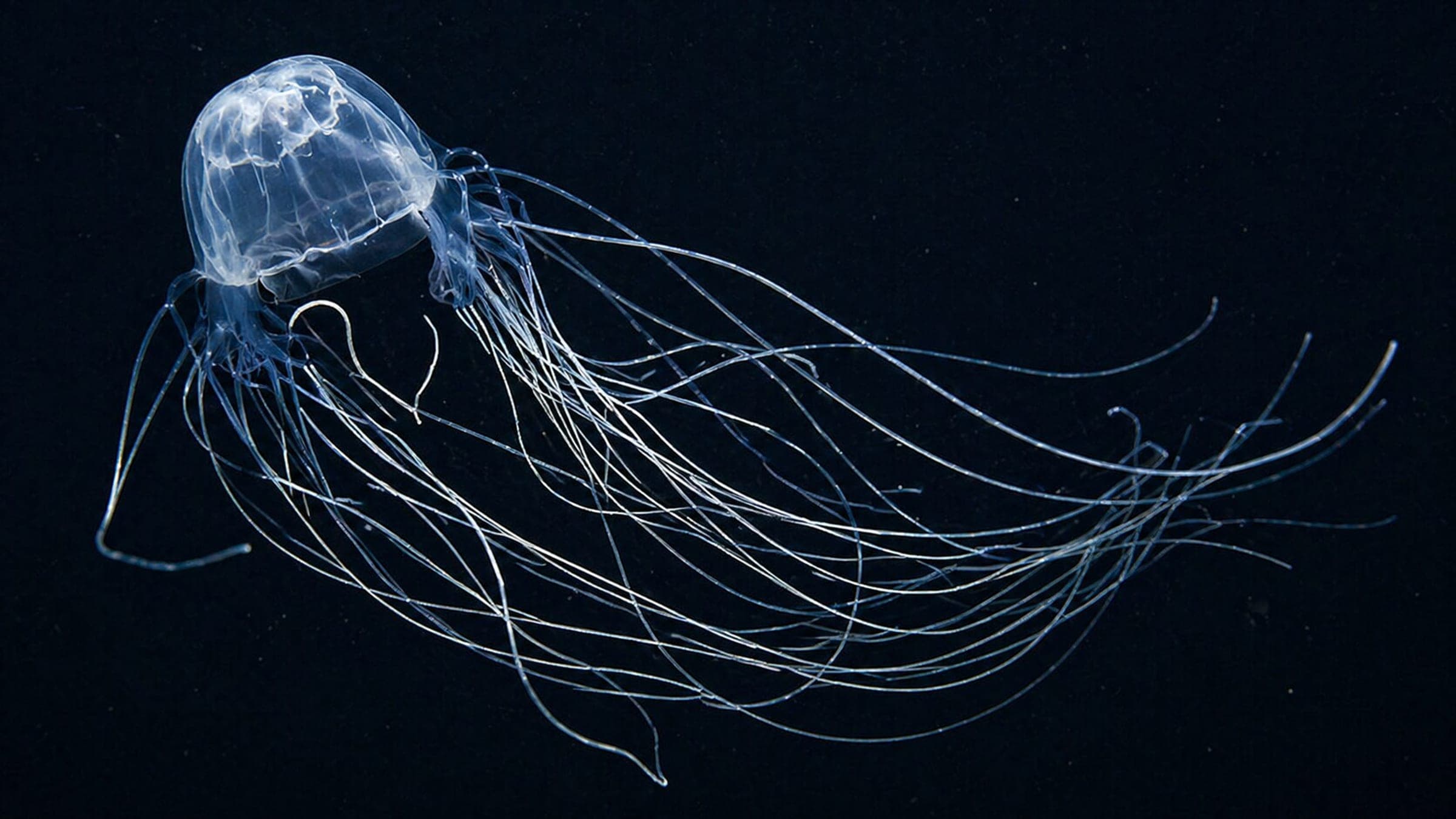
Box jellyfish are cube-shaped cnidarian invertebrates, with some species producing potent venom that can cause painful or sometimes fatal stings to humans.
Last Updated Mar 9, 2026 ·
Species Guide
A clean field guide focused on habitat, identification, behavior, and conservation context without burying the useful parts.
Box jellyfish (class Cubozoa) are cnidarian invertebrates distinguished by a box-like (cube-shaped) body. Some species produce potent venom delivered by contact with their tentacles. Stings from some species, including Chironex fleckeri, Carukia barnesi, and Malo kingi, are described as extremely painful and often fatal to humans. Other species, such as Carybdea murrayana, can produce a painful sting that is not fatal to humans.
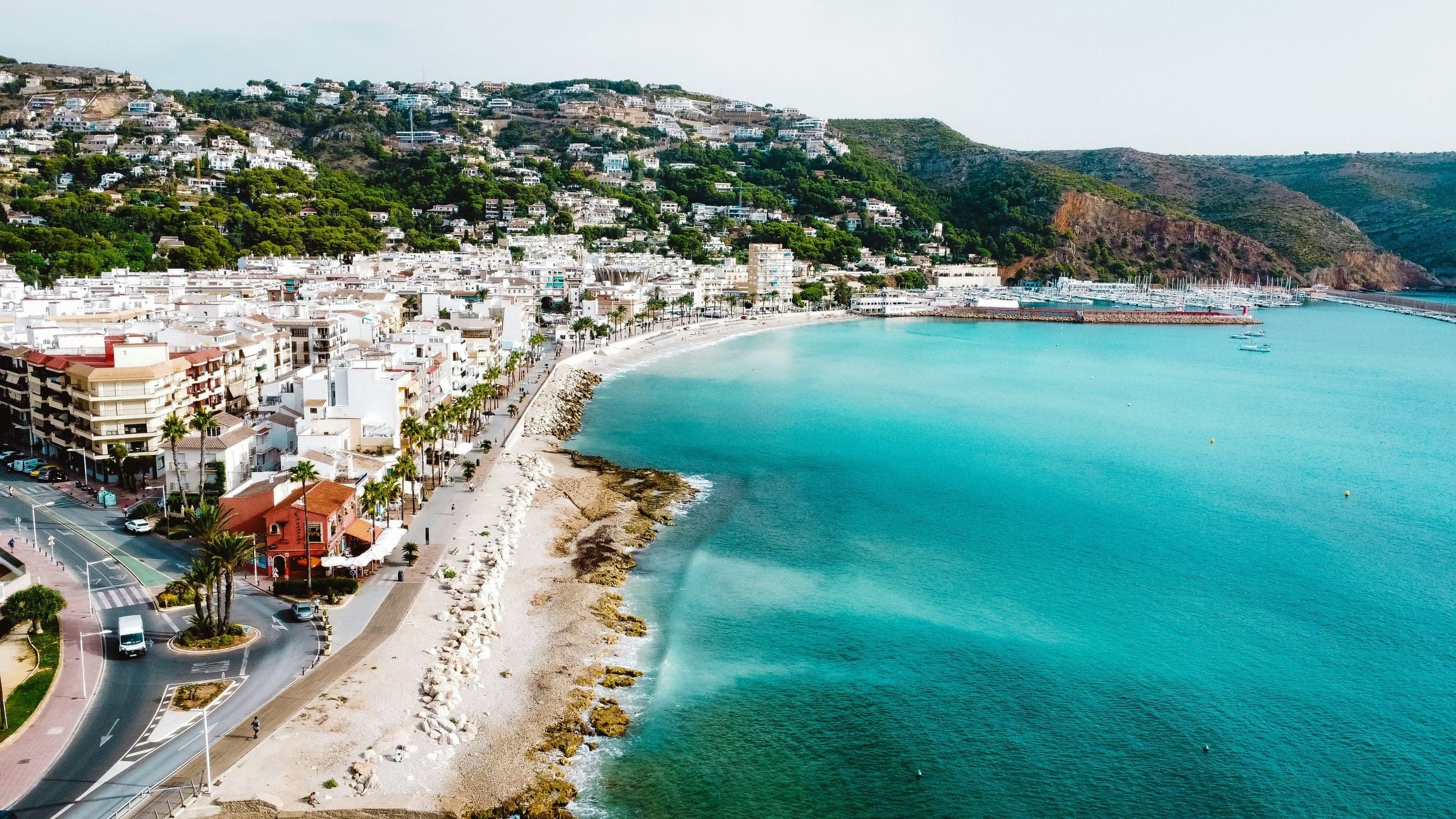
The strongest linked planning options currently surface around destinations such as Cape Town, Costa Blanca: Denia and Xabia/Javea and countries such as South Africa, Spain for divers building trips around sea wasps.
Identification
The visual markers divers can use underwater, plus the species most likely to cause confusion.
Distinguished by a box-like (cube-shaped) body.
Some species have tentacles that deliver potent venom on contact.
Responsible Encounters
Conservation-minded guidance for divers who want the encounter without adding pressure.
Give sea wasp space, avoid blocking the animal's path, and follow local site and operator rules for wildlife interactions with jellyfish.
Field Notes
Useful species context that makes the encounter more meaningful once you are underwater.
Box jellyfish are members of the class Cubozoa.
Different species vary in severity of sting, from painful but non-fatal to often fatal.
Named species associated with extremely painful and often fatal stings include Chironex fleckeri, Carukia barnesi, and Malo kingi.
Carybdea murrayana is an example of a species that produces a painful but not fatal sting.
Top Destinations
Destinations surfaced from the linked dive spots associated with this species.
Top Countries
The strongest country-level starting points currently linked to this species.
Top Dive Spots
Directly linked dive spots where this species already shows up in the planning data.
Costa Blanca Denia and Javea: a site-specific underwater feature shore dive
Sheltered Simon's Town shore dive with sand and wreckage
FAQ
Clear planning and conservation answers written for search visibility and AI retrieval.
Research Sources
Primary and credible references behind the field-guide and conservation claims on this page.
Primary wildlife guide source.
Supporting wildlife source.
Related Species
Related species guides in the same encounter family.