Family
Belongs to the family Ulmaridae.
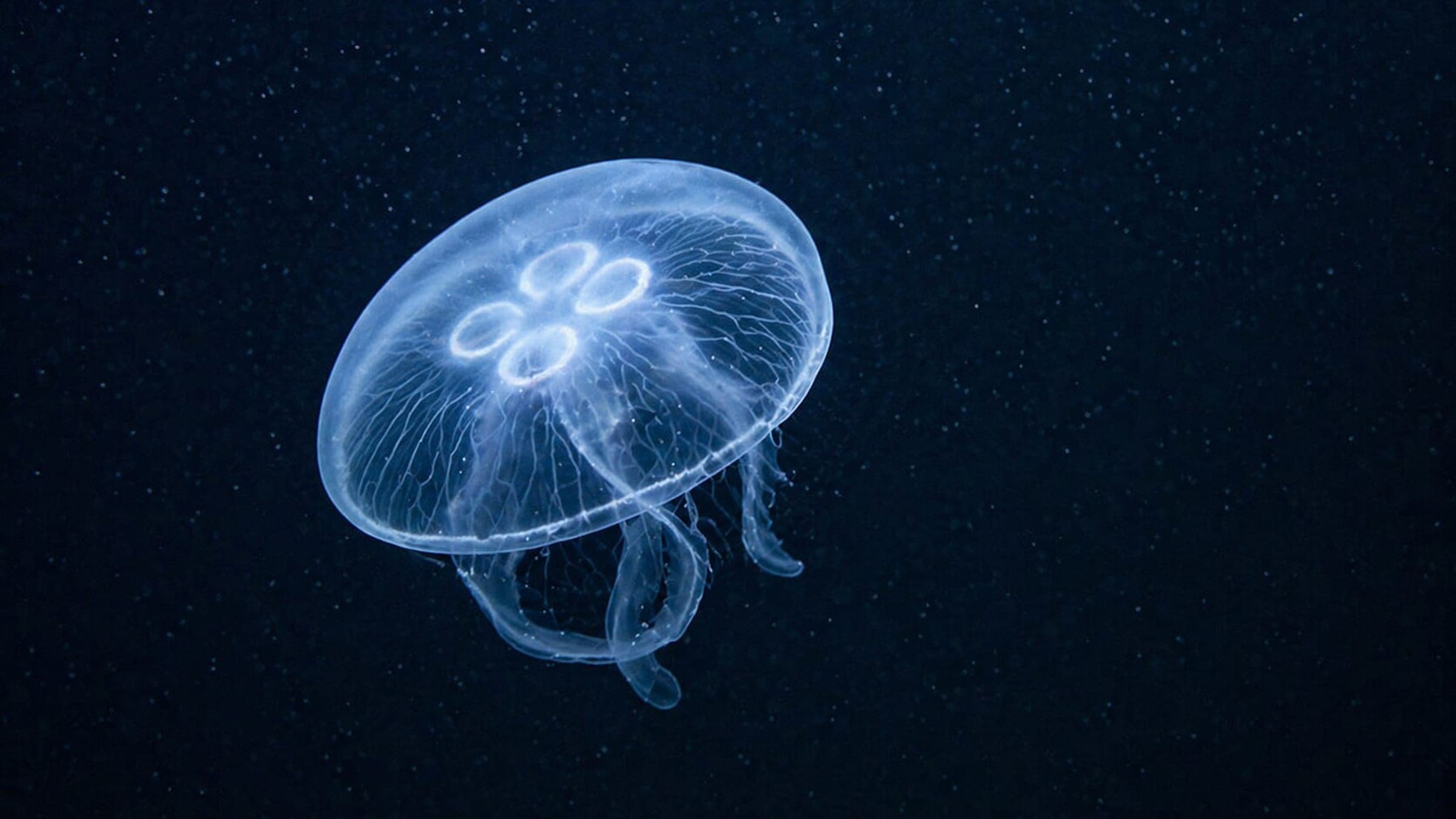
Aurelia aurita
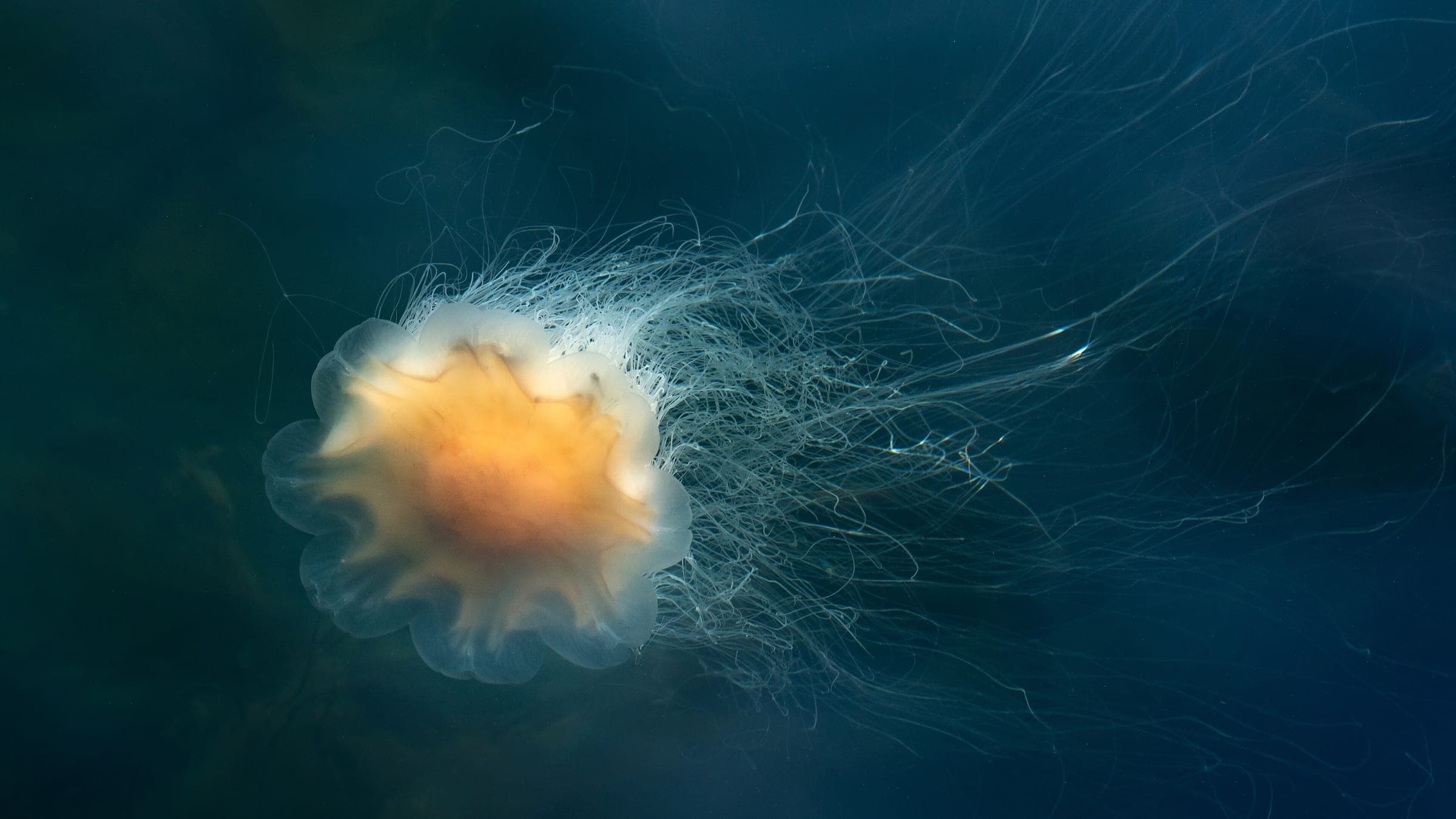
Aurelia aurita, the moon jellyfish, is a true jellyfish species in family Ulmaridae found in the north Atlantic and Argentina and is not dangerous to humans.
Species Guide
A clean field guide focused on habitat, identification, behavior, and conservation context without burying the useful parts.
Aurelia aurita is a species of true jellyfish in the family Ulmaridae and is the type species of the genus Aurelia. Before the 2020s the taxon was considered cosmopolitan, but it has since been split into at least 28 species. The species now identified as A. aurita is found in the north Atlantic and in Argentina. A. aurita is not dangerous to humans.
The strongest linked planning options currently surface around destinations such as Zeeland (Oosterschelde and Grevelingenmeer), Fehmarn and the Schleswig-Holstein Baltic Coast (Kiel and Lübeck Bay), Cape Town and countries such as Netherlands, Germany, Bulgaria for divers building trips around moon jellyfish.
Identification
The visual markers divers can use underwater, plus the species most likely to cause confusion.
Belongs to the family Ulmaridae.
Aurelia aurita is the type species of the genus Aurelia.
Last Updated Mar 9, 2026 · 3 sources
Responsible Encounters
Conservation-minded guidance for divers who want the encounter without adding pressure.
Give moon jellyfish space, avoid blocking the animal's path, and follow local site and operator rules for wildlife interactions with jellyfish.
Field Notes
Useful species context that makes the encounter more meaningful once you are underwater.
Before the 2020s the taxon was considered cosmopolitan; it has since been split into at least 28 species.
Also called the common jellyfish, moon jellyfish, moon jelly, or saucer jelly.
Top Destinations
Destinations surfaced from the linked dive spots associated with this species.

Netherlands

Germany

South Africa

United Kingdom

France
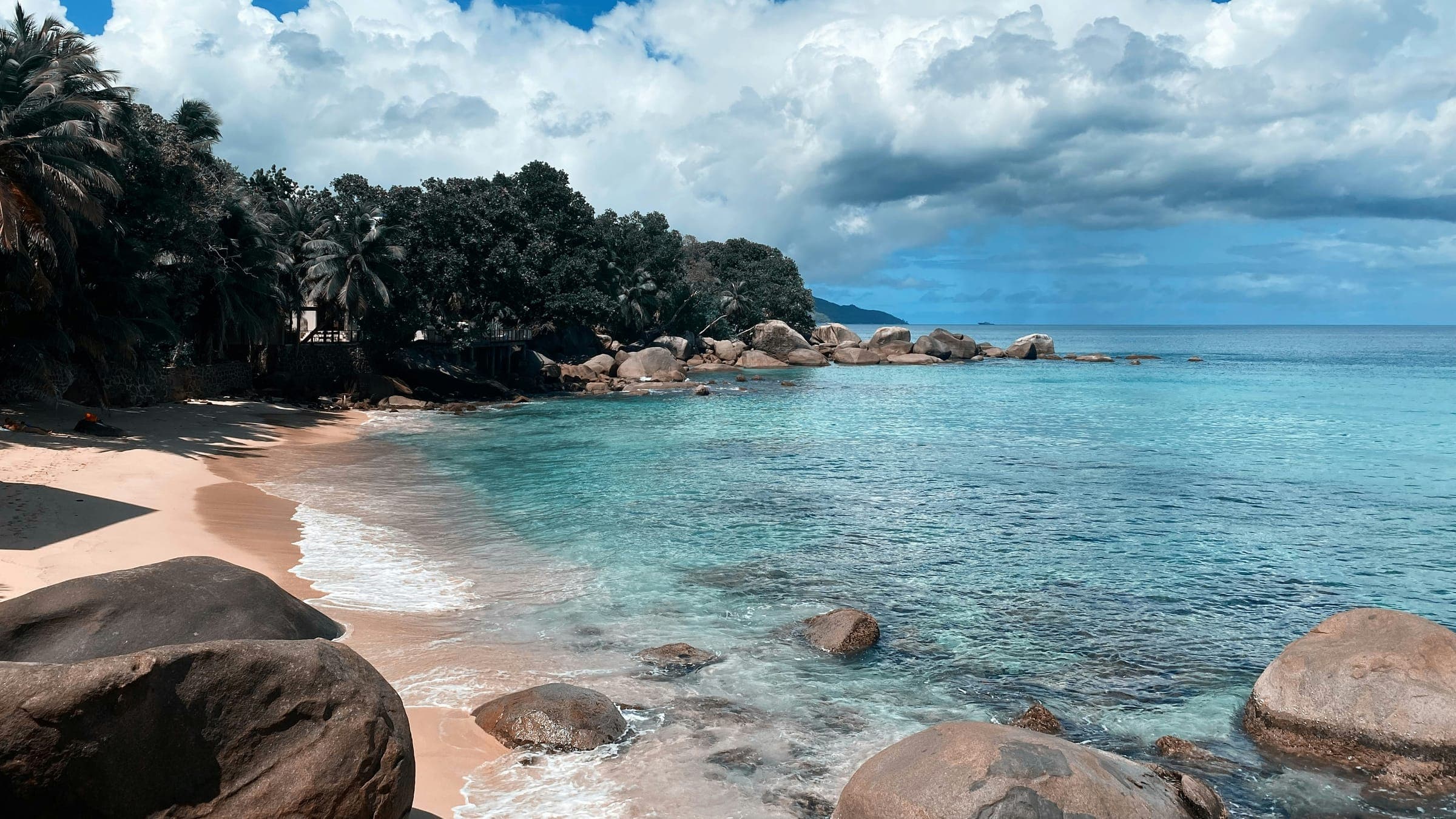
Seychelles
Top Countries
The strongest country-level starting points currently linked to this species.
Top Dive Spots
Directly linked dive spots where this species already shows up in the planning data.
Calm Matinhos beach with shallow water, lifeguards, and easy snorkeling.
Sheltered Port de Sóller training cove with rock and posidonia.
Calm-day shore dive at Plaja Mica with easy entry and small marine life.
Shore dive with a small wall, sandy bottom, and kelp life.
Encinitas shore dive with rocks, crevices, and moon jellyfish.
Volcanic Adriatic boat dive with macro life and Spanish dancers.
Diver Sightings
Approved diver reports where moon jellyfish were recently tagged.
FAQ
Clear planning and conservation answers written for search visibility and AI retrieval.
Research Sources
Primary and credible references behind the field-guide and conservation claims on this page.
Primary wildlife guide source.
Supporting wildlife source.
Taxonomy reference.
Related Species
Related species guides in the same encounter family.