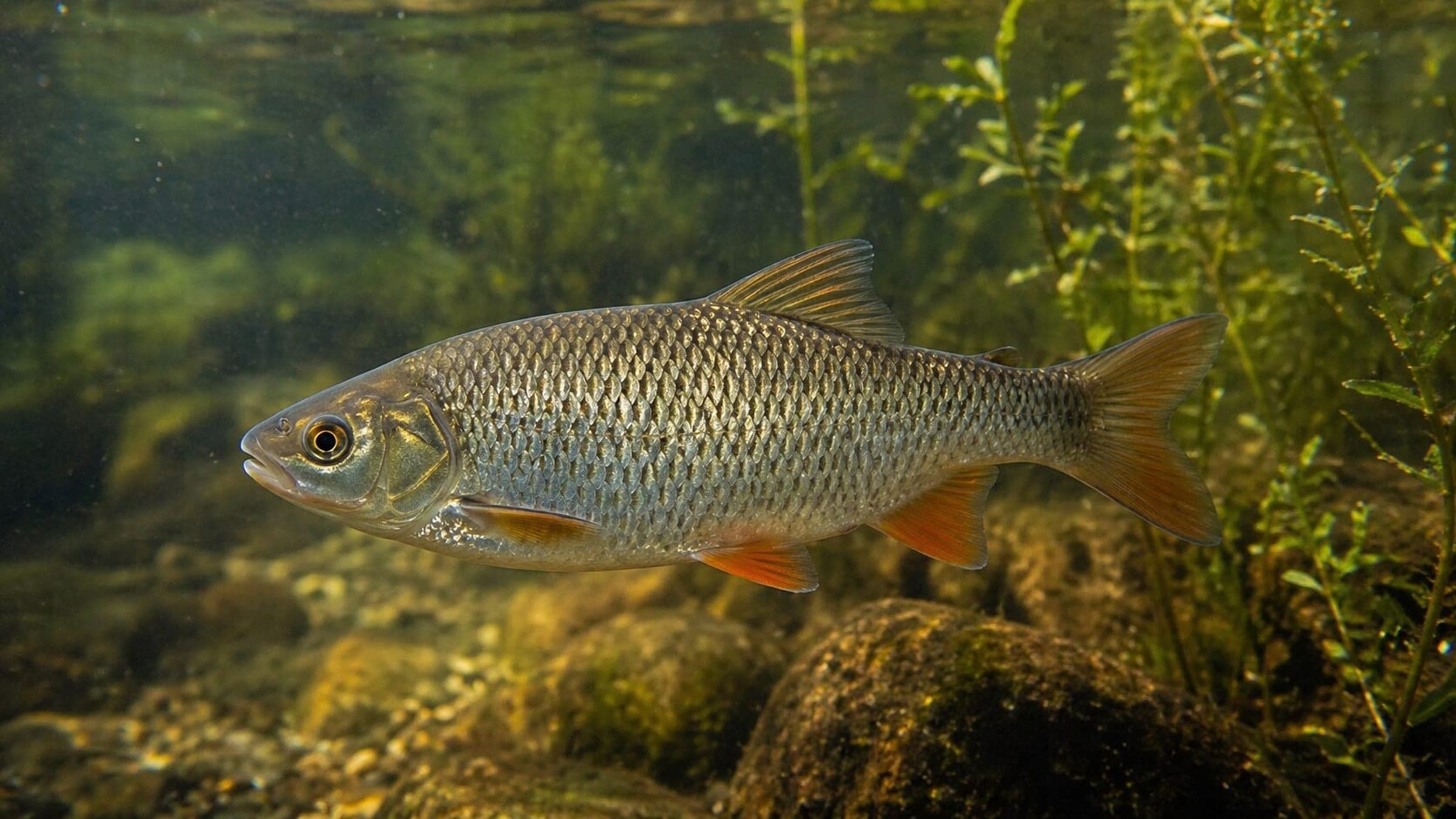
Body shape
Elongated, torpedo-like body typical of predatory fishes.
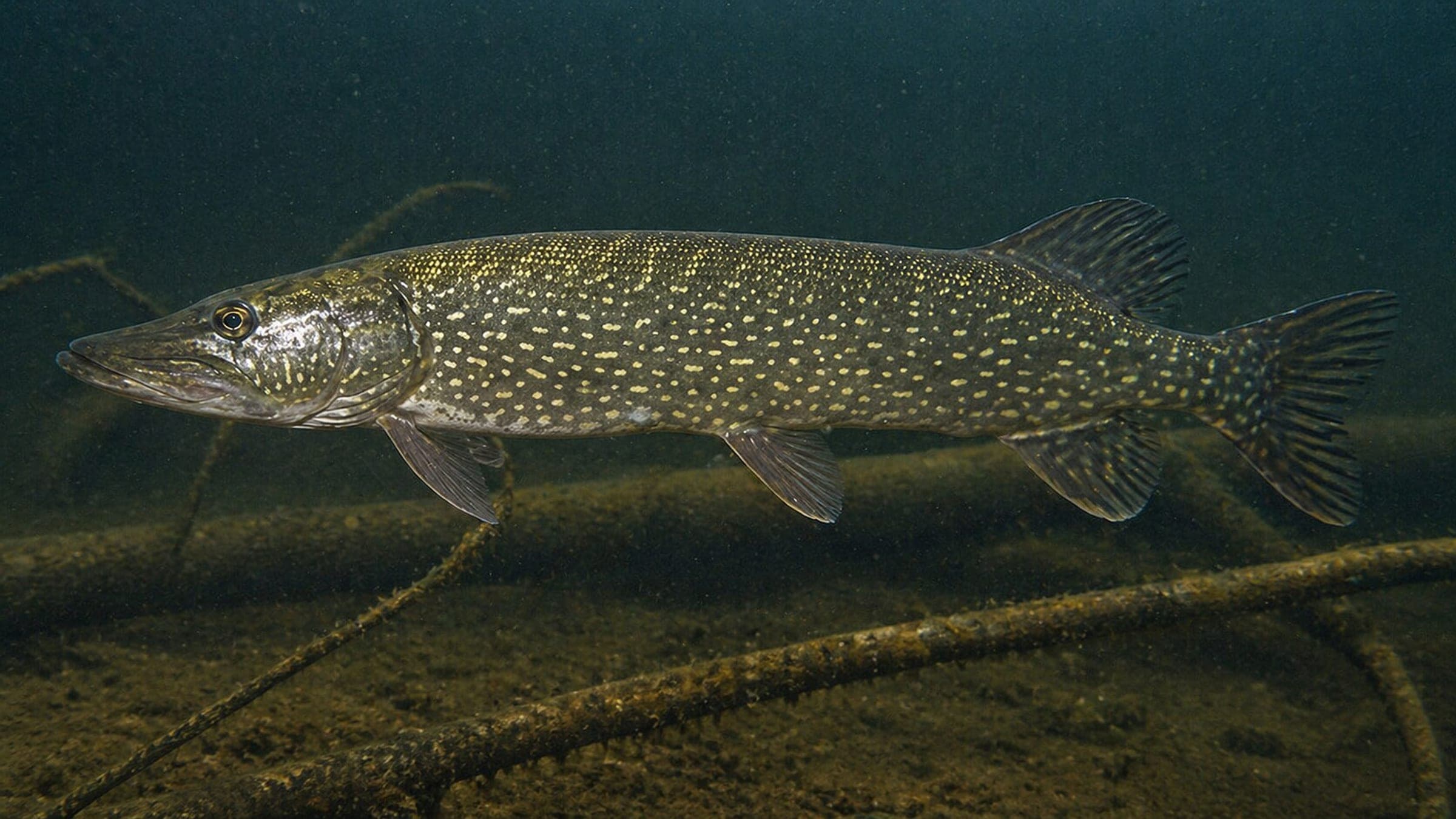
Esox
Esox (pikes) are elongate freshwater predatory fishes with mottled camouflage found across northern Eurasia and North America.
Species Guide
A clean field guide focused on habitat, identification, behavior, and conservation context without burying the useful parts.
Esox is a genus of freshwater fish commonly called pike or pickerel and is the type genus of the family Esocidae. The type species is Esox lucius, the northern pike. Fossils of Esox extend back to the Paleocene. Modern large pike species are native to the Palearctic and Nearctic realms, occurring across North America and from Western Europe to Siberia in northern Asia. Pike have an elongated, torpedo-like body shape typical of predatory fishes, with sharply pointed heads and sharp teeth. Their coloration is typically grey-green with a mottled or spotted appearance and stripes along the back that provide camouflage among underwater weeds. Individual pike have unique marking patterns. Recorded maximums for the group include a length of 1.50 m (5 ft) and a weight of 55 lb, 1 oz. They are long-lived; a nineteenth-century museum skeleton of a particularly large specimen was thought to have been up to 100 years old.
The strongest linked planning options currently surface around destinations such as Lake Constance (Bodensee), Berlin and Brandenburg Lakes (Straussee, Stechlinsee and Werbellinsee), French Alpine Lakes (Annecy, Bourget and Lake Geneva) and countries such as Germany, Austria, Switzerland for divers building trips around pikes.
Identification
The visual markers divers can use underwater, plus the species most likely to cause confusion.
Elongated, torpedo-like body typical of predatory fishes.
Last Updated Mar 9, 2026 · 3 sources
Sharply pointed head with sharp teeth.
Typically grey-green with a mottled or spotted appearance and stripes along the back for camouflage among underwater weeds.
Each individual pike has unique marking patterns.
Responsible Encounters
Conservation-minded guidance for divers who want the encounter without adding pressure.
Give pike space, avoid blocking the animal's path, and follow local site and operator rules for wildlife interactions with freshwater fishes.
Field Notes
Useful species context that makes the encounter more meaningful once you are underwater.
Esox have a fossil record extending back to the Paleocene.
Modern large pike species occur across Northern America and from Western Europe to Siberia in northern Asia.
Maximum recorded length is 1.50 m (5 ft) and maximum recorded weight 55 lb, 1 oz.
A nineteenth-century museum skeleton of a large specimen was thought to have been up to 100 years old.
Top Destinations
Destinations surfaced from the linked dive spots associated with this species.

Germany

Germany

France

Germany

Italy

Germany
Top Countries
The strongest country-level starting points currently linked to this species.
Top Dive Spots
Directly linked dive spots where this species already shows up in the planning data.

Urban freshwater training dive on Belgrade's Sava Lake
Alexenau is an easy Attersee shore dive for training dives.
Allen's Ice Truck is a shallow freshwater photo dive in West Lake Okoboji.
Managed quarry lake near Leipzig with a controlled training layout.
Attersee - Schwarze Brücke is a steep-wall lake dive with stair access.
Baggersee Remerschen is a relaxed beginner lake dive.
FAQ
Clear planning and conservation answers written for search visibility and AI retrieval.
Research Sources
Primary and credible references behind the field-guide and conservation claims on this page.
Primary wildlife guide source.
Supporting wildlife source.
Taxonomy reference.
Related Species
Related species guides in the same encounter family.