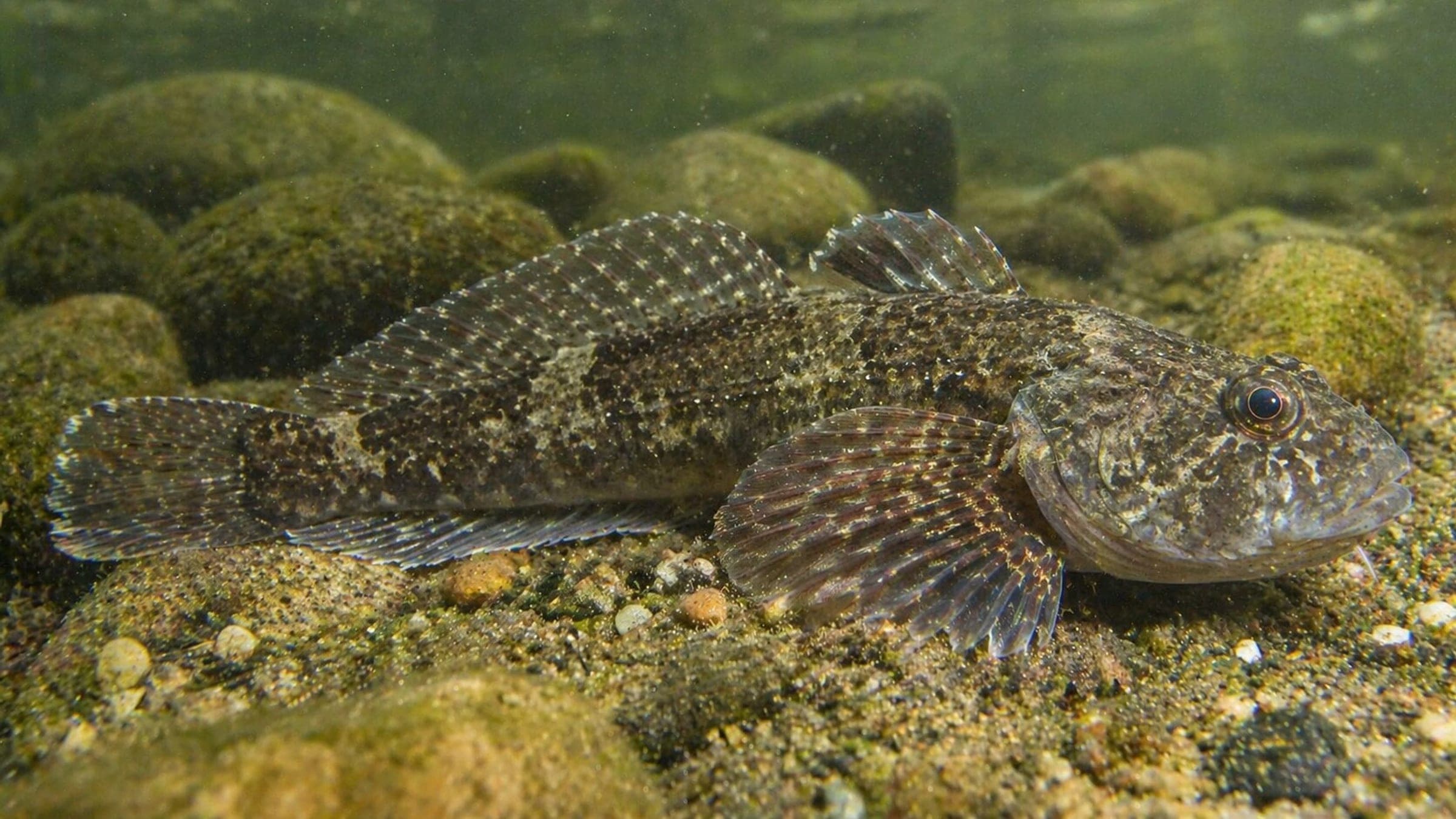
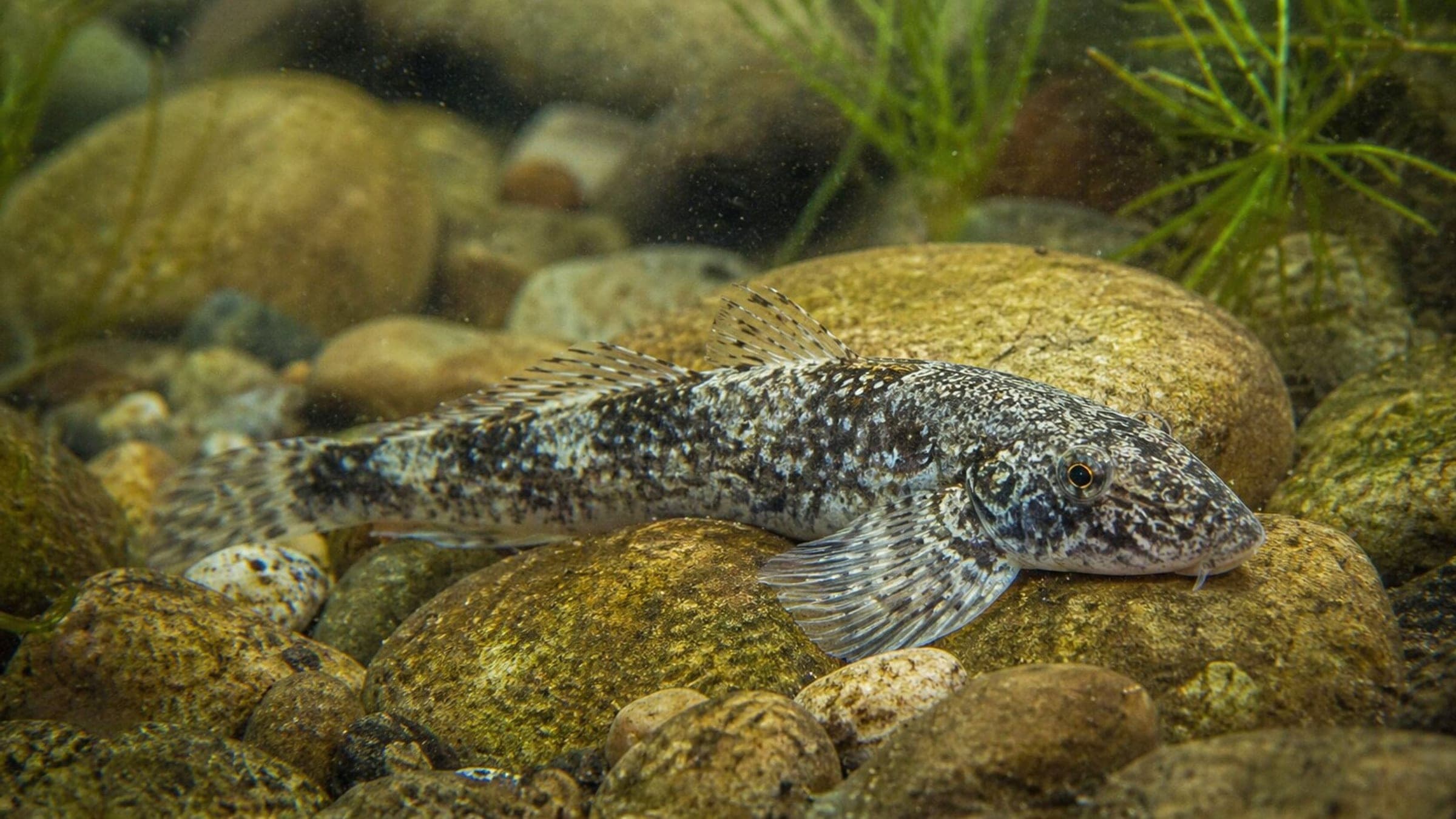
Barbels (whisker-like structures)
Many species have prominent barbels resembling a cat's whiskers, though not all catfish have prominent barbels.
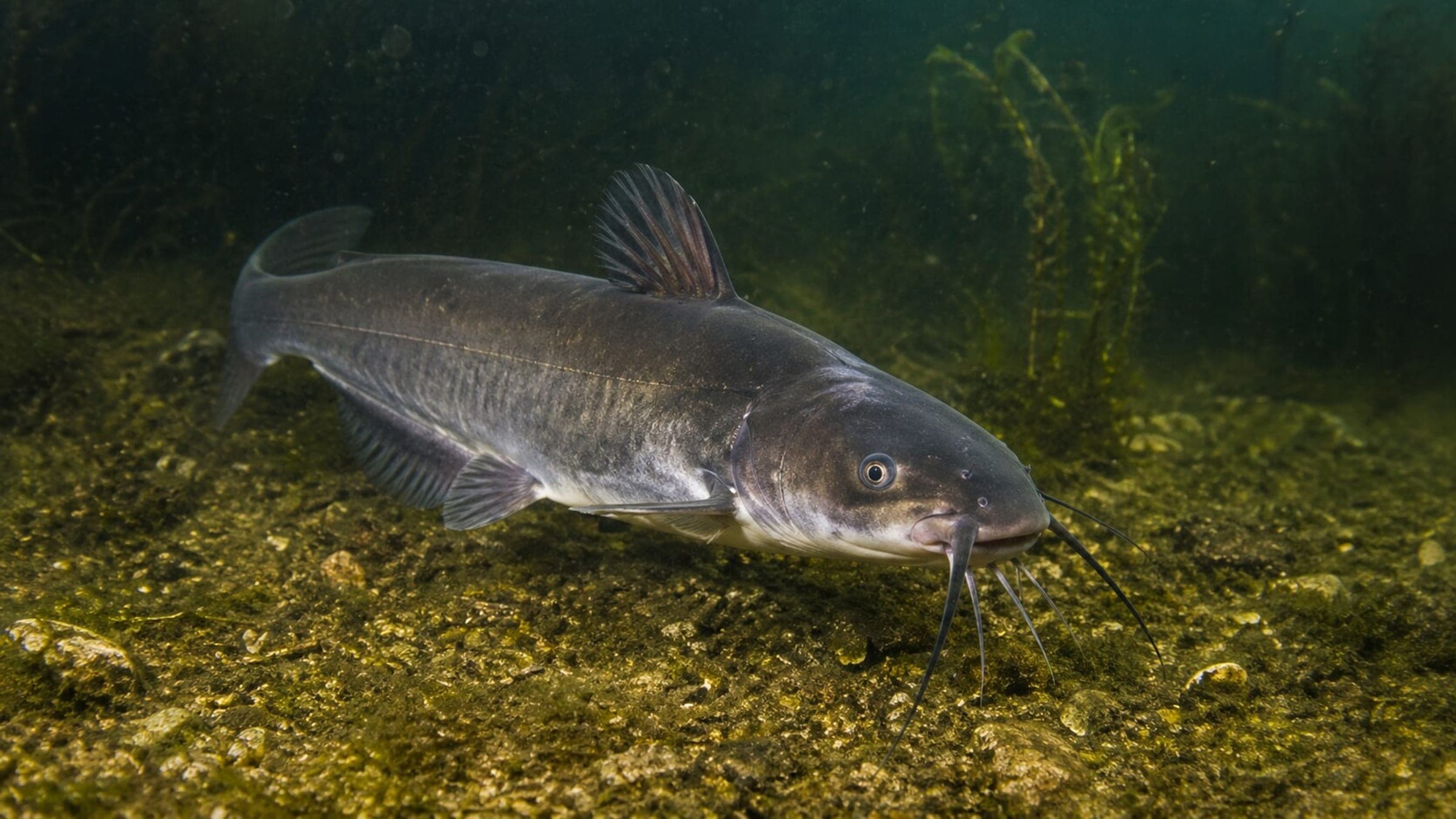
Catfish (order Siluriformes) are diverse ray-finned fishes named for their barbels, lacking scales and ranging from tiny parasitic species to very large commercial species.
Species Guide
A clean field guide focused on habitat, identification, behavior, and conservation context without burying the useful parts.
Catfish (order Siluriformes, also called Nematognathi) are a diverse group of ray-finned fish. They are named for their prominent barbels, which resemble a cat's whiskers, though not all species have prominent barbels. All siluriformes lack scales and instead have either smooth skin or armour-plated bodies. The order is defined by features of the skull and swimbladder. Catfish vary greatly in size and behavior: some are among the largest freshwater fish (for example the Mekong giant catfish, the wels catfish, and the piraíba), while others are detritivorous or scavenging bottom feeders, and a few are tiny ectoparasitic species such as the candiru. Many larger species are farmed or fished for food (for example Pangasius and Clarias), and many smaller species (for example members of Corydoras) are kept in aquaria. In parts of the Southern United States, regional slang names for catfish include "mud cat", "polliwogs", or "chuckleheads", with different meanings in different places.
Catfish exhibit a wide range of behaviors and movement patterns: some species are large-bodied and range widely, many are bottom-dwelling detritivores or scavengers, and some tiny species are ectoparasitic.
Diet varies by species: many are detritivorous or scavenging bottom feeders, while some species are parasitic; others (including large species) are not described here as exclusively one feeding type.
The strongest linked planning options currently surface around destinations such as Lake Constance (Bodensee), Akumal, French Alpine Lakes (Annecy, Bourget and Lake Geneva) and countries such as United States of America, Germany, Austria for divers building trips around catfish.
Identification
The visual markers divers can use underwater, plus the species most likely to cause confusion.
Last Updated Mar 9, 2026 · 4 sources
Many species have prominent barbels resembling a cat's whiskers, though not all catfish have prominent barbels.
All siluriformes lack scales and instead have either smooth skin or armour-plated bodies.
The order is defined by distinctive features of the skull and swimbladder.
Range and Movement
The broad range, seasonal movement, or migratory behavior that shapes where divers encounter this species.
Catfish exhibit a wide range of behaviors and movement patterns: some species are large-bodied and range widely, many are bottom-dwelling detritivores or scavengers, and some tiny species are ectoparasitic.
Diet
Useful feeding context that often explains habitat, movement, and encounter style.
Diet varies by species: many are detritivorous or scavenging bottom feeders, while some species are parasitic; others (including large species) are not described here as exclusively one feeding type.
Responsible Encounters
Conservation-minded guidance for divers who want the encounter without adding pressure.
Give catfish space, avoid blocking the animal's path, and follow local site and operator rules for wildlife interactions with freshwater fishes.
Field Notes
Useful species context that makes the encounter more meaningful once you are underwater.
Catfish include some of the largest freshwater species (Mekong giant catfish, wels catfish, piraíba) and some of the smallest, including parasitic candiru.
Many larger species are farmed or fished for food, and many smaller species are popular in aquaria.
In the Southern United States, regional slang names like 'mud cat', 'polliwogs', or 'chuckleheads' are used for catfish with varying meanings.
Top Destinations
Destinations surfaced from the linked dive spots associated with this species.
Top Countries
The strongest country-level starting points currently linked to this species.
Top Dive Spots
Directly linked dive spots where this species already shows up in the planning data.
Urban freshwater training dive on Belgrade's Sava Lake
Clear freshwater spring with easy shore access and winter manatees.
Shallow inland rock-face dive with a strong night profile
Member-managed inland quarry in Salisbury with a deep pit and paddlefish.
Managed quarry lake near Leipzig with a controlled training layout.
Controlled freshwater dive park with wrecks, docks, and training access.
FAQ
Clear planning and conservation answers written for search visibility and AI retrieval.
Research Sources
Primary and credible references behind the field-guide and conservation claims on this page.
Primary wildlife guide source.
Supporting wildlife source.
Supporting wildlife source.
Supporting wildlife source.
Related Species
Related species guides in the same encounter family.