Habitat
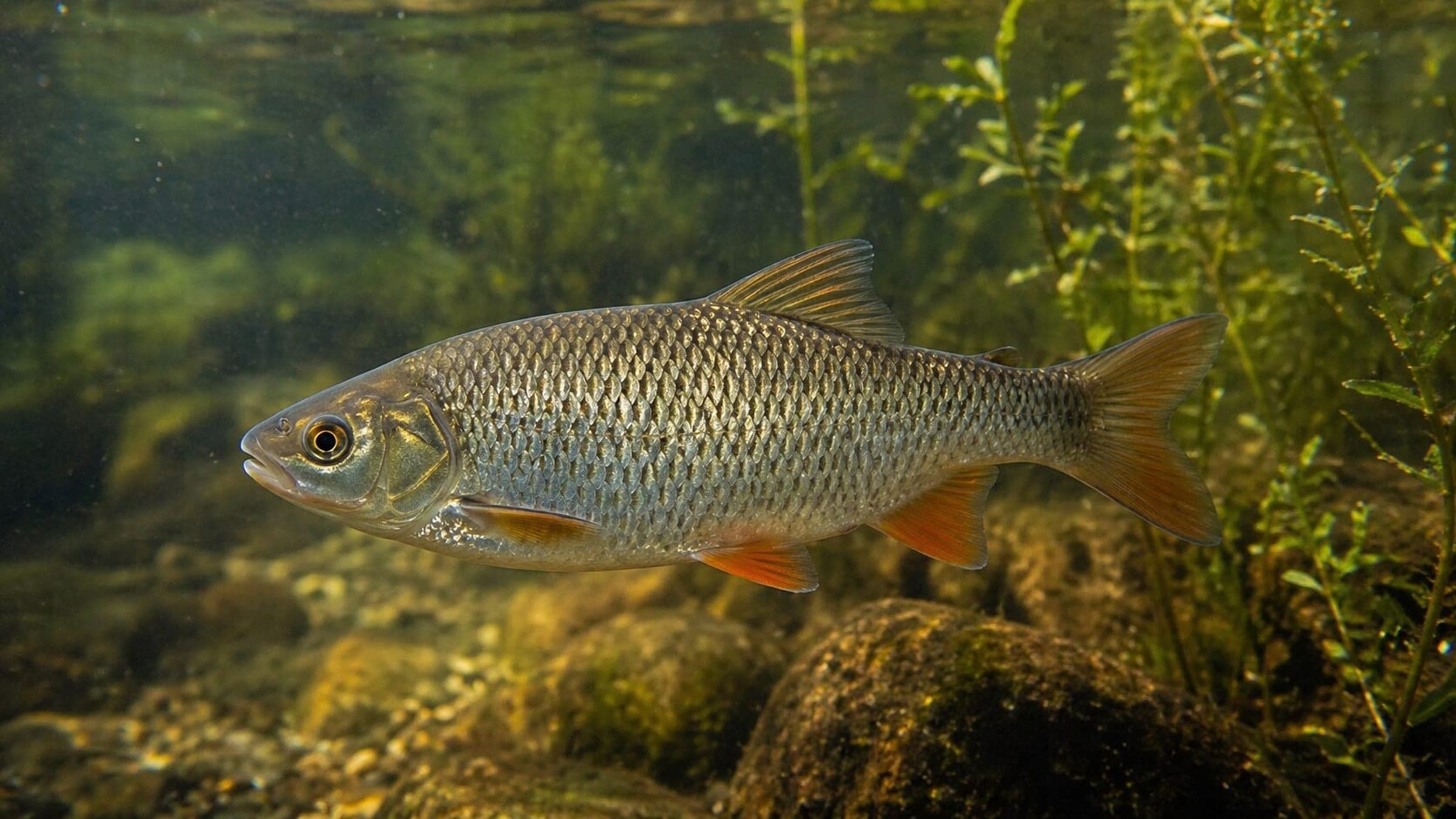
Occurs among aquatic plants over sandy and muddy bottoms in shallow, clear, slow-running or still waters.
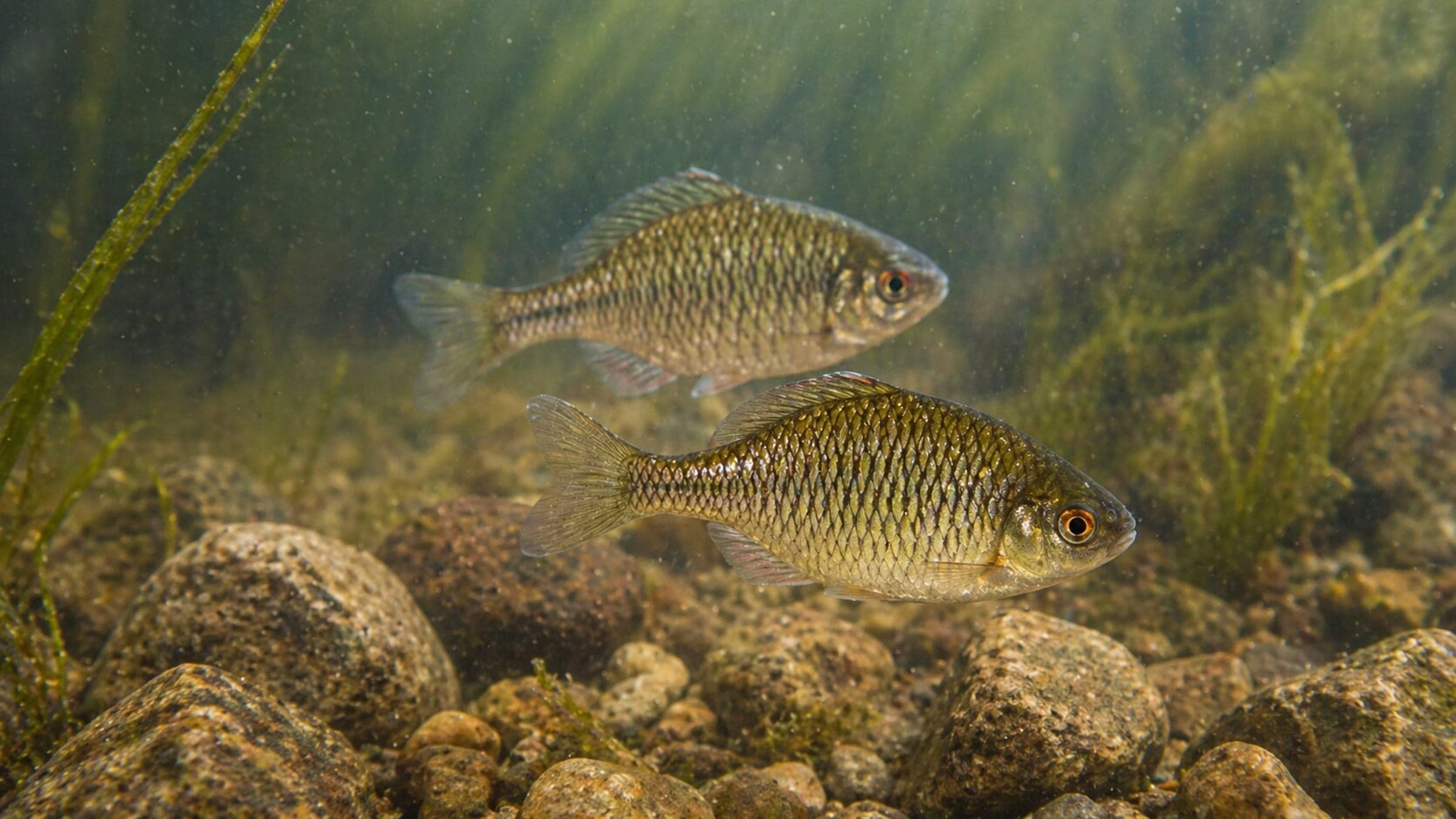
Rhodeus amarus
A small temperate freshwater fish from European rivers that inhabits shallow, vegetated waters and deposits eggs inside freshwater mussels.
Species Guide
A clean field guide focused on habitat, identification, behavior, and conservation context without burying the useful parts.
The European bitterling (Rhodeus amarus) is a temperate freshwater ray-finned fish in the family Acheilognathidae. It ranges across Europe from the Rhone River basin in France to the Neva River in Russia. Individuals reach up to about 10 cm (4 in). They are found among plants over sandy and muddy bottoms in shallow, clear, slow-running or still waters. Diet consists mainly of plant material, with worms, crustaceans, and insect larvae taken to a lesser extent. Spawning is distinctive: females deposit eggs inside freshwater mussels; males release sperm into the mussel's inhalant current to fertilize the eggs, and the young remain within the mussel for about a month before emerging as swimming larvae. Both sexes reach sexual maturity in about one year at 30–35 mm (1.2–1.4 in). Historically, the species was used in a human pregnancy test where injected urine caused females' ovipositors to protrude if pregnancy hormones were present.
Found among plants in shallow waters; associated with slow-moving or still waters over sandy or muddy bottoms.
Mainly herbivorous (plants), with worms, crustaceans, and insect larvae taken to a lesser extent.
The strongest linked planning options currently surface around destinations such as North Male Atoll, Marsa Alam (Abu Dabbab and Elphinstone) and countries such as Maldives, Belgium, Austria for divers building trips around european bitterlings.
Identification
The visual markers divers can use underwater, plus the species most likely to cause confusion.
Last Updated Mar 9, 2026 · 4 sources
Reaches up to about 10 cm (4 in); sexual maturity at 30–35 mm (1.2–1.4 in) in about one year.
Occurs among aquatic plants over sandy and muddy bottoms in shallow, clear, slow-running or still waters.
Females deposit eggs inside freshwater mussels; males fertilize eggs via the mussel's inhalant current; juveniles stay in the mussel for about a month.
Range and Movement
The broad range, seasonal movement, or migratory behavior that shapes where divers encounter this species.
Found among plants in shallow waters; associated with slow-moving or still waters over sandy or muddy bottoms.
Diet
Useful feeding context that often explains habitat, movement, and encounter style.
Mainly herbivorous (plants), with worms, crustaceans, and insect larvae taken to a lesser extent.
Responsible Encounters
Conservation-minded guidance for divers who want the encounter without adding pressure.
Give european bitterling space, avoid blocking the animal's path, and follow local site and operator rules for wildlife interactions with freshwater fishes.
Field Notes
Useful species context that makes the encounter more meaningful once you are underwater.
Eggs are laid inside freshwater mussels where larvae develop for about a month.
Female European bitterlings were once injected with human urine to test for pregnancy because hormones caused ovipositor protrusion.
Top Destinations
Destinations surfaced from the linked dive spots associated with this species.
Top Countries
The strongest country-level starting points currently linked to this species.
Top Dive Spots
Directly linked dive spots where this species already shows up in the planning data.
North Malé drift dive with shallow reef and big-fish passes
Airport-side reef with a gentle slope and reef-life action
Private training lake in Beinhorn with easy shore entry.
Deep freshwater quarry with caves, aircraft, and organized club access.
Deep quarry with plateaus, relics, and a well-supported club site.
Advanced shore dive with a wreck, old cars, and poor visibility.
FAQ
Clear planning and conservation answers written for search visibility and AI retrieval.
Research Sources
Primary and credible references behind the field-guide and conservation claims on this page.
Primary wildlife guide source.
Supporting wildlife source.
Supporting wildlife source.
Supporting wildlife source.
Related Species
Related species guides in the same encounter family.