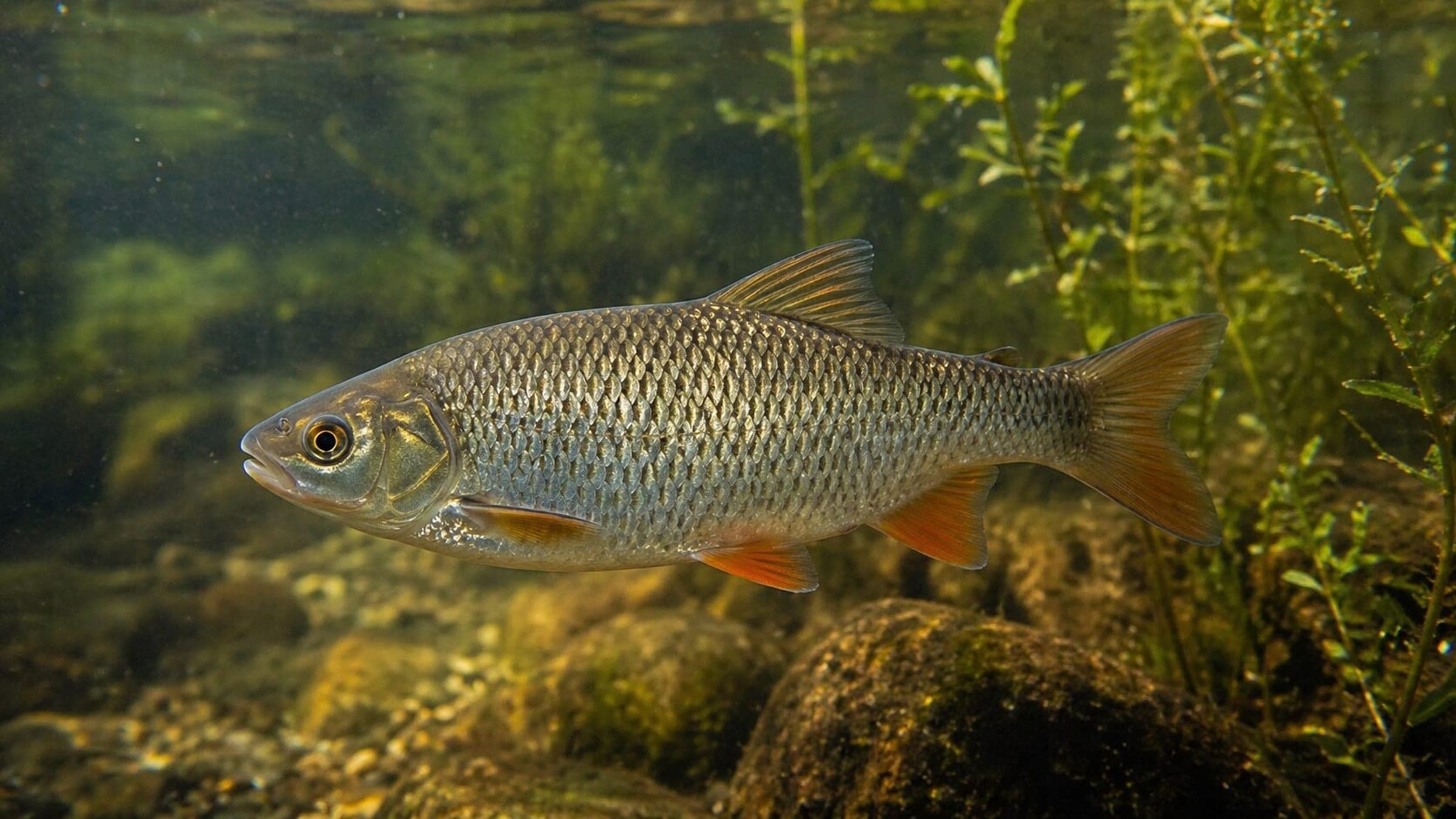
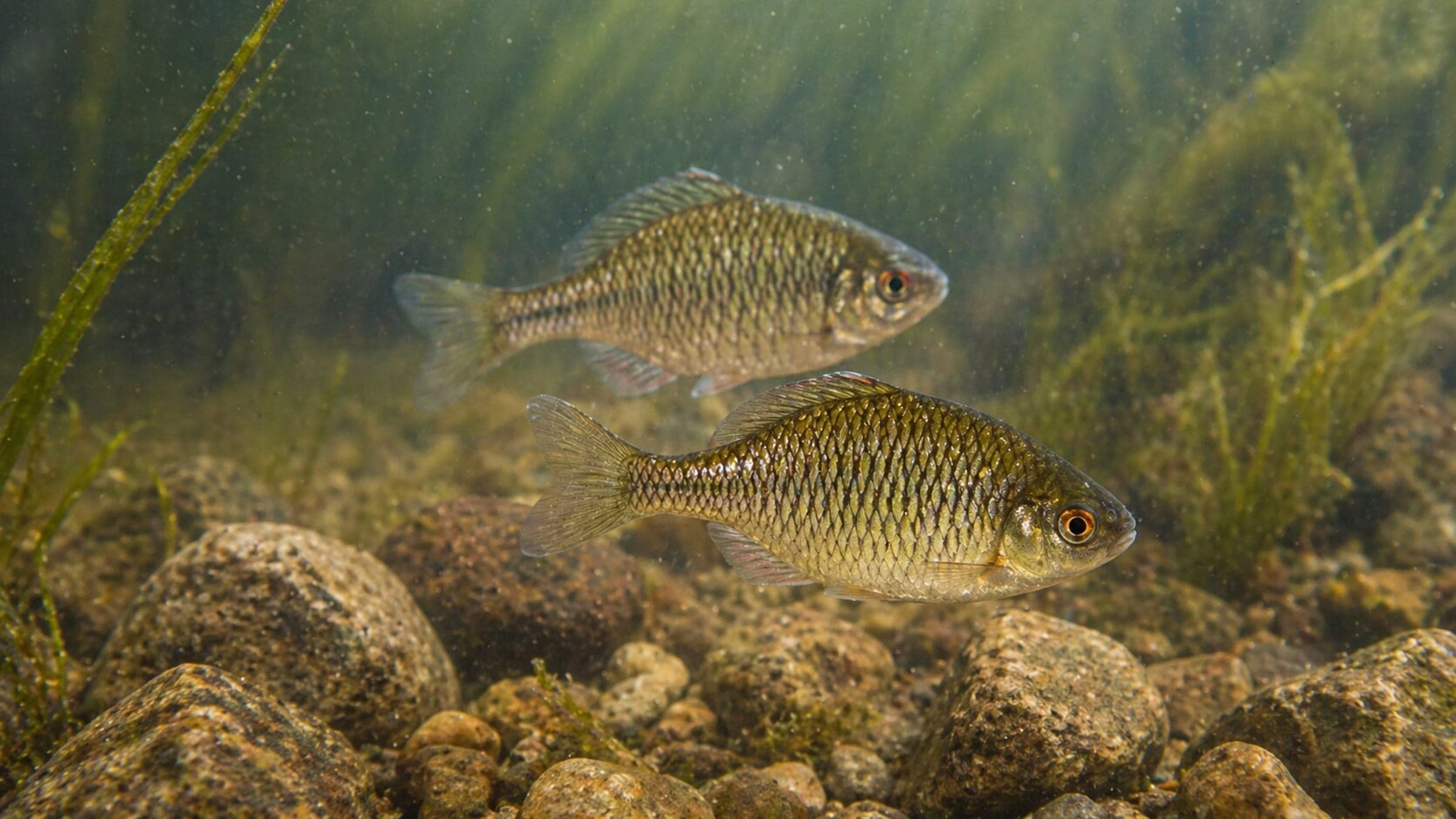
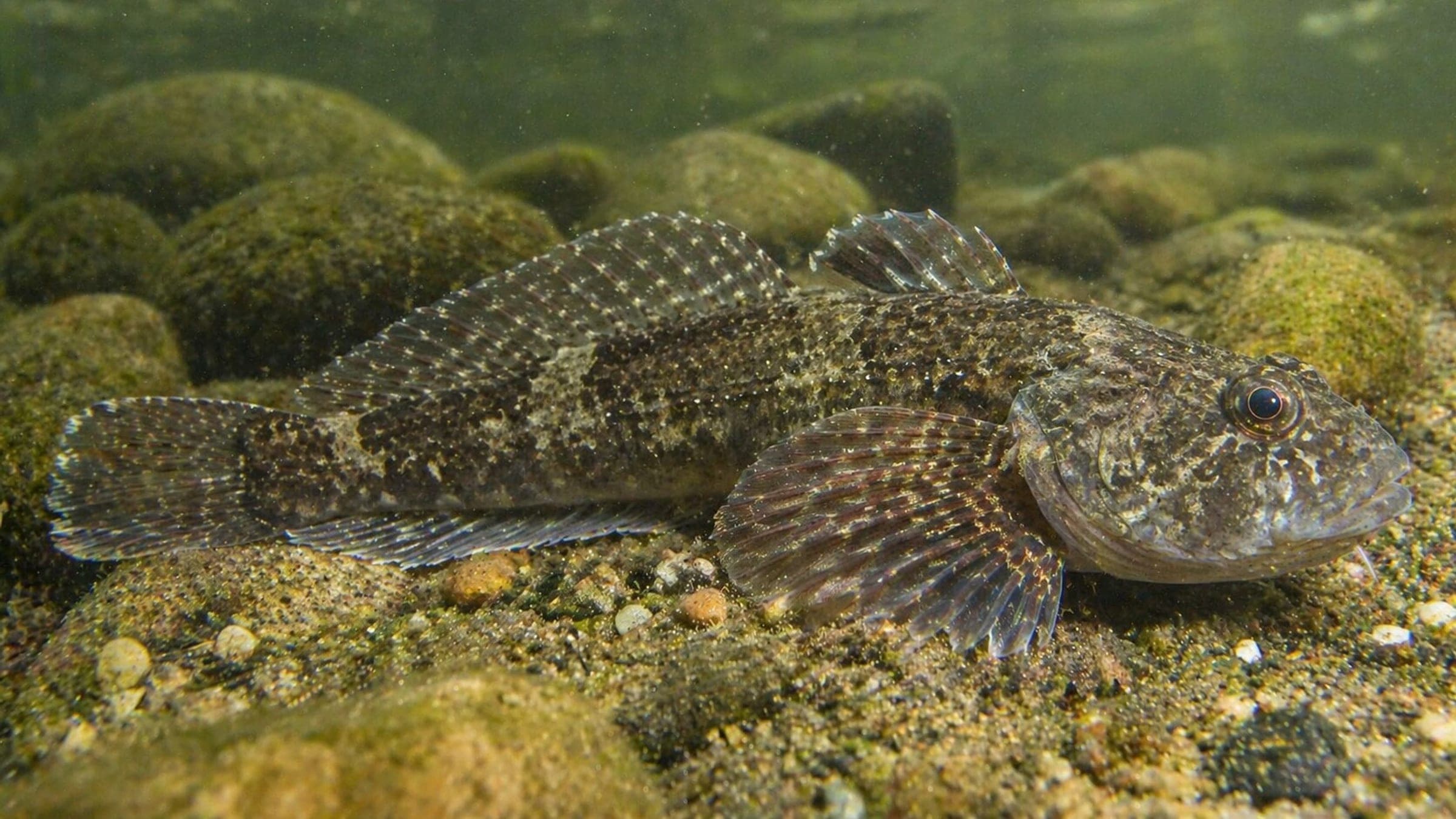
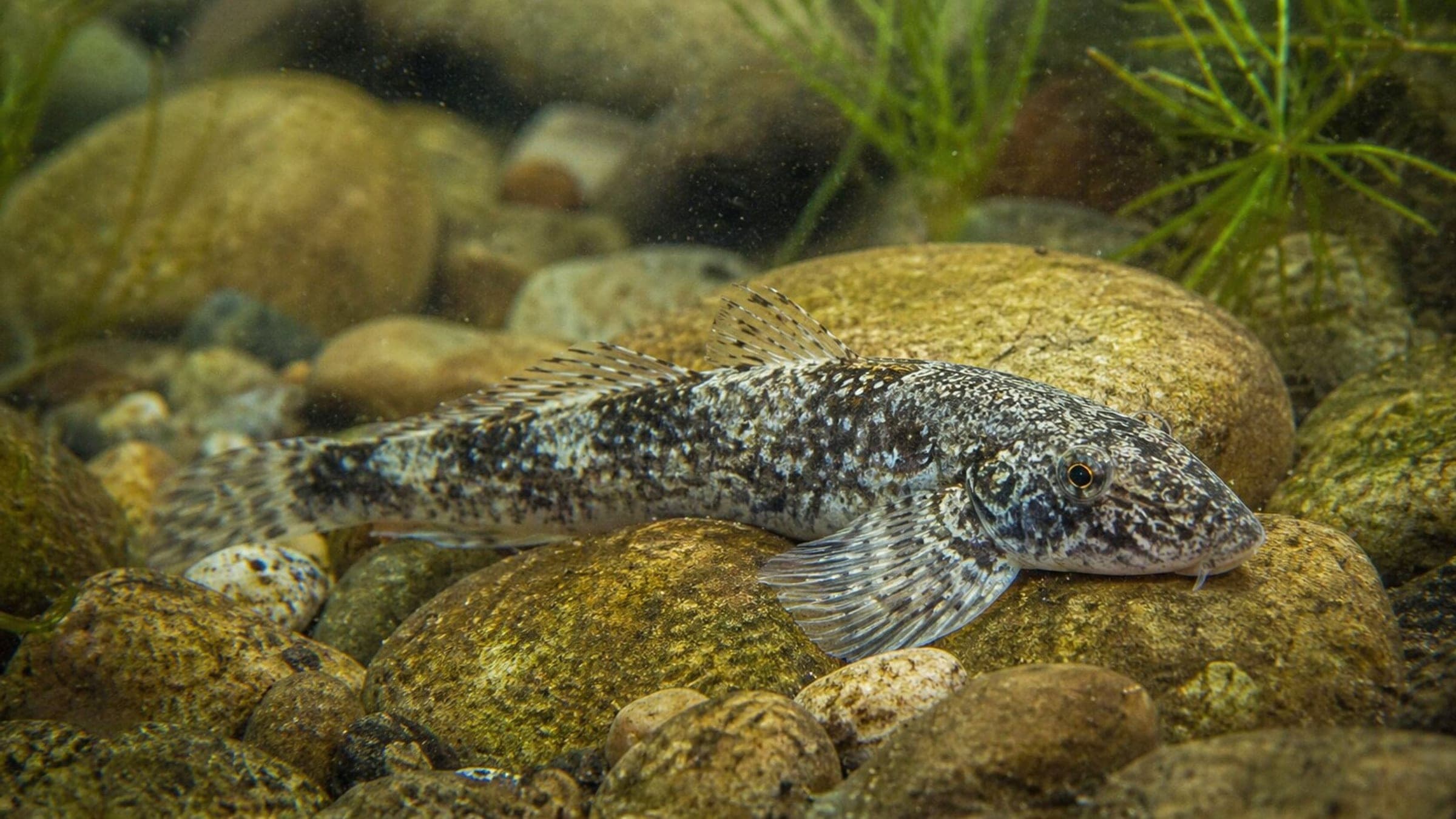
Silhouette and water position
Whether a fish schools in midwater, holds close to bottom, or waits in vegetation is often the fastest clue in freshwater visibility conditions.
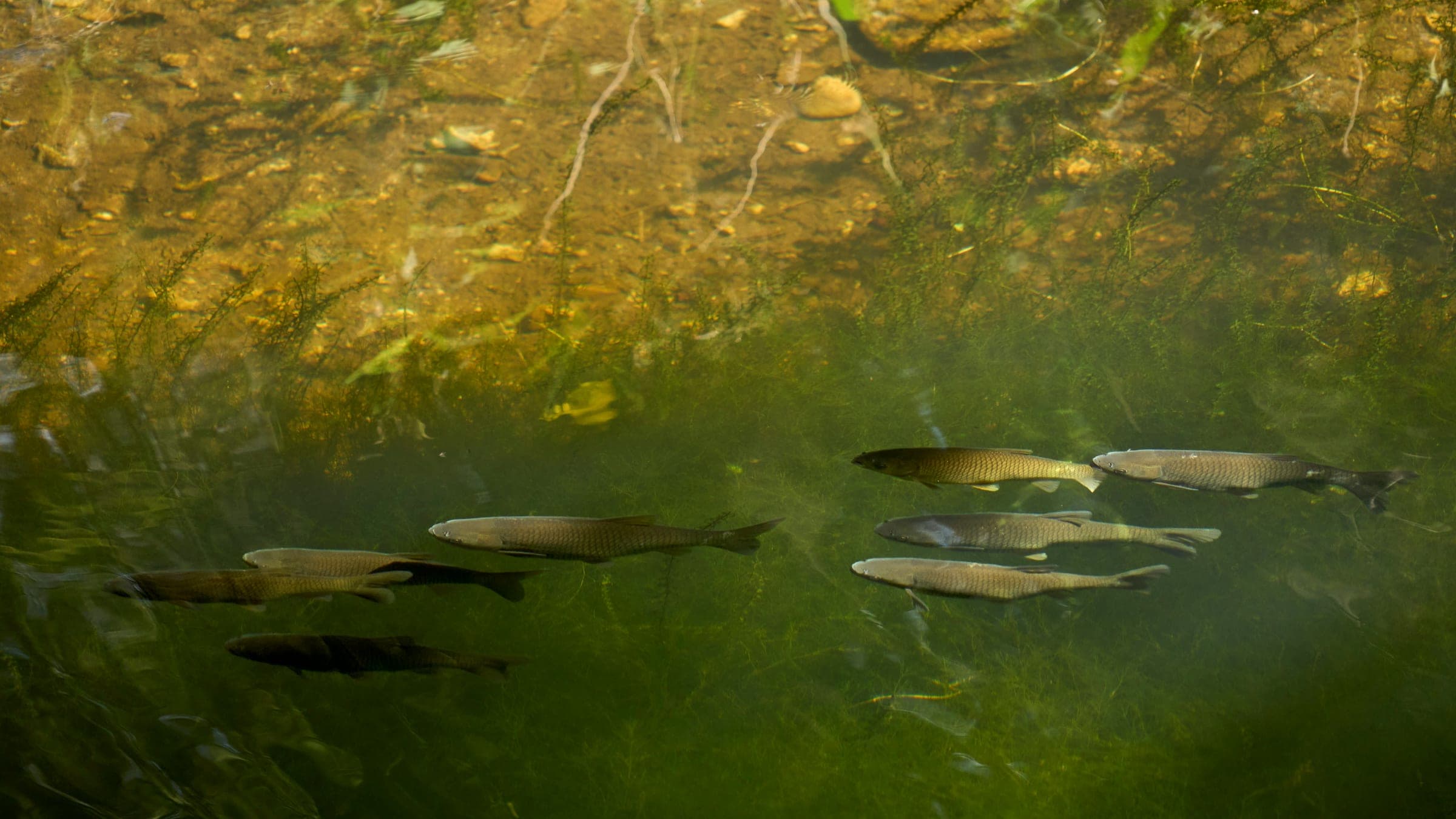
Freshwater fishes reward clear inland conditions, seasonal visibility windows, and careful habitat reading in springs, quarries, lakes, rivers, and flooded forest systems.
Group Guide
A group-level field guide built to move divers from broad intent into the right species, destinations, and encounter planning.
Freshwater fishes give inland diving its character, but this bucket spans very different environments: spring systems, rivers, quarries, alpine lakes, flooded forests, and low-visibility warmwater lakes. That means the planning question is less 'where are the fish?' and more 'which inland habitat and season produce the kind of encounter you want?' Some dives are about large schooling fish in clear springs, some are about ambush predators in weedy lakes, and some are about simply seeing an intact freshwater ecosystem underwater.
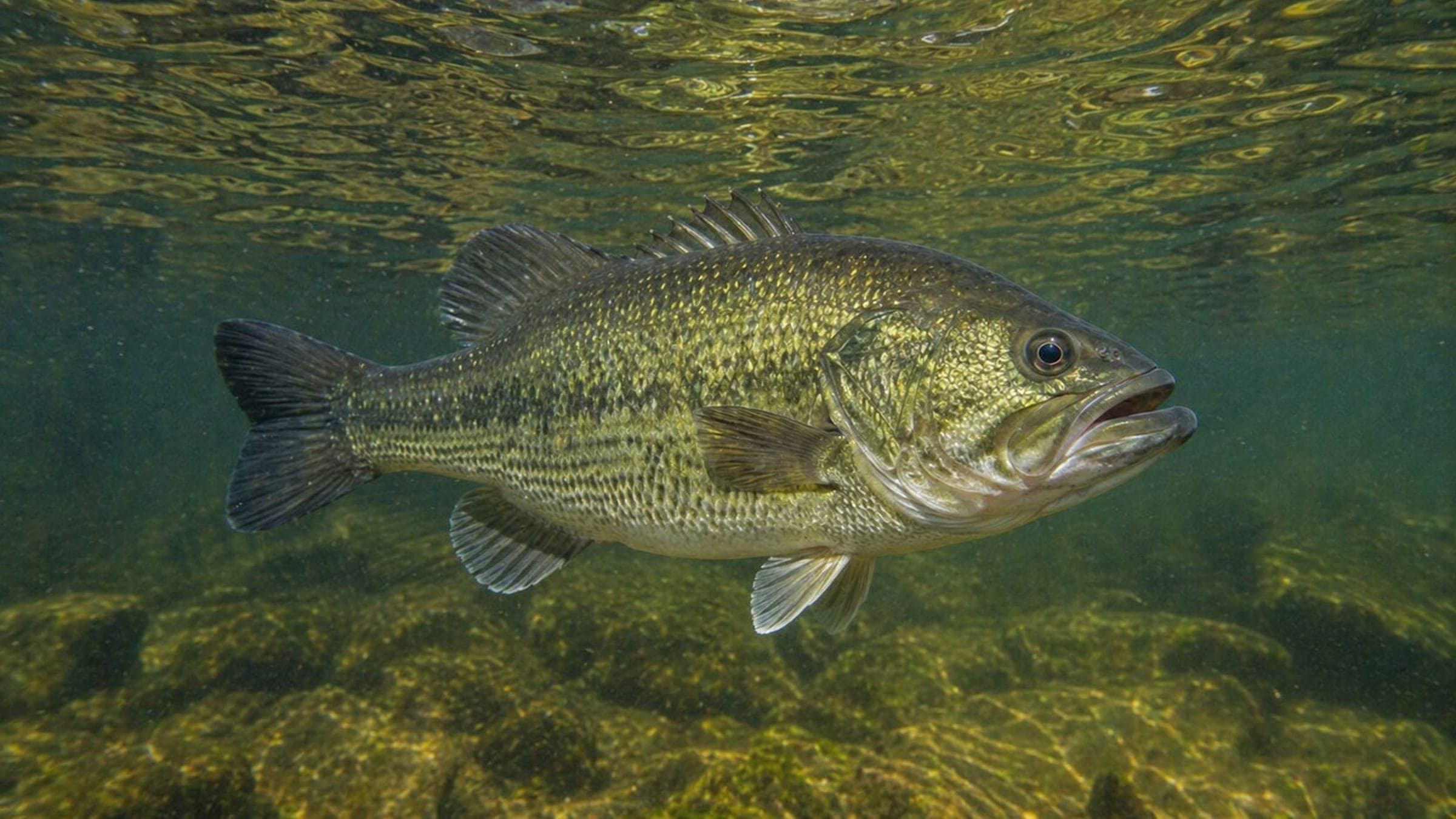
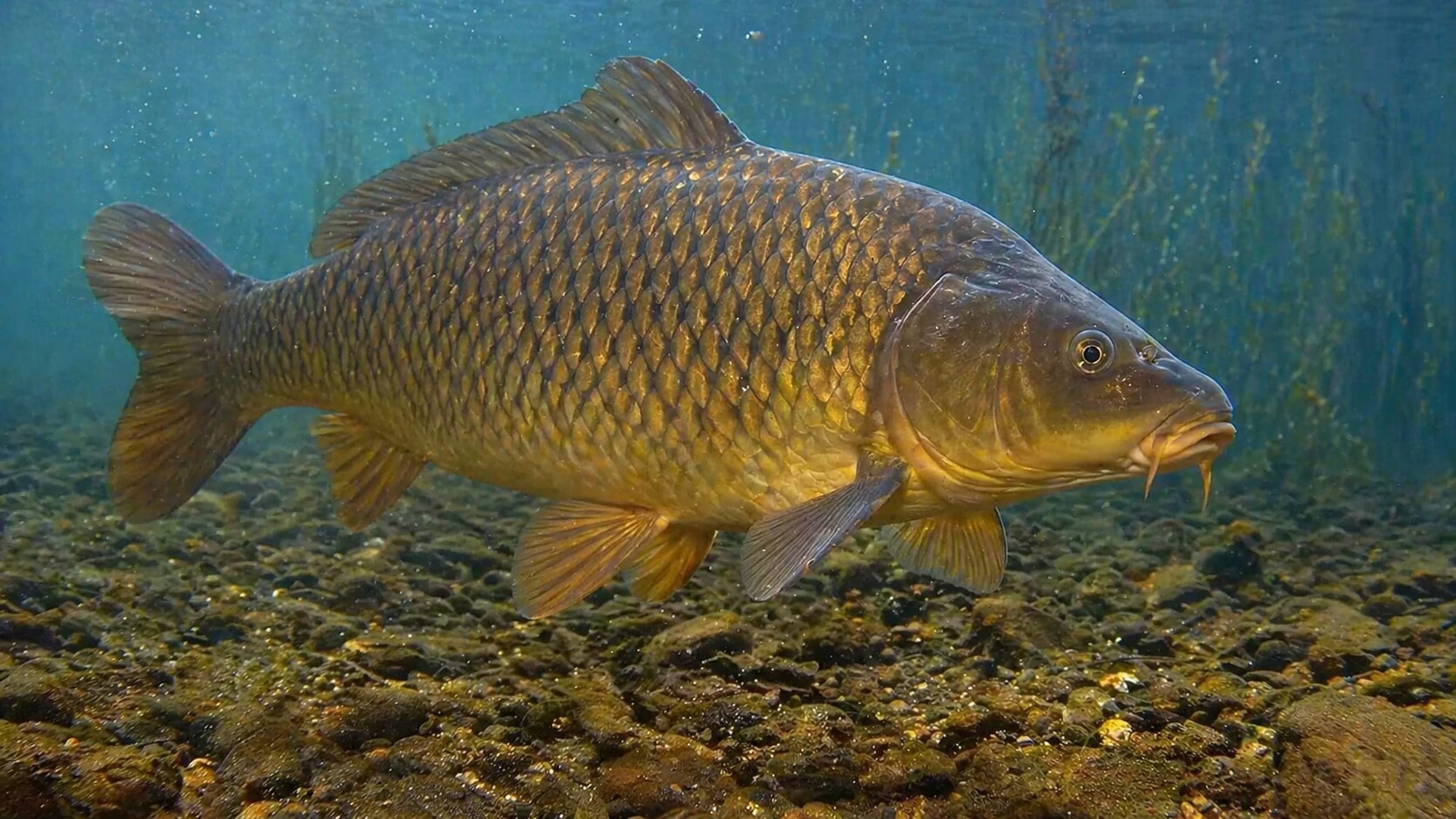
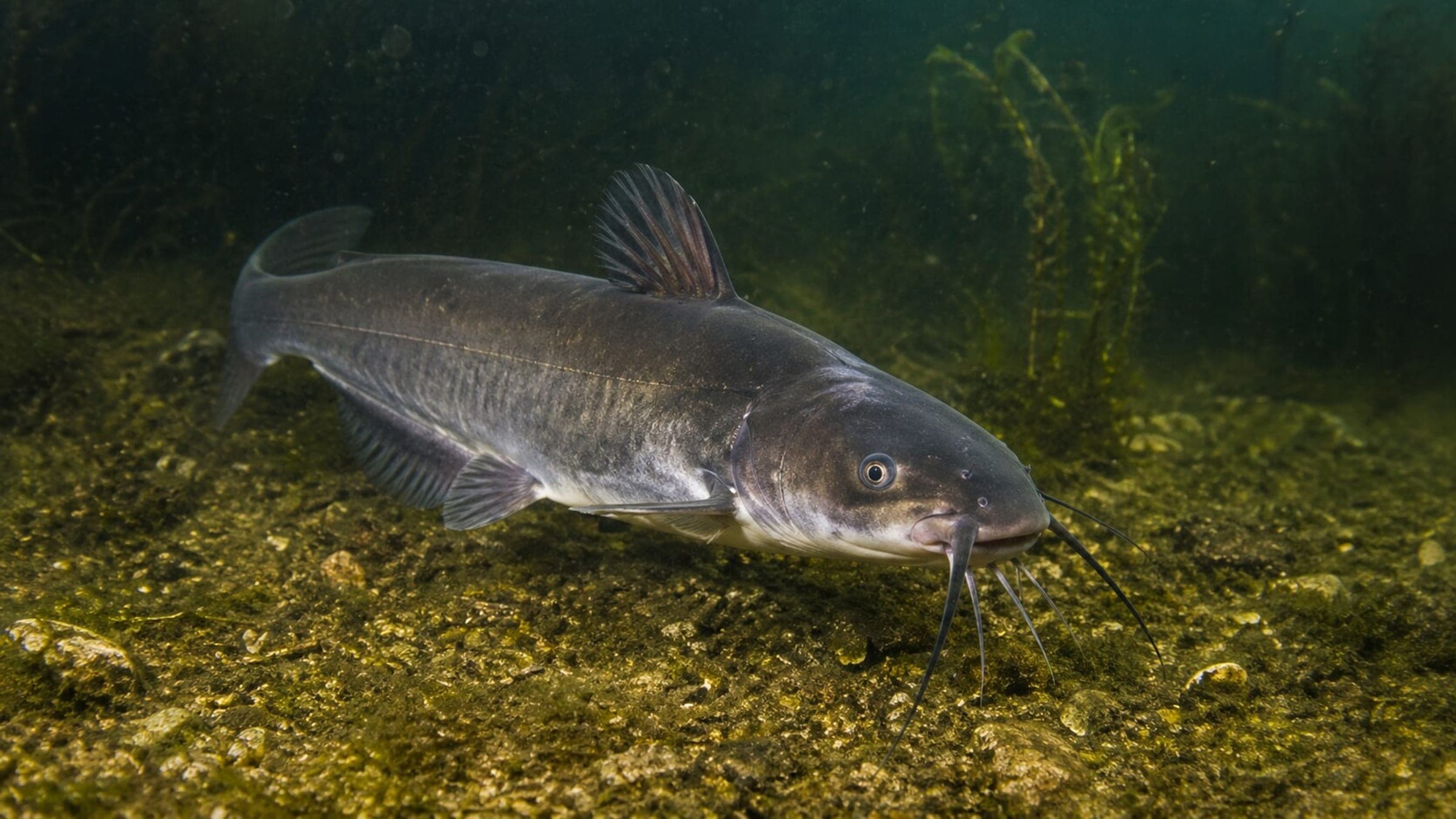
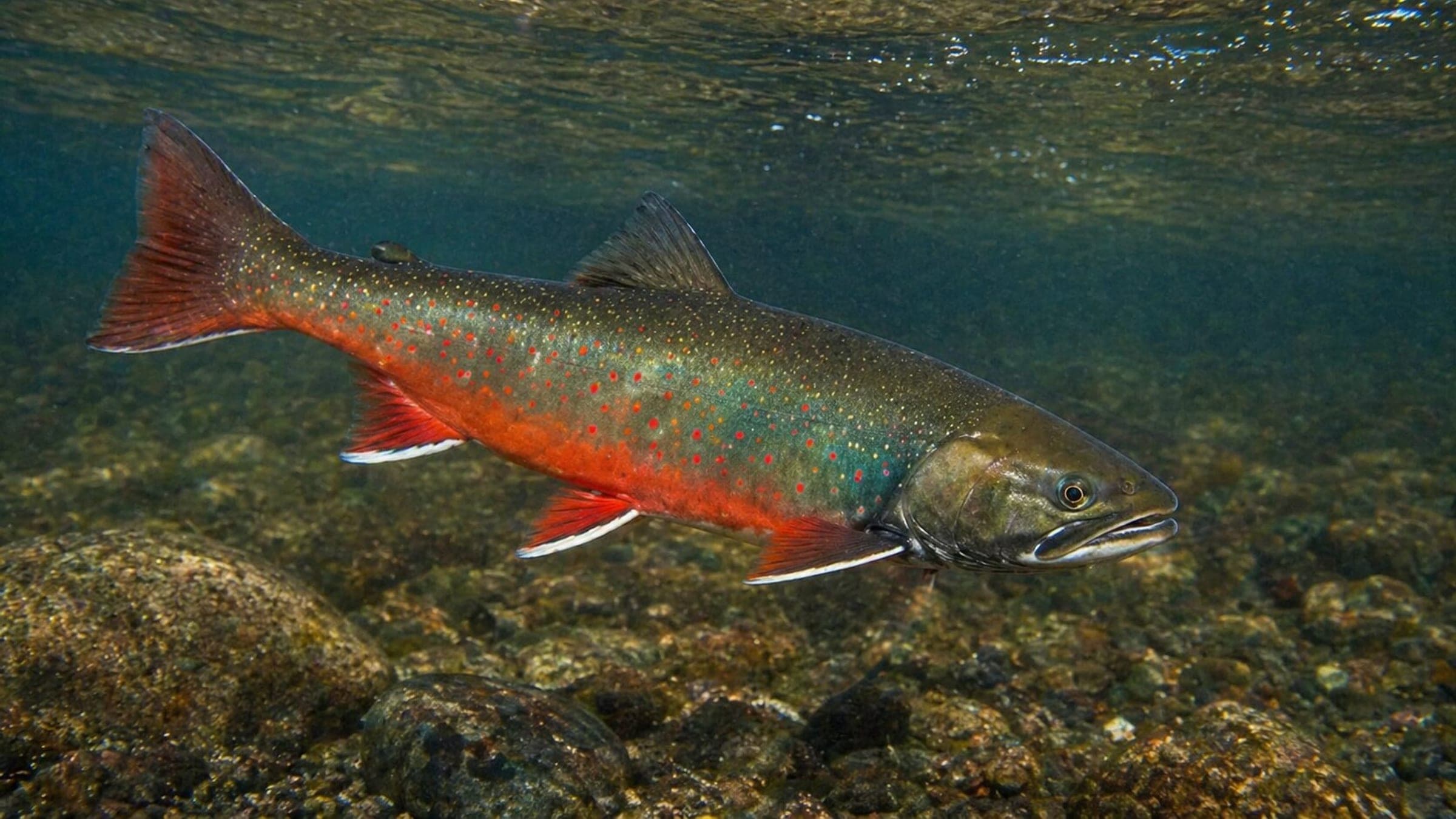
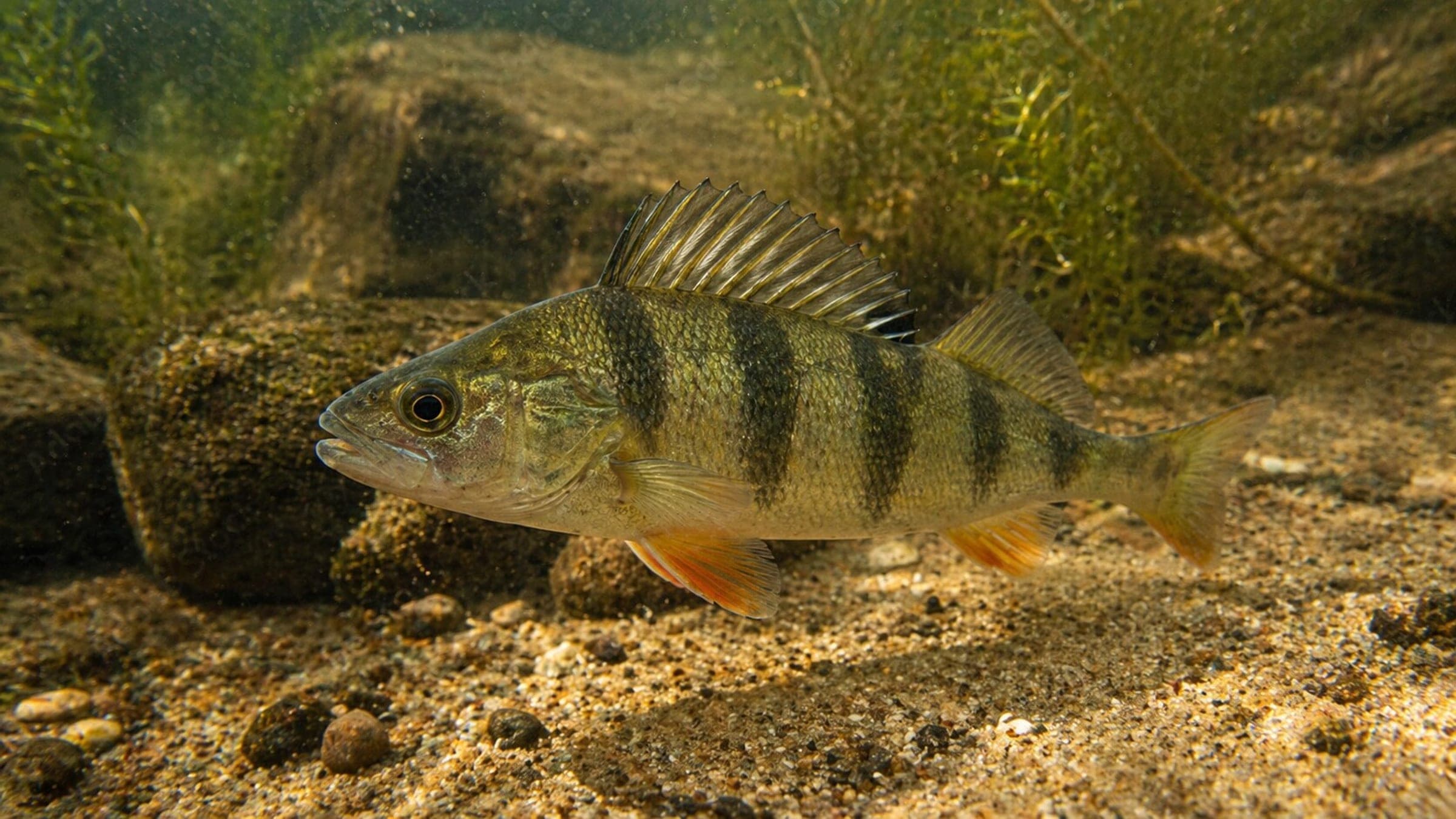
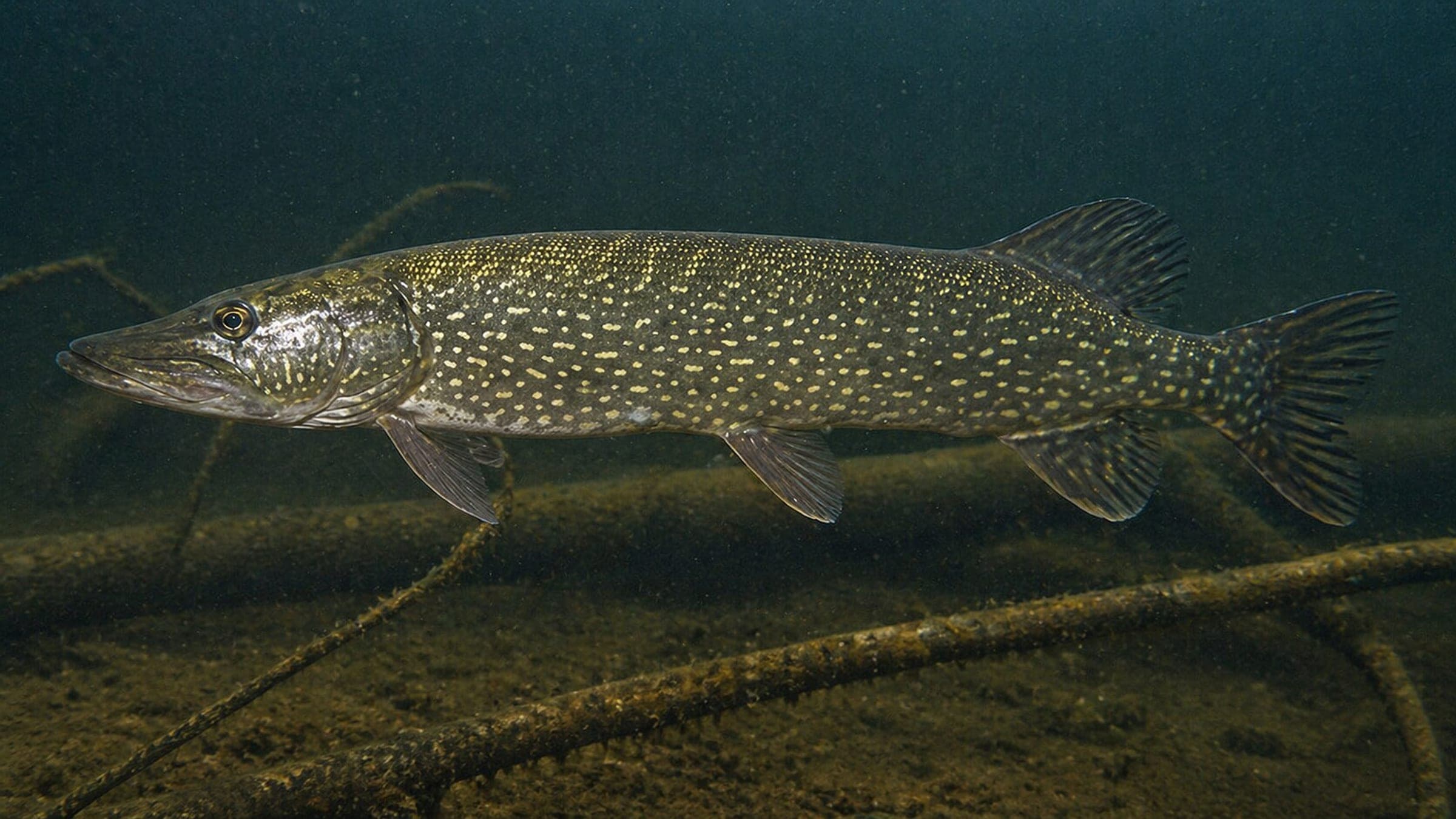
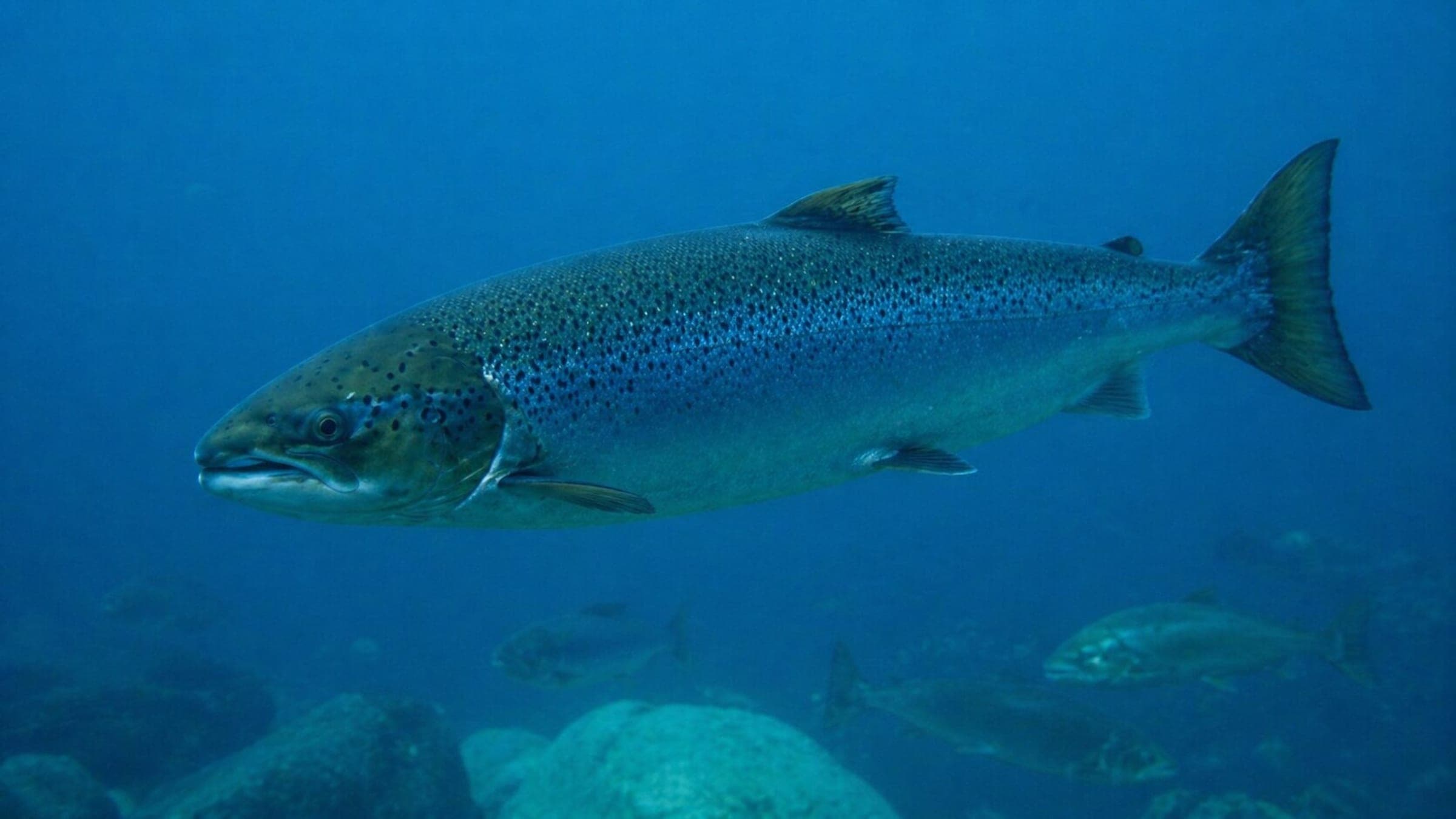
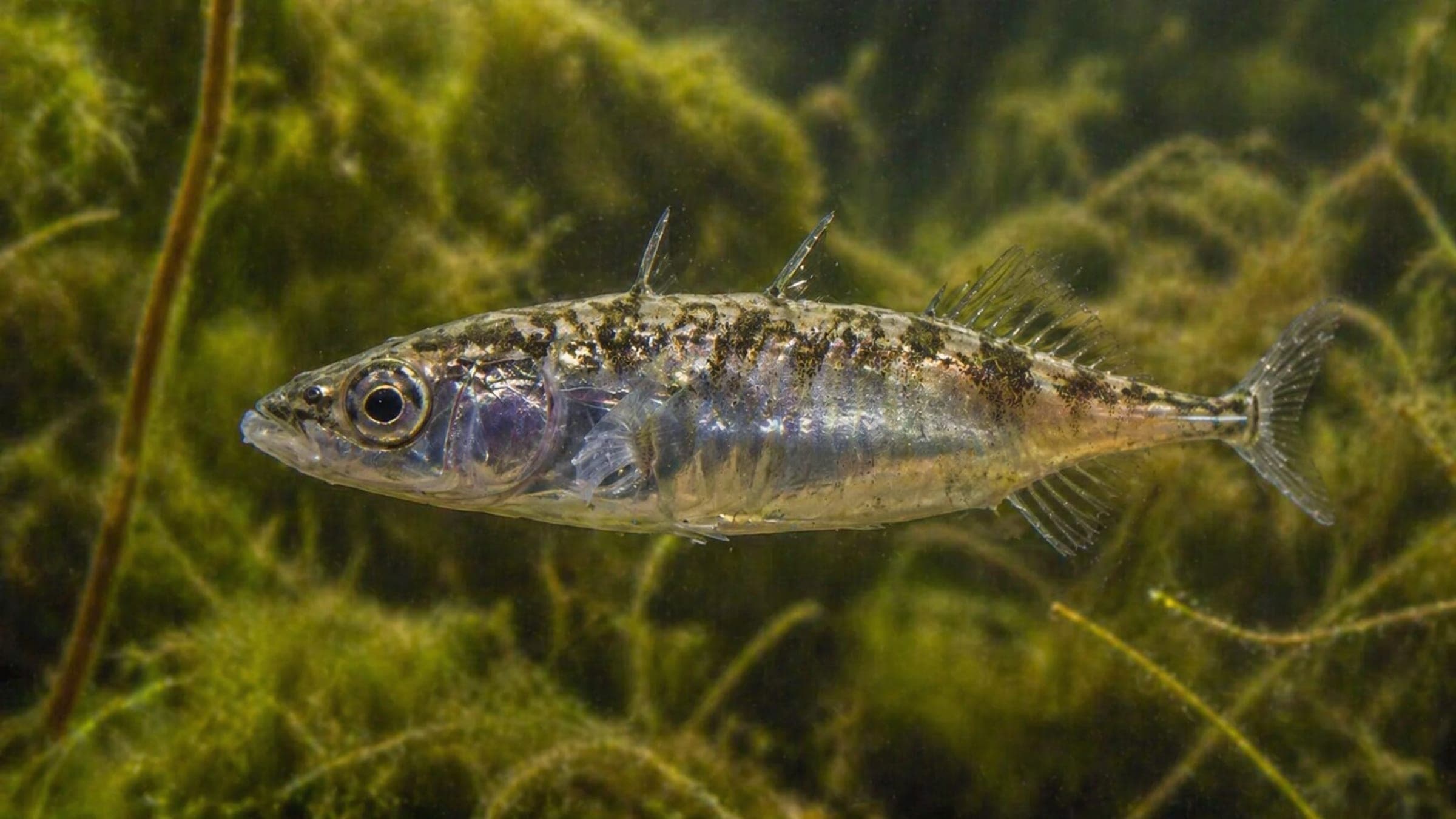
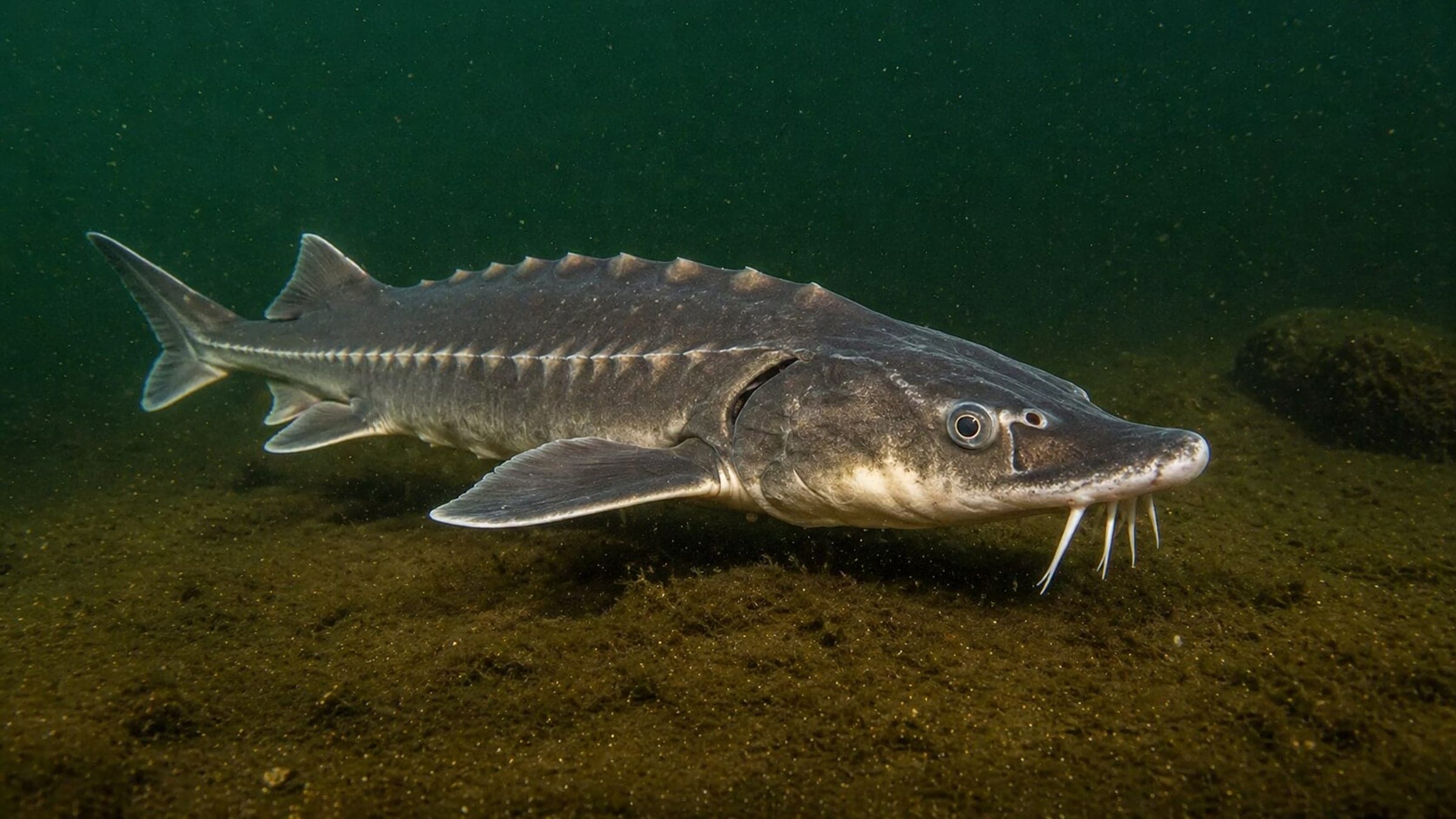
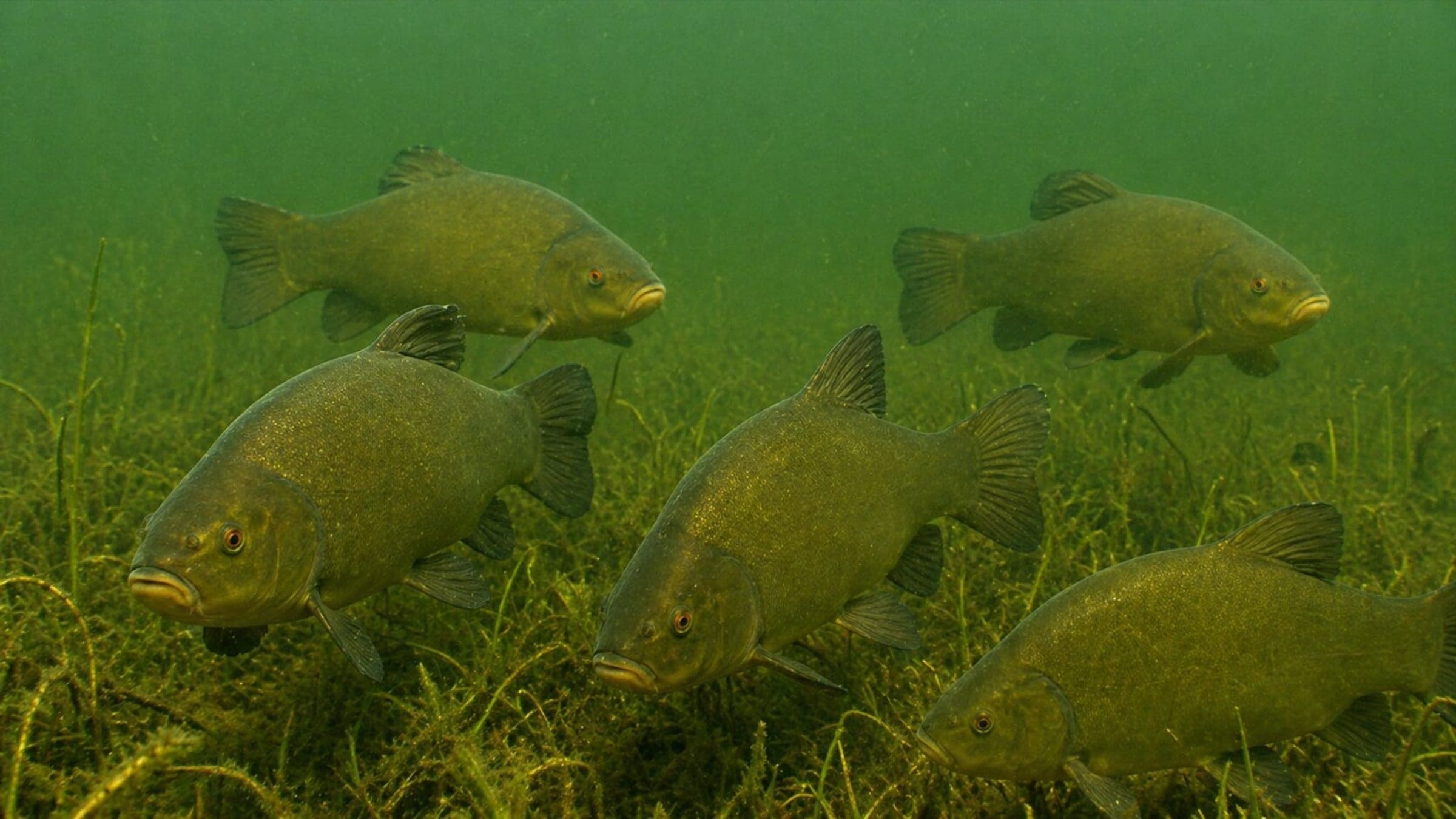
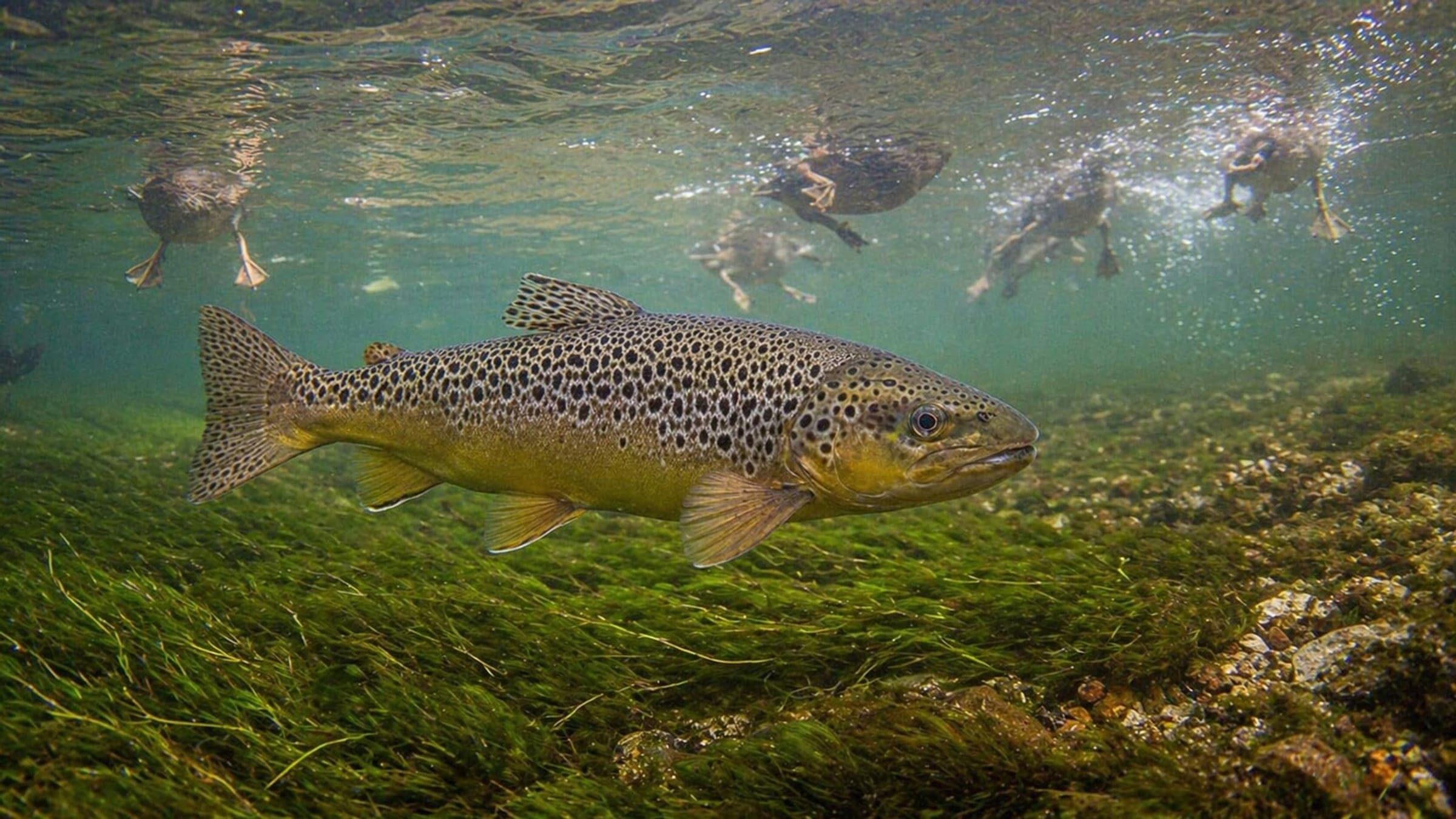
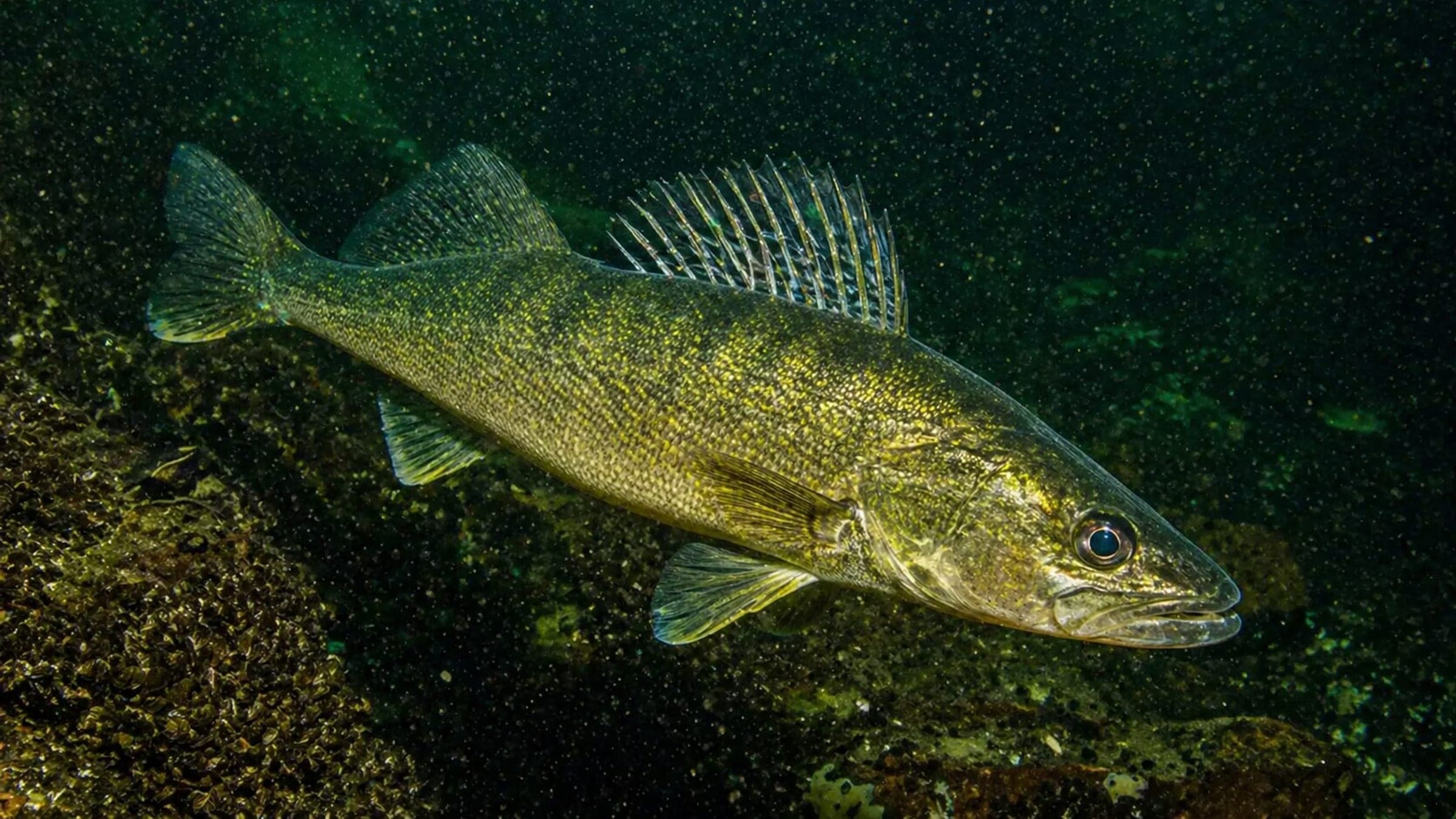
Freshwater fish identification often starts with body shape, position in the water, and the habitat being used. Streamlined open-water fish, bottom-holding species, ambush predators in vegetation, and schooling lake fish all read differently underwater even before color becomes clear. Visibility and tannin staining can flatten color quickly, so silhouette and behavior matter a great deal.
Freshwater fish encounters depend heavily on water clarity, vegetation, current, and season. Springs and quarries can offer exceptional visibility, rivers reward current reading and habitat edges, and lakes or flooded forests often change dramatically with turnover, runoff, or plant growth. In many inland systems, the fish are present year-round but only easy to watch when visibility and disturbance line up.
This page is a practical inland-diving guide, not a promise that every freshwater site will feel lively. Freshwater fish encounters can be subtle, seasonal, and strongly limited by silt, flow, or surface conditions even when the ecosystem itself is healthy.
This group guide pulls together 16 published Freshwater Fishes guides so divers can move from broad trip intent to the right species pages, destinations, and dive spots faster.
There is no single conservation label that captures every freshwater fish divers encounter, but the broad pressures are clear: water-quality decline, habitat fragmentation, altered flow, invasive species, and the loss of spawning or nursery habitat. For divers, freshwater fish abundance is often one of the clearest visible indicators of whether an inland system is functioning well.
Freshwater fish movement ranges from local habitat shifts to major spawning or seasonal migrations, depending on species and watershed. For divers, the practical pattern is simpler: fish distribution changes with flow, temperature, oxygen, vegetation, and visibility, so the same site can fish very differently across the year.
Lake Constance (Bodensee), Akumal, and Berlin and Brandenburg Lakes (Straussee, Stechlinsee and Werbellinsee) currently stand out as strong destination entry points for Freshwater Fishes planning.
Germany, United States of America, and Austria are some of the clearest country-level starting points for this group right now.
Whether a fish schools in midwater, holds close to bottom, or waits in vegetation is often the fastest clue in freshwater visibility conditions.
Current seams, weed lines, spring vents, and submerged timber often tell divers where certain freshwater fish types are more likely to hold.
In tannin-stained or low-light freshwater, shape and movement usually separate fish faster than color pattern alone.
A spring, quarry, or lake may hold excellent fish life year-round, yet only feel exceptional to divers during short windows of stable clarity.
Weed lines, current breaks, submerged timber, and spring vents often hold far more fish activity than open barren bottom.
Temperature, runoff, spawning, and plant growth can change fish distribution quickly, even at sites that look constant from the surface.
Freshwater fish movement ranges from local habitat shifts to major spawning or seasonal migrations, depending on species and watershed. For divers, the practical pattern is simpler: fish distribution changes with flow, temperature, oxygen, vegetation, and visibility, so the same site can fish very differently across the year.
Freshwater fish diet includes plankton, aquatic insects, plants, detritus, crustaceans, and other fish, depending on the species. That variety is why inland sites can support very different encounter styles, from quiet plant-grazers to obvious ambush predators at structure edges.
Conservation
A group-level read on the pressures, protections, and diver behavior that matter most across these species.
There is no single conservation label that captures every freshwater fish divers encounter, but the broad pressures are clear: water-quality decline, habitat fragmentation, altered flow, invasive species, and the loss of spawning or nursery habitat. For divers, freshwater fish abundance is often one of the clearest visible indicators of whether an inland system is functioning well.
Control your fins carefully to avoid silting the site, stay off fragile vegetation, and avoid cornering fish against banks or weed beds. In rivers and springs, use the current intelligently instead of fighting it through habitat. Freshwater systems often recover slowly from repeated disturbance, so low-impact movement matters as much as wildlife etiquette.
Runoff, pollution, low oxygen, and algal issues can degrade fish habitat even when the shoreline still looks usable from above.
Dams, channel changes, and disrupted flow can block movement, change spawning conditions, and simplify habitat structure.
Introduced species, vegetation loss, and repeated bottom disturbance can reshape local fish communities quickly in freshwater systems.
Protecting inland fish life starts with clean water, sediment control, and maintaining the habitat conditions the system depends on.
Fish passages, spawning-habitat protection, and sensible flow management matter because many freshwater populations depend on connected waterways.
Divers protect freshwater sites most by controlling silt, avoiding vegetation damage, and treating entry and exit zones gently.
Species
Jump into the individual species pages that currently sit inside this wildlife group.
Top Destinations
Destinations surfaced from the linked dive spots associated with species in this group.

Austria

Mexico

Germany

Denmark
Greece

Germany
Top Countries
The strongest country-level starting points currently linked to this wildlife group.
Top Dive Spots
Directly linked dive spots where species in this group already show up in the planning data.
Shore dive at Crash Boat Beach with an artificial reef.
Expert freshwater sinkhole dive in Tatarstan.
Clear freshwater spring with easy shore access and winter manatees.
Alexenau is an easy Attersee shore dive for training dives.
Managed quarry lake near Leipzig with a controlled training layout.
Advanced deep wreck dive off Saint-Leu, Réunion.
FAQ
Direct answers to the questions divers and planners tend to ask first.
Research Sources
Primary and supporting references used for the published group guide.
Global fish database used for broad freshwater-fish framing.
Freshwater fish ecology, habitat, and inland-fisheries research context.
Broad inland-fisheries and freshwater-system context.
Protected-area framing for freshwater fish habitat and fisheries.