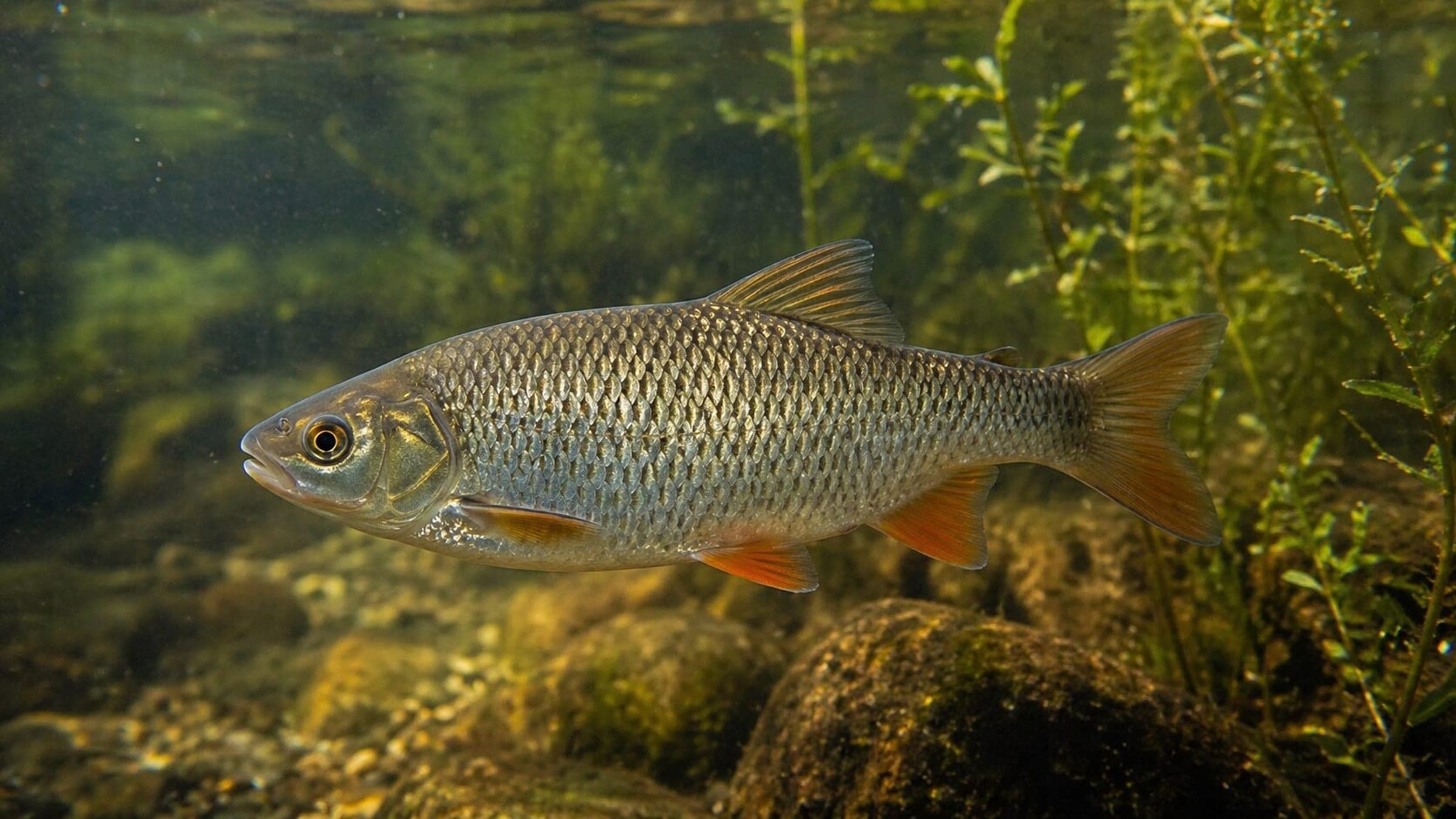
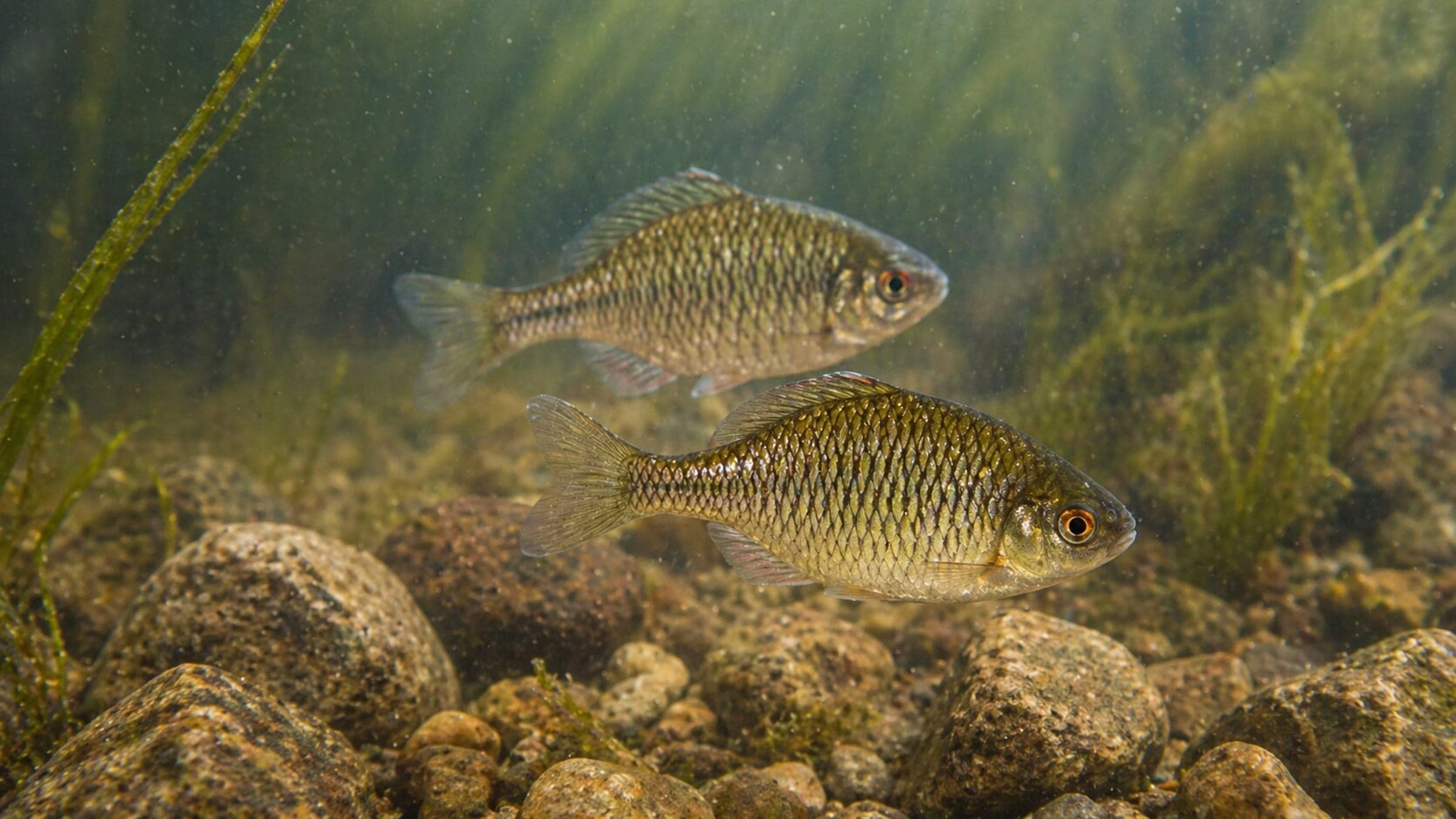
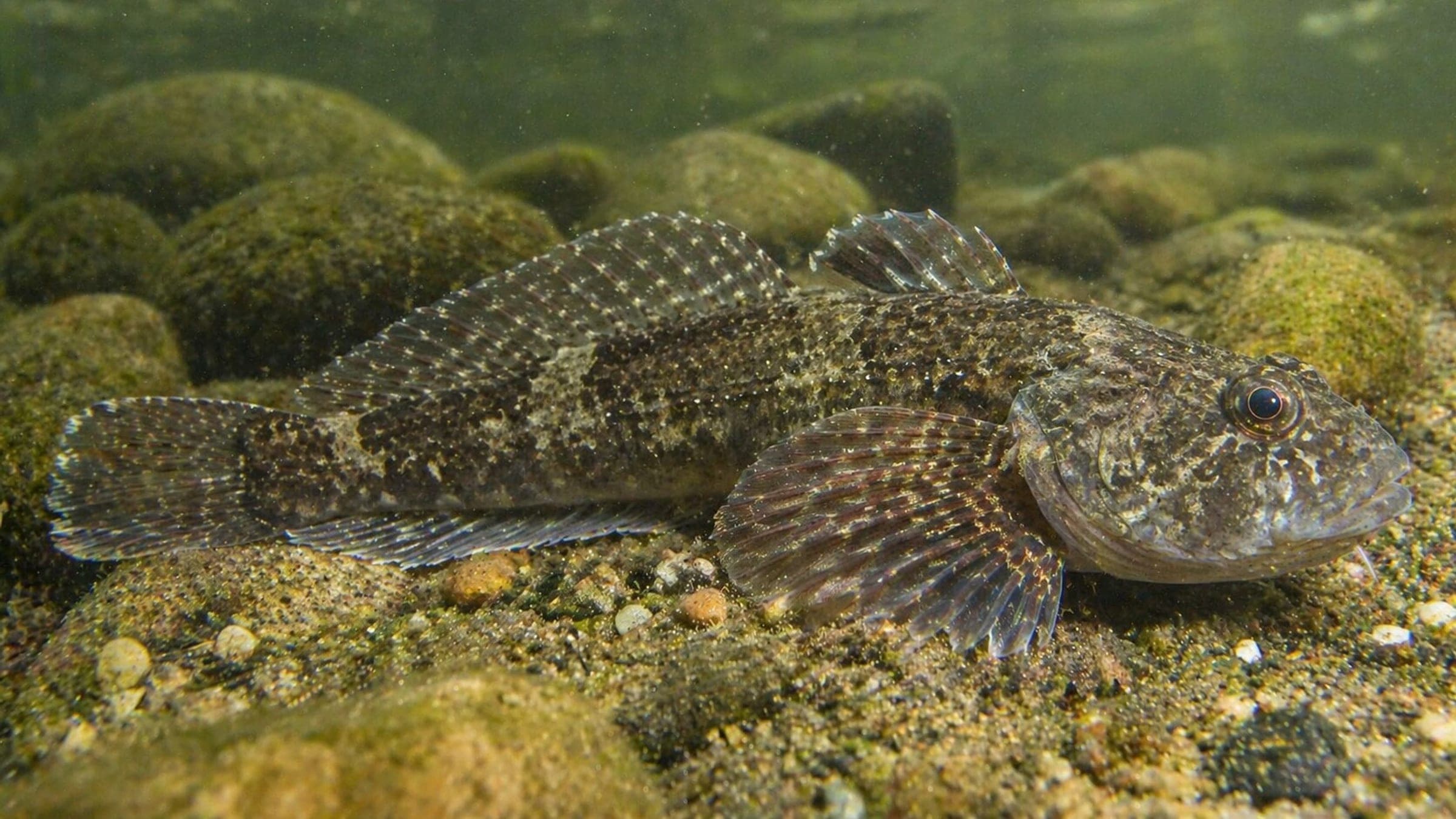
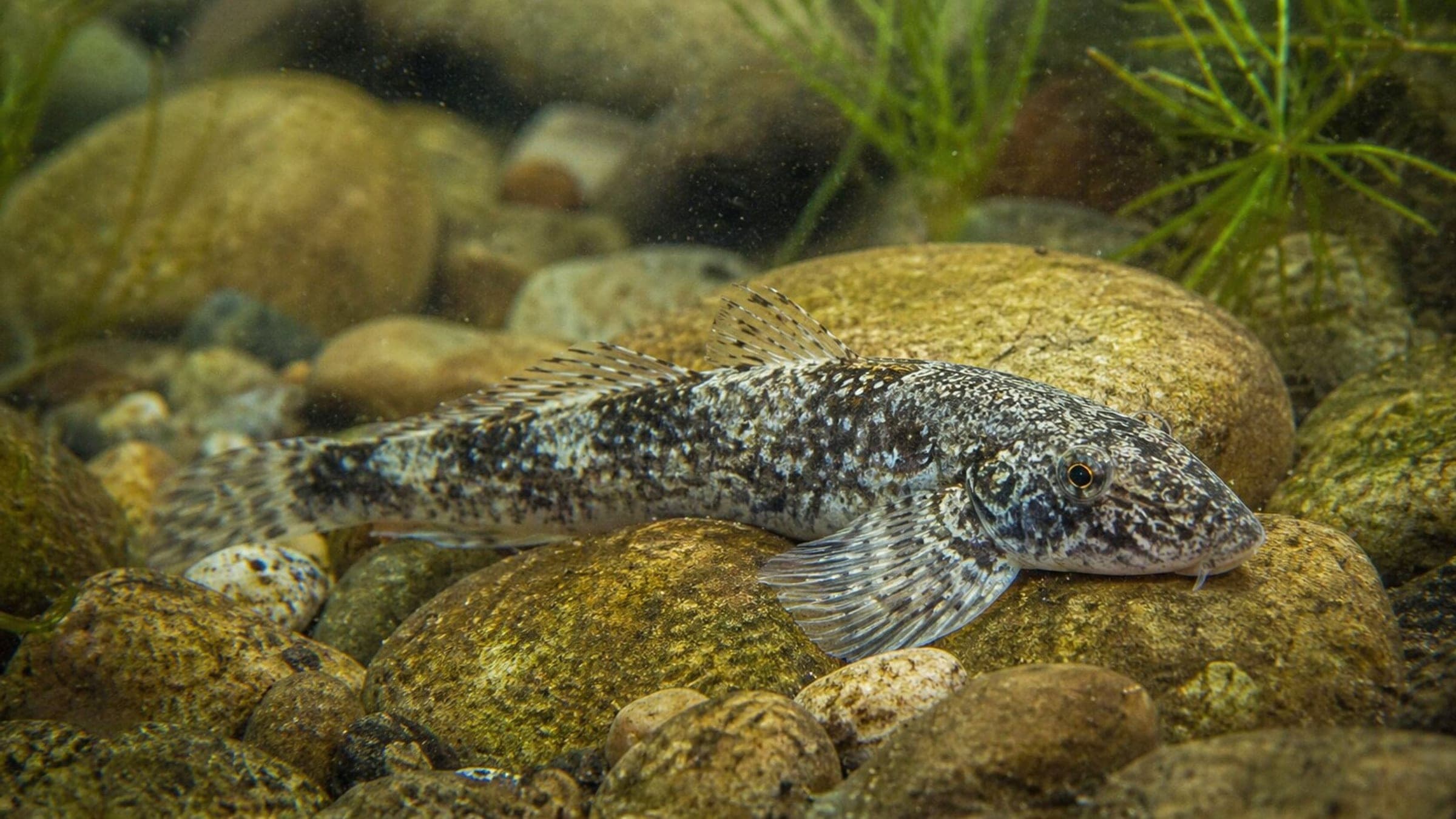
Typical life cycle
Usually anadromous: hatch in shallow gravel beds of freshwater headstreams, juveniles live in rivers/lakes/wetlands, adults migrate to the ocean and later return to freshwater to spawn.
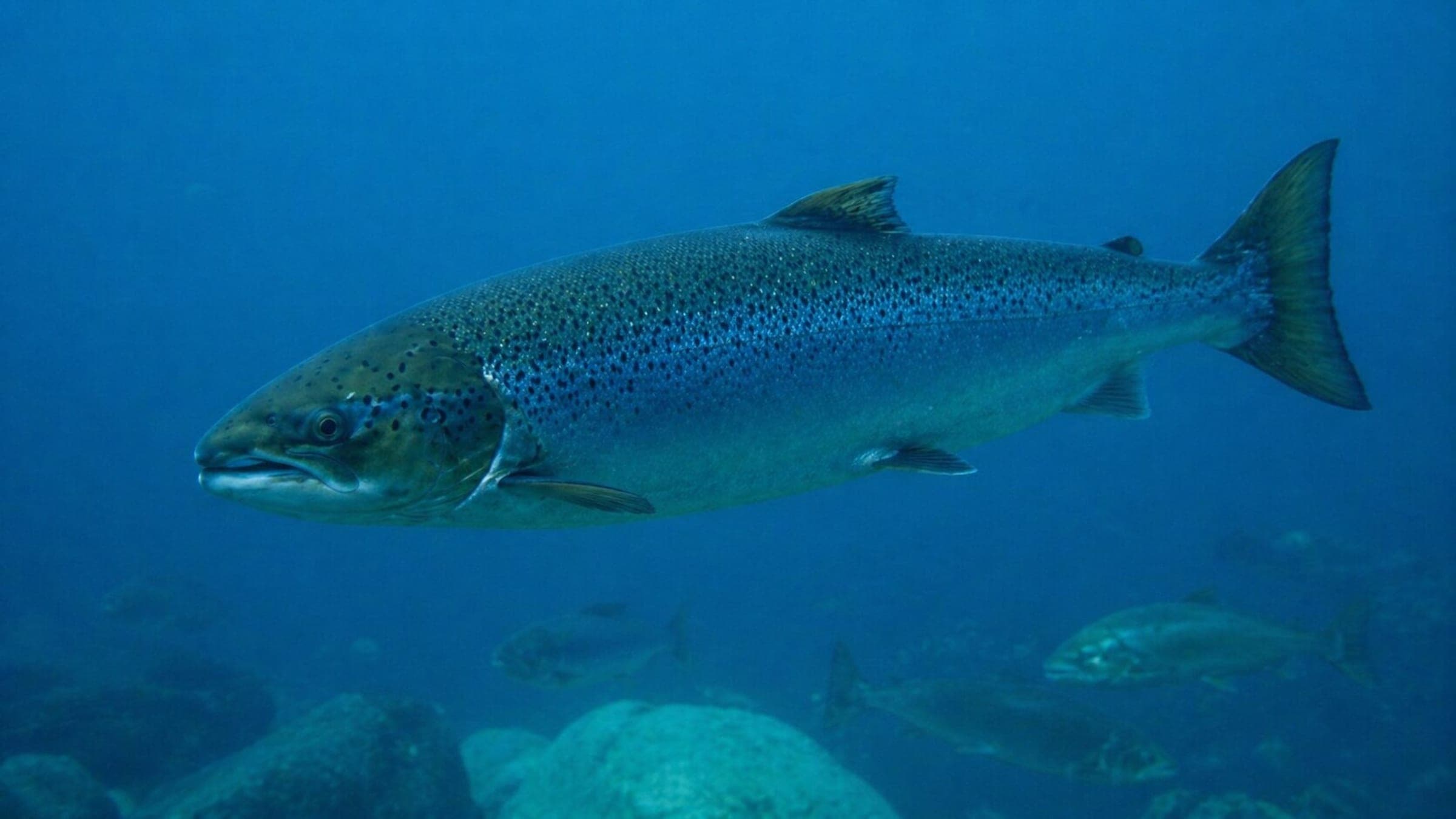
Salmon are euryhaline ray-finned fishes in the Salmonidae family, typically migrating between freshwater and the ocean to spawn.
Species Guide
A clean field guide focused on habitat, identification, behavior, and conservation context without burying the useful parts.
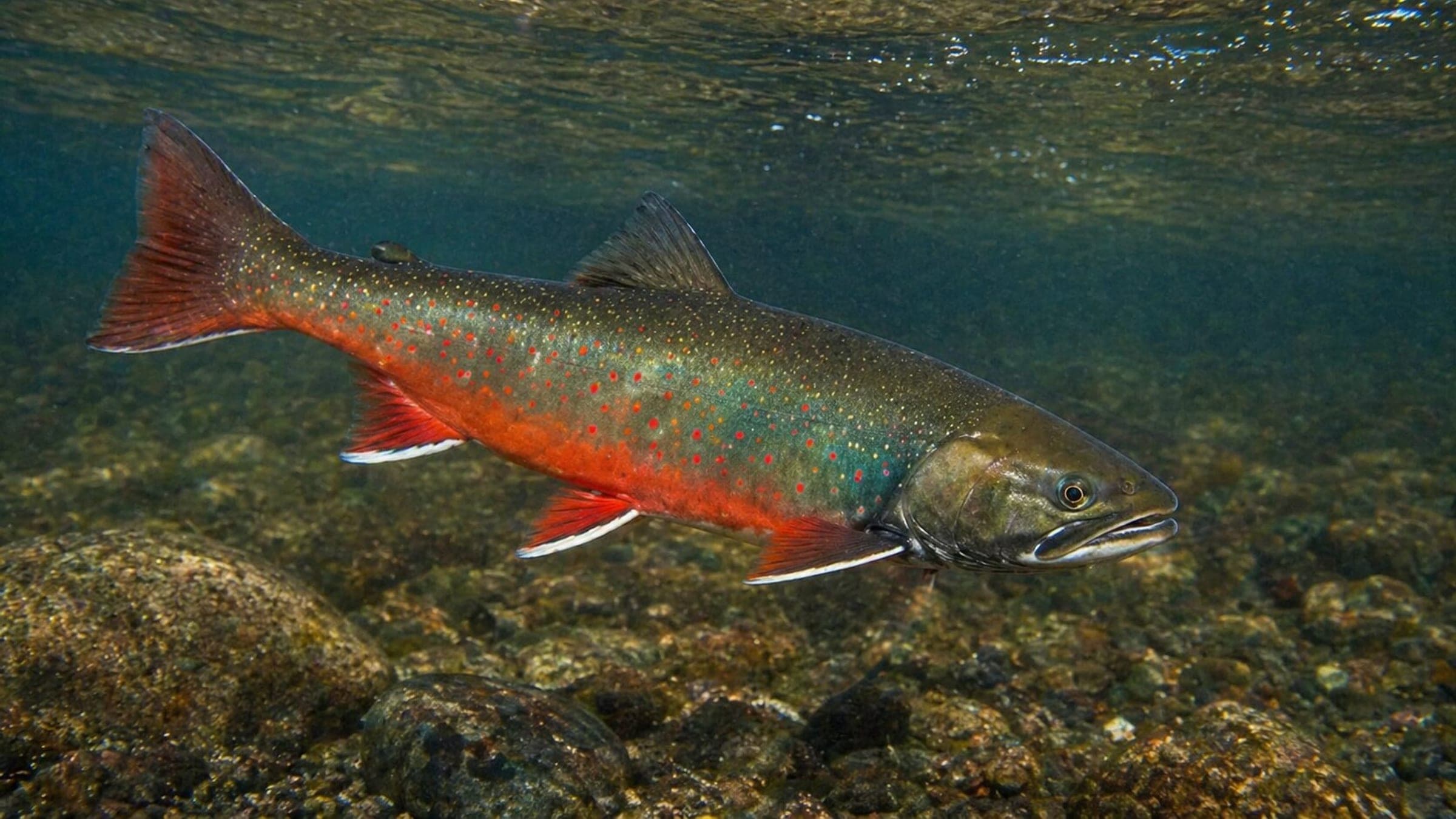
Salmon are several commercially important species of euryhaline ray-finned fish in the family Salmonidae, primarily from the genera Salmo (North Atlantic) and Oncorhynchus (North Pacific). They are typically anadromous: eggs are laid in shallow gravel beds of freshwater headstreams, juveniles develop in rivers, lakes or wetlands, adults migrate to the ocean, then return to freshwater to reproduce. Some populations are landlocked and spend their entire lives in fresh water. Homing behavior that returns many individuals to their natal streams depends on olfactory memory, though some fish in a returning run may stray and spawn elsewhere. Salmon are important food and game fishes and are intensively farmed worldwide, with Norway and Chile identified as major farm producers. Several species have been introduced and become naturalized outside their native ranges.
Typically anadromous migrations between freshwater headstreams (spawning) and the ocean (adult feeding), with some individuals straying to spawn in non-natal systems; a portion of populations can be wholly freshwater (landlocked).
The strongest linked planning options currently surface around destinations such as Boschmolenplas and Limburg Lakes, Kreidesee Hemmoor, Fehmarn and the Schleswig-Holstein Baltic Coast (Kiel and Lübeck Bay) and countries such as United States of America, Austria, Canada for divers building trips around salmons.
Identification
The visual markers divers can use underwater, plus the species most likely to cause confusion.
Last Updated Mar 9, 2026 · 2 sources
Members are euryhaline ray-finned fishes in the family Salmonidae, primarily from the genera Salmo and Oncorhynchus.
Usually anadromous: hatch in shallow gravel beds of freshwater headstreams, juveniles live in rivers/lakes/wetlands, adults migrate to the ocean and later return to freshwater to spawn.
Some populations of several species remain restricted to fresh water throughout life (landlocked).
Trout, char, grayling, whitefish, lenok and taimen are closely related and share coldwater habitats.
Range and Movement
The broad range, seasonal movement, or migratory behavior that shapes where divers encounter this species.
Typically anadromous migrations between freshwater headstreams (spawning) and the ocean (adult feeding), with some individuals straying to spawn in non-natal systems; a portion of populations can be wholly freshwater (landlocked).
Responsible Encounters
Conservation-minded guidance for divers who want the encounter without adding pressure.
Give salmon space, avoid blocking the animal's path, and follow local site and operator rules for wildlife interactions with freshwater fishes.
Field Notes
Useful species context that makes the encounter more meaningful once you are underwater.
Homing behavior depends on olfactory memory, and many salmon return to their natal streams to spawn.
Salmon are intensively farmed globally; Norway is the world's largest producer of farmed salmon, followed by Chile.
Several salmon species have been introduced and naturalized in regions such as the Great Lakes, Patagonia and New Zealand's South Island.
Top Destinations
Destinations surfaced from the linked dive spots associated with this species.
Top Countries
The strongest country-level starting points currently linked to this species.
Top Dive Spots
Directly linked dive spots where this species already shows up in the planning data.
Rock and cave dive with sheltered structure.
Freshwater shore dive at a quiet Lake Winnisquam state park.
Rare freshwater waterfall dive near Sendai.
Historic schooner wreck off Prince Edward County.
Bass Lake is a beginner-friendly inland training lake.
Easy Austrian lake wreck dive with a shallow car and a deeper dinghy.
FAQ
Clear planning and conservation answers written for search visibility and AI retrieval.
Research Sources
Primary and credible references behind the field-guide and conservation claims on this page.
Related Species
Related species guides in the same encounter family.