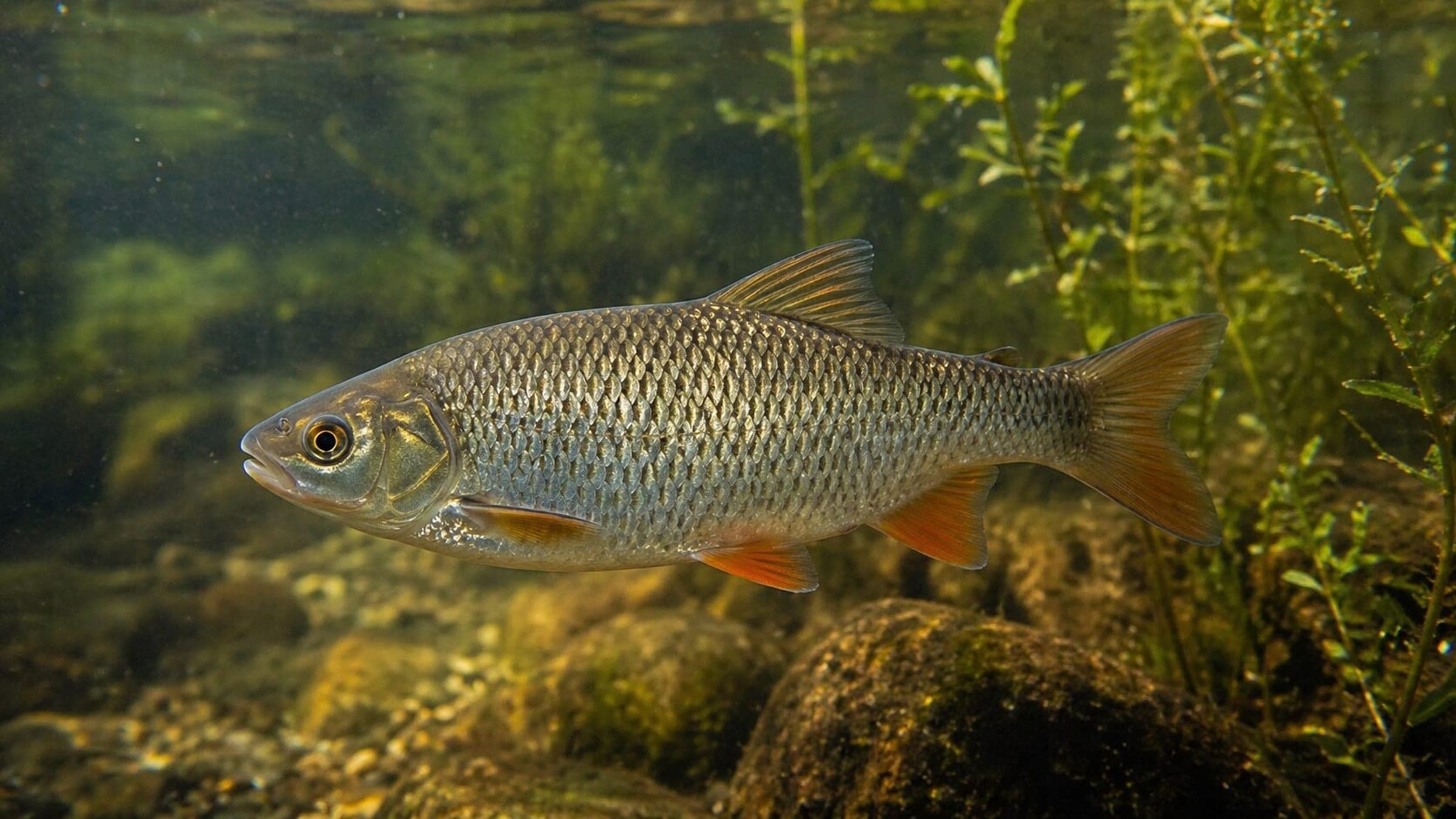
Habitat and lifecycle
Carnivorous freshwater fishes that typically inhabit lakes, rivers and wetlands; many migrate upstream to spawn in gravel beds.
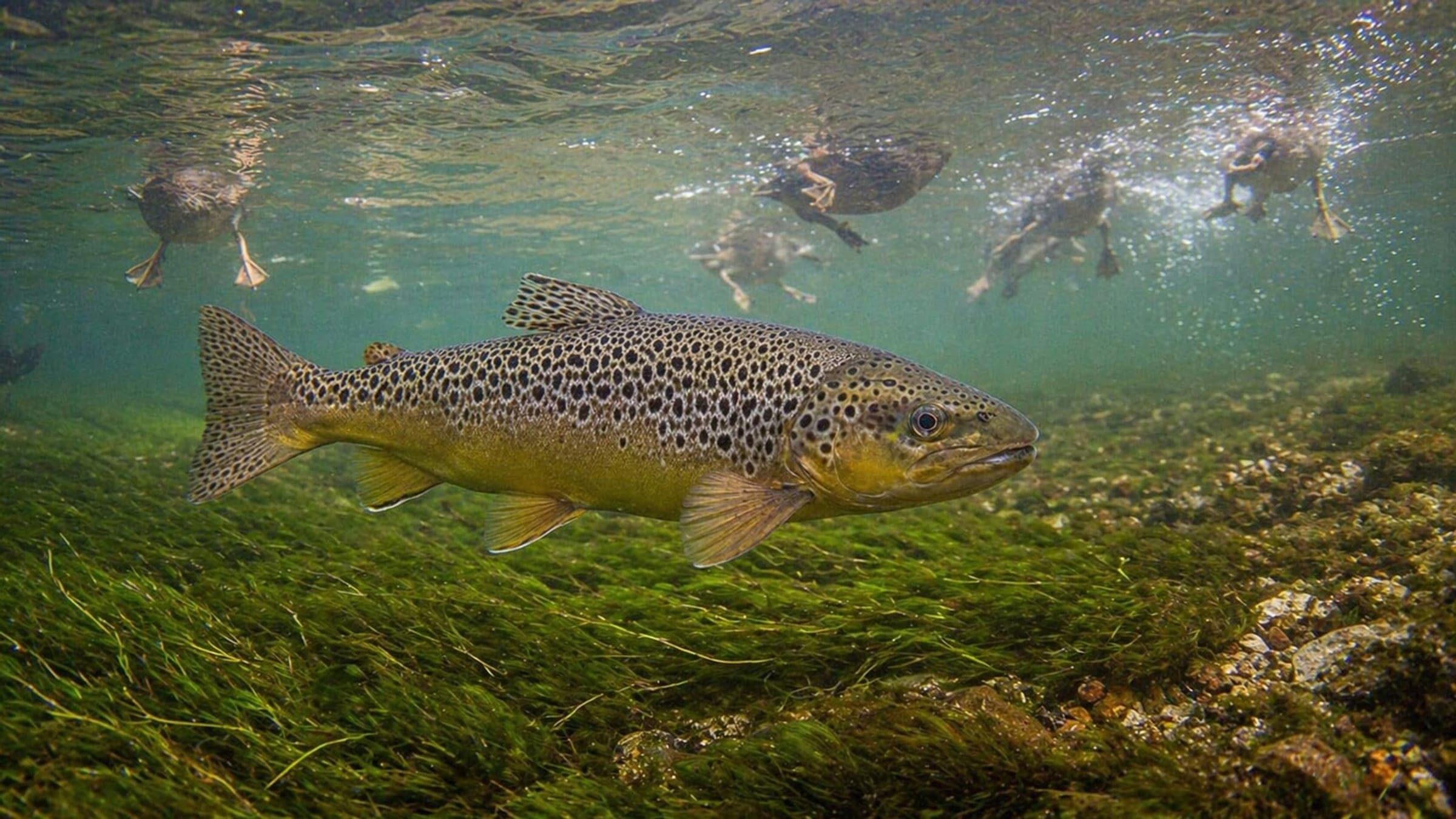
Trout is a generic common name for numerous carnivorous freshwater fishes in the Salmoninae subfamily of Salmonidae.
Species Guide
A clean field guide focused on habitat, identification, behavior, and conservation context without burying the useful parts.
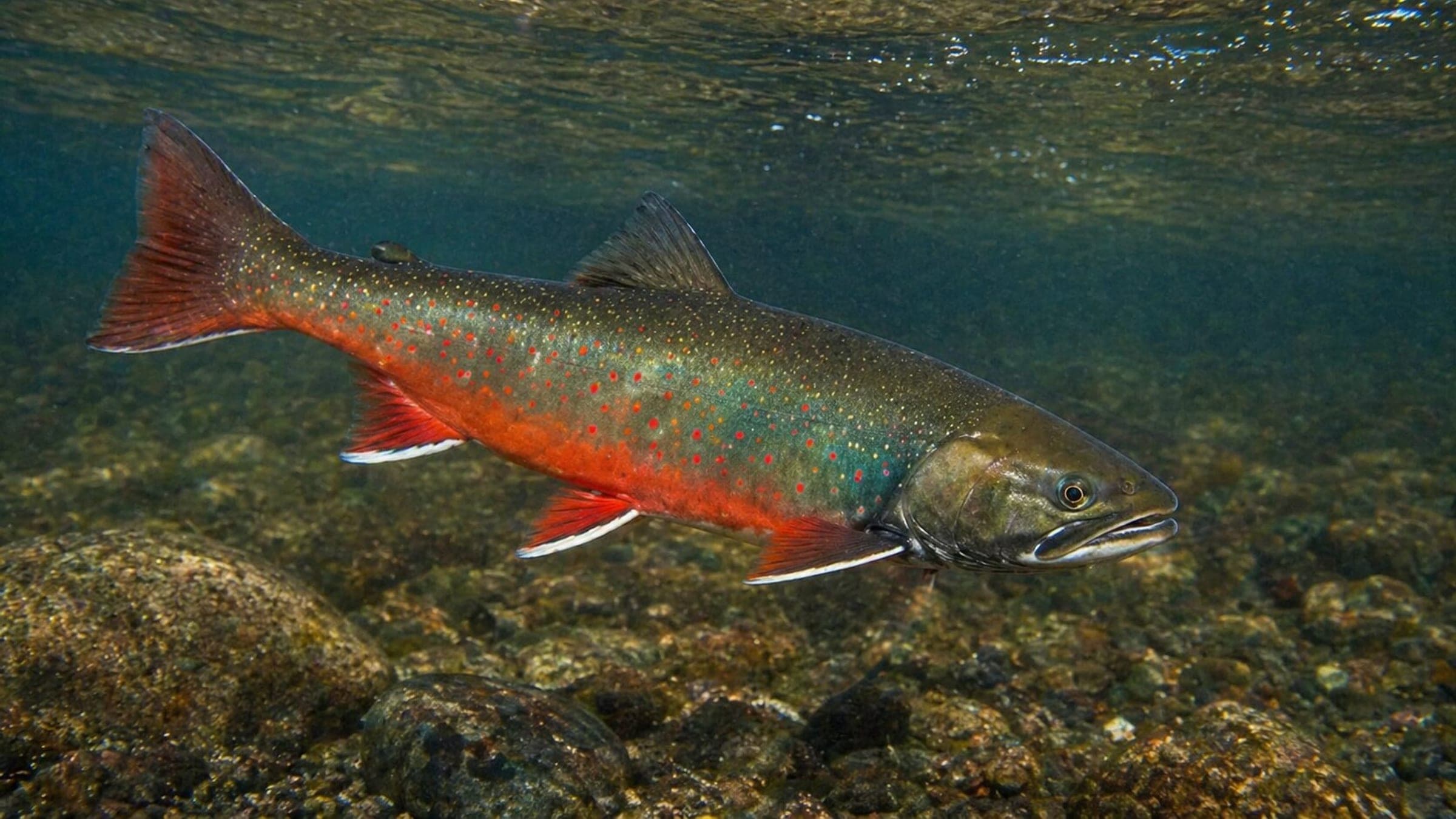
Trout is a common name for numerous species of carnivorous freshwater fishes in the genera Oncorhynchus, Salmo, and Salvelinus, members of the subfamily Salmoninae (family Salmonidae). The name "trout" is also applied to some similar-shaped but non-salmonid fish (for example, the spotted seatrout, Cynoscion nebulosus). Most trout are potamodromous, spending their lives in freshwater lakes, rivers and wetlands and migrating upstream to spawn in shallow gravel beds of smaller headwater creeks. Some trout are anadromous—examples include steelhead (a coastal form of rainbow trout) and sea trout (a sea-run form of brown trout), which can spend years at sea before returning to freshwater to spawn. Some fishes called "trout," such as brook trout and three other North American species, are actually char (charr), which are closely related salmonids.
Most trout are potamodromous, spending their lives in freshwater and migrating upstream to spawn; some forms (e.g., steelhead, sea trout) are anadromous and spend part of adulthood at sea before returning to spawn.
Trout are mid-level predators feeding on crustaceans, insects, worms, small fish (baitfish) and tadpoles.
The strongest linked planning options currently surface around destinations such as Lake Constance (Bodensee), Lake Tahoe, Kreidesee Hemmoor and countries such as United States of America, Austria, Germany for divers building trips around trouts.
Identification
The visual markers divers can use underwater, plus the species most likely to cause confusion.
Last Updated Mar 9, 2026 · 2 sources
Species usually belong to the genera Oncorhynchus, Salmo, and Salvelinus within the Salmoninae subfamily of Salmonidae.
Carnivorous freshwater fishes that typically inhabit lakes, rivers and wetlands; many migrate upstream to spawn in gravel beds.
Called "trout" in common usage but is a non-salmonid fish (Cynoscion nebulosus), actually a croaker.
Some species named "trout" (for example brook trout) are actually char, a closely related group of salmonids.
Range and Movement
The broad range, seasonal movement, or migratory behavior that shapes where divers encounter this species.
Most trout are potamodromous, spending their lives in freshwater and migrating upstream to spawn; some forms (e.g., steelhead, sea trout) are anadromous and spend part of adulthood at sea before returning to spawn.
Diet
Useful feeding context that often explains habitat, movement, and encounter style.
Trout are mid-level predators feeding on crustaceans, insects, worms, small fish (baitfish) and tadpoles.
Responsible Encounters
Conservation-minded guidance for divers who want the encounter without adding pressure.
Give trout space, avoid blocking the animal's path, and follow local site and operator rules for wildlife interactions with freshwater fishes.
Field Notes
Useful species context that makes the encounter more meaningful once you are underwater.
Trout are classified as oily fish and have been important food fish for humans.
Trout serve as prey for many predators (bears, otters, raccoons, birds of prey, gulls, cormorants, kingfishers) and their remains provide nutrients for scavengers and riparian florae.
Top Destinations
Destinations surfaced from the linked dive spots associated with this species.
Top Countries
The strongest country-level starting points currently linked to this species.
Top Dive Spots
Directly linked dive spots where this species already shows up in the planning data.
Urban freshwater training dive on Belgrade's Sava Lake
Alexenau is an easy Attersee shore dive for training dives.
Bridge-pier dive with easy shore access and current
Shallow inland rock-face dive with a strong night profile
Attersee is Austria's alpine lake for cold-water shore diving.
Sheltered freshwater wall dive by Rorschach.
FAQ
Clear planning and conservation answers written for search visibility and AI retrieval.
Research Sources
Primary and credible references behind the field-guide and conservation claims on this page.
Related Species
Related species guides in the same encounter family.