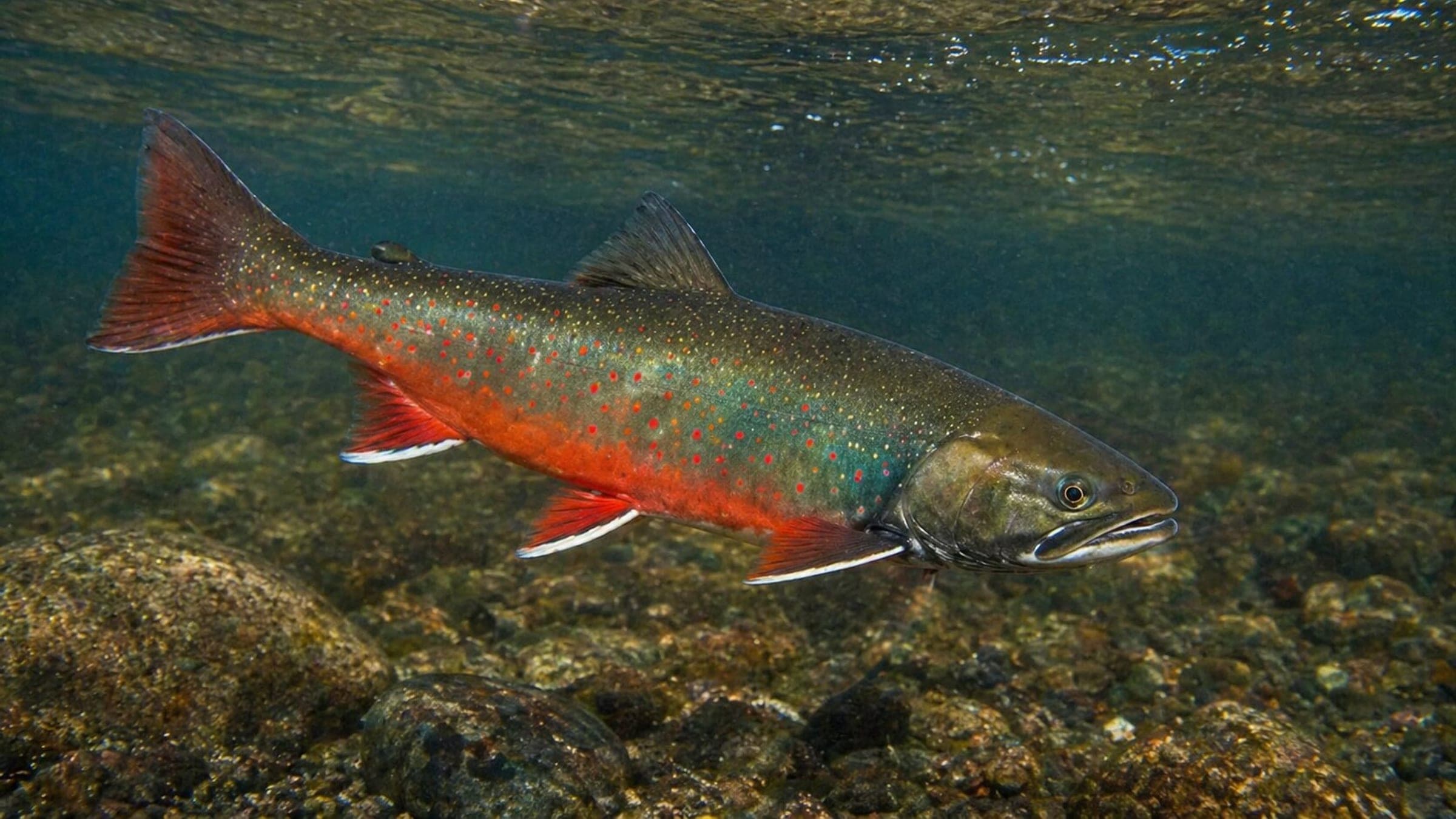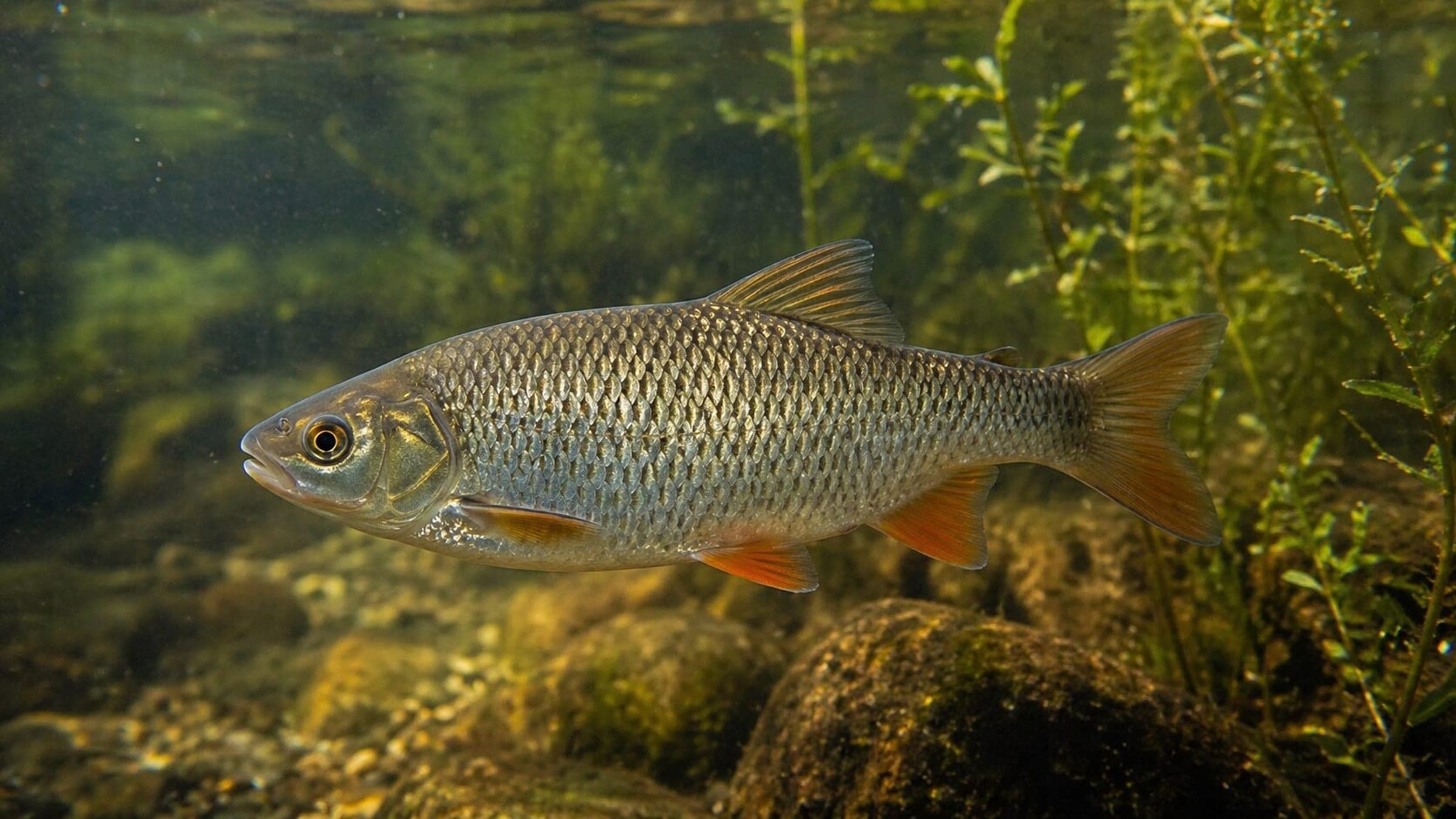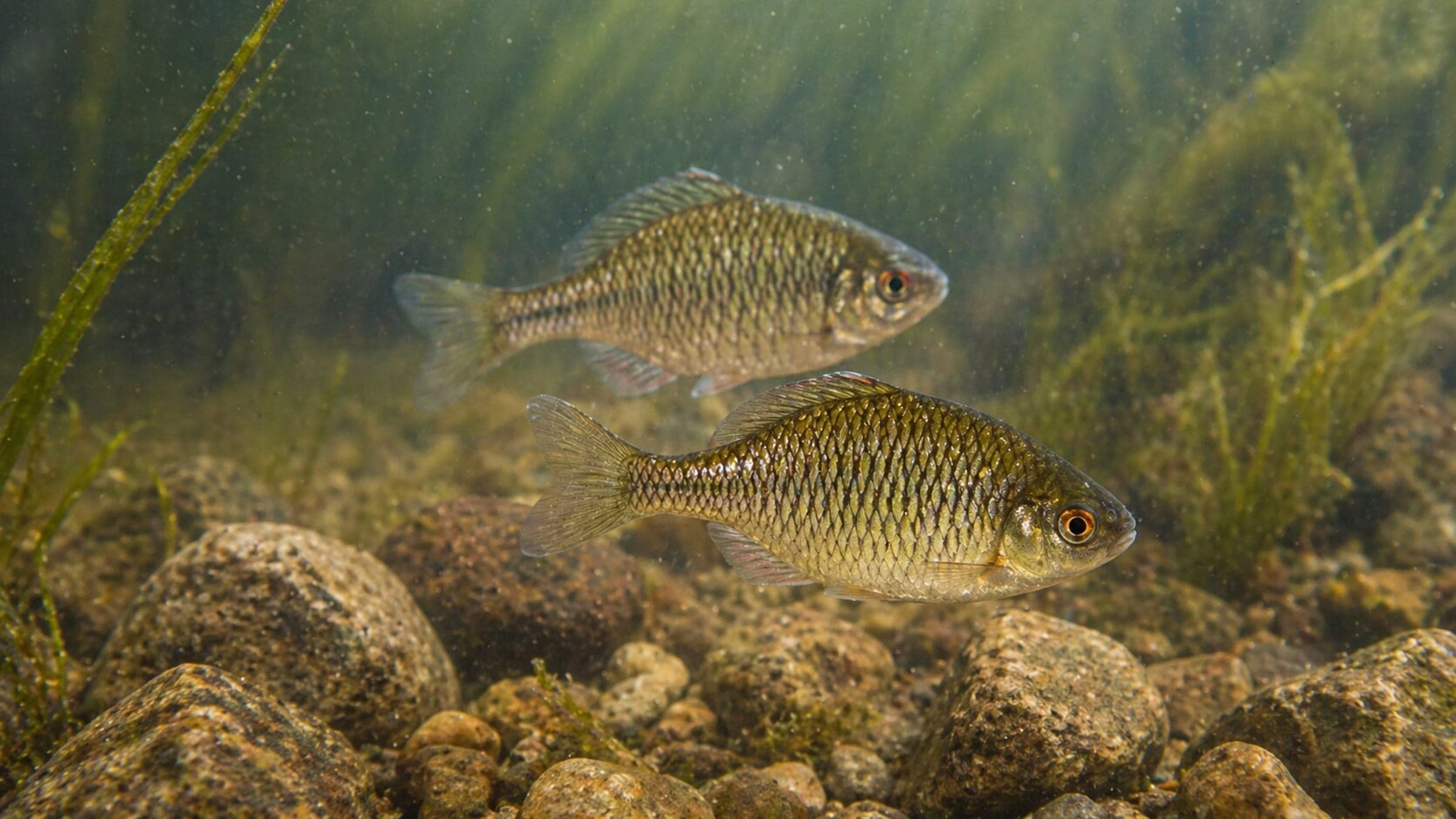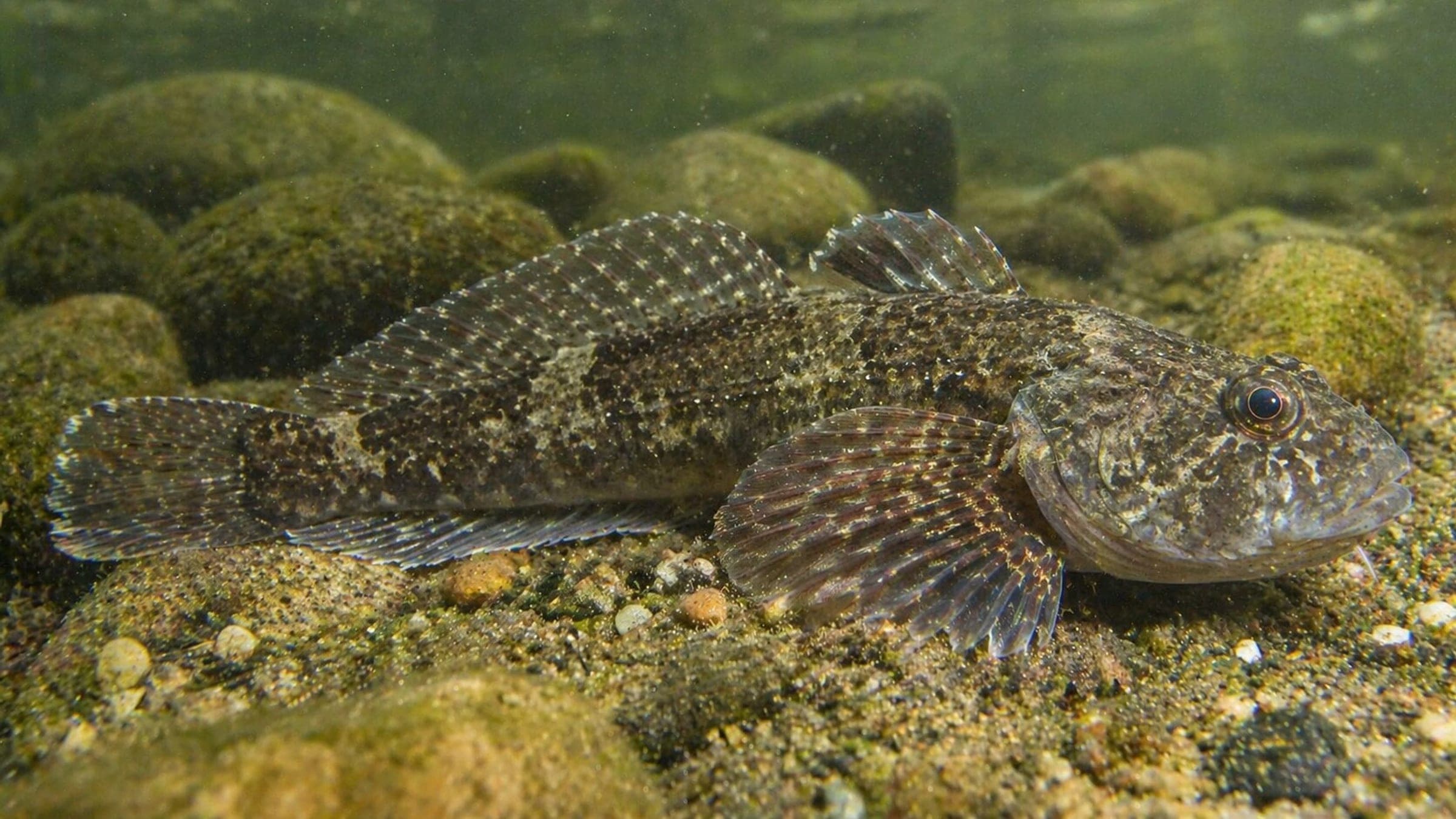
Walleye
Sander vitreus
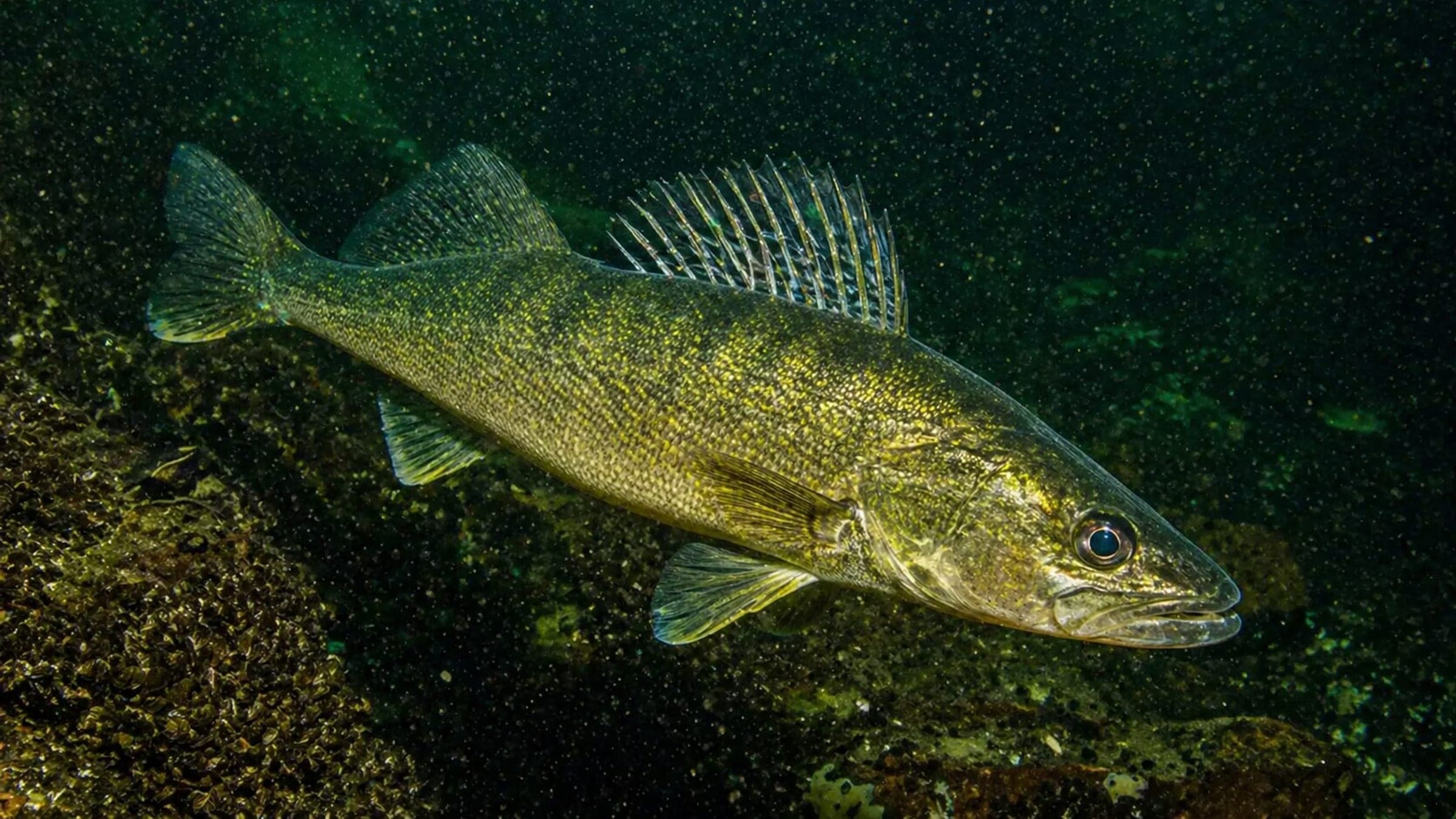
The walleye (Sander vitreus) is a North American freshwater perciform fish native to most of Canada and the northern United States.
walleyed pikeyellow pike
Species Guide
What to know about walleyes
A clean field guide focused on habitat, identification, behavior, and conservation context without burying the useful parts.
The walleye (Sander vitreus, synonym Stizostedion vitreum) is a freshwater perciform fish native to most of Canada and the northern United States. It is a close North American relative of the European zander (also called pikeperch). The species is sometimes called yellow walleye to distinguish it from the blue walleye, a color morph once found in southern Ontario and Quebec that is presumed extinct; genetic analysis of a preserved blue-walleye sample suggests blue and yellow forms were phenotypes within the same species. In parts of English-speaking Canada the fish is often called a pickerel, though it is not related to true pickerels (family Esocidae). In British English it is sometimes called a dory; the French common name doré means "golden" or "gilded." Walleyes show variation across watersheds, with populations within a watershed being generally similar and genetically distinct from nearby watersheds. The species has been artificially propagated and stocked for over a century, and introductions or plantings have sometimes reduced local genetic distinctiveness.
The strongest linked planning options currently surface around destinations such as Lake Constance (Bodensee), Algarve, Bahias de Huatulco and countries such as United States of America, Canada, Austria for divers building trips around walleyes.
Identification
How to identify walleyes
The visual markers divers can use underwater, plus the species most likely to cause confusion.