Best time to go
May to June and September
Comfortable air, broad services, and water moving from spring temperatures toward roughly 17°C to 22°C in September.
Main caution: Surface chop can add a little more texture on exposed entries.

Cold-water walls, freshwater wrecks, and Alpine villages around Italy's largest lake
Overview
Lake Garda is a land-based freshwater destination where dramatic geology matters as much as marine life. The north around Riva del Garda and Malcesine brings steep walls, rock gullies, deep water, and training sites such as Porto San Nicolo. The west and south add shore-accessed walls and wreck circuits, including Relitti di Salo and Parete di San Sivino. Water can be genuinely cold below the thermocline, visibility changes with runoff, plankton, wind, and silt, and depths can increase abruptly. This rewards conservative buoyancy, navigation, and gas planning. Freedivers use locally selected bays such as Baia delle Sirene, while snorkelers do best in the warm season at sheltered beaches. Above water, ferries, Sirmione, Monte Baldo, Riva del Garda, waterfalls, cycling, and thermal spas make the lake especially strong for mixed groups.
Walls, grottoes, submerged sculptures, training platforms, and wreck circuits create more variety than a single lake label suggests.
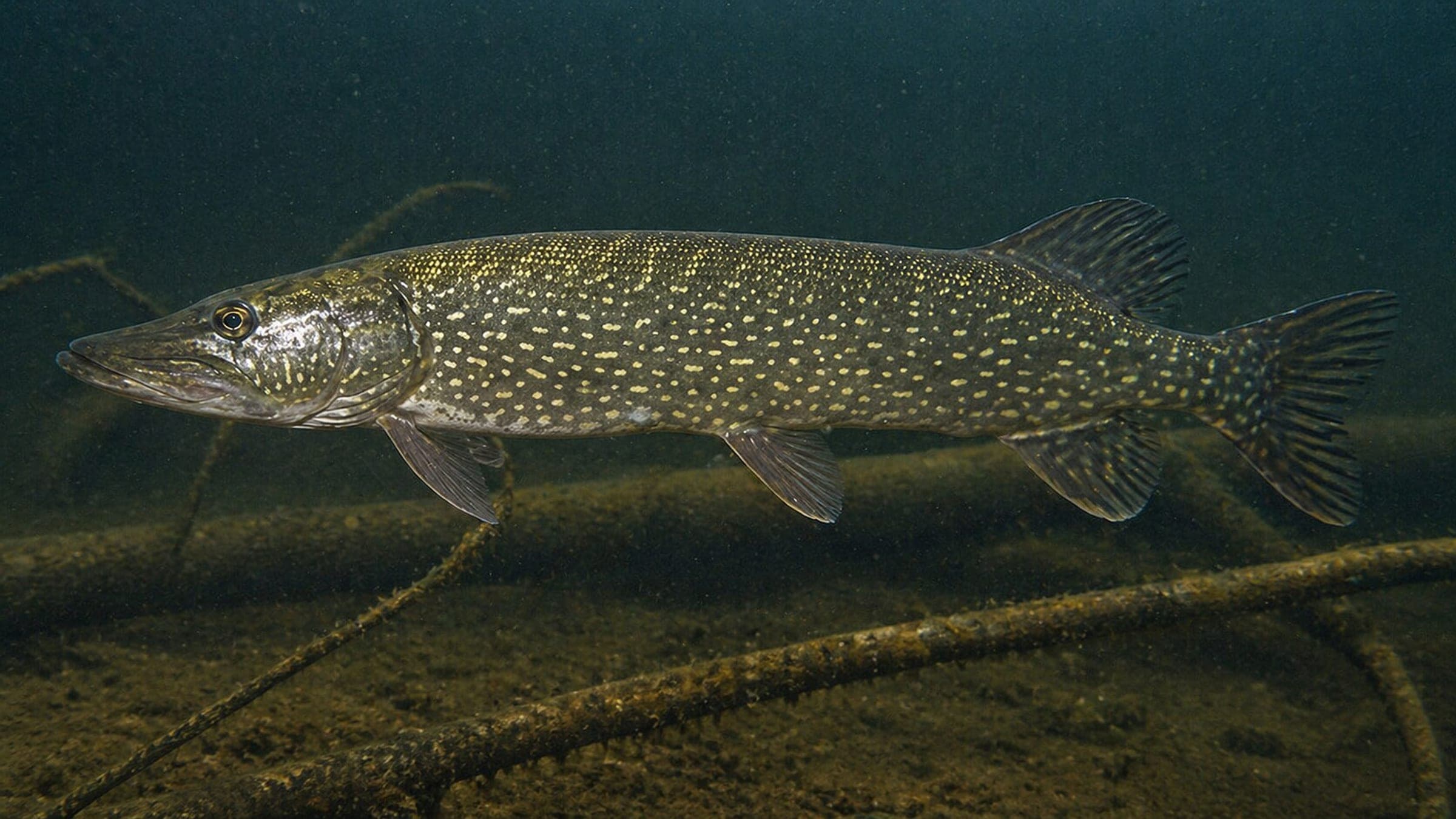
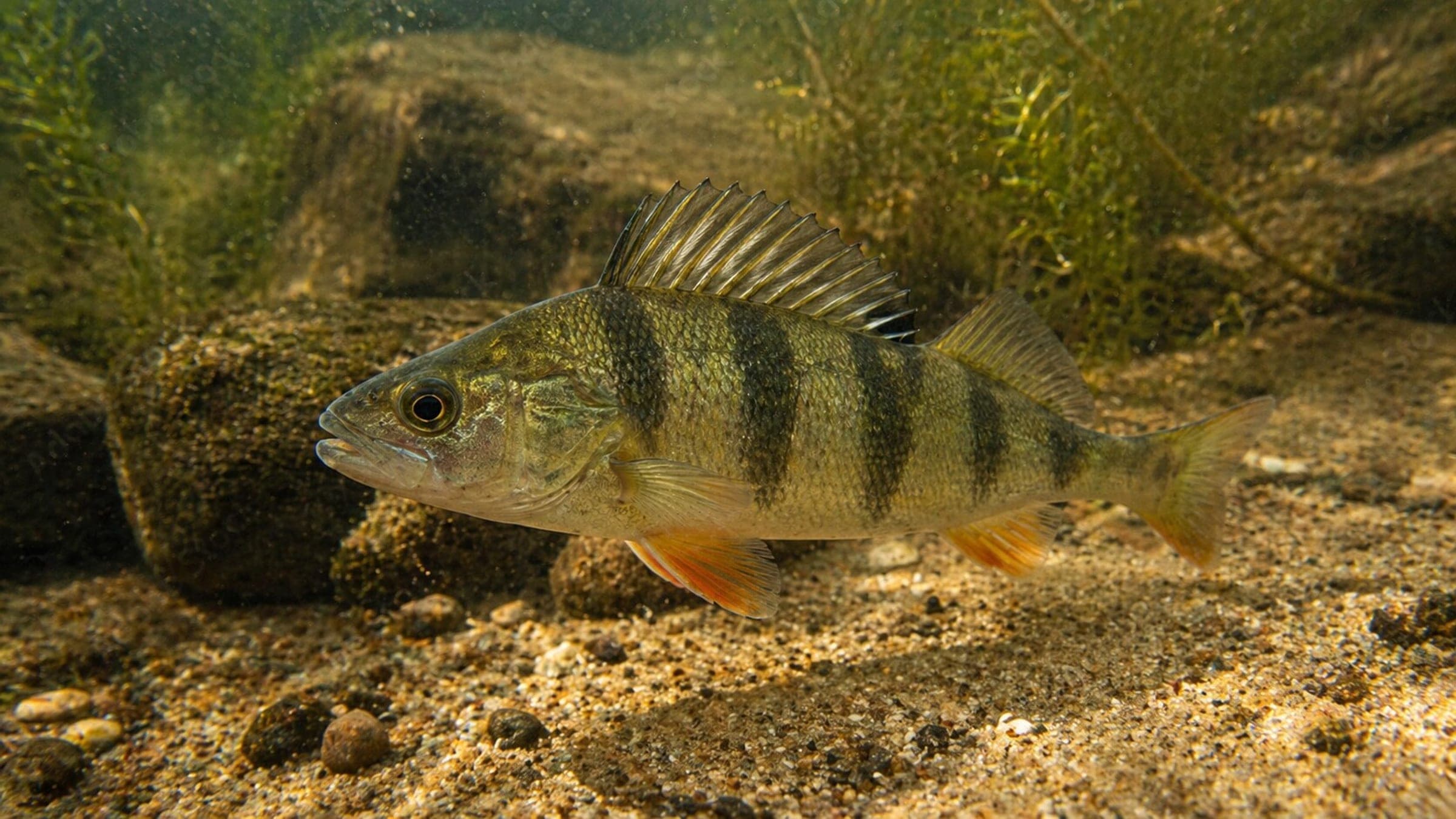
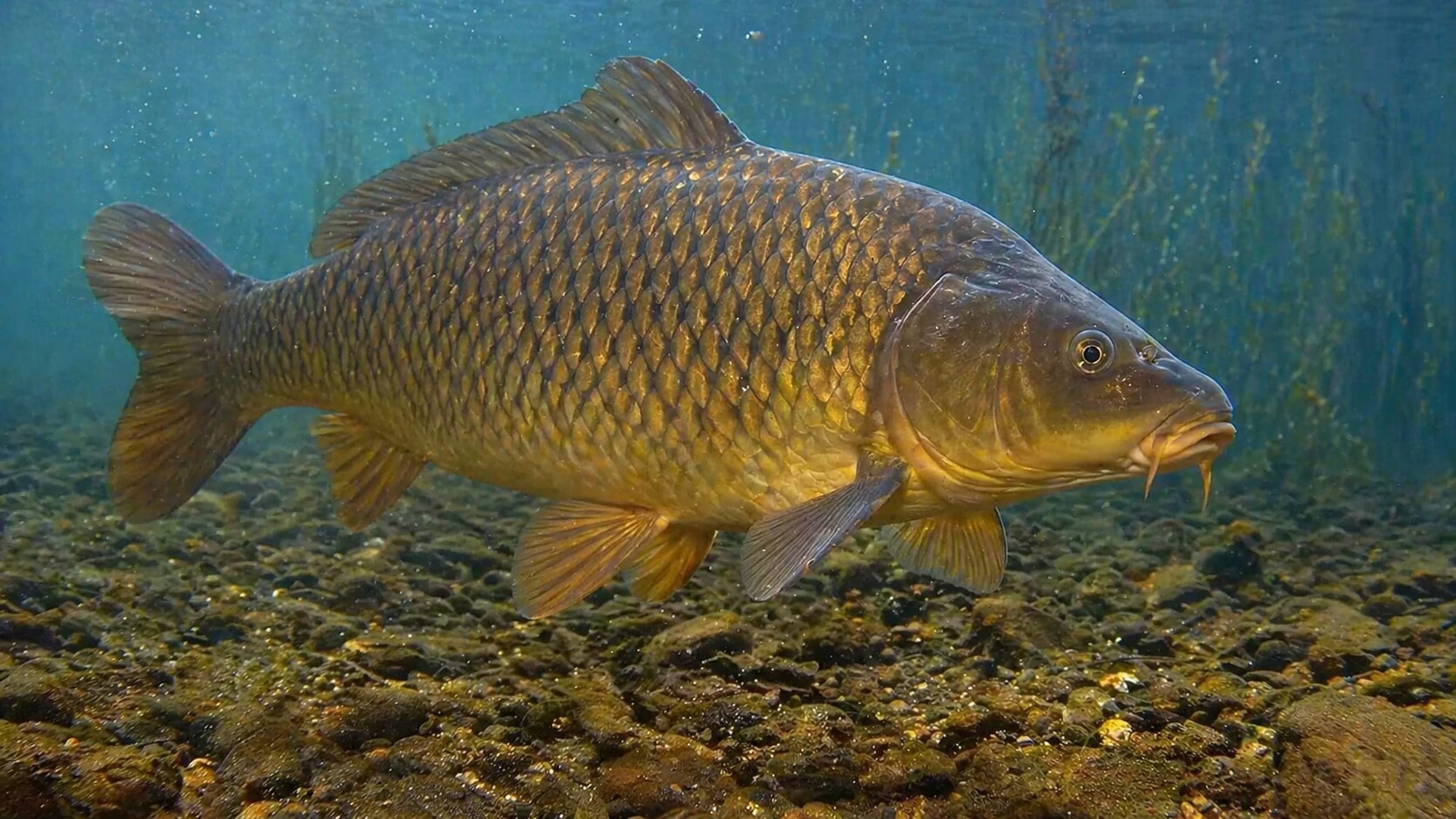
Top species linked to approved dive spots in Lake Garda.
Share what the whole destination was like. Once enough independent reviews are approved, DiveJourney publishes anonymous patterns, not reviewer profiles.
Quick shortlist before you jump into the full planning page.
Lake Garda wall dive with steep rock and fresh water.
DiveJourney destination guides are living documents built from local knowledge, operator experience, and publicly available sources. Conditions, regulations, and logistics can change. Each guide shows its last update date and sources used.
Last updated: September 5, 2026 • 43 sources
If destination data is inaccurate, stale, missing, or sourced poorly, send a factual correction. This is separate from anonymous destination reviews.
Shallow guided training sites sit near advanced and technical terrain, so teams can build a trip around actual qualifications rather than a one-depth itinerary.
Ferries, historic towns, mountain cable cars, cycling, hiking, waterfalls, beaches, and thermal spas give non-divers full days of their own.
Scuba is possible in every season through local centers, but equipment, site choice, opening hours, wind exposure, and traveler goals change substantially through the year.
7 linked spots
Best time to go
May to June and September
Comfortable air, broad services, and water moving from spring temperatures toward roughly 17°C to 22°C in September.
Main caution: Surface chop can add a little more texture on exposed entries.