Getting there and around
- Yonaguni Airport · Allow a local road transfer of roughly 10 to 20 minutes to Sonai or Kubura, depending on pickup, not a guaranteed time.

Oceanic drift diving, seasonal hammerheads and a puzzling submerged rock formation at Japan's western edge.
Overview
Yonaguni is a remote Japanese island whose signature dives are guided boat drifts in exposed Kuroshio-influenced water, especially winter searches for hammerhead sharks at Irizaki and weather-permitting visits to the Yonaguni Monument. In calmer conditions, local guides also use arch, wall, sand and reef-fish sites. Most signature diving is for experienced, recently active divers, not independent shore divers. Okinawa tourism and Yonaguni Diving Service describe strong currents and operational limits.
Non-divers can take a weather-dependent semi-submersible tour, meet Yonaguni horses, visit island craft workshops and explore coastal viewpoints. Ferry and flight options are limited and storm-sensitive. The Monument is an unusual underwater rock formation; its human-built origin is not established. Local sightseeing operator; ferry operator.
Quick shortlist before you jump into the full planning page.
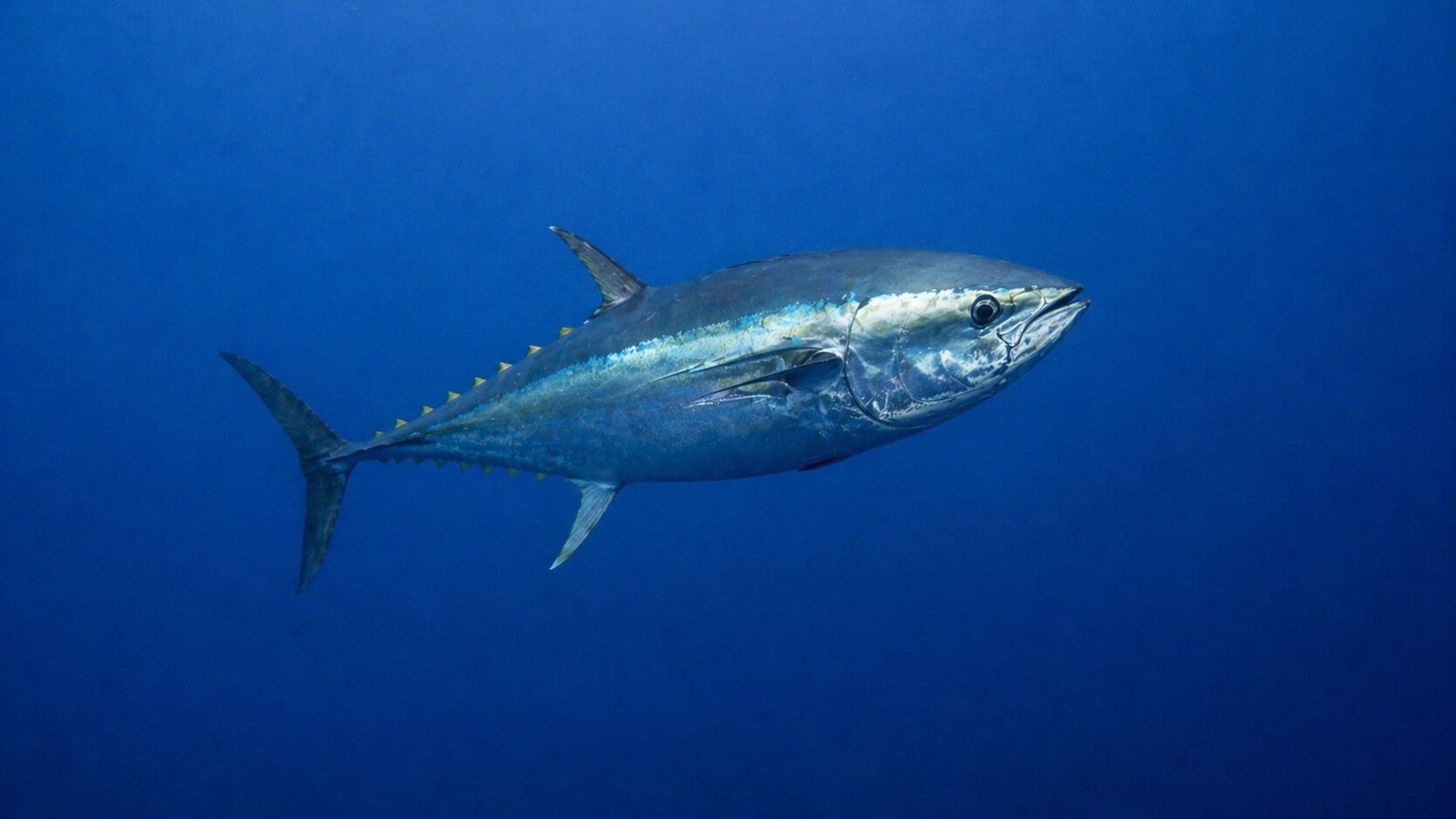
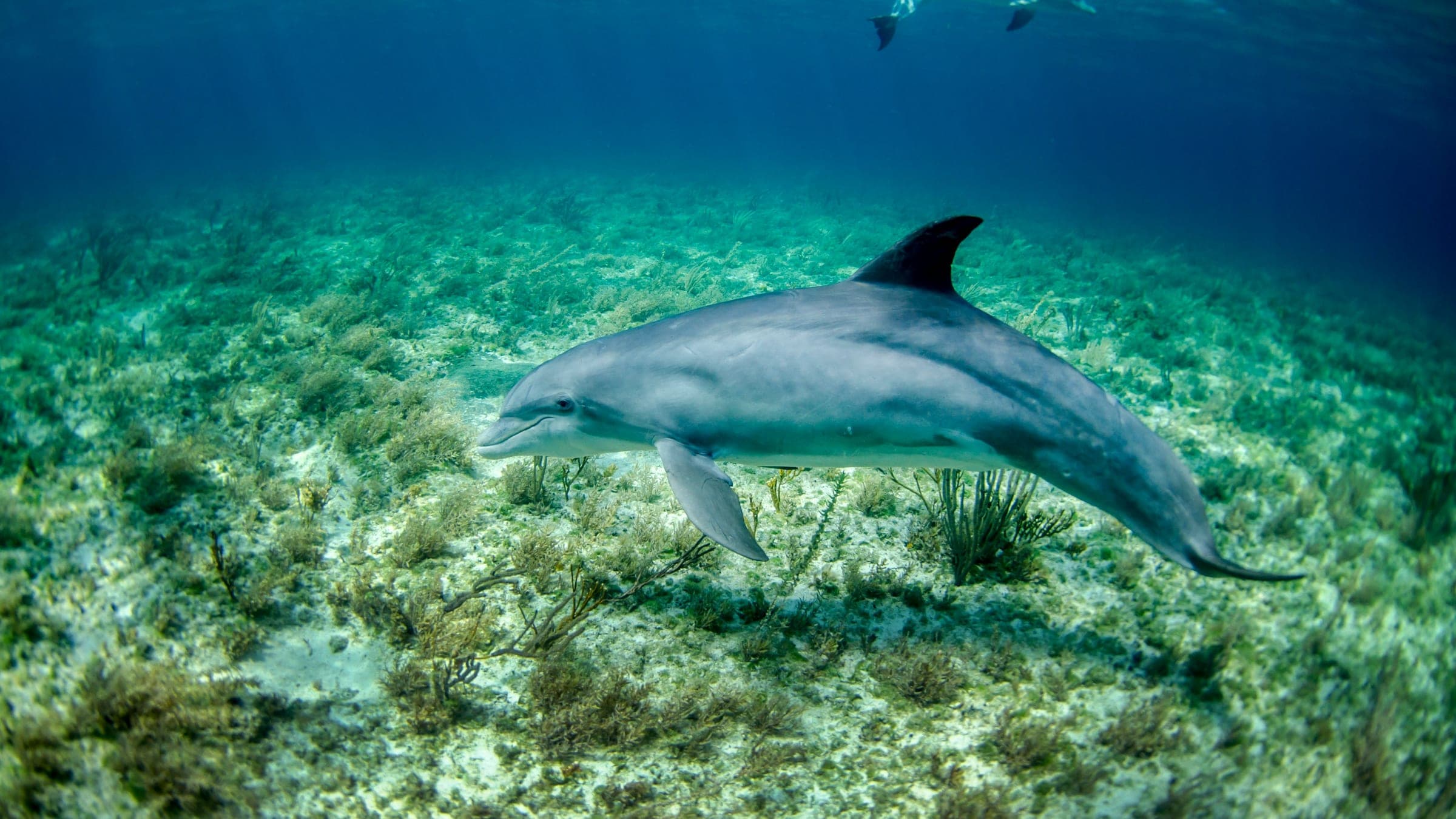
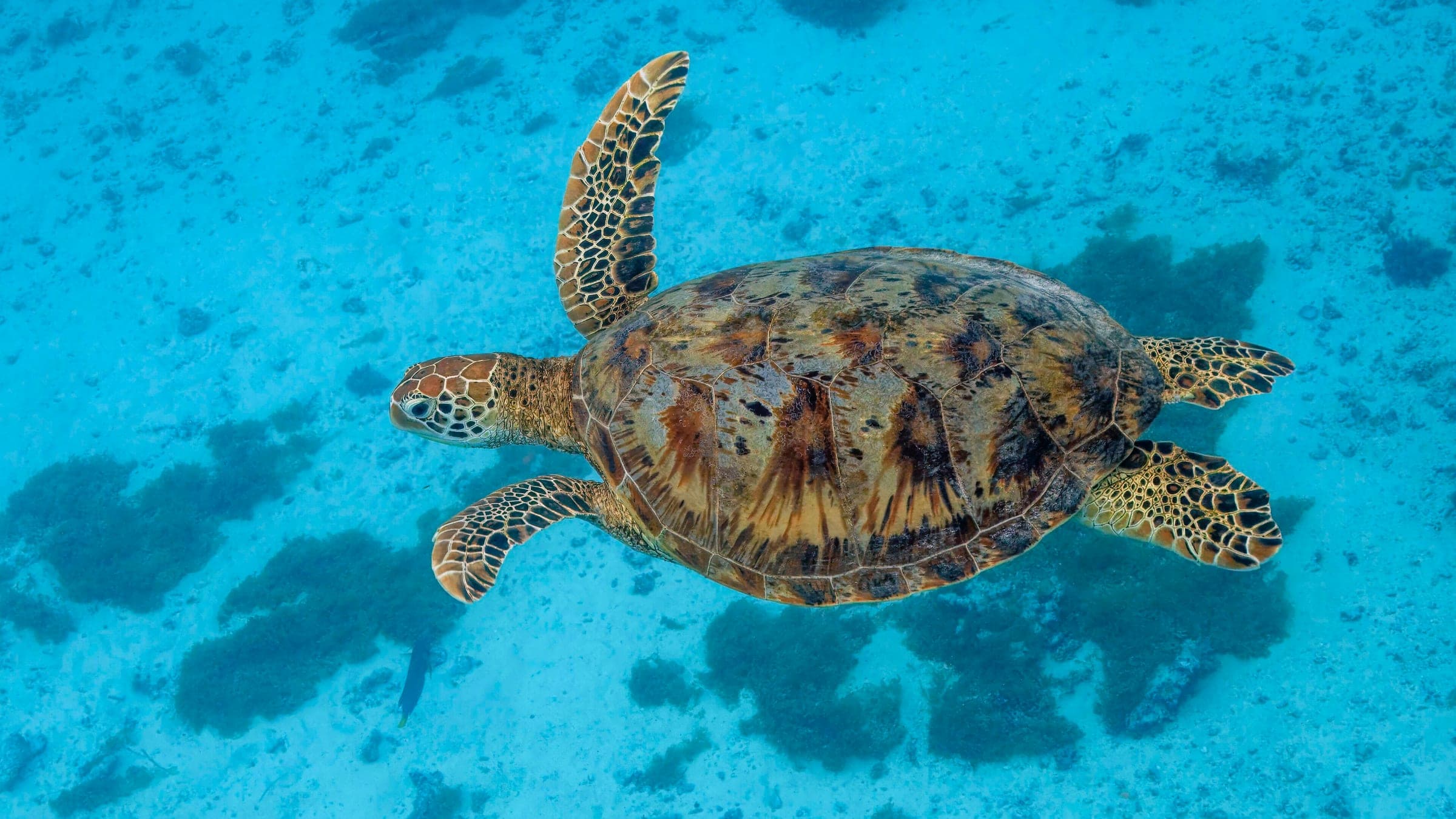
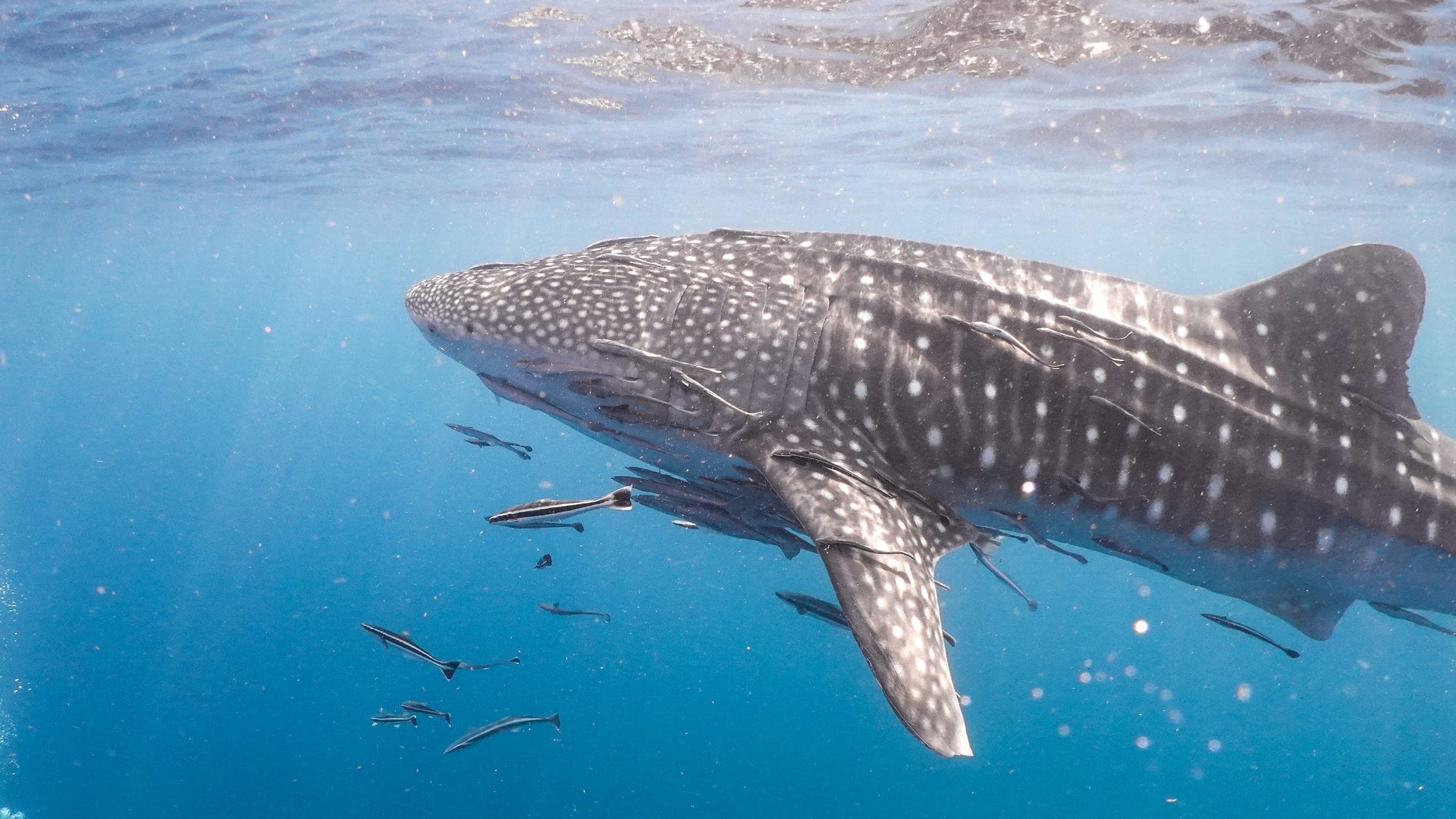
Top species linked to approved dive spots in Yonaguni.
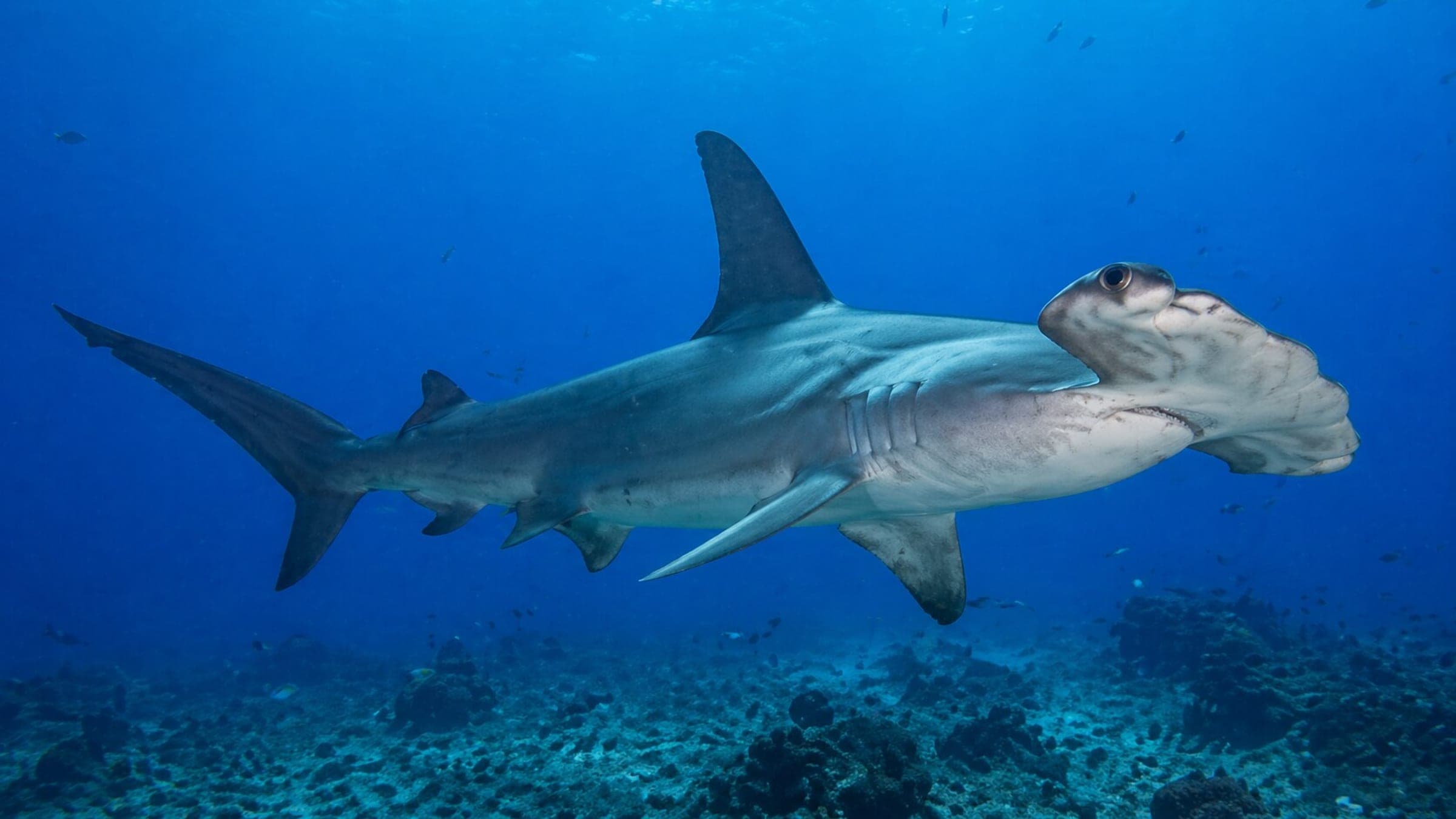
Cape Irizaki is a winter hammerhead destination, but open-ocean sightings are variable and current skills matter. Local season description.
The Yonaguni Monument is a dramatic stepped rock formation, not a verified archaeological city. Weather and currents control access. Operator access notes.
Named summer and shoulder-season boat routes include arches, drop-offs, sand and coral fish. Dive-site inventory.
Semi-submersible cruises, an endemic pony ranch, weaving workshops and viewpoints support mixed groups. Boat operator.
Sphyrna lewini
2 linked spots