Getting there and around
- Rotterdam The Hague Airport · About 1 hour to 1 hour 30 minutesutes by road, traffic and bridge routing dependent
- Amsterdam Airport Schiphol · About 2 hourss by road in normal traffic, with a larger buffer prudent

Two waters, one cold-water playground: tidal Oosterschelde and calm Grevelingenmeer
Overview
Zeeland compresses two distinct cold-water trips into one road-based destination. The Oosterschelde is a living tidal estuary where slack-water discipline unlocks bridge pillars, dike rock, walls, cuttlefish, seahorses, lobsters, and dense macro life. Nearby Grevelingenmeer is an enclosed saltwater lake with far less current, straightforward shore entries, training platforms, artificial reefs, and wrecks.
This contrast makes Zeeland unusually flexible. Newer divers can build confidence around Scharendijke, Den Osse, and 't Koepeltje, while experienced teams plan current-sensitive dives at Zeelandbrug or Zuidbout. Spring brings the celebrated cuttlefish breeding period; summer offers the easiest snorkeling and longest days; properly equipped drysuit divers continue through winter. The trip is local-only in format, with a car, local fills, tide data, and conservative buddy procedures doing more work than a boat itinerary.
Switch between tide-critical Oosterschelde biodiversity dives and generally low-current Grevelingenmeer training, wreck, or night dives without changing destination.
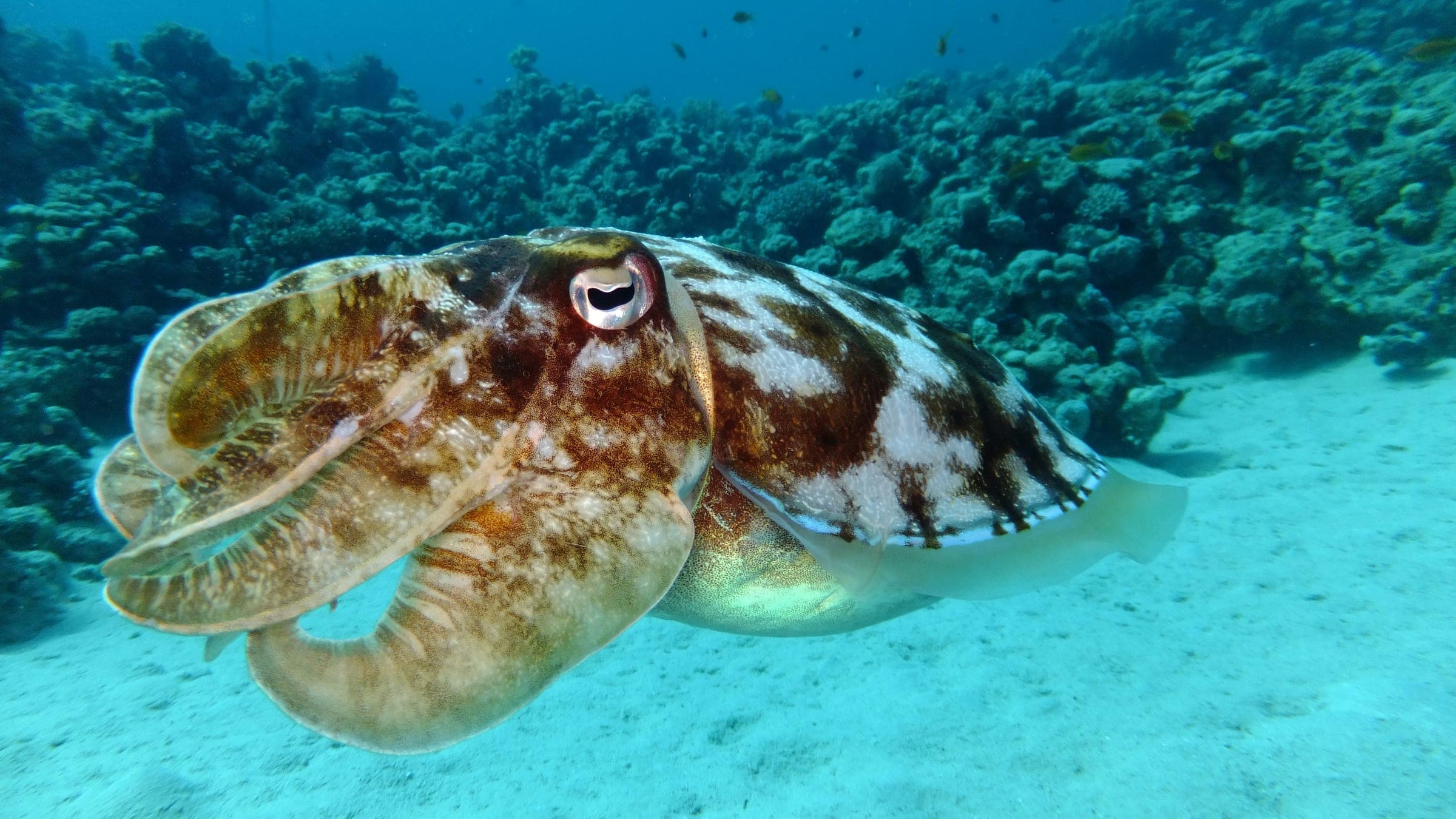
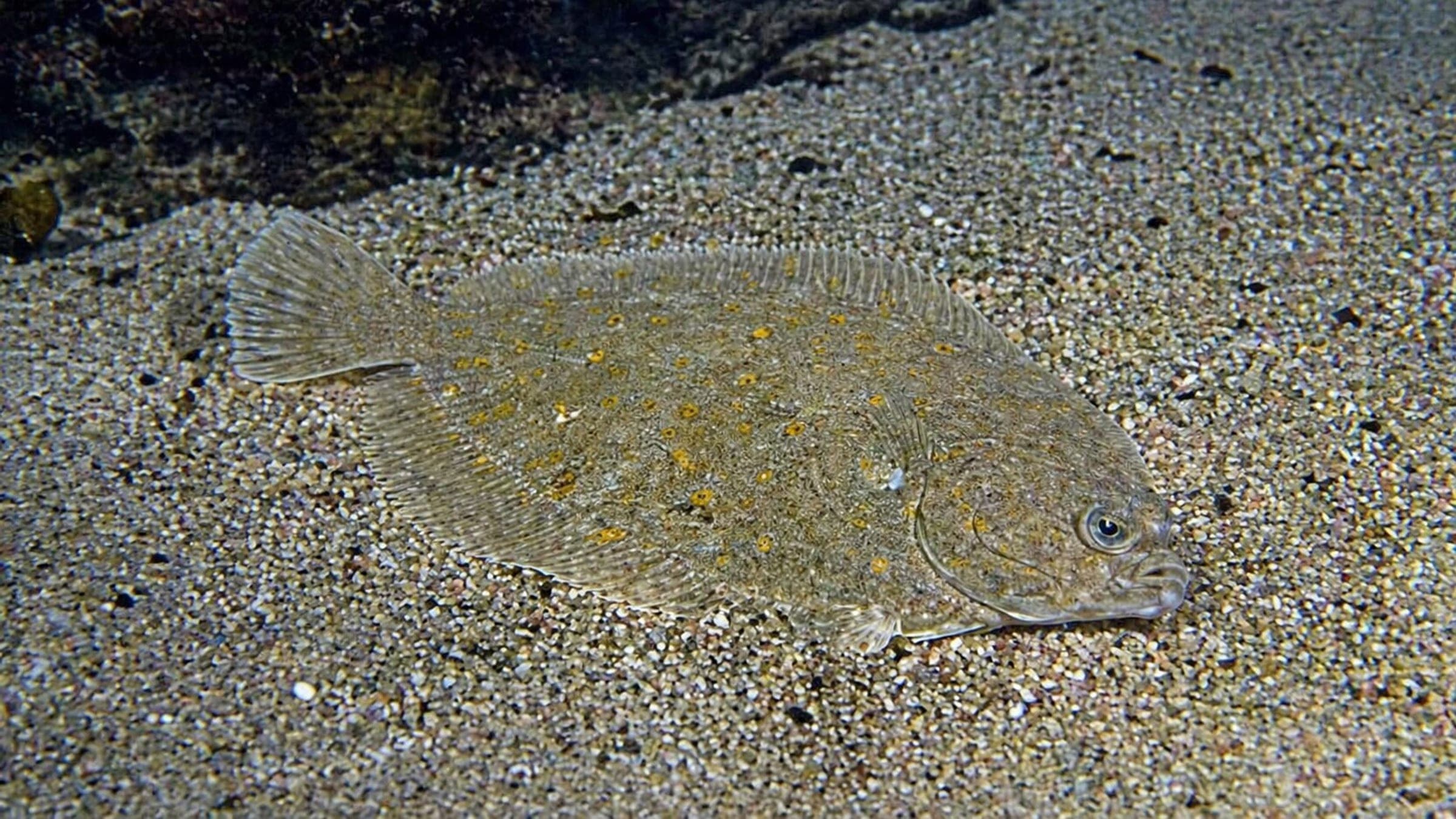
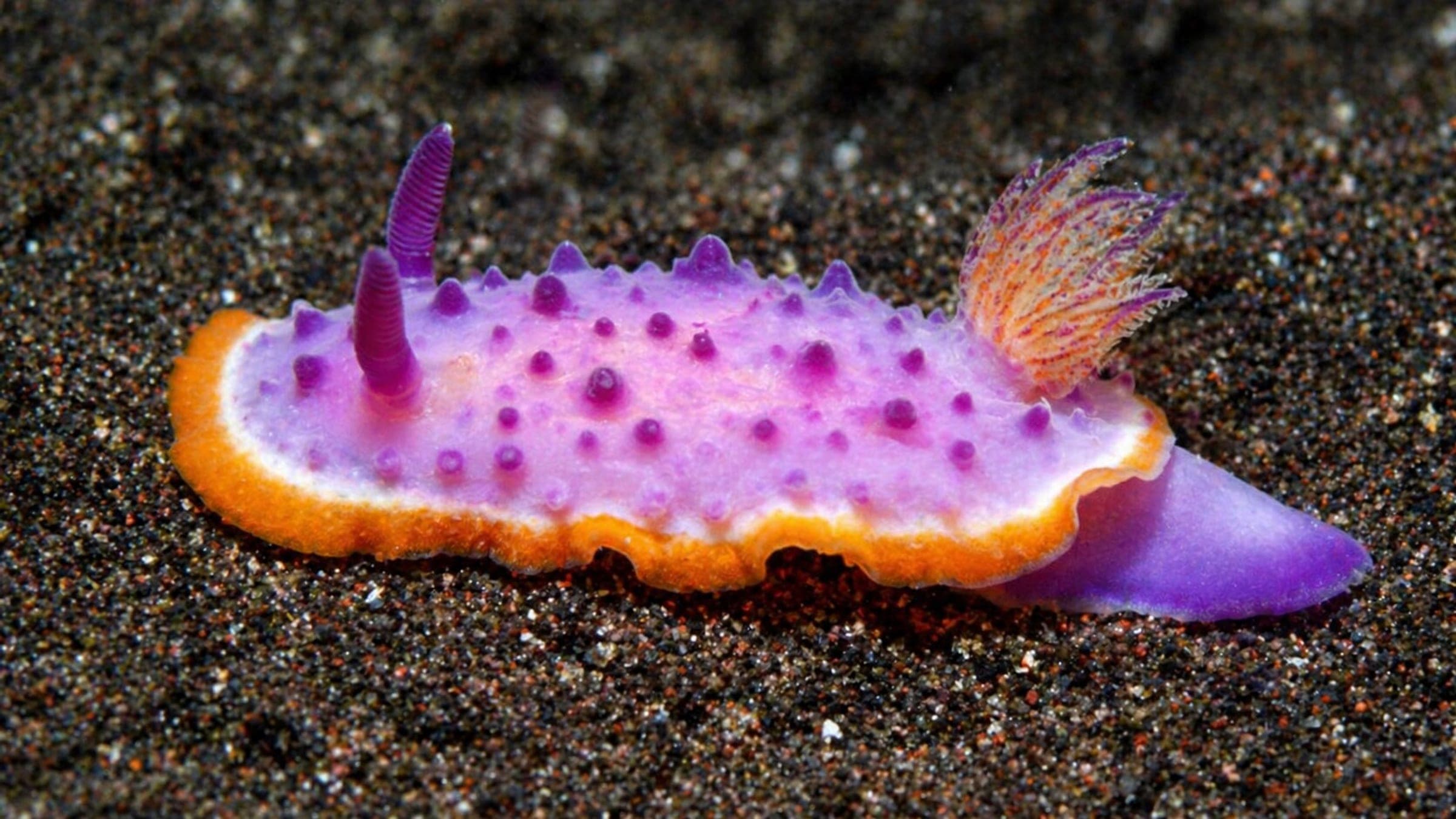
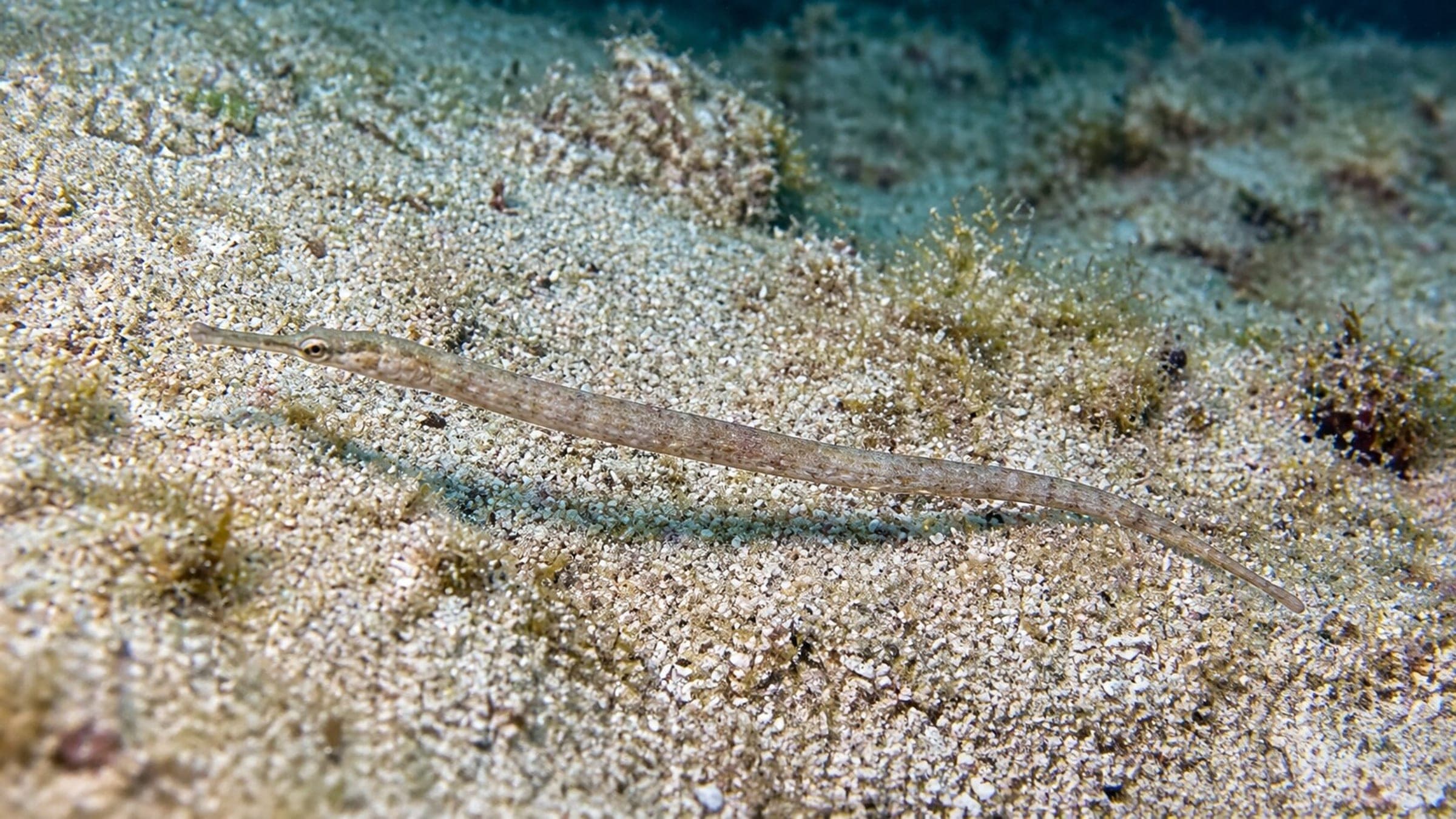
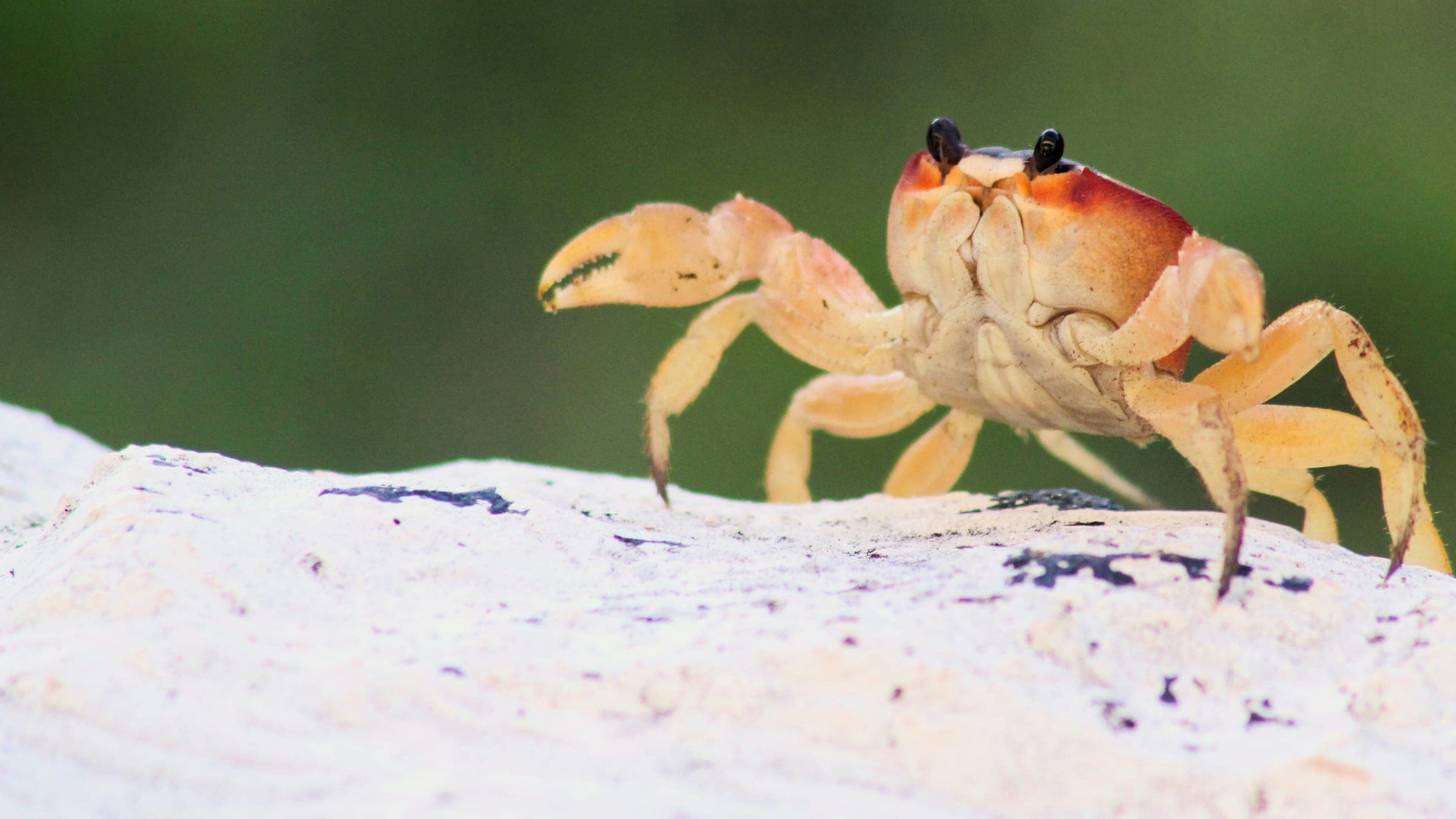
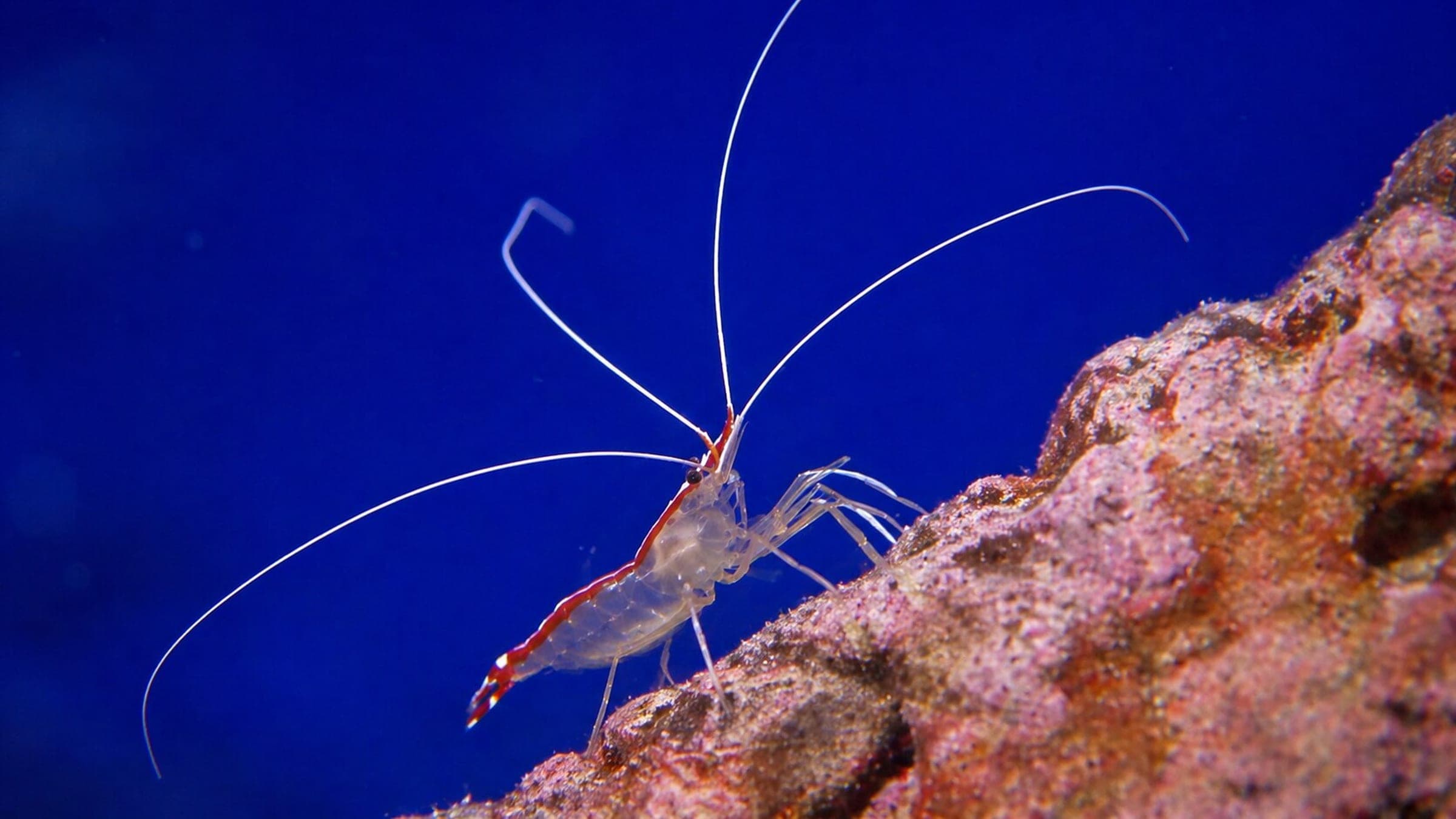
Cuttlefish, seahorses, nudibranchs, lobsters, crabs, shrimp, pipefish, anemones, and small fish reward slow observation and close-focus photography.
Quick shortlist before you jump into the full planning page.
Top species linked to approved dive spots in Zeeland (Oosterschelde and Grevelingenmeer).
Share what the whole destination was like. Once enough independent reviews are approved, DiveJourney publishes anonymous patterns, not reviewer profiles.
Road access, local fills, rental cylinders, instructors, platforms, stairs, pontoons, and mapped sites support independent buddy teams.
Grevelingenmeer and sheltered tributary sites support training, while classic Oosterschelde currents, walls, and deeper wrecks create a genuine advanced progression.
Best time to go
May to October
Warmer water, long daylight, active marine life, and the best mixedactivity flexibility.
Main caution: Currents remain the main skill and comfort constraint year-round.
39 linked spots