marineparksofmalaysia.com · Marine Park Info
Marine park rule baseline covering fees and protected-area restrictions.
Shallow Perhentian reef with staghorn coral and juvenile blacktip sharks.
Shallow Perhentian reef with staghorn coral and juvenile blacktip sharks.
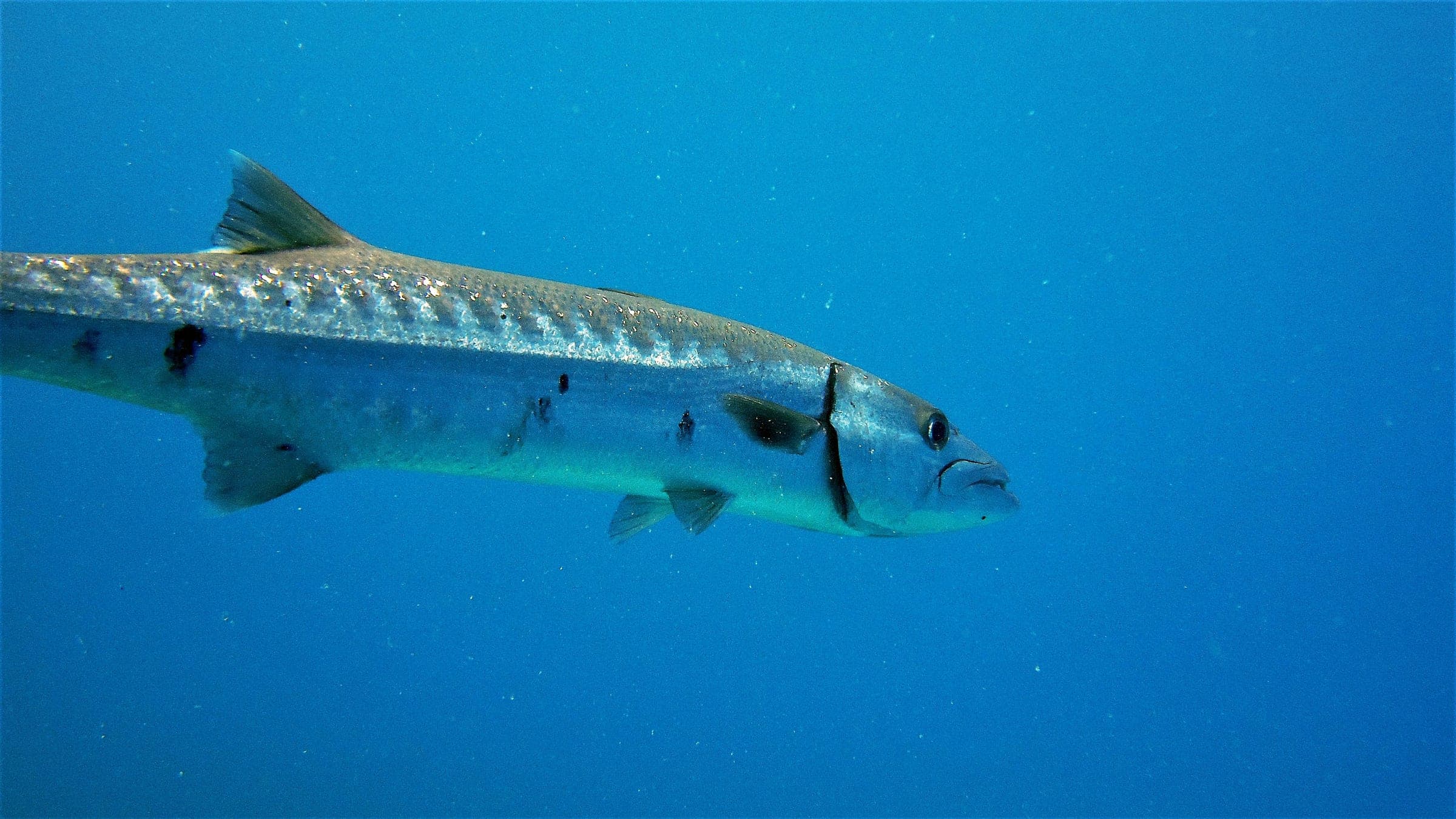
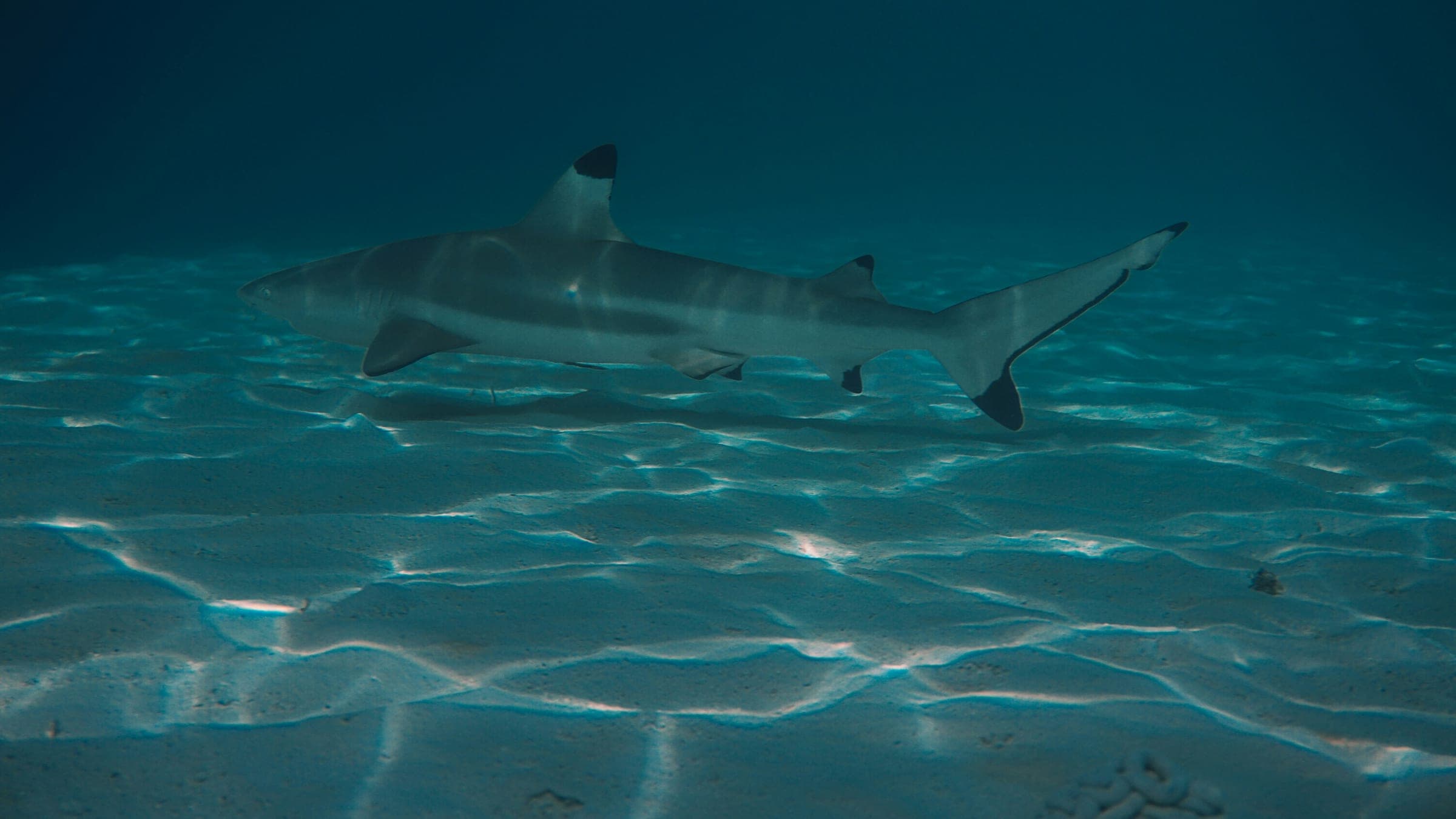
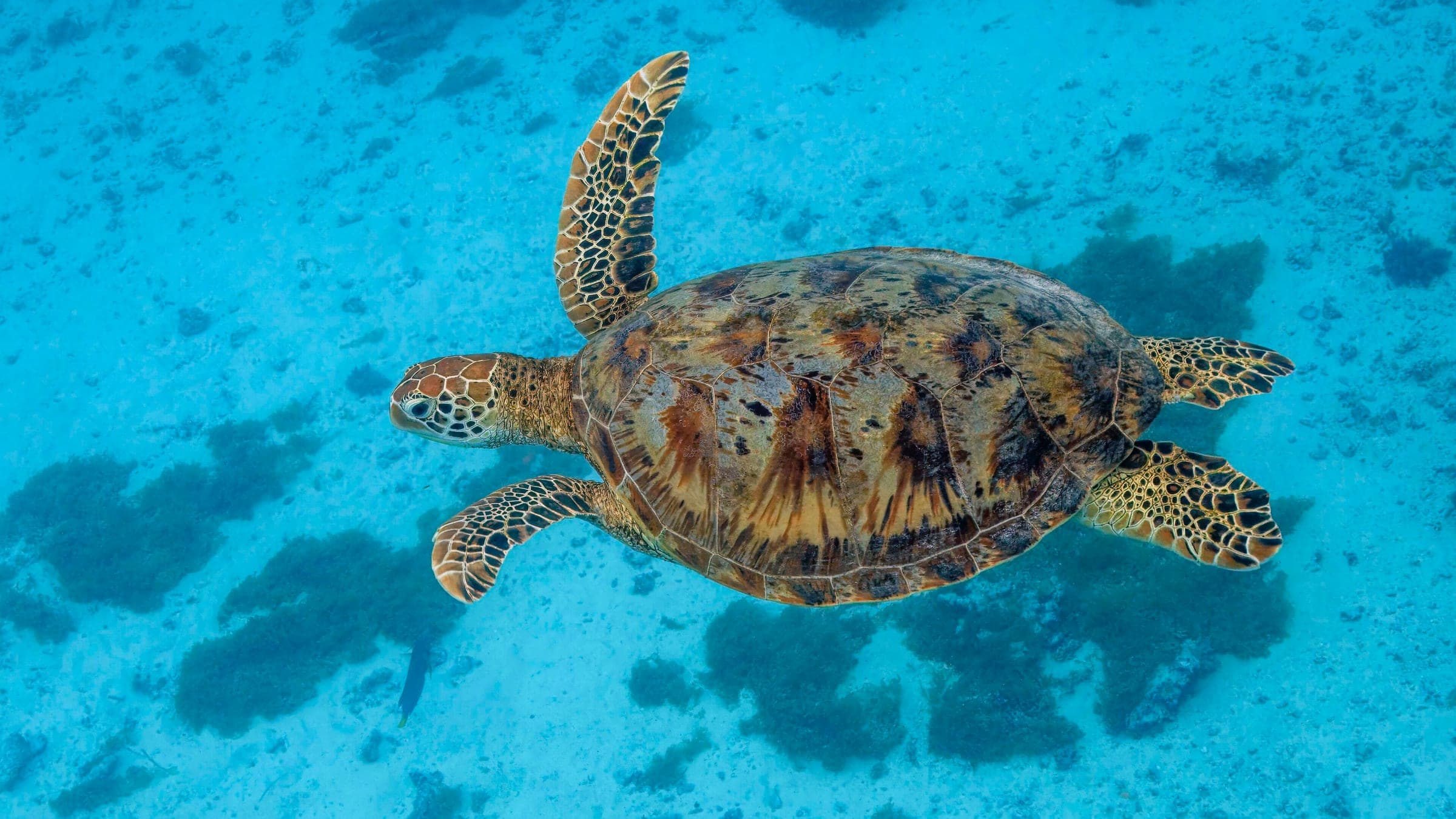
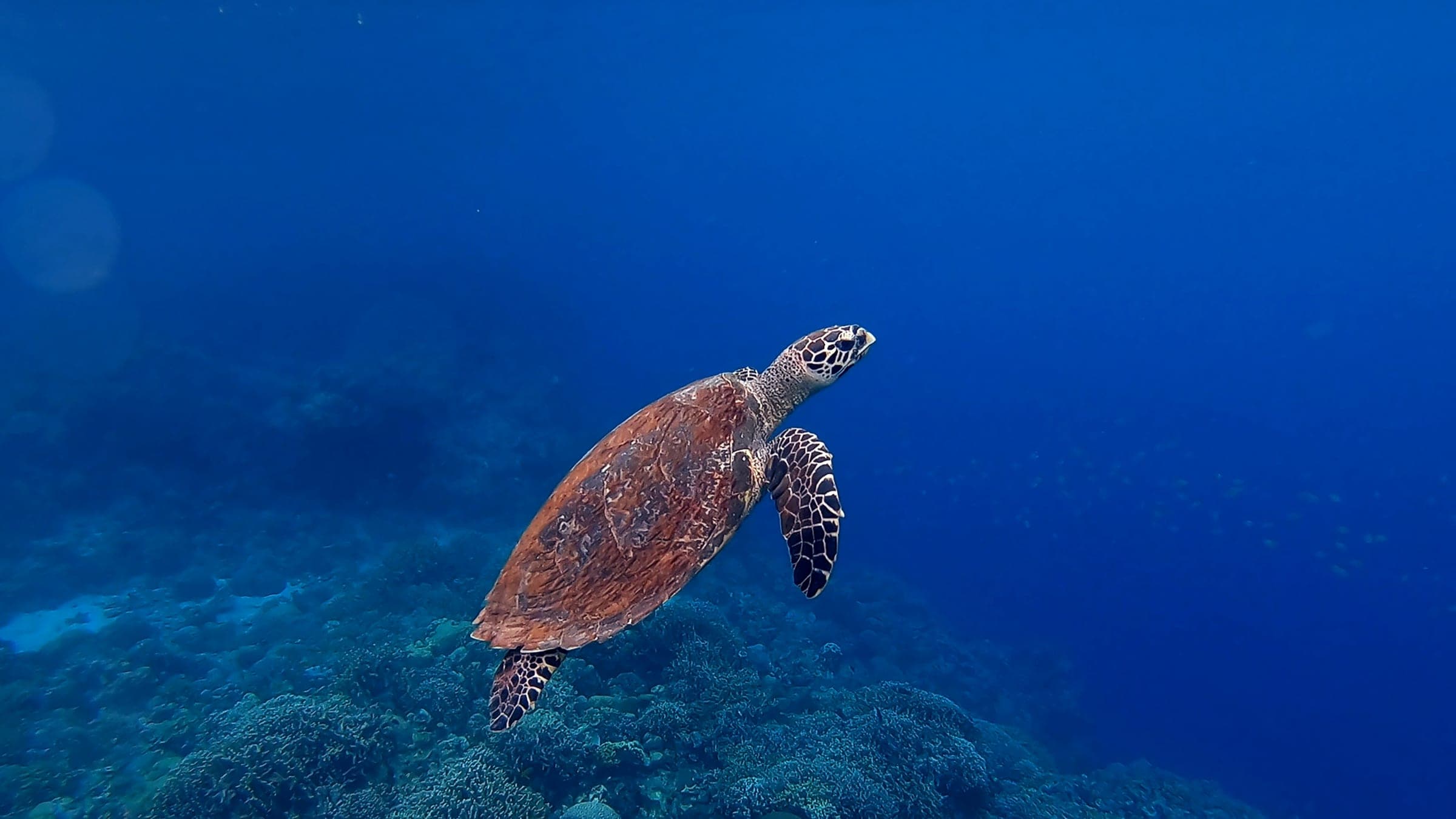
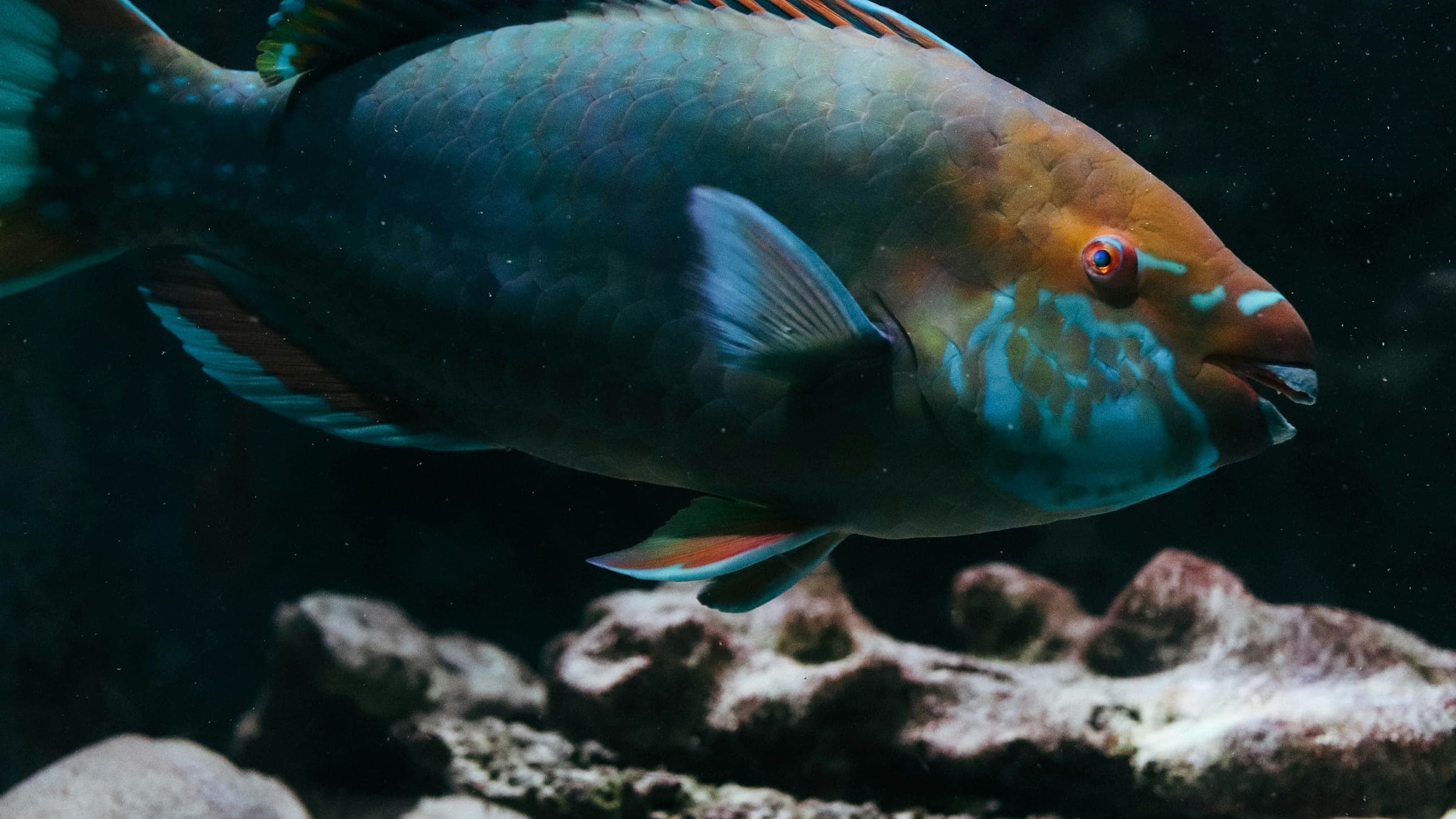
Baby Shark Point is a shallow Perhentian reef site where a sandy approach transitions into broad staghorn coral and patch reef close to shore. It is popular for easy snorkeling and beginner-friendly scuba, with juvenile blacktip reef sharks, barracuda, turtles, and common reef fish using the nursery habitat.
Conservative baseline from public research. No community dives logged yet.
Depth range, seasonality, and planning context.
Reported Depth
3m - 12m
Depth Note
Public site descriptions consistently place the sandy approach around 3 m before the reef, with most profiles staying shallow and reaching about 12 m at the deeper edge.
Best Season
Baby Shark Point is usually best from March to October, with the clearest and most reliable conditions often reported from mid-year into early September. Northeast monsoon months can disrupt access and many island operations scale back or close.
Typical Conditions
Expect a shallow sandy-to-reef layout with staghorn coral, patch reef, and visibility that often sits around the high single digits rather than full blue-water clarity. Ordinary conditions are usually easy, but the exposed south-coast position can pick up surface chop and light surge.
Site conditions, restrictions, and access requirements.
Site Conditions
Safety Notes
Keep clear of the boat passage and expect the shallow outer reef to feel less comfortable when surface chop builds. Juvenile blacktip reef sharks are a key attraction here, so maintain distance and avoid crowding or chasing them.
Access Restrictions
Access is weather dependent and operators may skip the site in rougher south-coast sea state. Snorkelers should stay out of the boat passage area used by island transfer and tour traffic.
Legal Notes
Baby Shark Point sits in marine park waters where conservation fees apply and fishing, coral damage, collecting marine life, and anchoring on reef are restricted.
Community notes to help plan your visit.
Scuba Diving
Baby Shark Point suits relaxed beginner dives and short shallow reef explorations, with plenty of time in easy water over sand, coral, and fish habitat rather than a deep technical profile.
Snorkeling
Baby Shark Point is one of the Perhentian south-coast snorkel stops, with shallow coral and shark nursery sightings possible in calm conditions. Stronger swimmers can approach from Flora Bay, but many visitors arrive by boat.
Species commonly reported at this site, with direct links into their wildlife guides.
Community dive logs and visit reports for this site.
Average conditions based on logged dives & visits.
Planning answers for access, conditions, timing, and site logistics.
Last Updated
Research Sources
Marine park rule baseline covering fees and protected-area restrictions.
Seasonality baseline showing March to October as the practical visit window, with strongest months mid-year.
Shark nursery framing, staghorn coral, common reef fish, turtle mentions, and typical 7-10 m visibility.
Flora Bay access context, boat passage caution, swim-out route, and exposed shallow sections.
Know this site? Improve Spot Details.

Photo-friendly wreck dive on Redang with coral growth.
Marine Park Jetty is Redang's current-sensitive marine park dive.
Easy cat-rock reef dive with sponges and sea whips.
Boat-access coral slope with an exposed rocky corner.
Advanced ship-rock and canyon dive with pelagic potential.
Boulder-and-swim-through reef dive on the Perhentian east side.