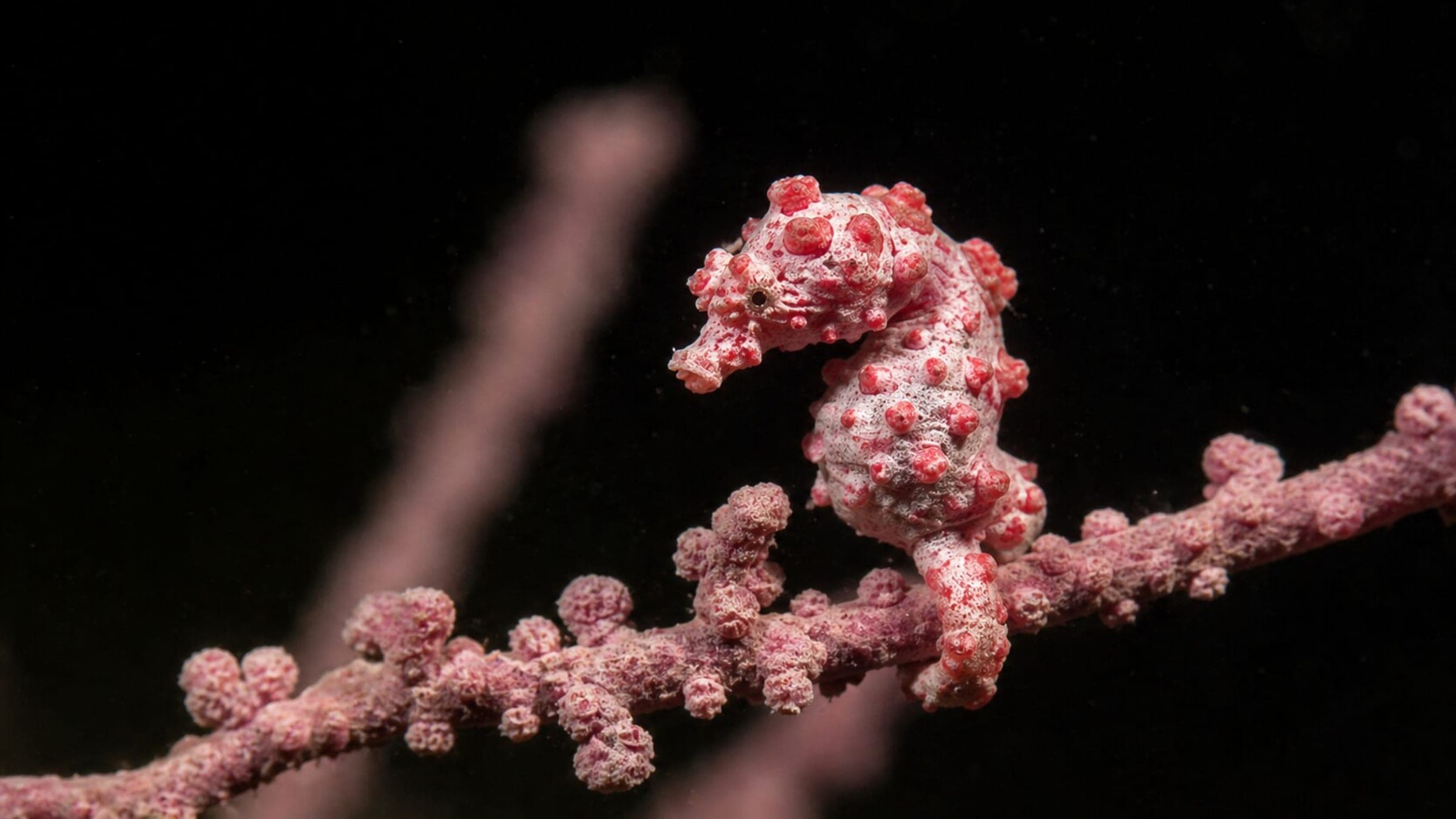
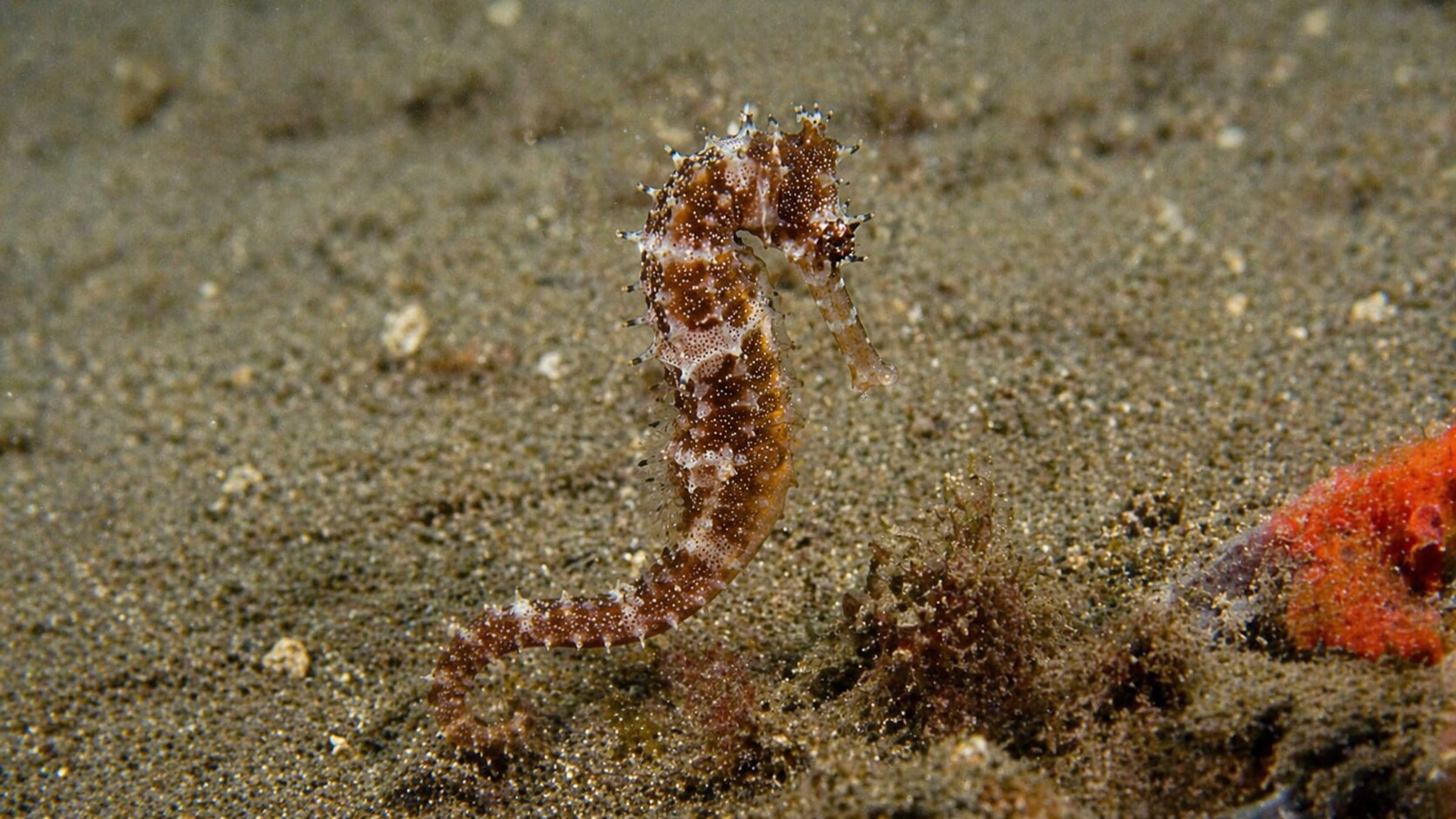
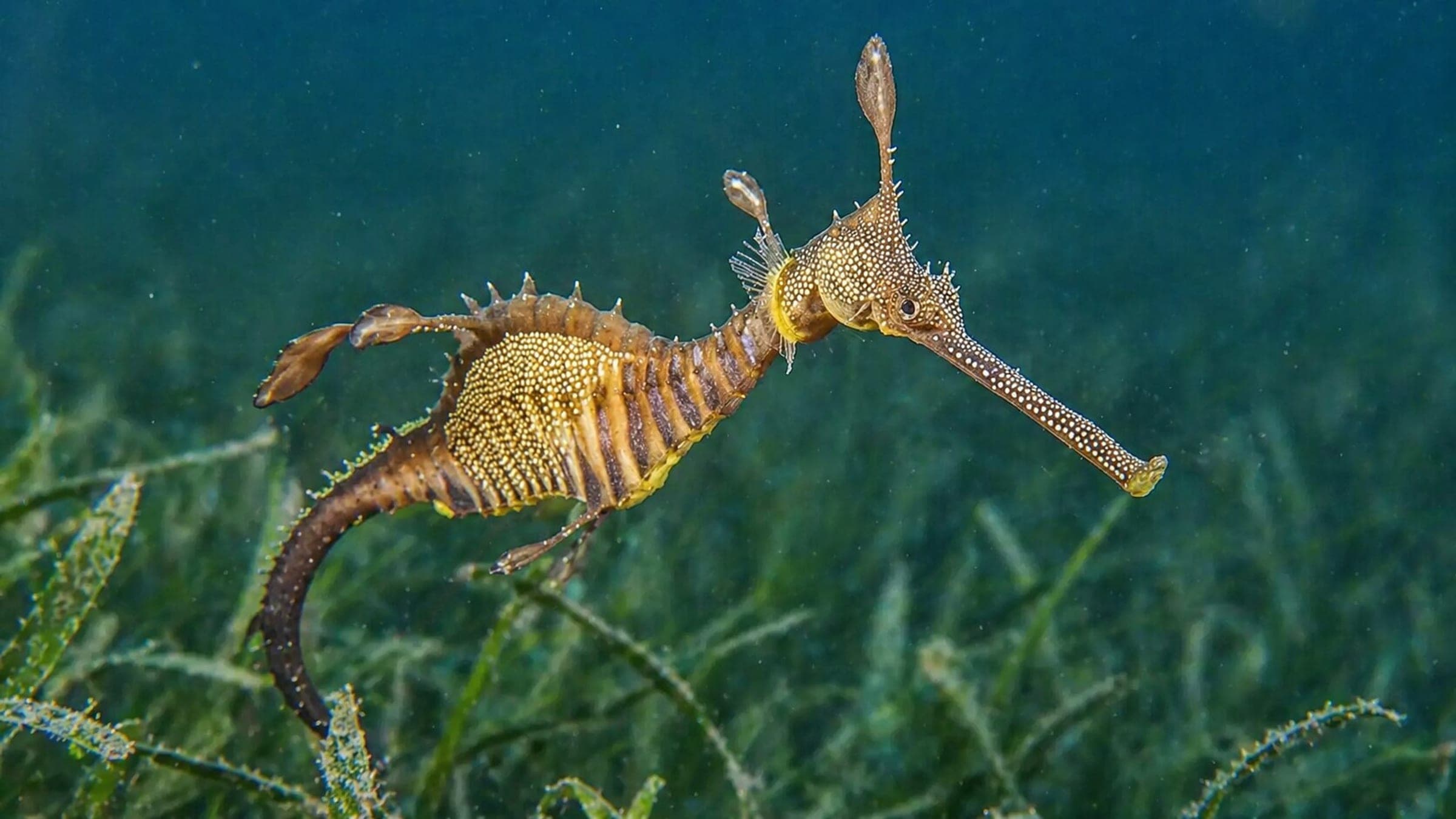
Leaf-like protrusions
Long leaf-like appendages all over the body that provide camouflage but are not used for propulsion.
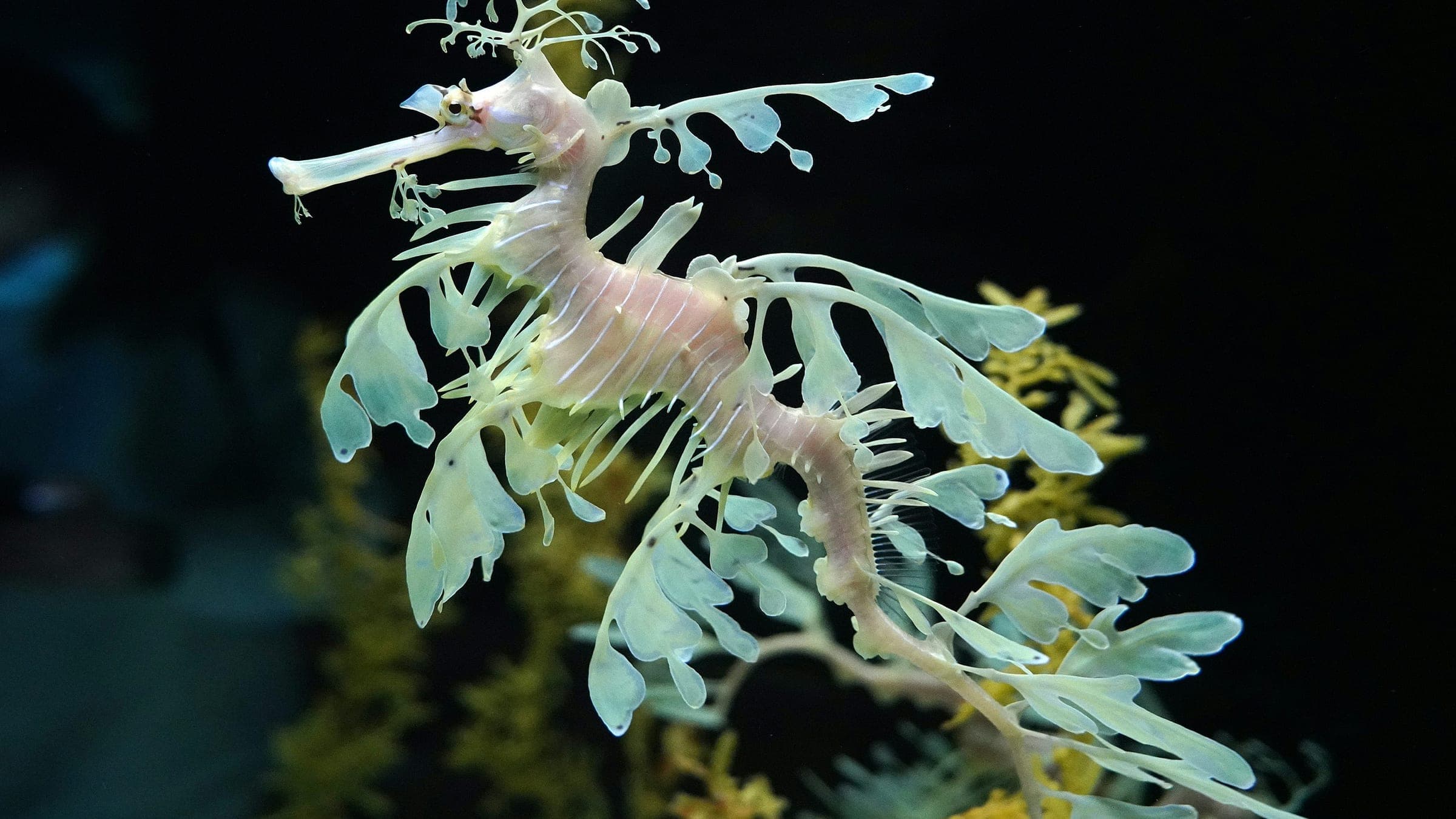
Phycodurus eques
A marine fish with leaf-like protrusions for camouflage found along southern and western Australia.
Species Guide
A clean field guide focused on habitat, identification, behavior, and conservation context without burying the useful parts.
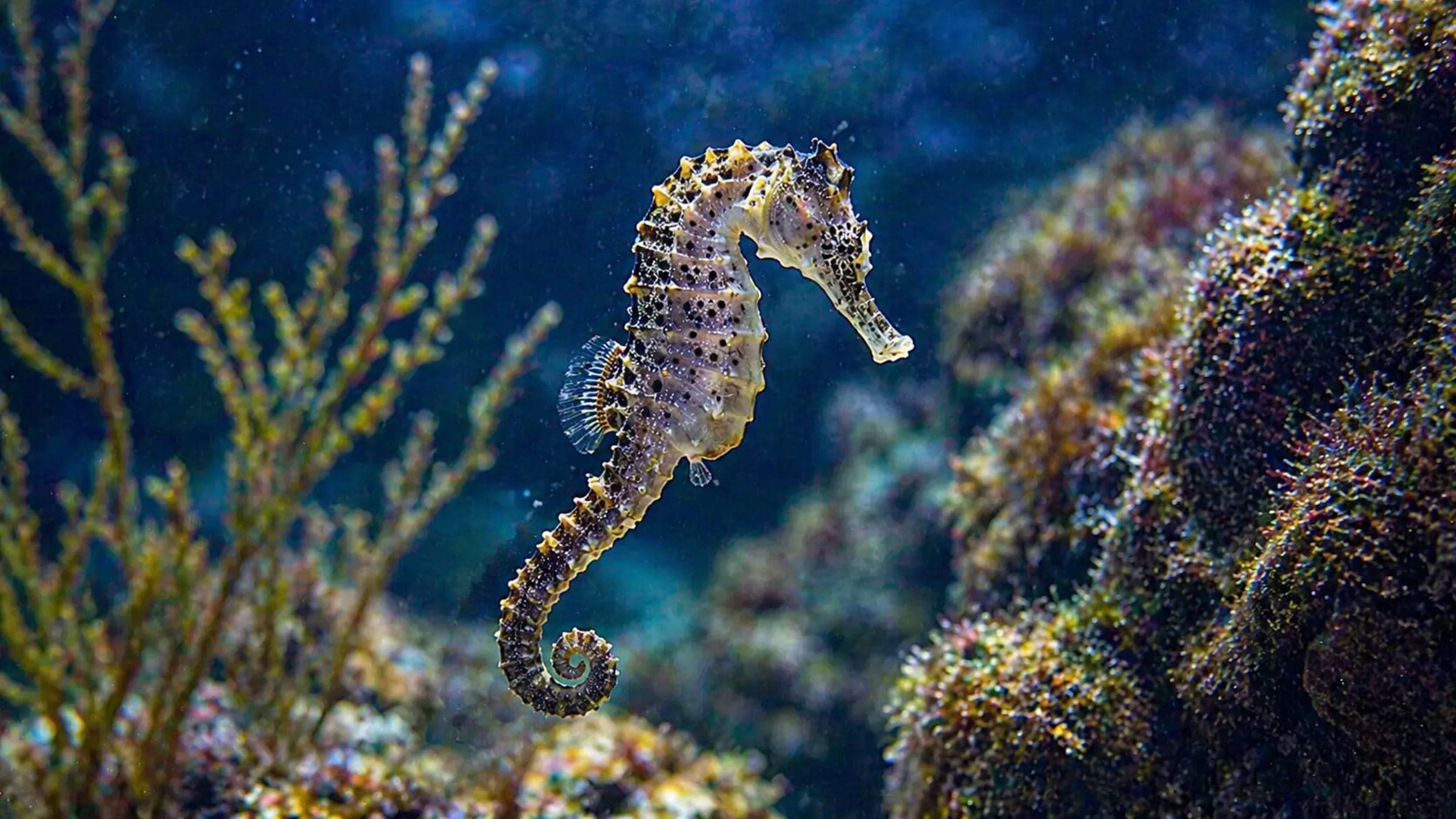
The leafy seadragon (Phycodurus eques) is a marine fish in the family Syngnathidae and the only member of the genus Phycodurus. It occurs along the southern and western coasts of Australia. Its name comes from long leaf-like protrusions across the body that serve as camouflage rather than for propulsion. Propulsion is provided by a pair of pectoral fins on the sides of the neck and a dorsal fin nearer the tail; these small, almost transparent fins undulate subtly and move the animal slowly, enhancing the illusion of floating seaweed. The species is popularly called "leafies" and is the marine emblem of the state of South Australia.
A focus for local marine conservation in South Australia.
Moves sedately through the water using minute undulations of pectoral fins on the neck and a dorsal fin near the tail, creating the illusion of floating seaweed.
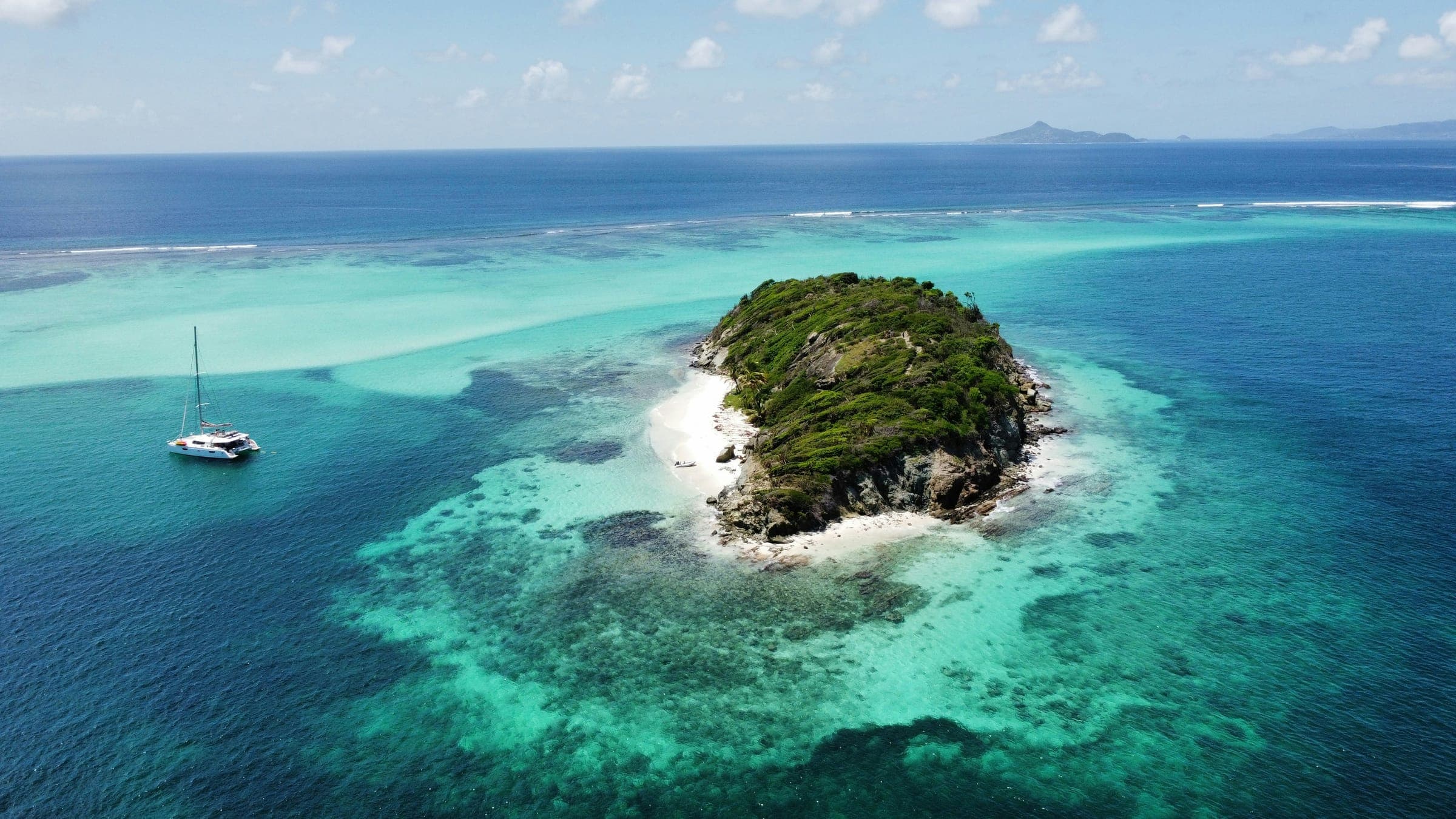
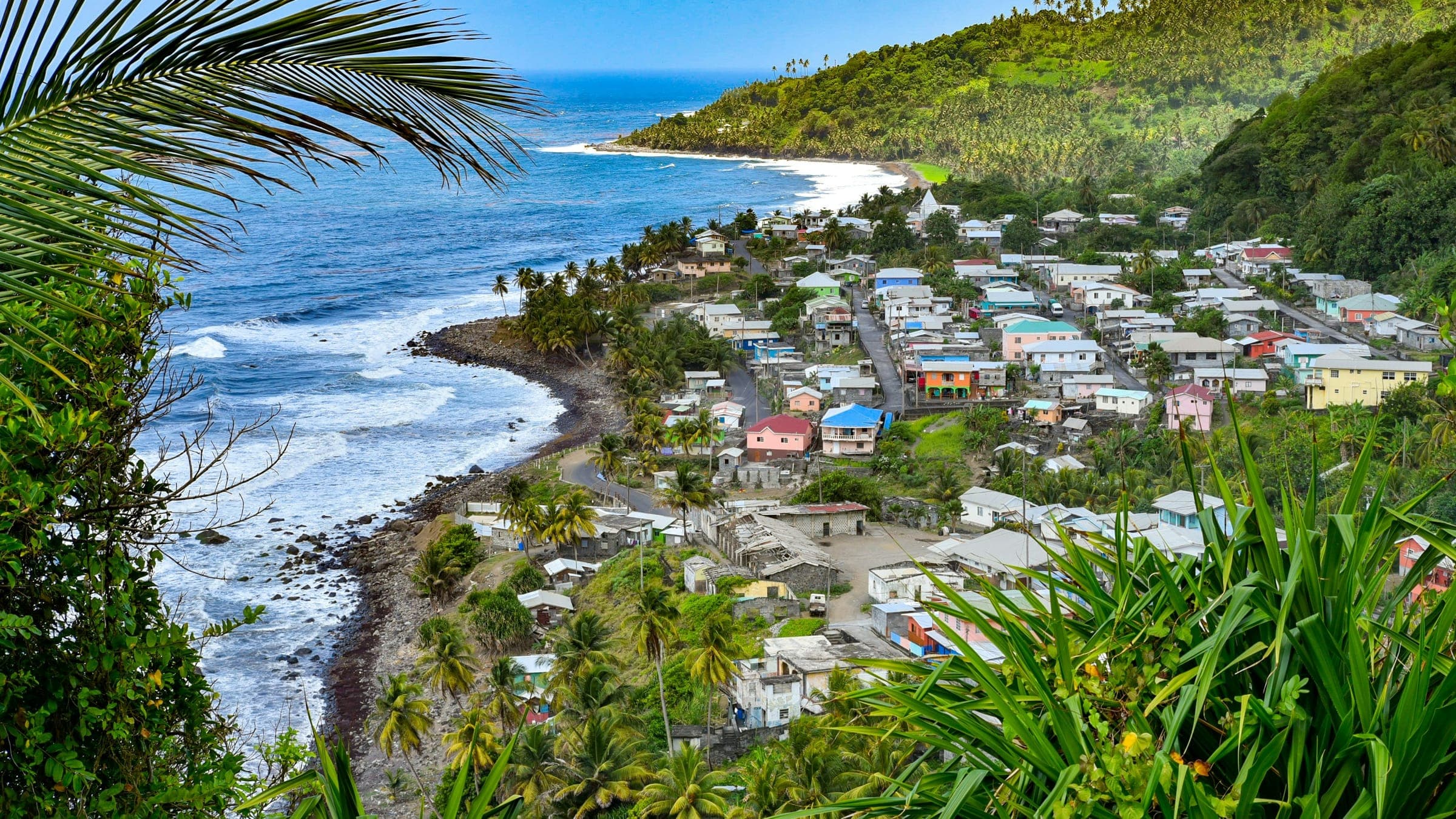
The strongest linked planning options currently surface around destinations such as Bequia, Komodo and countries such as Australia, Indonesia, Saint Vincent and the Grenadines for divers building trips around leafy seadragons.
Identification
The visual markers divers can use underwater, plus the species most likely to cause confusion.
Long leaf-like appendages all over the body that provide camouflage but are not used for propulsion.
Last Updated Mar 9, 2026 · 2 sources
A pair of pectoral fins on the neck and a dorsal fin nearer the tail are almost completely transparent and undulate subtly.
Member of the family Syngnathidae and the only species in the genus Phycodurus.
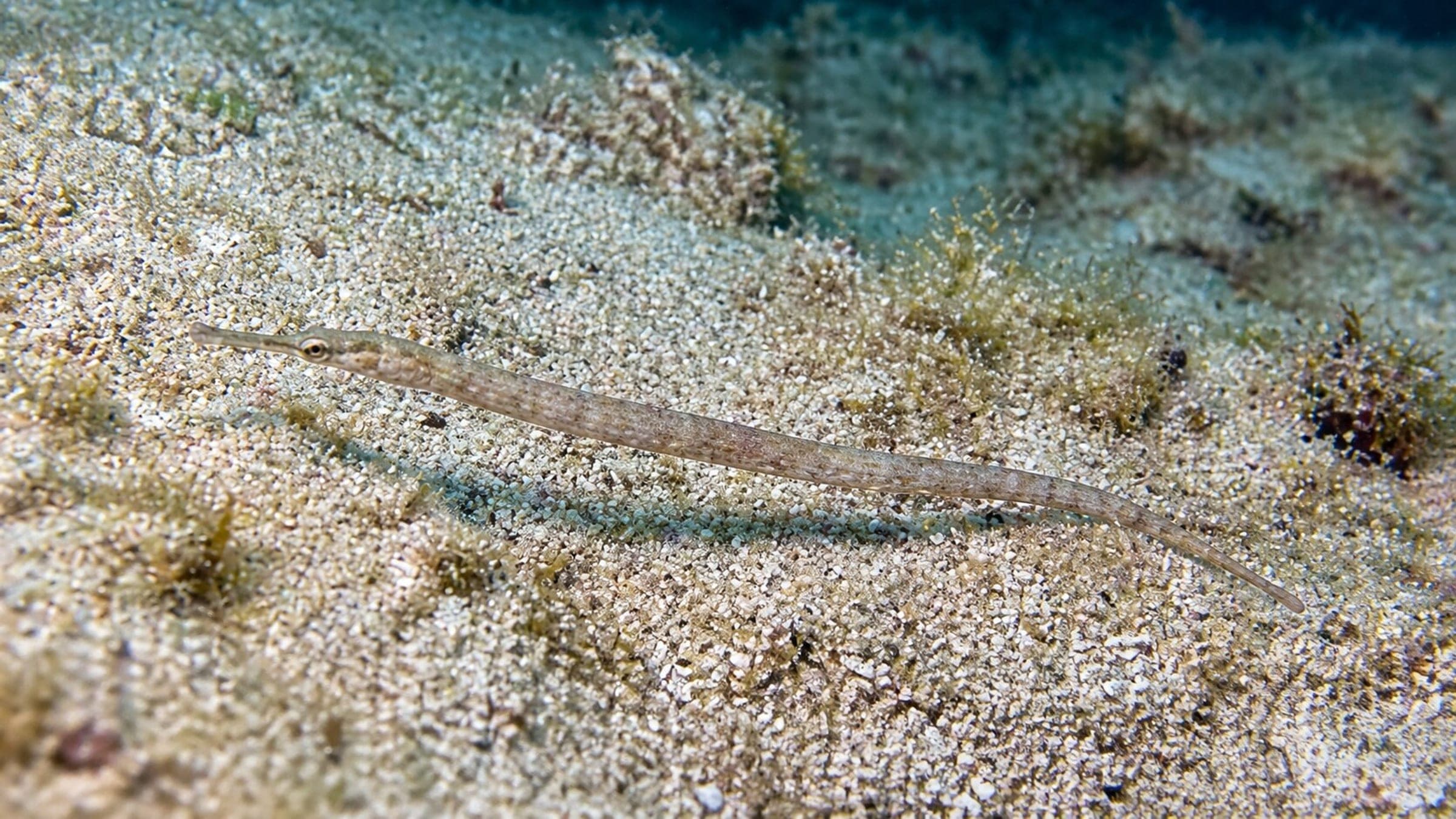
Related groups include seadragons, pipefish, and seahorses, but leafy seadragons are the sole species in genus Phycodurus.
Range and Movement
The broad range, seasonal movement, or migratory behavior that shapes where divers encounter this species.
Moves sedately through the water using minute undulations of pectoral fins on the neck and a dorsal fin near the tail, creating the illusion of floating seaweed.
Conservation
Status, pressure, and protection context grounded in cited sources rather than filler.
A focus for local marine conservation in South Australia.
The leafy seadragon is the marine emblem of South Australia.
Responsible Encounters
Conservation-minded guidance for divers who want the encounter without adding pressure.
Give leafy seadragon space, avoid blocking the animal's path, and follow local site and operator rules for wildlife interactions with seahorses and pipefishes.
Field Notes
Useful species context that makes the encounter more meaningful once you are underwater.
The leafy seadragon is the only species within the genus Phycodurus.
Its leaf-like protrusions create an appearance resembling floating seaweed.
Top Destinations
Destinations surfaced from the linked dive spots associated with this species.
Top Countries
The strongest country-level starting points currently linked to this species.
Top Dive Spots
Directly linked dive spots where this species already shows up in the planning data.
Coral Nursery is a boat-access restoration dive.
Shallow jetty dive with major macro life.
Steep shore-wall dive on Lake Lucerne.
Police Corner is a central Komodo overhang dive for experienced divers.
FAQ
Clear planning and conservation answers written for search visibility and AI retrieval.
Research Sources
Primary and credible references behind the field-guide and conservation claims on this page.
Primary wildlife guide source.
Taxonomy reference.
Related Species
Related species guides in the same encounter family.