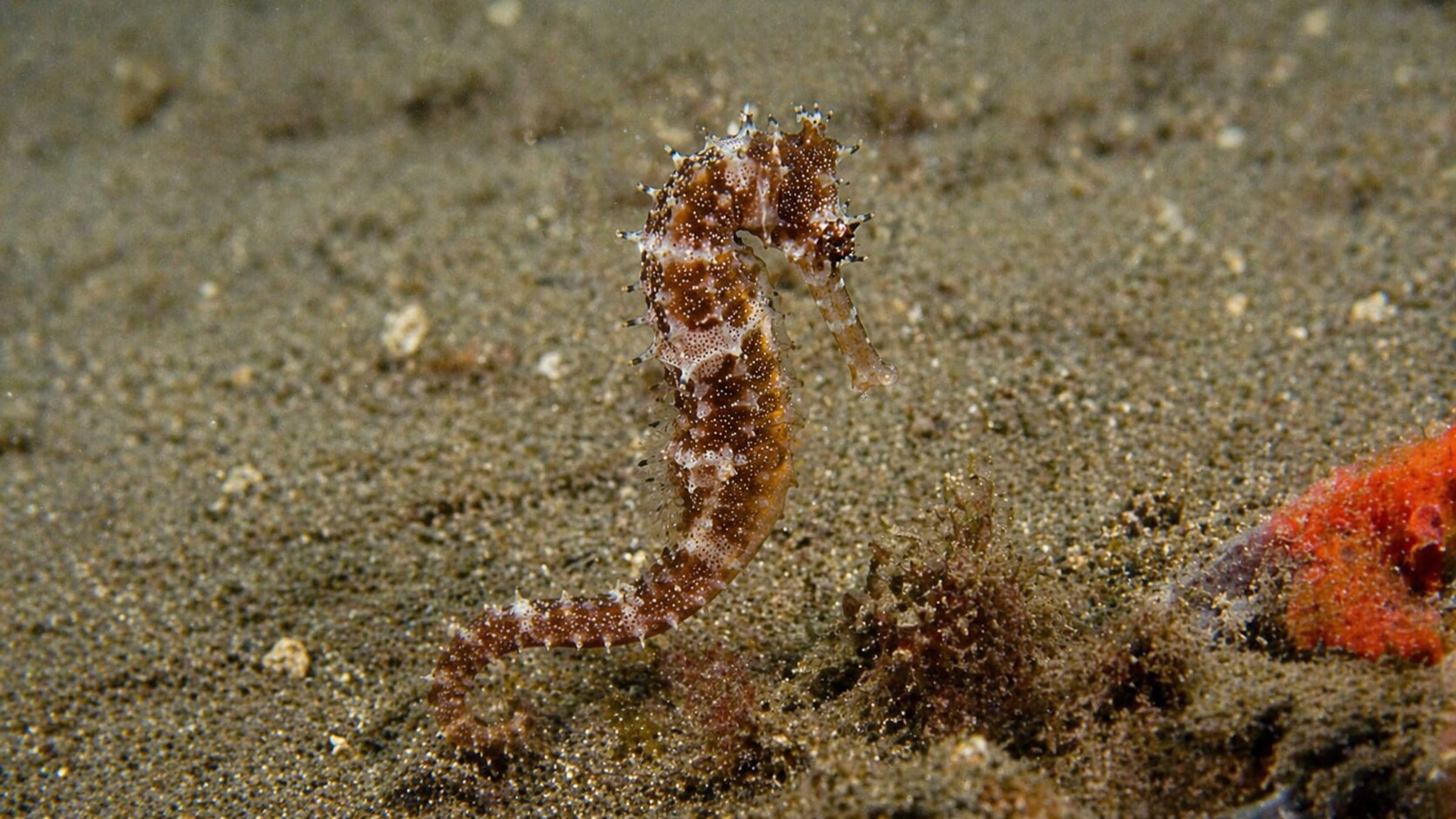
Coloration
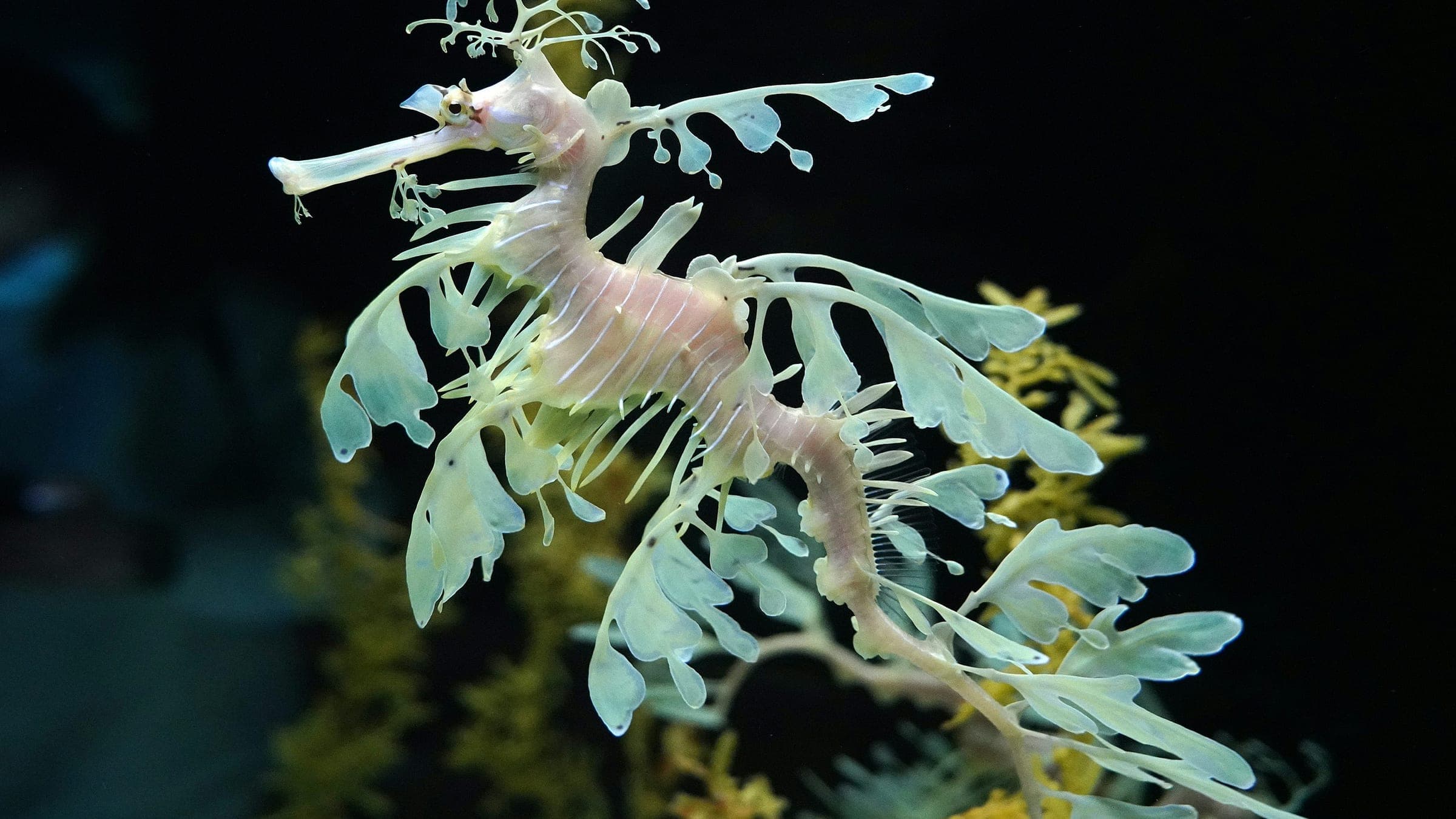
Adults are reddish with yellow and purple striped markings.
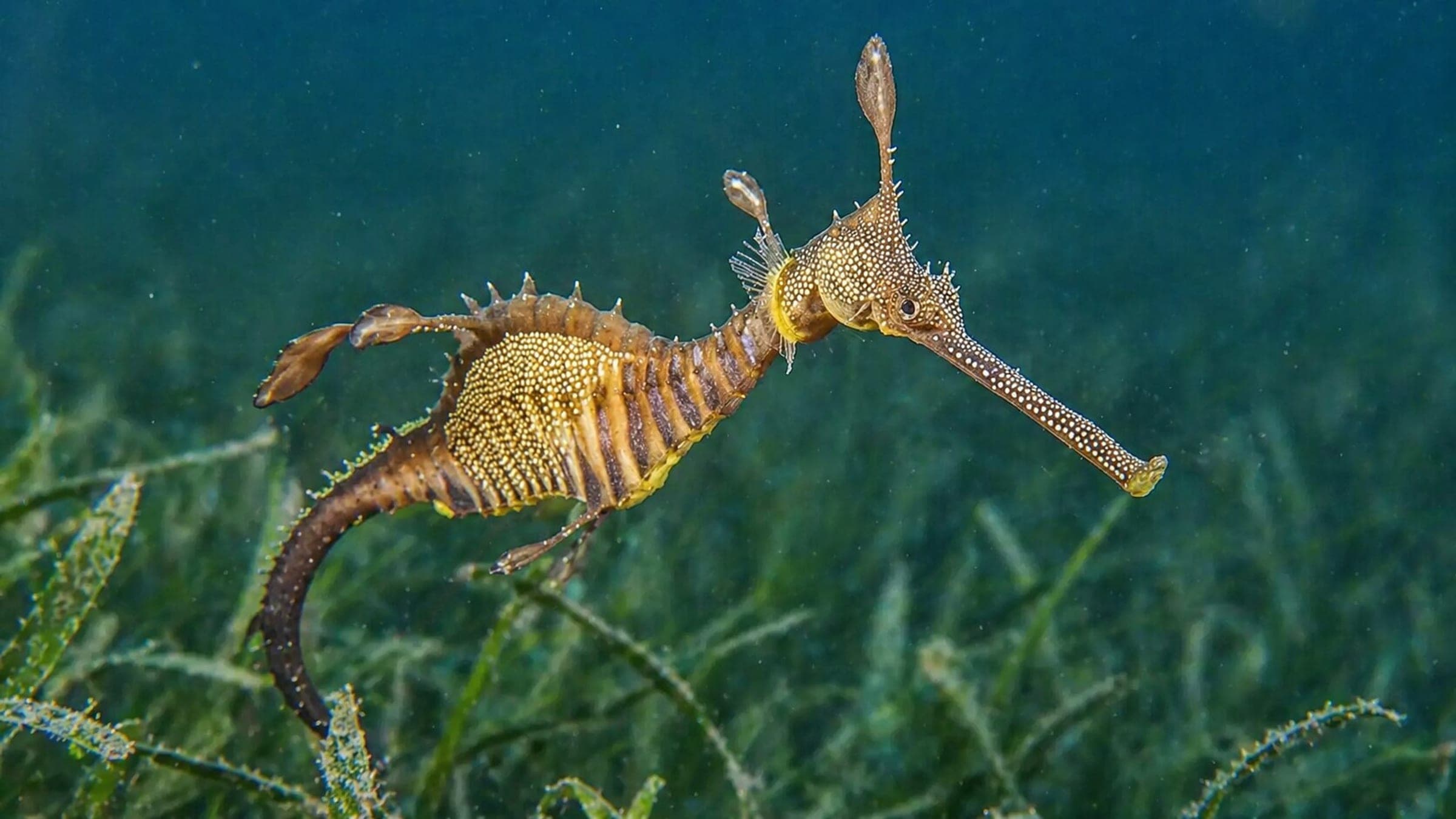
Phyllopteryx taeniolatus
Weedy seadragon (Phyllopteryx taeniolatus) is a reddish, leaf-appendaged marine fish that camouflages among kelp and feeds on small invertebrates using a tubular snout.
Last Updated Mar 9, 2026 · 3 sources
Species Guide
A clean field guide focused on habitat, identification, behavior, and conservation context without burying the useful parts.
The common or weedy seadragon (Phyllopteryx taeniolatus) is a marine fish in the order Syngnathiformes, which also includes pipefishes, seahorses, and trumpetfishes. Adults are reddish with yellow and purple striped markings and possess small, leaf-like appendages that resemble kelp or seaweed fronds, providing camouflage. They have a number of short spines for protection. Like other syngnathids, seadragons have a tubular snout and a fused, toothless jaw used to capture small invertebrate prey rapidly. Males tend to have narrower bodies and darker coloration than females. Seadragons have a long dorsal fin along the back and small pectoral fins on either side of the neck that provide balance. Weedy seadragons can reach about 45 cm (18 in) in length.
Key protections referenced for this species include State emblem.
A long dorsal fin and small pectoral fins provide balance and control while swimming.
The strongest linked planning options currently surface around destinations such as Sydney, Bayahibe and Dominicus, Maui and countries such as Australia, Dominican Republic, United States of America for divers building trips around weedy seadragons.
Identification
The visual markers divers can use underwater, plus the species most likely to cause confusion.
Adults are reddish with yellow and purple striped markings.
Small, leaf-like appendages resemble kelp or seaweed fronds and provide camouflage.
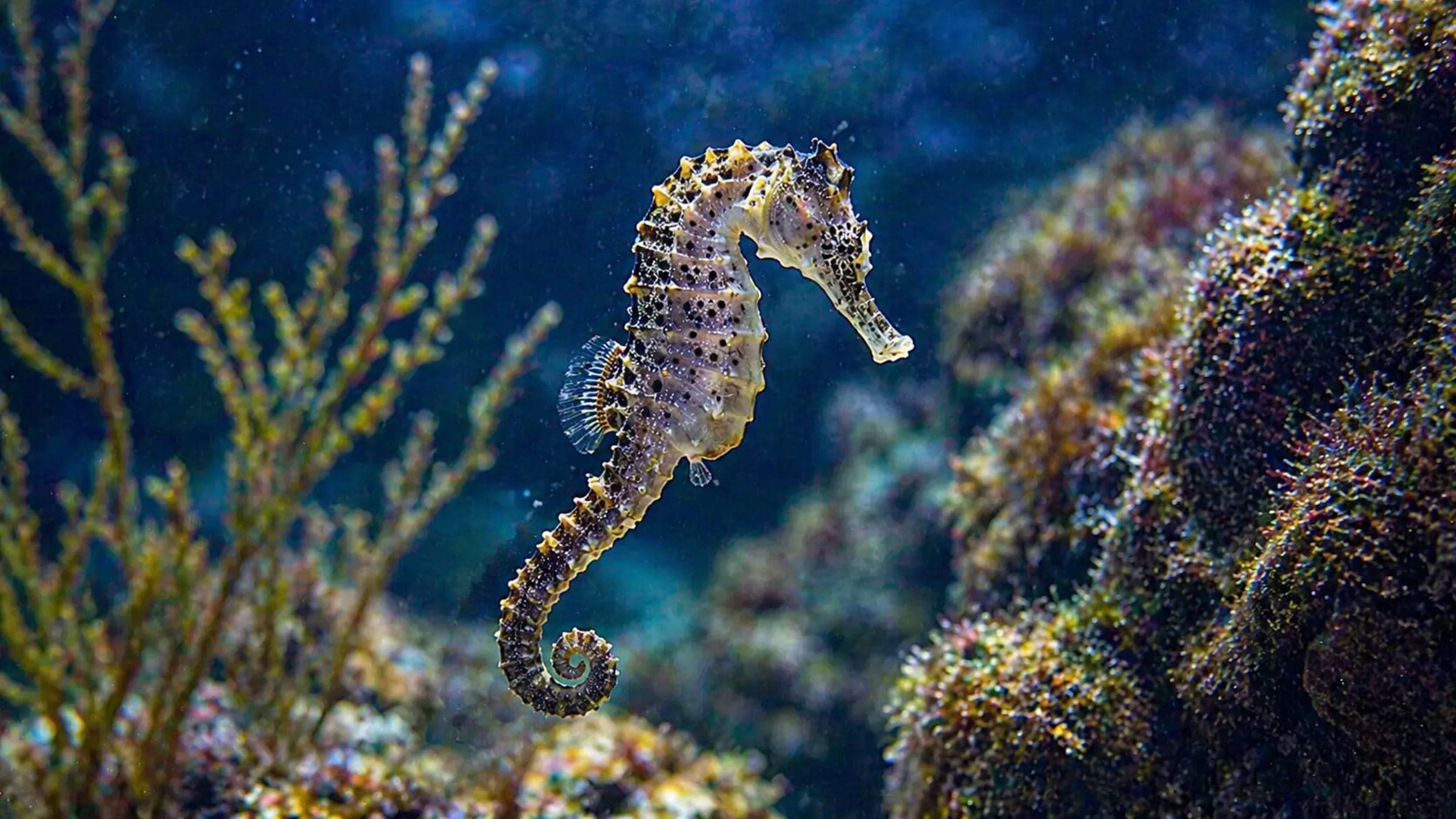
Tubular snout with a fused, toothless jaw used to capture small invertebrate prey.
Long dorsal fin along the back and small pectoral fins beside the neck for balance.
Can reach about 45 cm (18 in) in length.
A number of short spines present for protection.
Seadragons are in the same order (Syngnathiformes) and share features like a tubular snout.
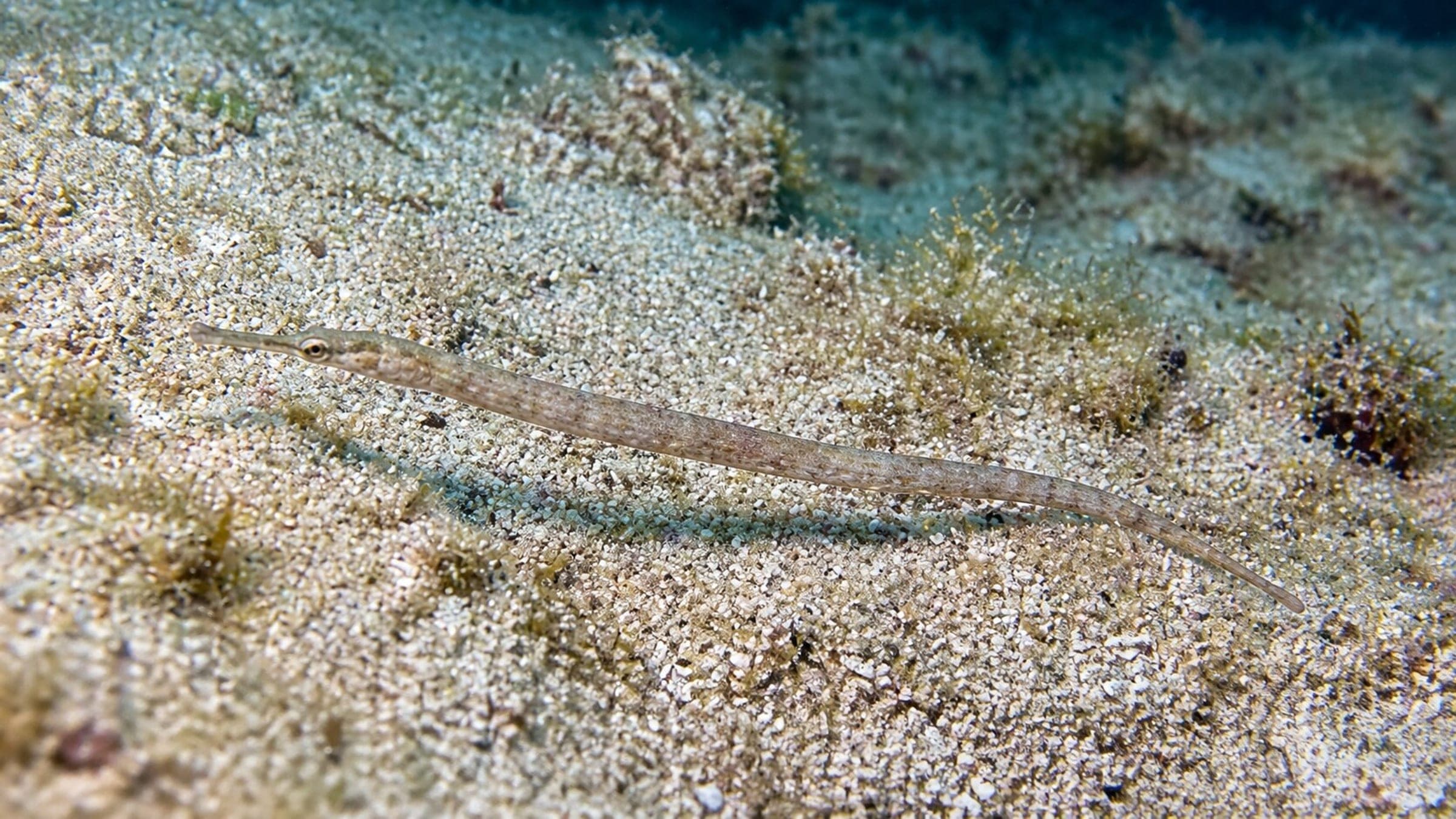
Pipefishes are also members of Syngnathiformes and are related to seadragons.
Range and Movement
The broad range, seasonal movement, or migratory behavior that shapes where divers encounter this species.
A long dorsal fin and small pectoral fins provide balance and control while swimming.
Diet
Useful feeding context that often explains habitat, movement, and encounter style.
Feeds on small invertebrate prey, captured rapidly using a tubular snout and fused, toothless jaw.
Conservation
Status, pressure, and protection context grounded in cited sources rather than filler.
Key protections referenced for this species include State emblem.
The common seadragon is the marine emblem of the Australian state of Victoria.
Responsible Encounters
Conservation-minded guidance for divers who want the encounter without adding pressure.
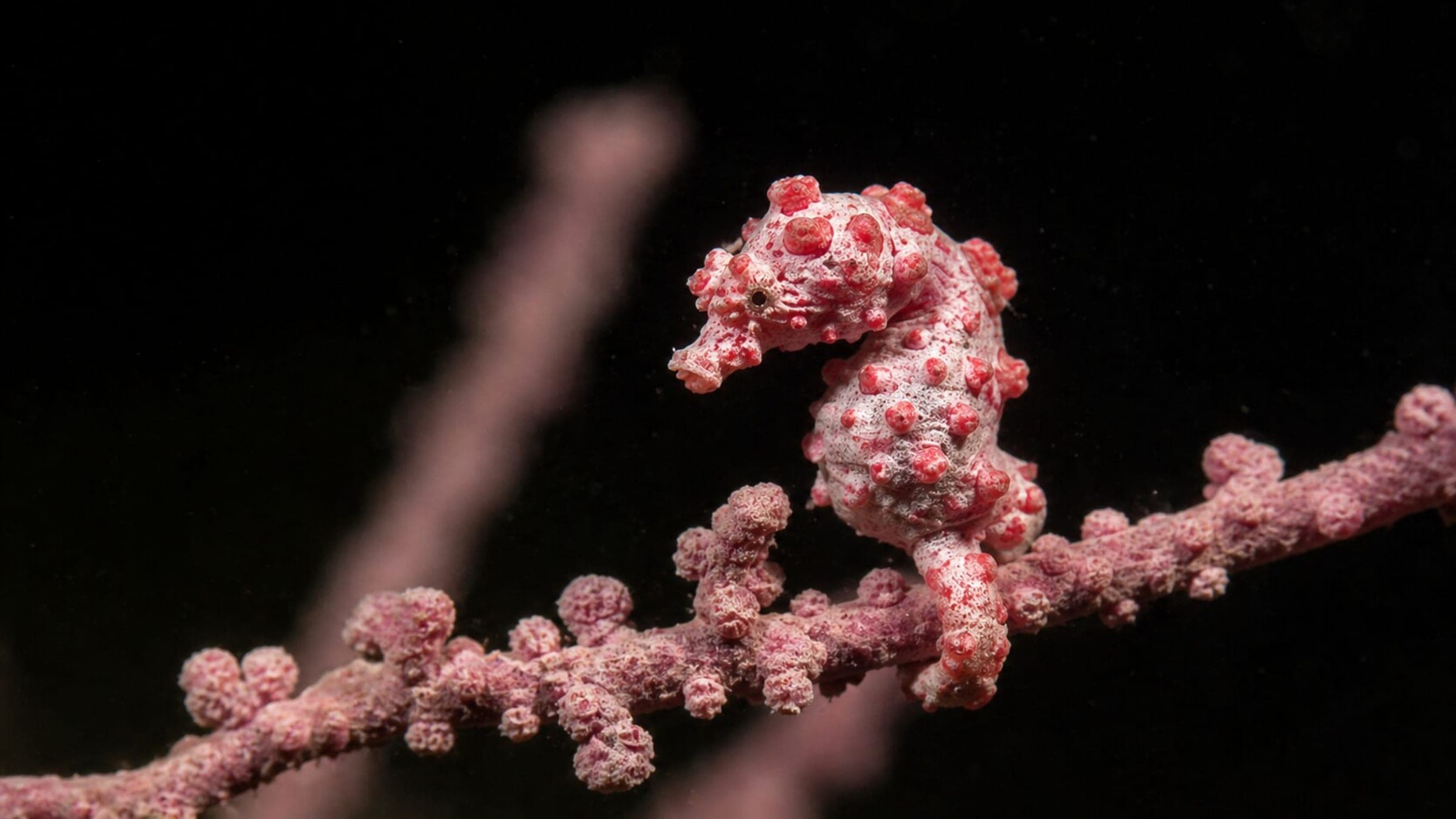
Give weedy seadragon space, avoid blocking the animal's path, and follow local site and operator rules for wildlife interactions with seahorses and pipefishes.
Field Notes
Useful species context that makes the encounter more meaningful once you are underwater.
The common seadragon is the marine emblem of Victoria, Australia.
Top Destinations
Destinations surfaced from the linked dive spots associated with this species.
Top Countries
The strongest country-level starting points currently linked to this species.
Top Dive Spots
Directly linked dive spots where this species already shows up in the planning data.

Portsea Hole: advanced boat dive on a steep bay wall
Shallow Bayahibe wreck with easy access and reef life.
Popular Sydney shore dive for macro life, seadragons, and temperate reef.
Boat-dived crack-through channel on Broughton Island with grey nurse sharks.
Queenscliff shore reef with ledges, swim-throughs, and sea dragons
Sydney boat reef known for weedy sea dragons and patient reef scanning.
FAQ
Clear planning and conservation answers written for search visibility and AI retrieval.
Research Sources
Primary and credible references behind the field-guide and conservation claims on this page.
Primary wildlife guide source.
Supporting wildlife source.
Taxonomy reference.
Related Species
Related species guides in the same encounter family.