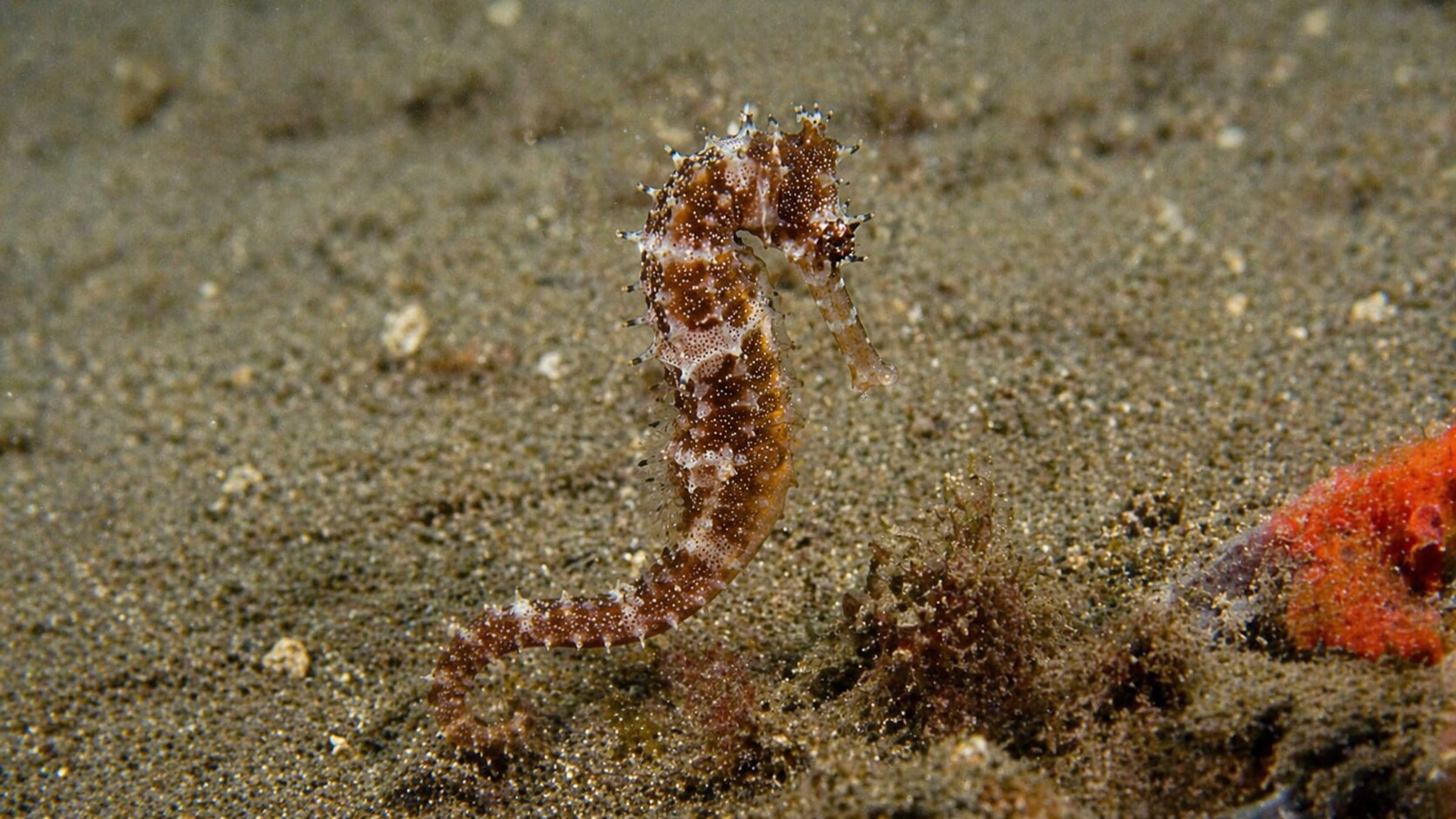
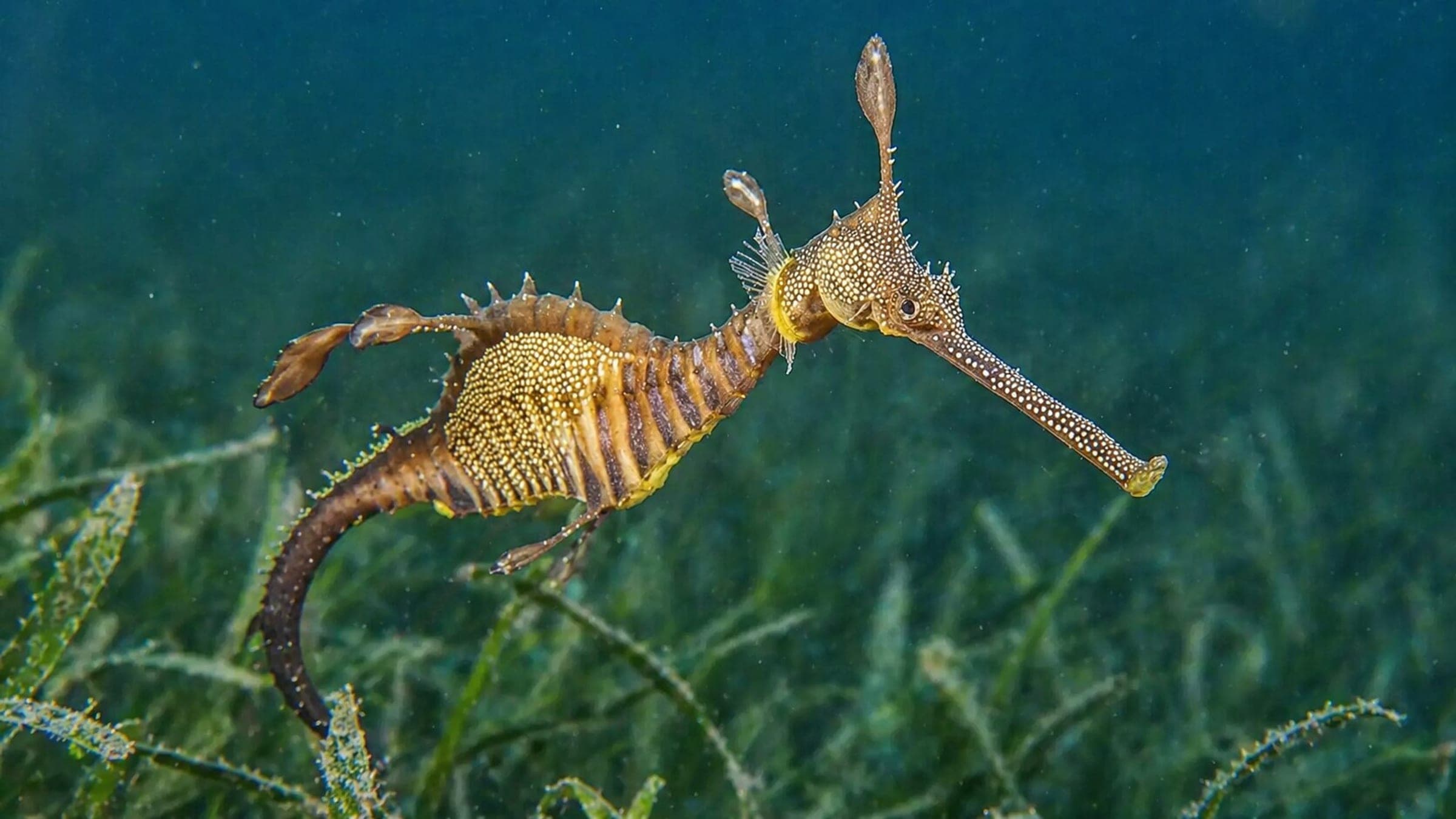
Very small size
Typically less than 2 centimetres (0.79 in) in height.
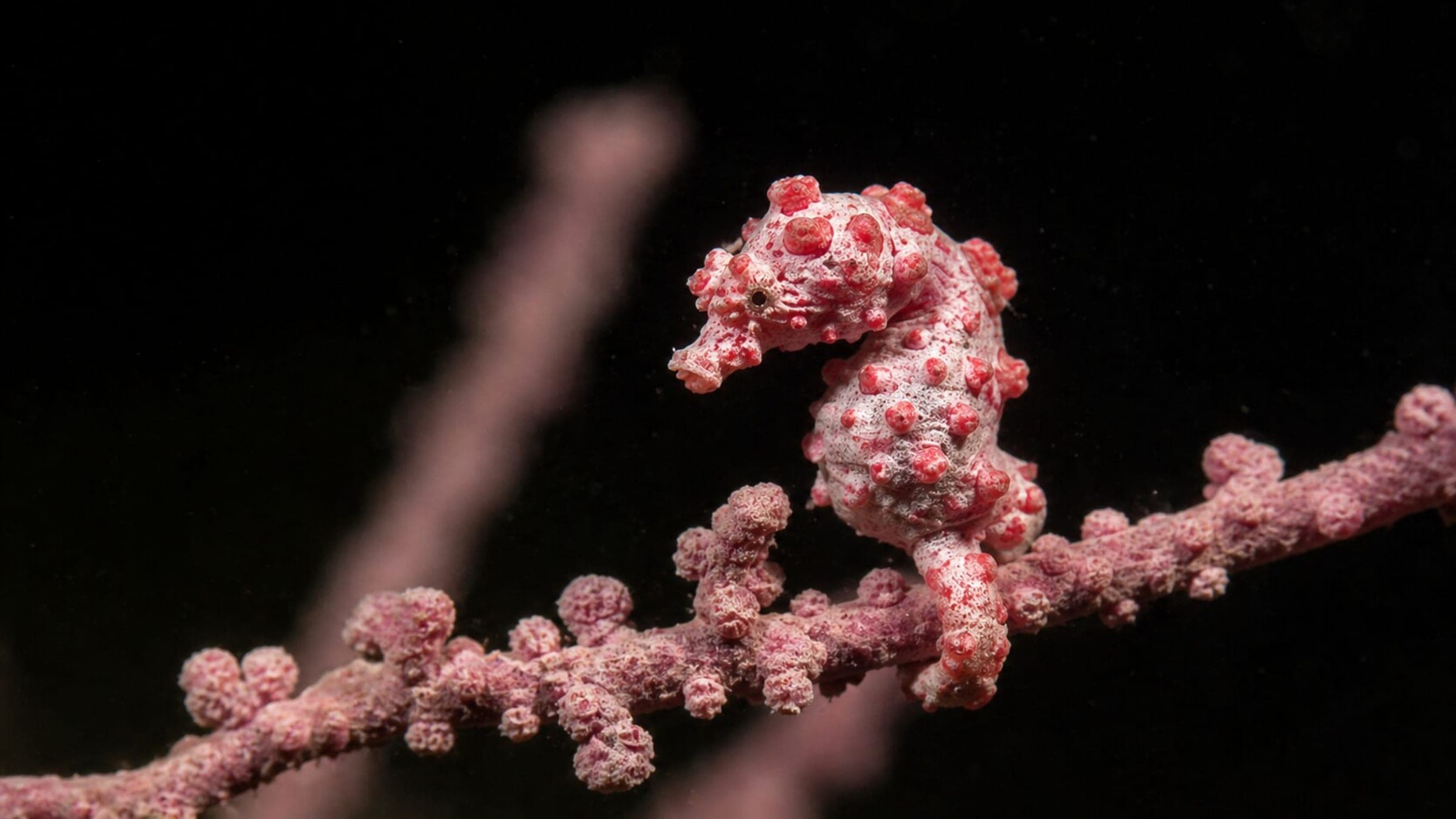
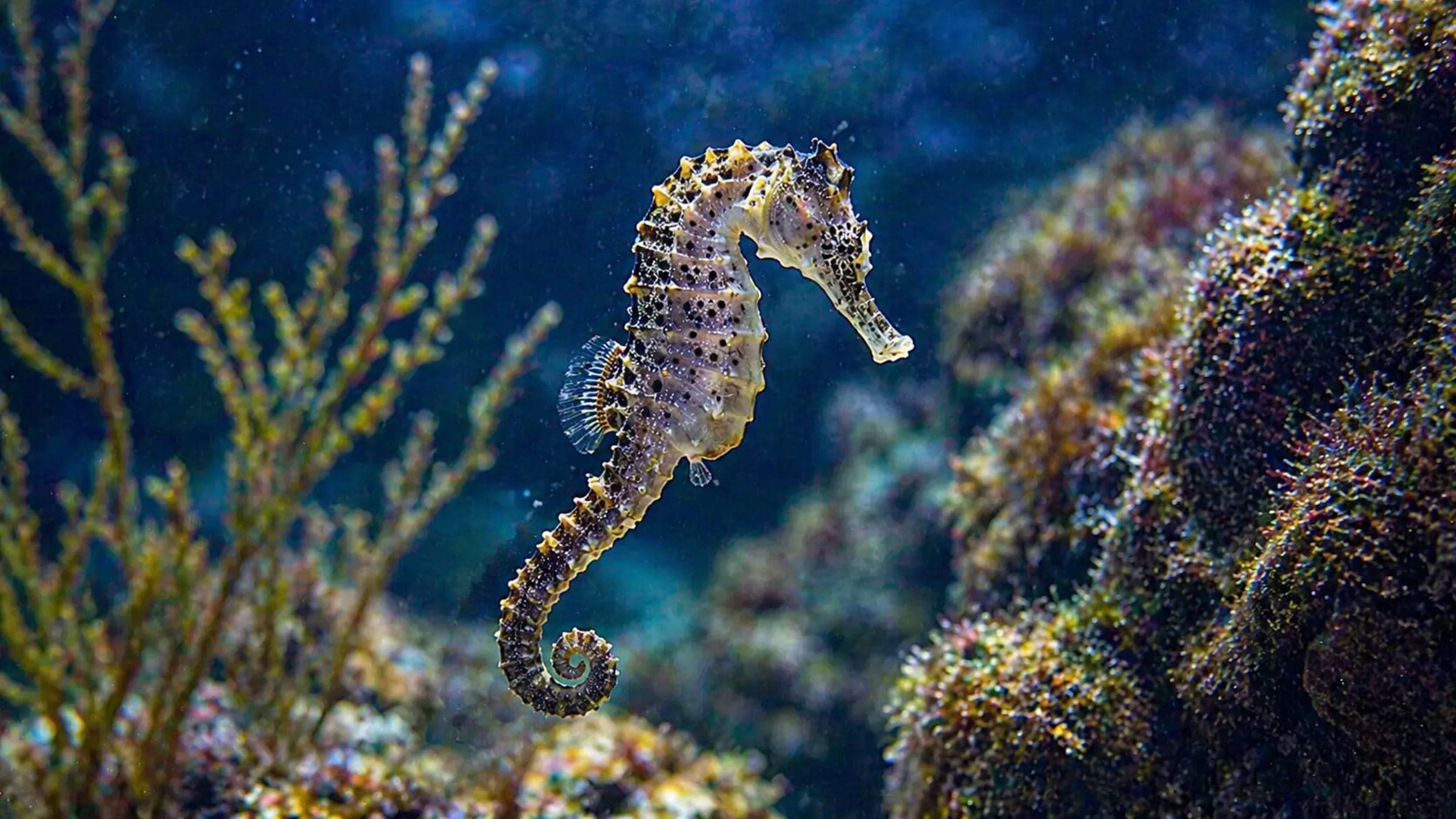
Pygmy seahorses are tiny seahorses (often under 2 cm) found in Southeast Asia that often match the colour and texture of their coral or algal hosts.
Last Updated Mar 9, 2026 · 2 sources
Species Guide
A clean field guide focused on habitat, identification, behavior, and conservation context without burying the useful parts.
Pygmy seahorses comprise several species of very small seahorses in the family Syngnathidae and order Syngnathiformes. They are typically less than 2 centimetres tall and occur in Southeast Asia within the Coral Triangle region. The first described species is Hippocampus bargibanti (Bargibant's pygmy seahorse), which lives exclusively on certain fan corals (gorgonians) and matches its host's colour and appearance so closely it was only noticed when the gorgonian was examined in a laboratory. Other pygmy seahorse species live on soft corals or are free-ranging among seagrasses and algae. As members of Syngnathiformes, they possess fused jaws and feed by sucking prey into tubular mouths.
They have fused jaws and feed by sucking small prey into tubular mouths.
The strongest linked planning options currently surface around destinations such as Tulamben and Amed, Bunaken and Manado (North Sulawesi), Raja Ampat and countries such as Indonesia, Philippines, Japan for divers building trips around pygmy seahorses.
Identification
The visual markers divers can use underwater, plus the species most likely to cause confusion.
Typically less than 2 centimetres (0.79 in) in height.
Some species closely match the colour and texture of their gorgonian or coral hosts, making them hard to spot.
Certain species live exclusively on fan gorgonians; others are found on soft corals or among seagrasses and algae.
Diet
Useful feeding context that often explains habitat, movement, and encounter style.
They have fused jaws and feed by sucking small prey into tubular mouths.
Responsible Encounters
Conservation-minded guidance for divers who want the encounter without adding pressure.
Give pygmy seahorse space, avoid blocking the animal's path, and follow local site and operator rules for wildlife interactions with seahorses and pipefishes.
Field Notes
Useful species context that makes the encounter more meaningful once you are underwater.
Hippocampus bargibanti (Bargibant's pygmy seahorse) was the first pygmy seahorse discovered.
Bargibant's pygmy seahorse was noticed on a gorgonian specimen on a scientist's dissection table in New Caledonia and named after Georges Bargibant.
At least six more pygmy seahorse species were named after the year 2000.
Top Destinations
Destinations surfaced from the linked dive spots associated with this species.
Top Countries
The strongest country-level starting points currently linked to this species.
Top Dive Spots
Directly linked dive spots where this species already shows up in the planning data.
Gili Air wall dive with macro life, coral, and passing turtles.
Boat-access Menjangan wreck with a shallow anchor and deep wall.
Anda Scuba Diving House Reef is a turtle-rich wall with sea fans and canyons.
Quiet Bonaire shore dive with easy access and rich shallows.
Malapascua macro site with a flat sandy, grassy bottom and small coral patches.
Guided boat dive known for pygmy seahorses and gorgonians.
FAQ
Clear planning and conservation answers written for search visibility and AI retrieval.
Research Sources
Primary and credible references behind the field-guide and conservation claims on this page.
Primary wildlife guide source.
Supporting wildlife source.
Related Species
Related species guides in the same encounter family.