Getting there and around
- Seve Ballesteros-Santander Airport · 15 to 25 minutes by taxi or airport bus in normal traffic
- Bilbao Airport · Around 1 to 2 hours by car or coach depending on destination and traffic

Cold Atlantic reefs, sea caves, and wrecks between Santander Bay and Castro Urdiales
Overview
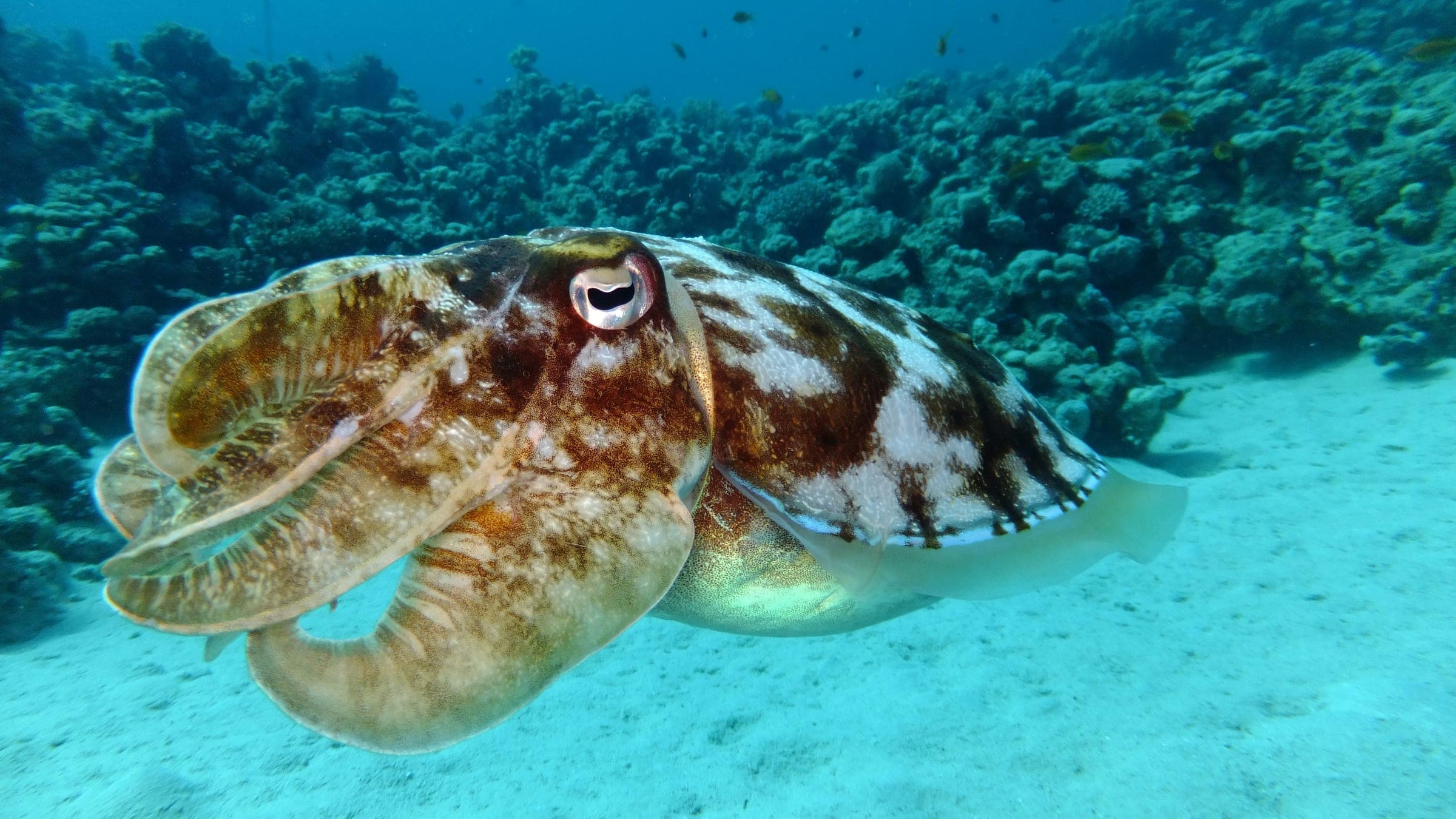
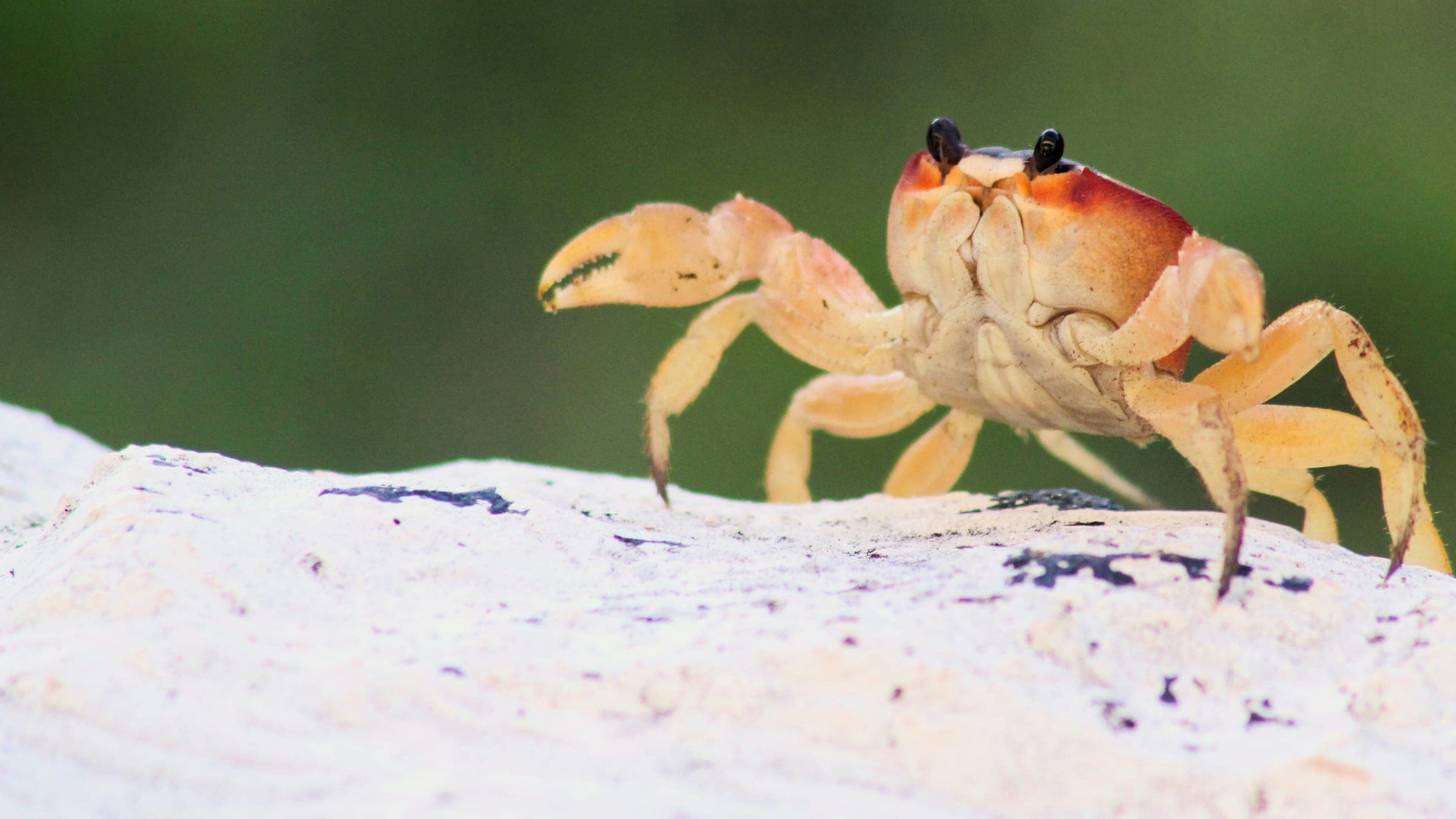
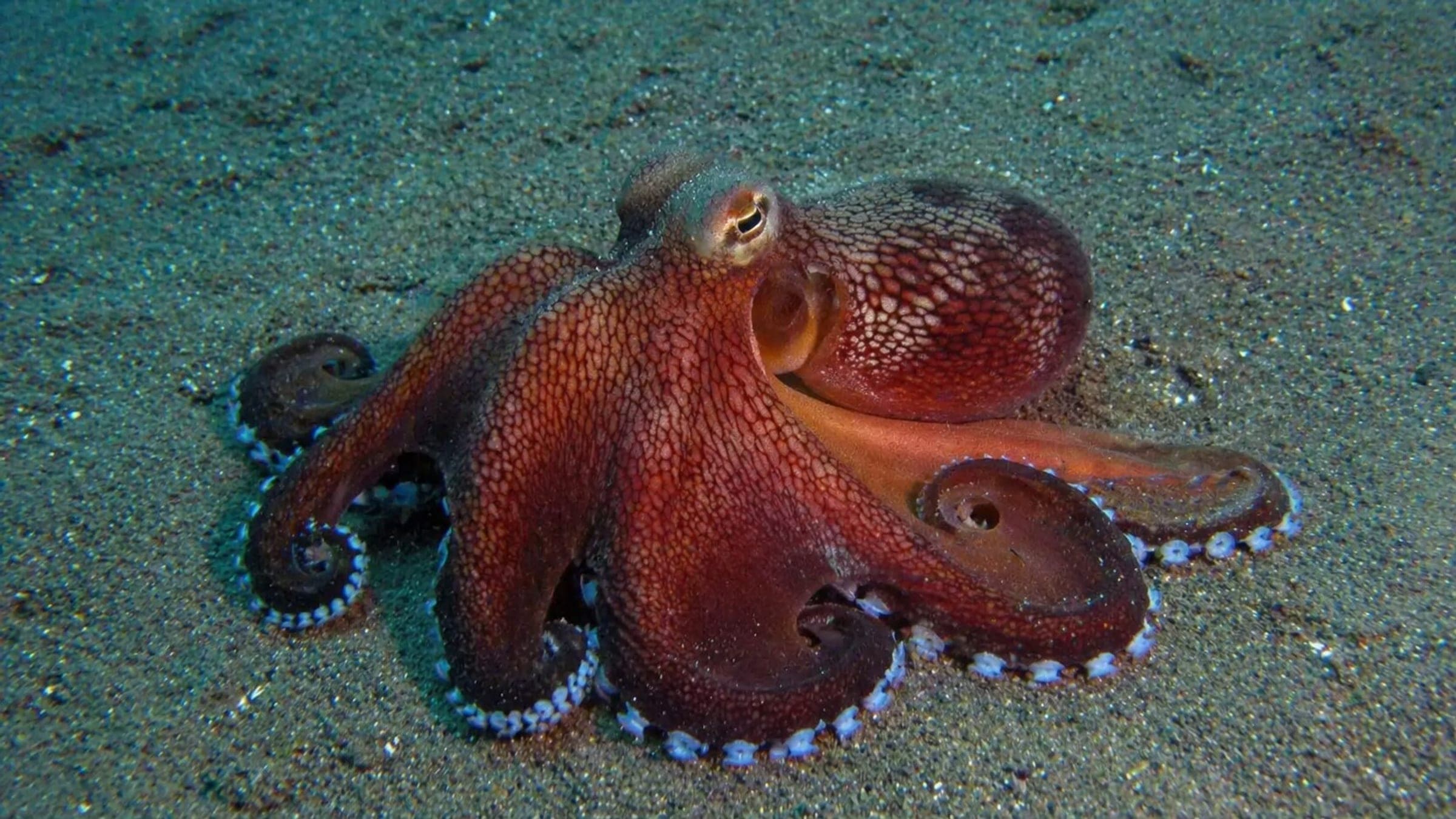
Cantabria is a local-operator diving destination, not a liveaboard route. Plan it as a land-based northern Spain trip with day boats, shore-access beaches, and flexible non-diver time. Santander gives the easiest start: sheltered pockets around Isla de Mouro, training dives from Pedrena or Maliano, and quick access to the city, surf beaches, and ferry routes. Castro Urdiales adds a more rugged eastern flavor, with rocky walls, shallow caves, Napoleonic-era cannon sites, and deep wrecks that need stable weather and advanced qualifications. Water is cool even in summer, visibility is variable, and winter swell shapes the seabed. The reward is a very Atlantic mix of kelp, wrasse, conger, octopus, cuttlefish, spider crabs, and wreck stories, all paired with Santander's food scene, UNESCO-listed coastal geology, cave art, and Cantabrian mountain day trips.
Cold-water reefs, algae cover, arches, walls, and wrecks make the trip feel very different from Spain's warmer Mediterranean routes.
Santander and Isla de Mouro suit training, snorkel, and protected bay planning. Castro Urdiales adds more exposed rocky routes and advanced wreck objectives.
Non-divers can use city beaches, Santander Bay ferries, Castro's old quarter, Costa Quebrada walks, Cabarceno, Altamira, and El Soplao while divers are on boats.
Quick shortlist before you jump into the full planning page.
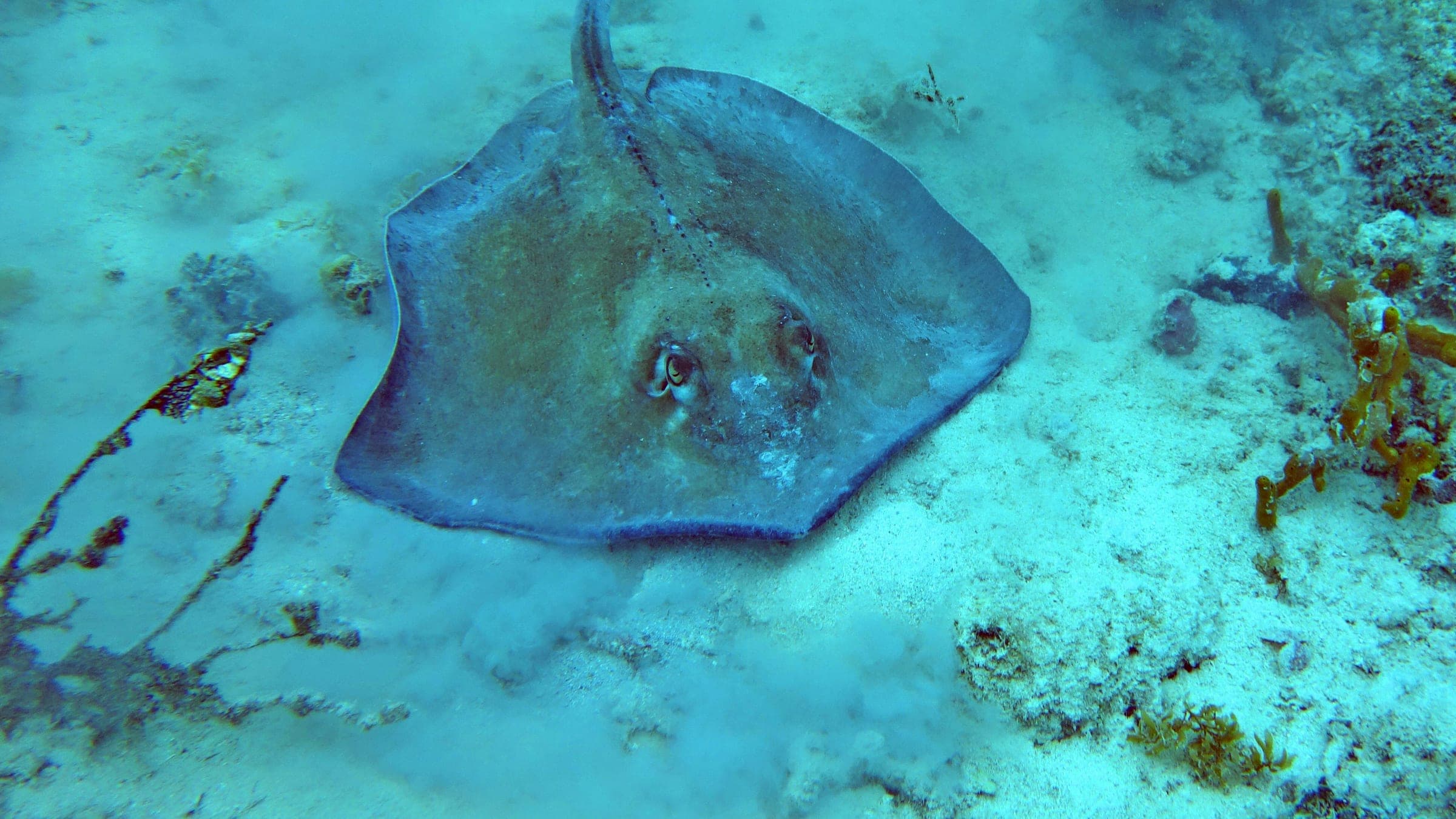
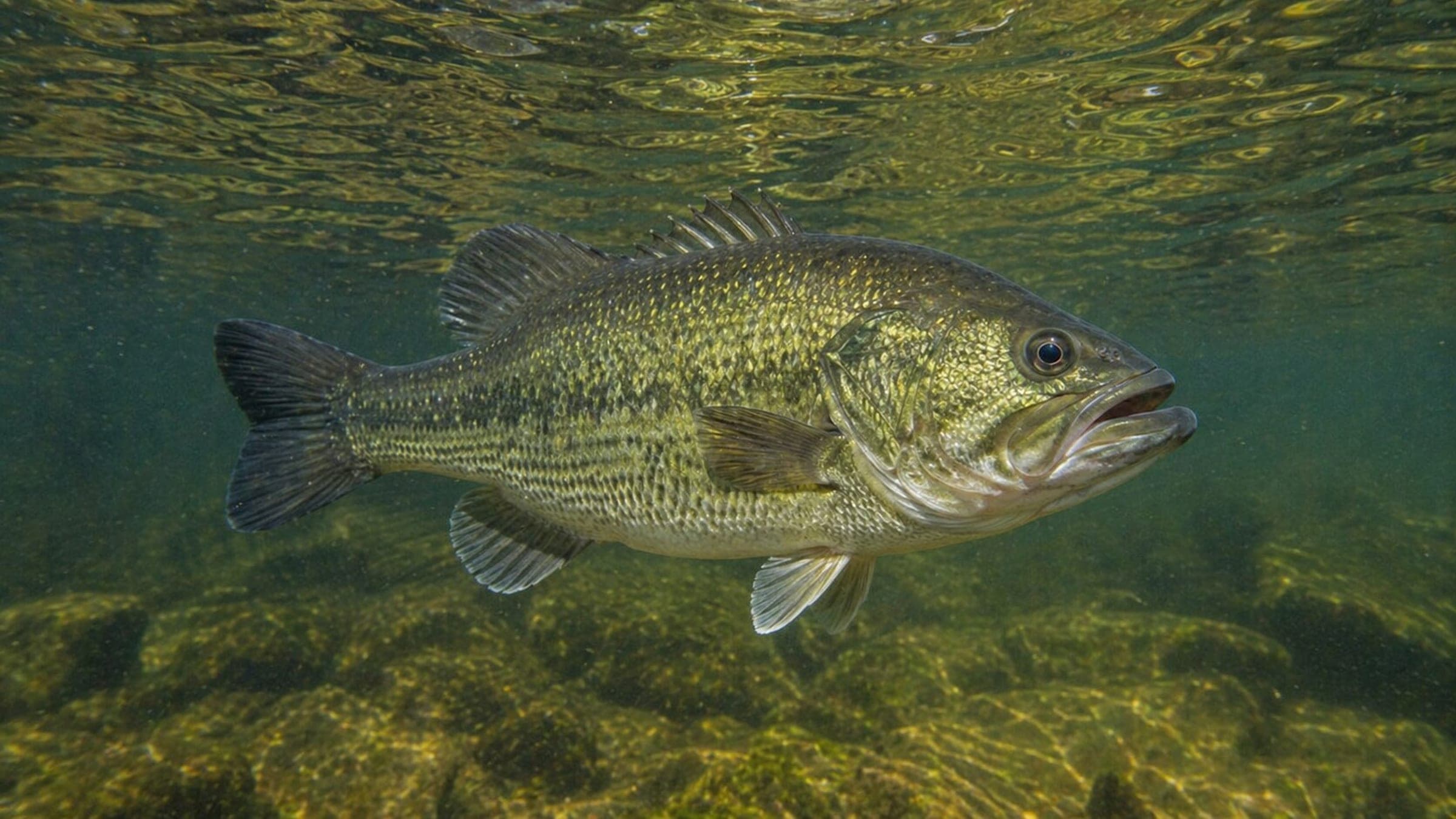
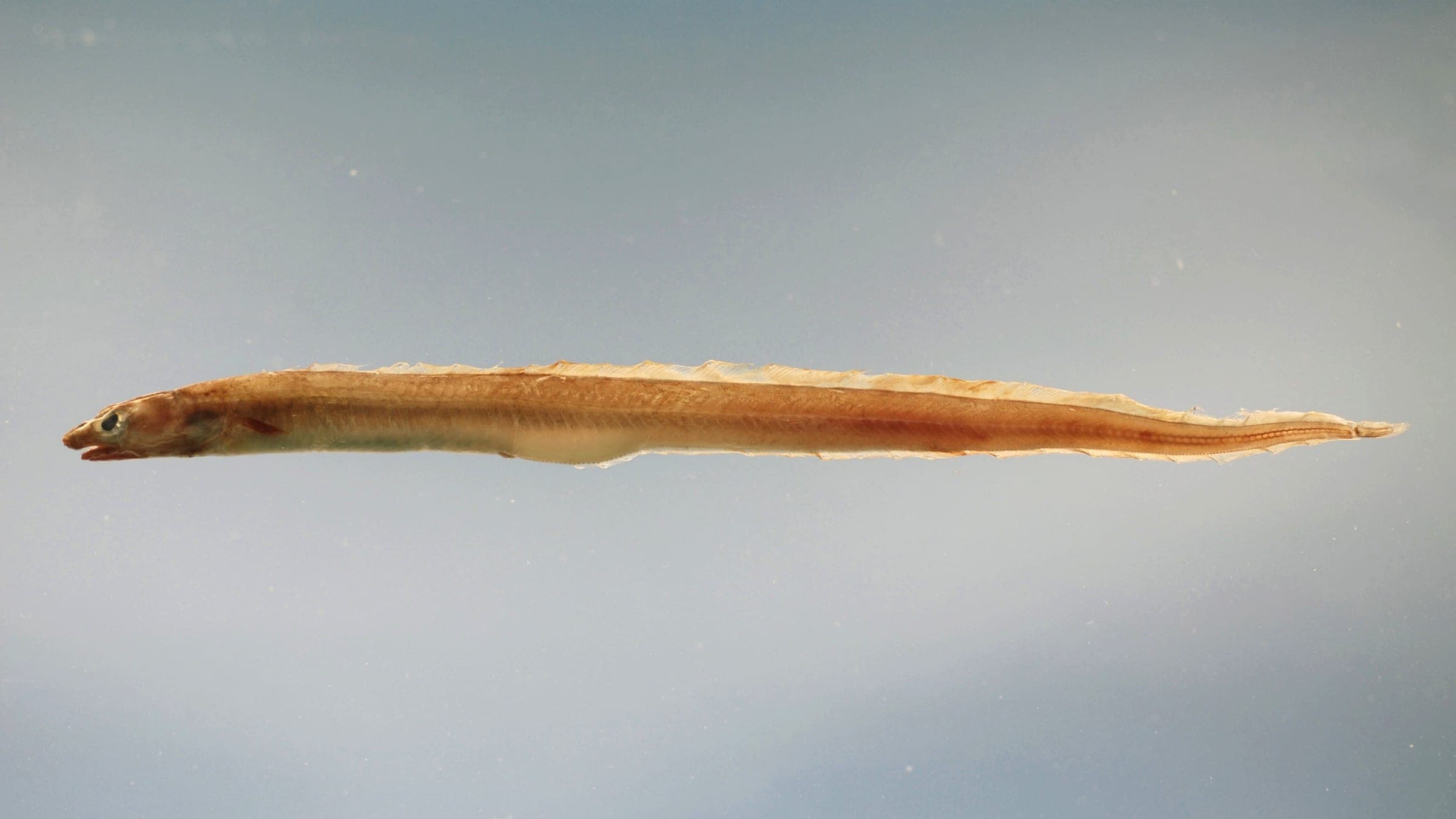
Top species linked to approved dive spots in Cantabria: Santander and Castro Urdiales.
Local centers support try dives, Open Water training, guided recreational dives, Nitrox, deep wreck objectives, and colder-water skills refreshers.
3 linked spots