Hero photo of Galicia: Rias Baixas, Cies Islands, and Atlantic North Coast
Destination Guide

Galicia: Rias Baixas, Cies Islands, and Atlantic North Coast

Cold-water Atlantic reefs, kelp forests, wreck history, and island day boats from Galicia's green coast

Updated Apr 20, 202625 sources

View On Map

Overview

Cold-water Atlantic reefs, kelp forests, wreck history, and island day boats from Galicia's green coast

Galicia is Spain's Atlantic counterpoint to the Mediterranean: colder, greener, more tidal, and more rugged. The easiest dive planning sits in the Rias Baixas, where operators from Vigo, Cangas, Aldan, Sanxenxo, and Portonovo run day boats to Cies, Ons, mussel rafts, reefs, and sheltered coves. The Cies Islands sit inside the Maritime-Terrestrial National Park of the Atlantic Islands of Galicia, so access, anchoring, camping, and lead-weighted diving are regulated. North toward A Coruna and Costa da Morte, the diving becomes more exposed, with wreck heritage, walls, rocky reefs, and stronger weather dependence. Water is cold by holiday standards, commonly around 13°C to 17°C, so exposure protection matters. Non-divers get first-rate island hikes, Albarino wine country, seafood towns, lighthouses, and Santiago de Compostela day trips.

What Makes It Special

  • Protected Atlantic islands

    Cies and Ons sit within a national park that protects land, cliffs, seabirds, beaches, and marine habitats including rocky seabeds, kelp communities, and maerl.

  • Cold-water biodiversity

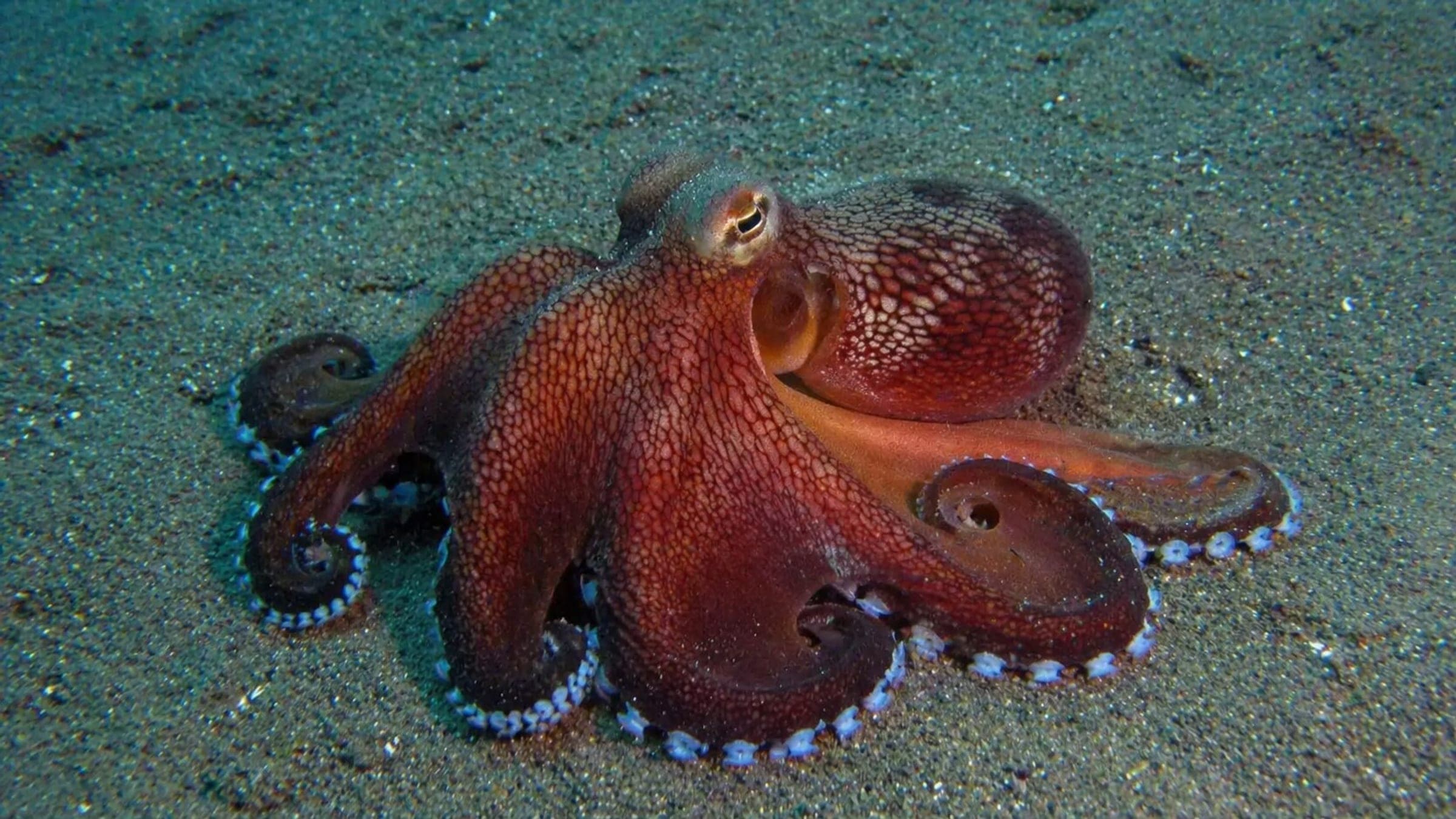
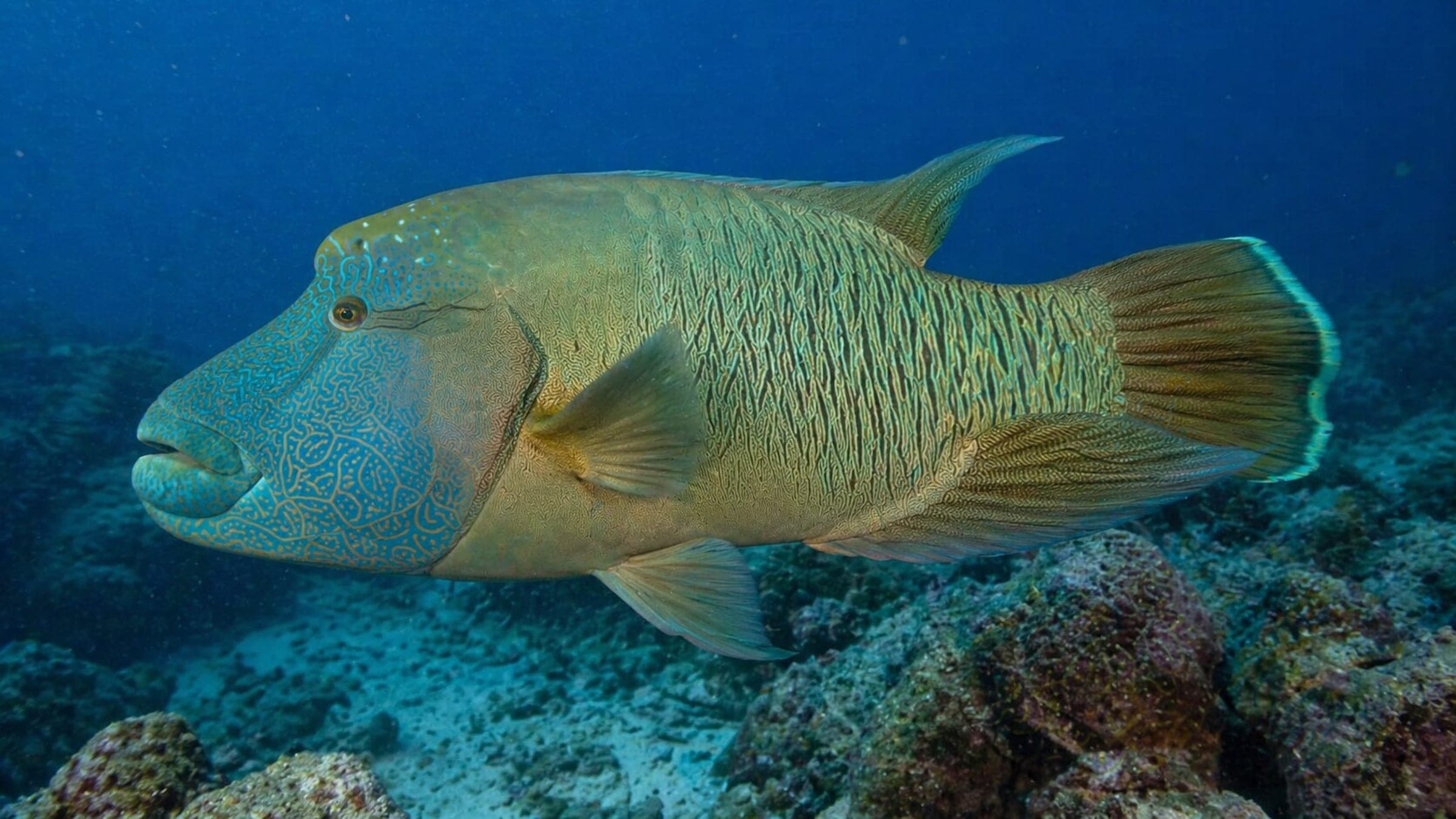
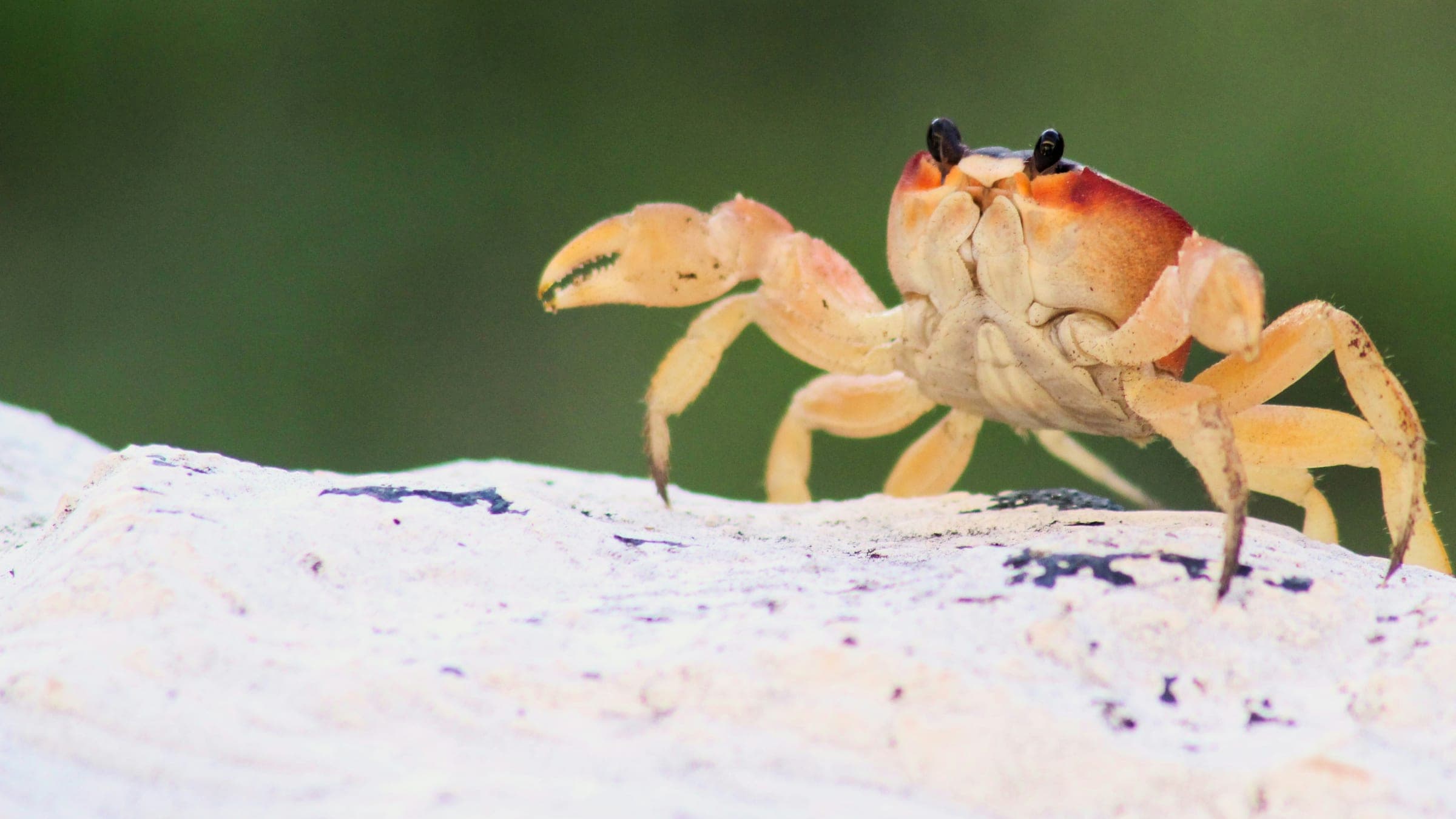
    Expect Atlantic species rather than coral-reef color: kelp, seaweeds, octopus, conger eels, wrasse, sea bass, nudibranchs, sponges, crustaceans, and occasional seahorse habitat.

  • Day-boat flexibility

    Operators in Vigo, Aldan, Cangas, Sanxenxo, Portonovo, and A Coruna let you adapt to wind, swell, visibility, and national park permits.

  • Wreck and heritage coast

    Costa da Morte and the Gulf of Artabro have one of the European Atlantic's densest shipwreck stories, with routes that appeal to trained wreck divers and history-minded topside travelers.

Wildlife In Galicia: Rias Baixas, Cies Islands, and Atlantic North Coast

Top species linked to approved dive spots in Galicia: Rias Baixas, Cies Islands, and Atlantic North Coast.

Signature Spots Preview

Quick shortlist before you jump into the full planning page.

See Full Plan
Faro Mourisca dive spot

Faro Mourisca

Reef

Rocky lighthouse dive in the Ría de Pontevedra

🏖️
Visibility7 m
AccessModerate entry effort
Marine LifeGreat variety
FacilitiesNo facilities
CrowdFew visitors
CurrentLight current
SurgeModerate surge
Dr. P. Alonso dive spot
Not Set
Gruta del Ruso dive spot
Not Set
O cabalo, Bueu dive spot

O cabalo, Bueu

Kelp ForestReef
Not Set
Pecio Isurus dive spot

Pecio Isurus

DeepWreck

Best time to go

June to September, with September the easiest balance for boats and crowds

Drier weather, clearer skies, stronger ferry schedules, and comparatively warm water around 15°C to 17°C.

Main caution: Cooler water around 13°C to 15°C, wetter Atlantic systems, windier departures, and fewer reliable island or dive days.

See full season planner

Logistics Preview

  • Vigo Airport · 20 to 30 minutesute drive in normal traffic
  • Santiago-Rosalia de Castro Airport · About 60 to 90 minutesute drive to the Rias Baixas, depending on base and traffic
Open Logistics

Safety Preview

  • Cold water is the default
  • Atlantic swell can rewrite the day
Open Safety Guide

FAQ Preview

  • When is the best time to visit Galicia for scuba diving?
  • Do I need a permit to dive or snorkel in the Cies Islands?
Open FAQs

About these guides

DiveJourney destination guides are living documents built from local knowledge, operator experience, and publicly available sources. Conditions, regulations, and logistics can change. Each guide shows its last update date and sources used.

Last updated: April 20, 2026 25 sources

If you see something inaccurate or outdated, you can submit an update. This is how the platform improves.