Getting there and around
- Southampton Airport · Allow about 20 to 35 minutesutes for the mainland transfer, then 28 minutesutes to West Cowes or 60 minutesutes to East Cowes by the published Red Funnel crossings

Tide-led wrecks, seagrass shallows, and maritime history across Britain's island strait
Overview
The Isle of Wight and the Solent reward divers who plan around tides rather than fixed resort schedules. Local clubs, schools, and day charters reach shallow wrecks, intact offshore ships, scenic ledges, and fast drifts below the chalk coast. Settled May to October conditions usually offer the simplest combination of access and visibility, while experienced teams can use selected April and late-autumn weather windows. Freedivers and snorkelers find gentler objectives in Colwell Bay, Totland Bay, Bembridge, and Seaview's seagrass, but every shore session still needs a current, tide, traffic, and bathing-water check. Three nearby Marine Conservation Zones, seagrass and oyster restoration, protected wreck law, and the submerged Mesolithic landscape at Bouldnor give the destination unusual conservation and archaeology depth. Above water, ferry-linked bases open onto The Needles, Tennyson Down, Osborne, Carisbrooke, Cowes, fossil museums, and a complete coastal path.
Shallow second dives, recreational wrecks, and deep technical targets span roughly 5 m to 95 m in local charter inventories.
Ledges below Tennyson Down, Christchurch, Brook, Atherfield, and Rocken End add gullies, overhangs, reefs, and current-fed temperate life.
Quick shortlist before you jump into the full planning page.
Bracklesham Bay Valentine Tank is a shallow WWII wreck dive on a sandbar.
Selsey Lifeboat Station is a tide-sensitive shore dive on the Sussex coast.
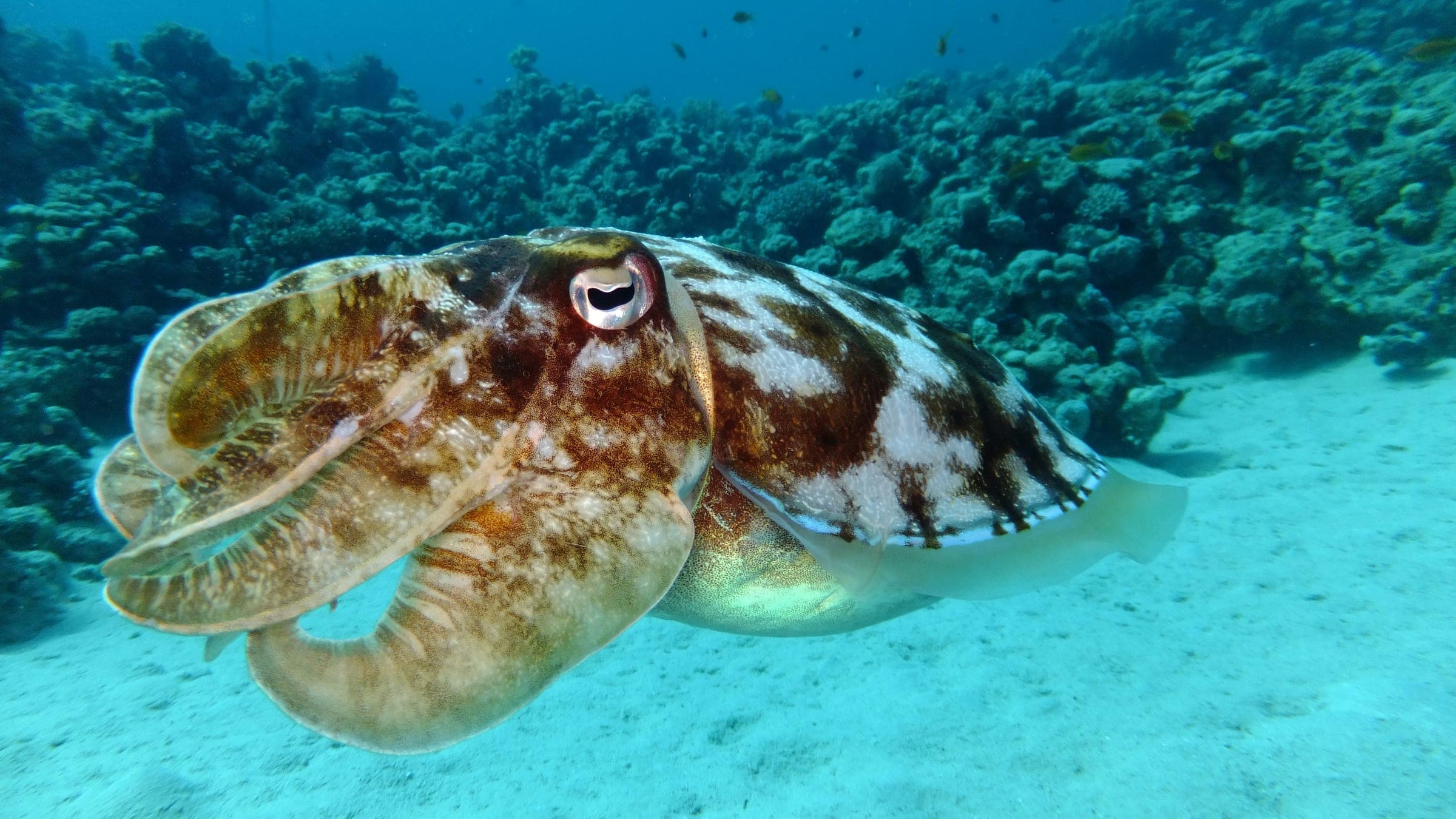
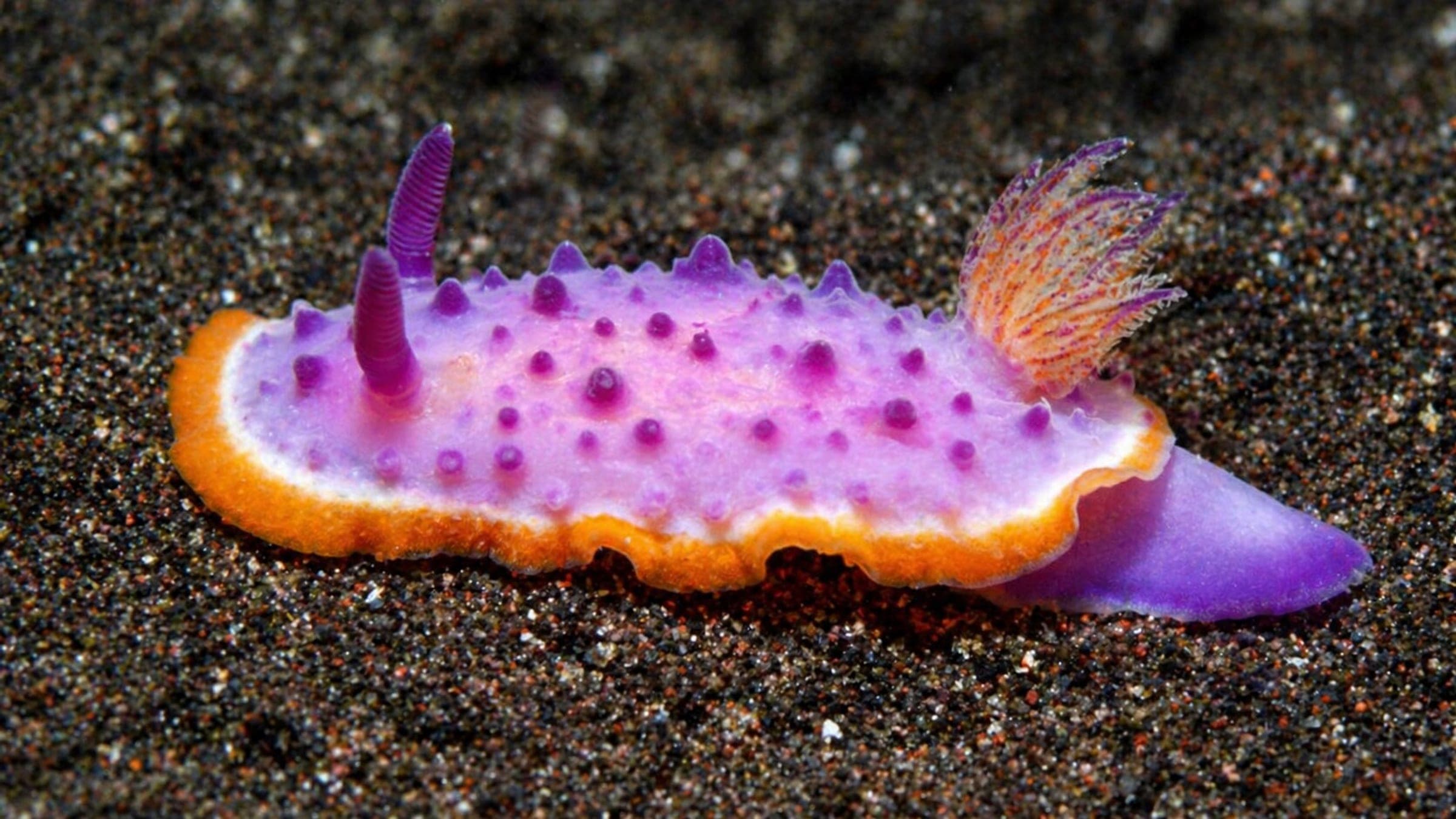
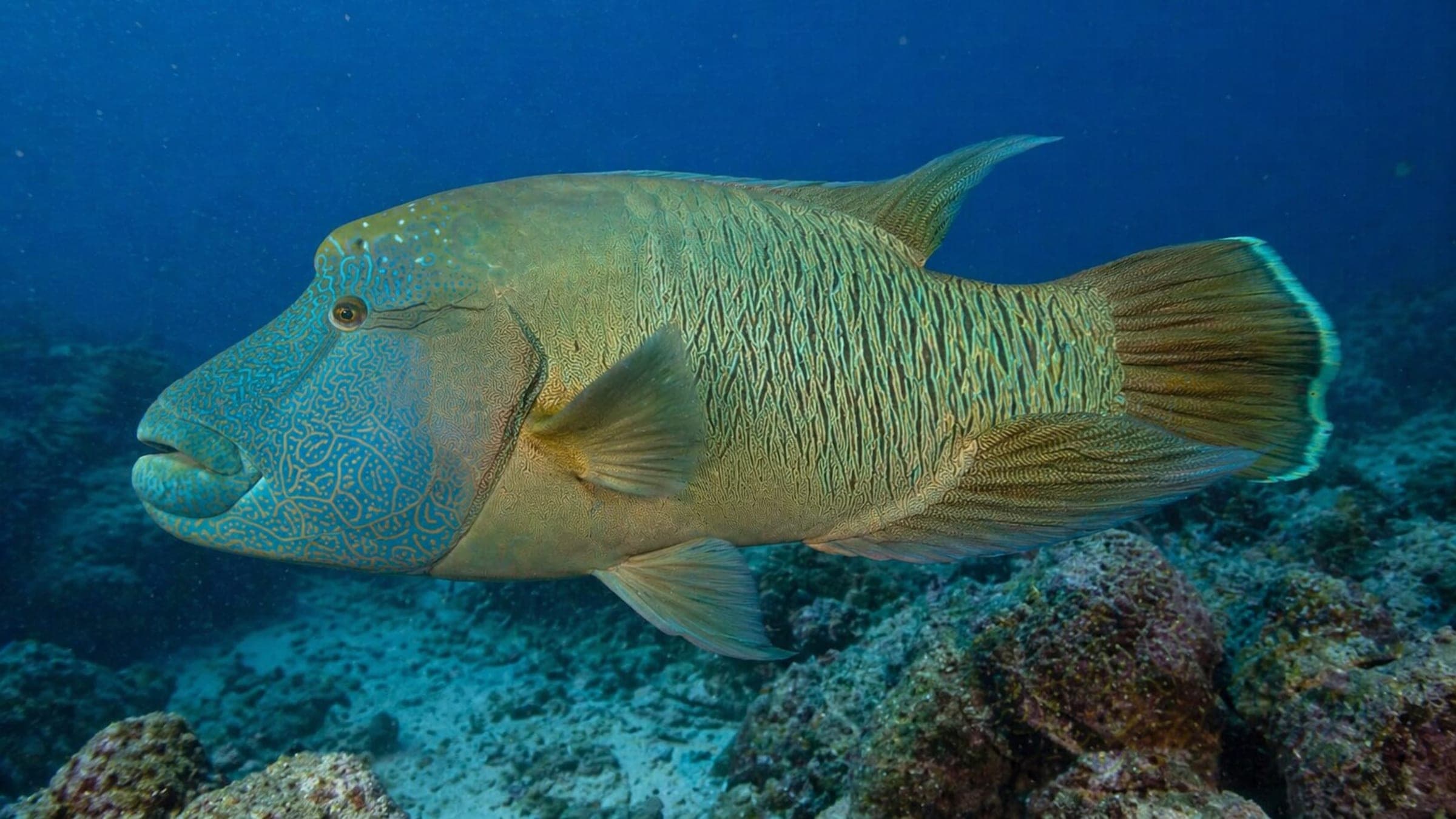
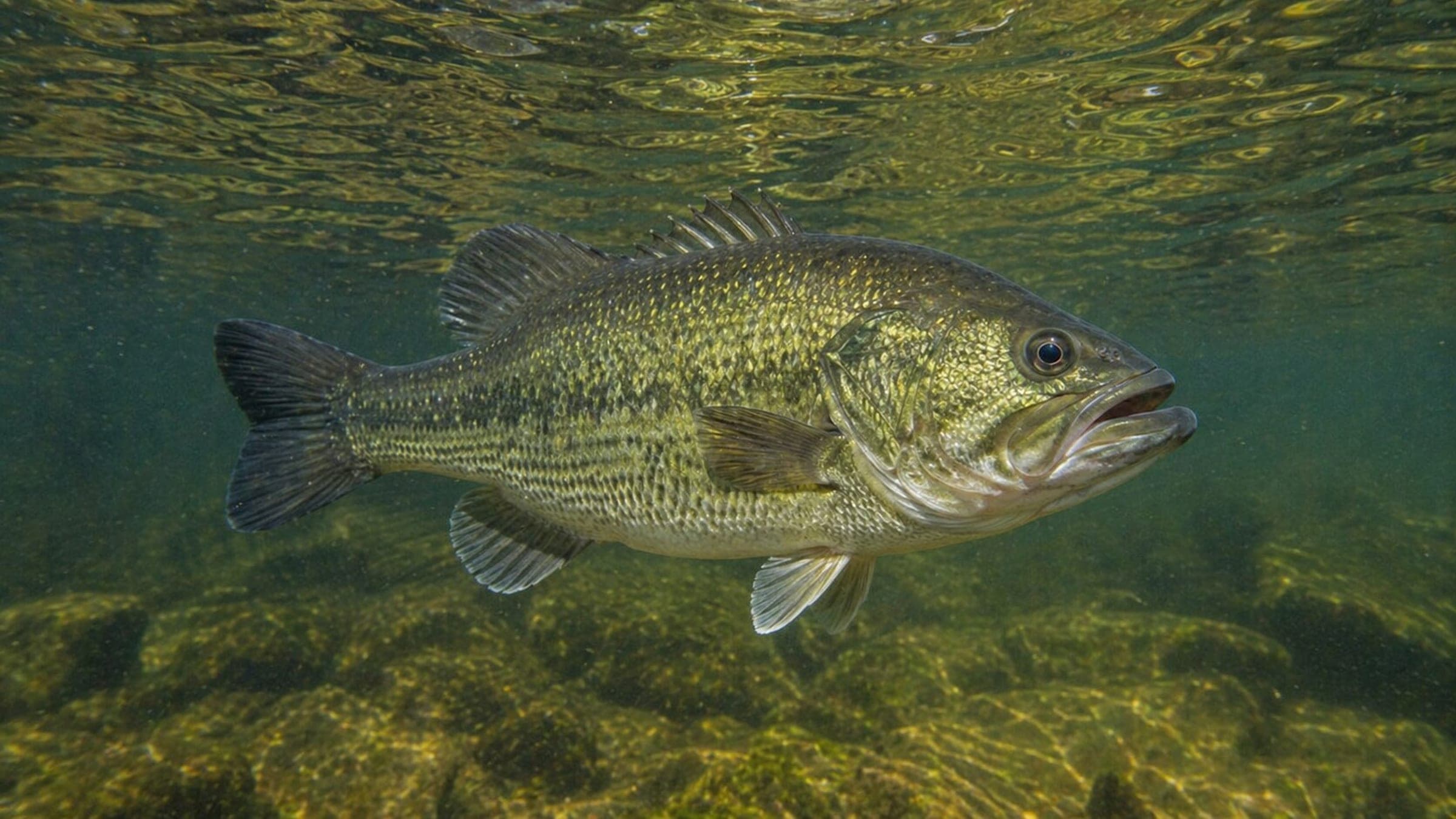
Top species linked to approved dive spots in Isle of Wight and the Solent.
Share what the whole destination was like. Once enough independent reviews are approved, DiveJourney publishes anonymous patterns, not reviewer profiles.
Three nearby Marine Conservation Zones, seagrass and oyster restoration, and biosphere programming turn habitat protection into part of the itinerary.
Protected wreck trails, the Maritime Archaeology Trust, and submerged Bouldnor Cliff connect diving with responsible research and public interpretation.
Best time to go
May to September
Longer daylight, generally more comfortable coast weather, and the broadest mix of water and topside options.
Main caution: School Holiday Crowds.
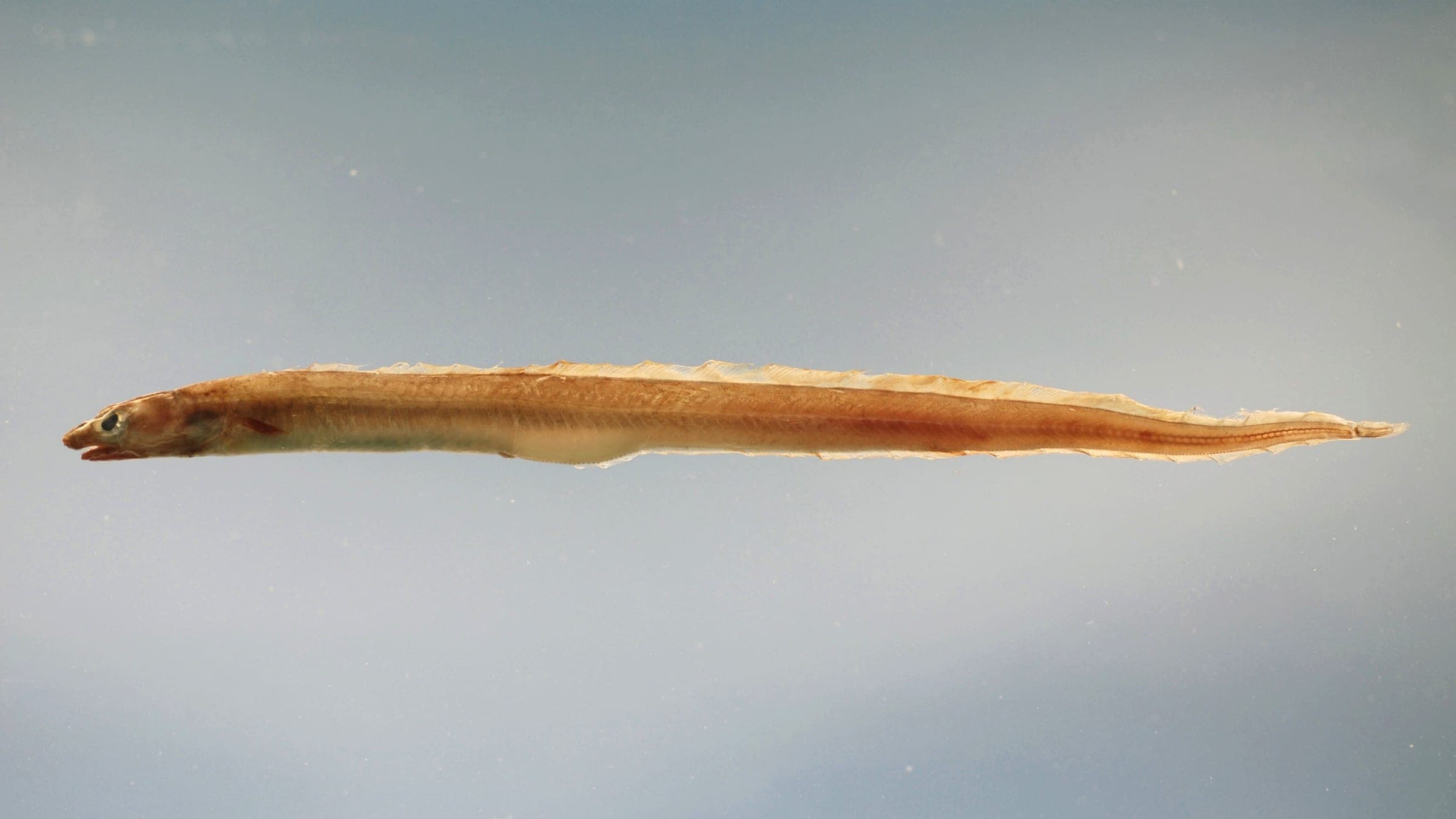
Conger
2 linked spots