Best time to go
May to November
Warmer, drier, and most reliable for mixed ocean and topside plans; water rises toward about 25°C by late summer and early autumn.
Main caution: Crossings and exposed sites can feel rougher in this stretch.
Volcanic reefs, year-round Atlantic diving, and Teide-sized topside adventures
Overview
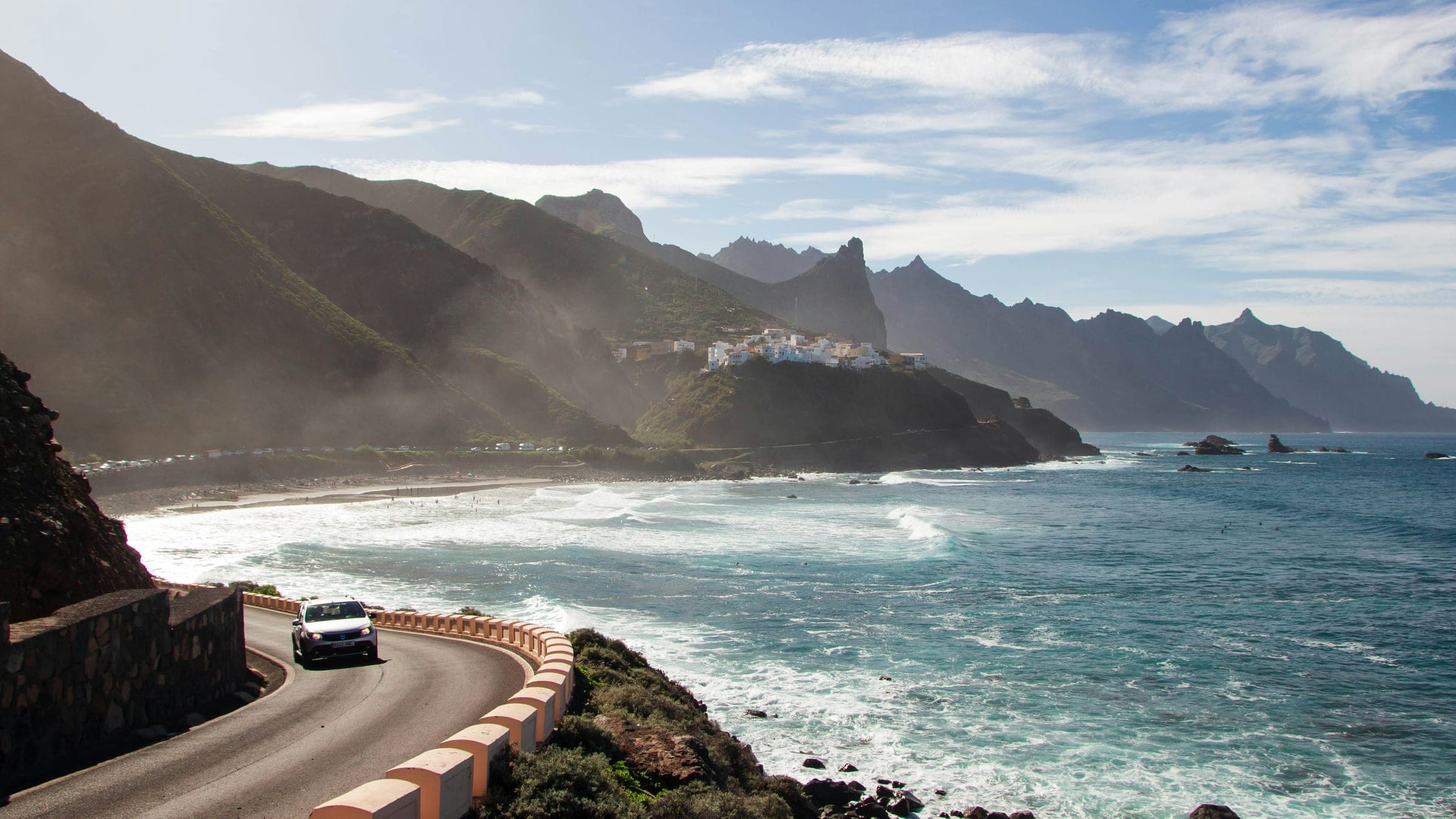
Tenerife is a land-based Atlantic dive destination where volcanic lava, wrecks, rays, turtles, freedive schools, and big topside scenery fit into one easy island plan. The south and west coasts deliver the most reliable boat and shore diving around Las Galletas, Los Cristianos, Costa Adeje, Radazul, Tabaiba, and Los Gigantes, while the north adds dramatic walls and caves when Atlantic swell allows. Water is cooler than the tropics, usually from about 18°C in late winter to 25°C in late summer, but visibility and marine life can be excellent. Non-divers get Mount Teide, whale watching, Anaga hikes, historic La Laguna, lava pools, vineyards, and beach towns without needing a liveaboard or remote transfers.
No liveaboard is needed. Most dive plans use local operators, short boat rides, shore entries, rental cars, and resort-town bases.
Lava arches, basalt columns, caverns, walls, and wrecks create a distinctive Atlantic profile at sites such as Montana Amarilla, La Catedral, and .
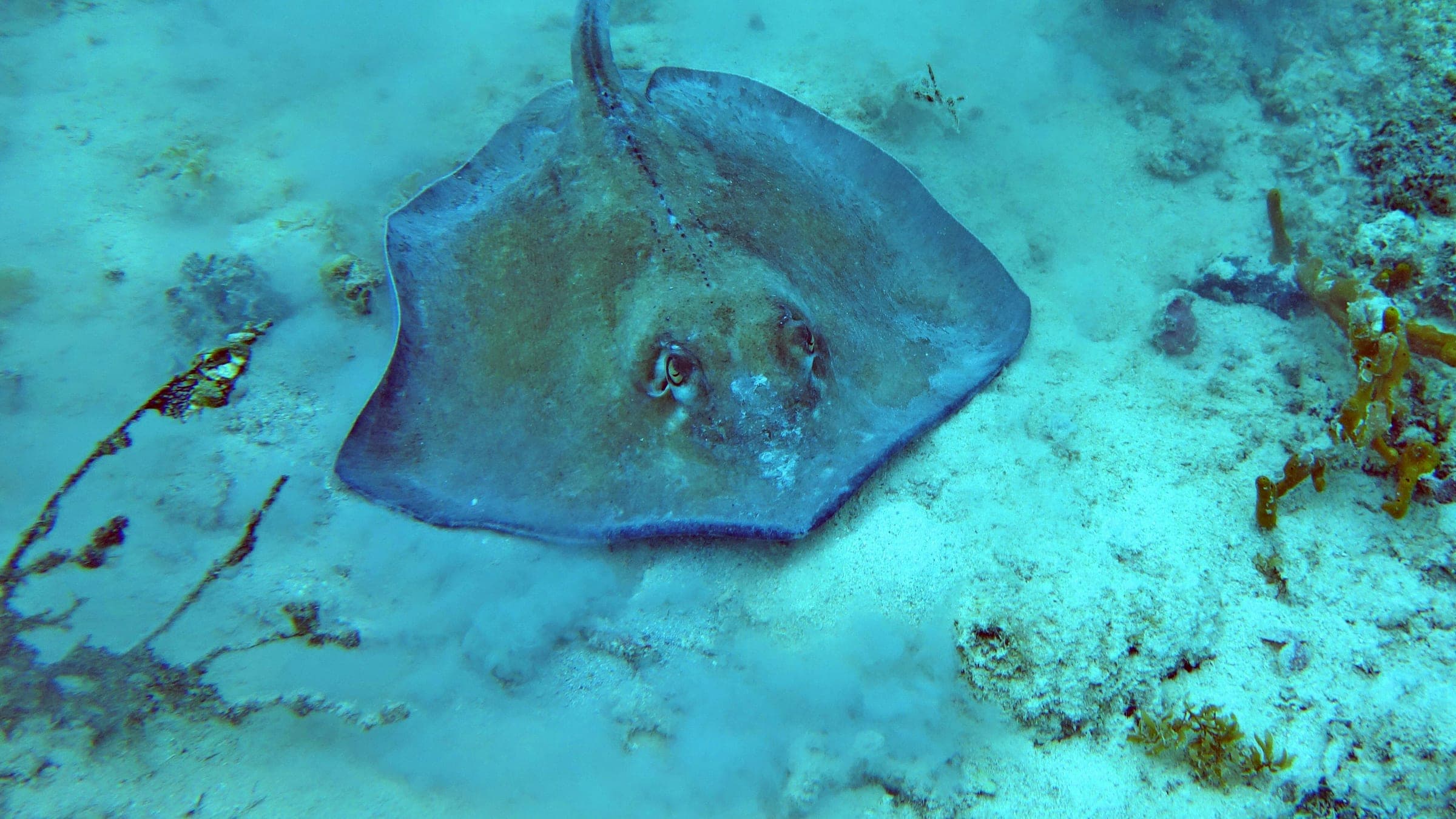
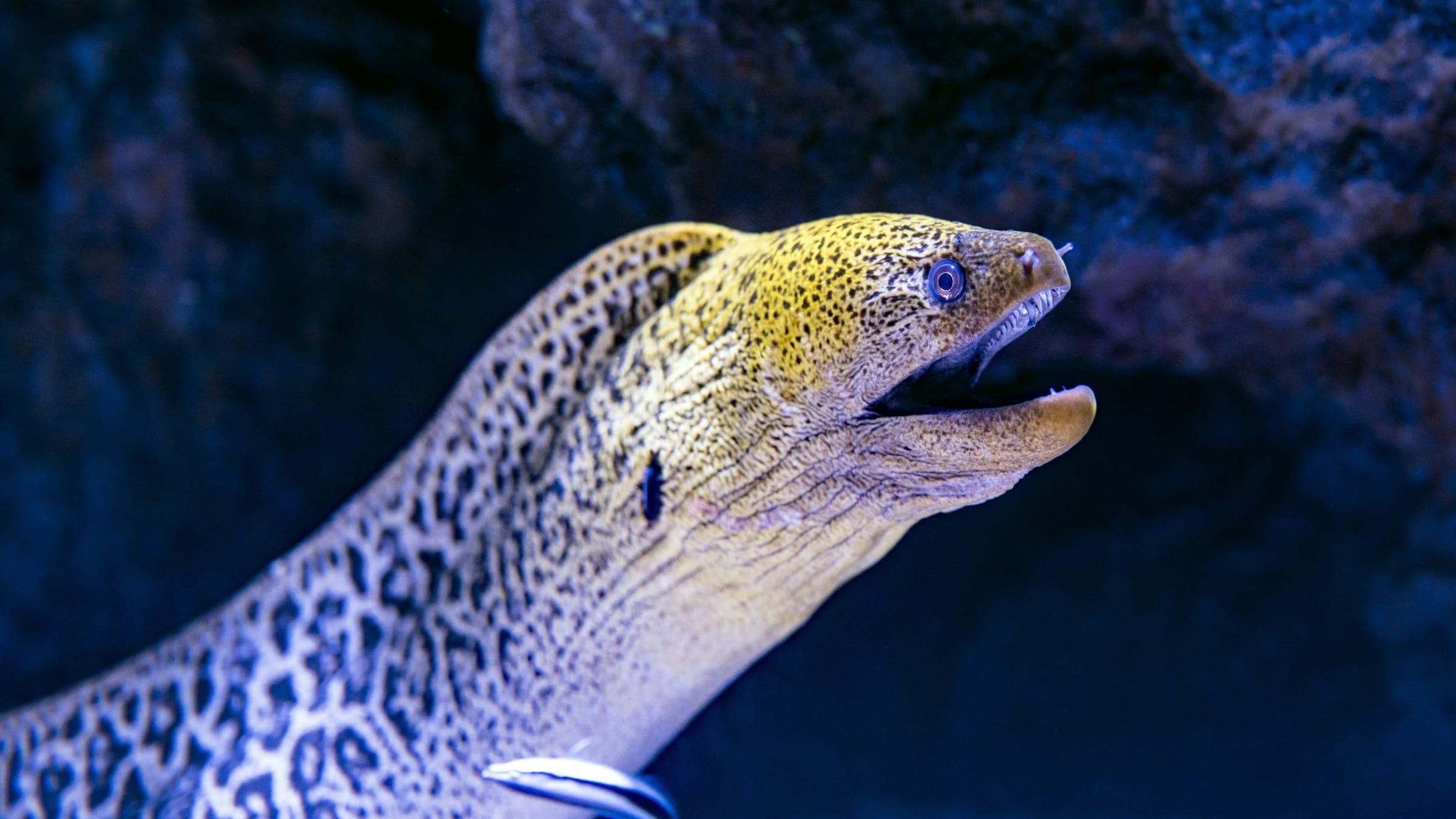
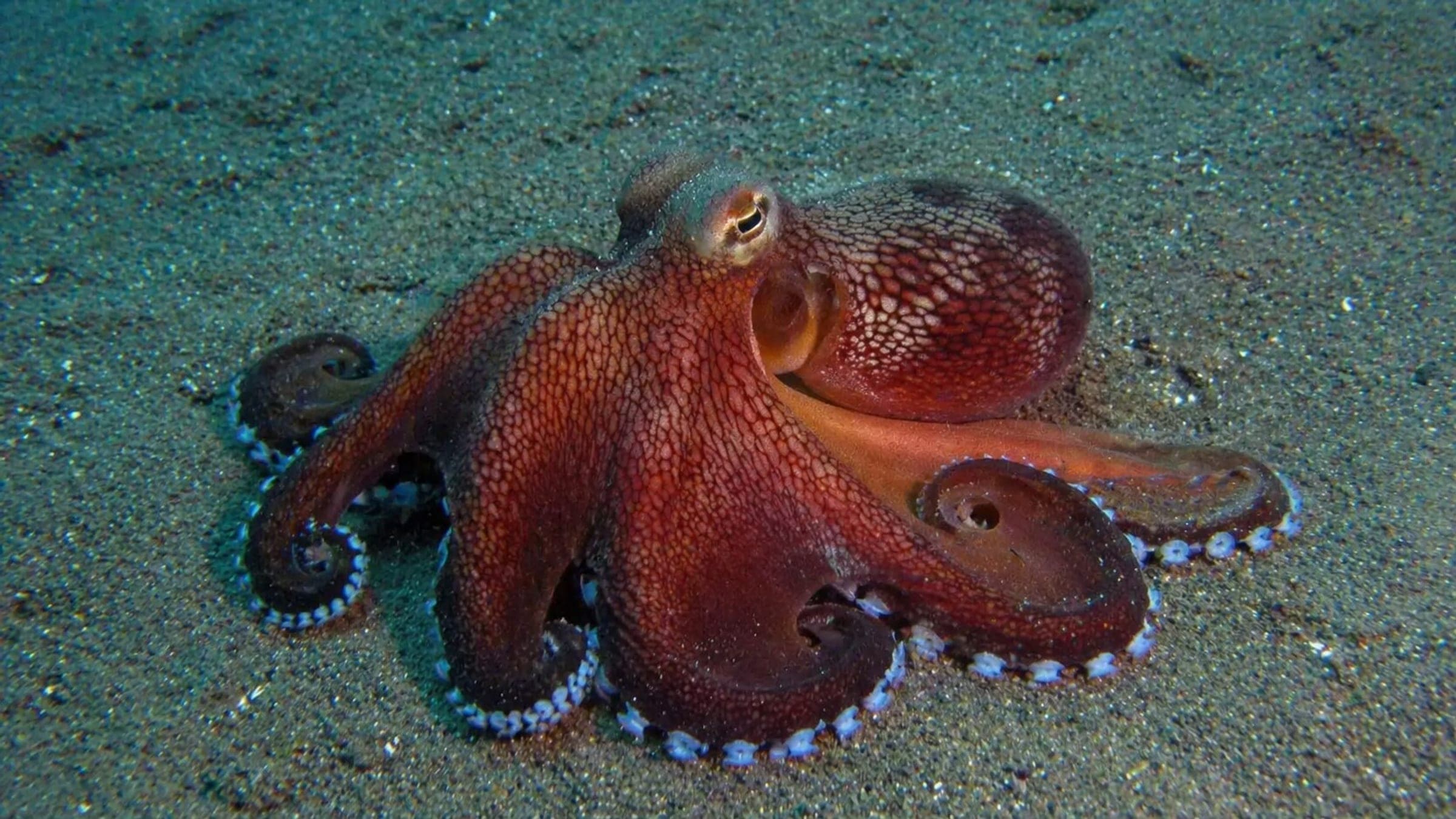
Top species linked to approved dive spots in Tenerife.
Share what the whole destination was like. Once enough independent reviews are approved, DiveJourney publishes anonymous patterns, not reviewer profiles.
Quick shortlist before you jump into the full planning page.

Shore wreck dive in Tabaiba with an easy approach and deeper sections.

Sheltered Tenerife bay dive for beginner training and try dives.
DiveJourney destination guides are living documents built from local knowledge, operator experience, and publicly available sources. Conditions, regulations, and logistics can change. Each guide shows its last update date and sources used.
Last updated: April 20, 2026 • 29 sources
If destination data is inaccurate, stale, missing, or sourced poorly, send a factual correction. This is separate from anonymous destination reviews.
Open Water divers, advanced divers, snorkelers, freedivers, and non-divers can share the same island base while using different daily routes.
Short-finned pilot whales and bottlenose dolphins are resident off south-west Tenerife, making responsible boat-based whale watching one of the island's strongest non-diving add-ons.
39 linked spots
Best time to go
May to November
Warmer, drier, and most reliable for mixed ocean and topside plans; water rises toward about 25°C by late summer and early autumn.
Main caution: Crossings and exposed sites can feel rougher in this stretch.