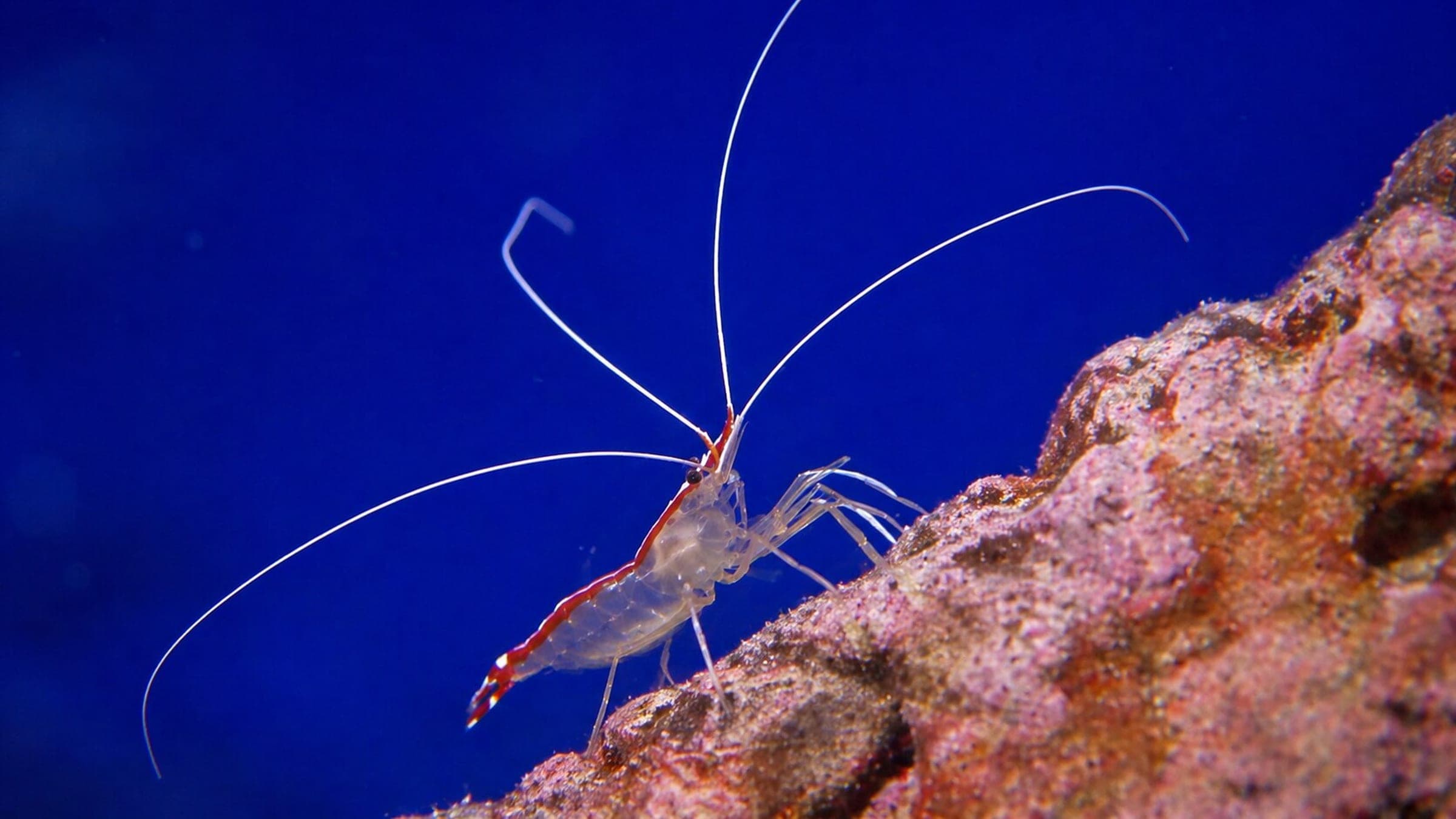
![Scientific name: Dermochelys coriacea Common name Spanish: Tinglar Photo by Claudia Lombard, USFWS Location, Sandy Point National Wildlife Refuge, US Virgin Islands More information: [1]](/_next/image?url=https%3A%2F%2Fscccpsqeuaphhrqmepmb.supabase.co%2Fstorage%2Fv1%2Fobject%2Fpublic%2Fimages-public%2Fclean%2Fcontent%2Fce079739-416f-4696-b477-a5113ebfaec1%2Fmaster.jpg&w=3840&q=75)
en.umi.okinawa.jp · Operator
Operator flow for boat or beach entry, facilities, and guided briefing support.
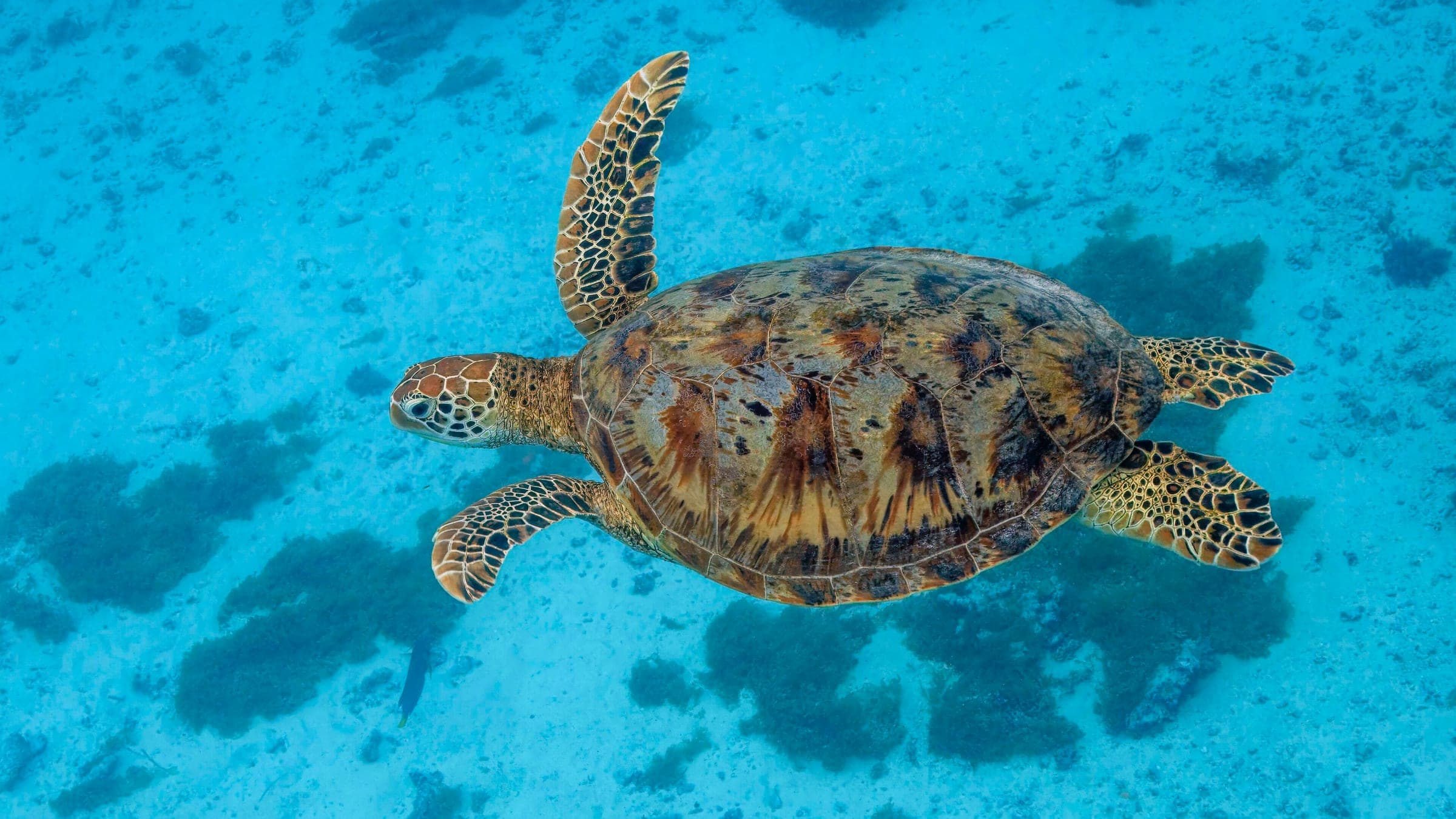
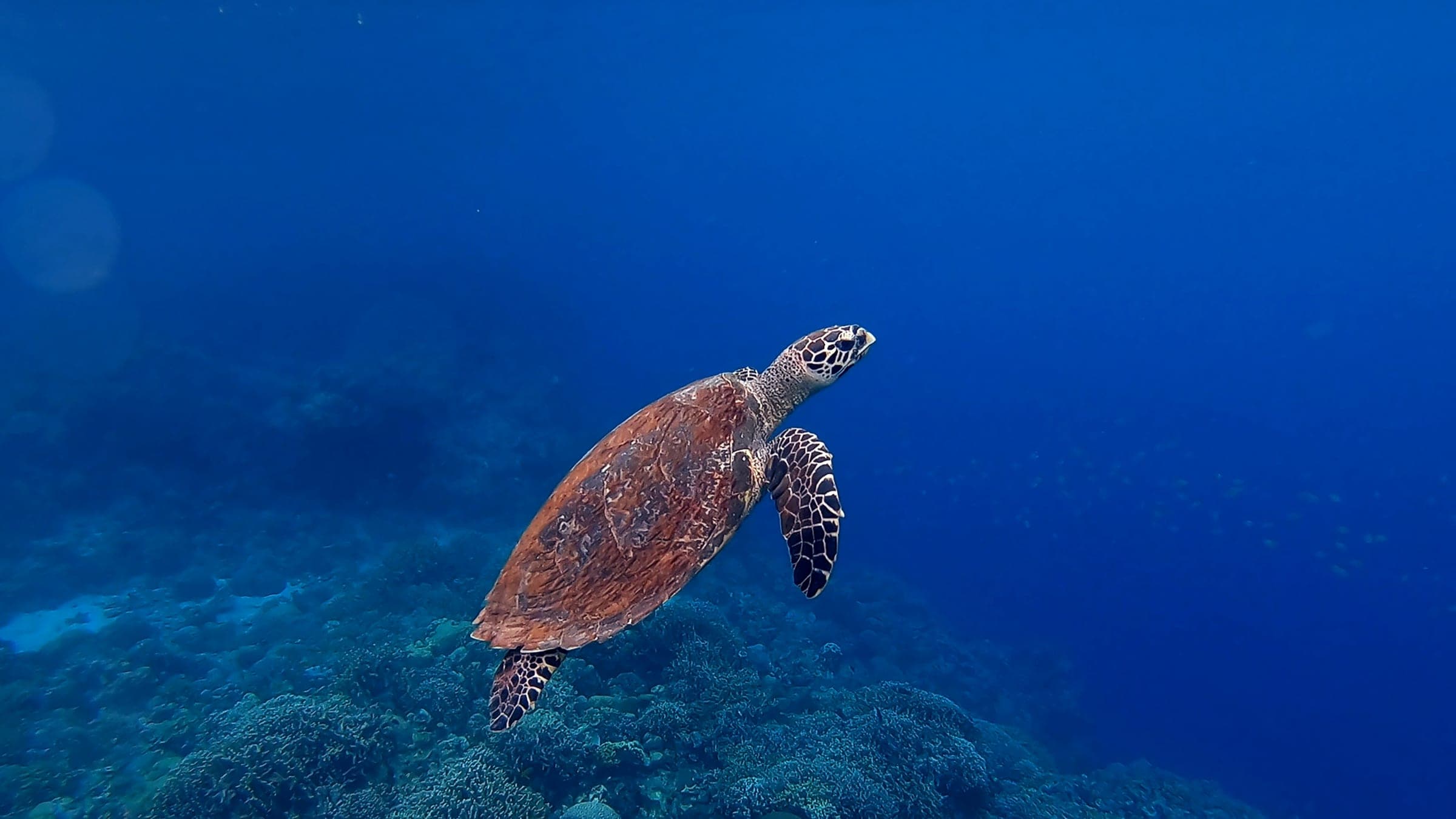
Boat-entry reef off Cape Maeda with turtles and coral.
Boat-entry reef off Cape Maeda with turtles and coral.
Boat-entry site in the Cape Maeda area; plan it with a local operator and keep the day flexible for weather and boat timing.
Maeda Kikumaru Buoy is a boat-entry reef off Cape Maeda in Onna Village, Okinawa, with a shallow sand-flat profile and a classic clear-water Okinawa feel. The site draws divers for coral patches, turtles, reef fish, and small macro life, with summer schooling action adding to the day when conditions are warm. It is best treated as a guided boat dive rather than a technical profile, and day-of weather, boat traffic, and Cape Maeda access rules still matter.
Conservative baseline from public research. No community dives logged yet.
Depth range, seasonality, and planning context.
Reported Depth
1m - 16m
Depth Note
A broad sand area starts very shallow and reaches the mid-teens around the buoy, so it reads as a shallow-to-mid-depth reef dive rather than a deep wall profile.
Best Season
Summer through early autumn for the strongest schooling-fish action; calmer shoulder-season and winter days can still work when the sea settles.
Typical Conditions
Clear water and a mix of sand and reef are the main draw, with marine life and visibility improving on settled days. The site feels most straightforward when Cape Maeda is calm and boat timing is flexible.
Site conditions, restrictions, and access requirements.
Site Conditions
Safety Notes
Keep clear of boat lanes, follow the Cape Maeda management rules, and skip the day if the sea is choppy or the water-access area is closed. Treat the site as a guided dive and follow the operator briefing closely.
Access Restrictions
Boat access is the practical way in, and Cape Maeda access can shut when weather or sea conditions turn bad. Use the designated parking/facilities if you are visiting the cape area.
Legal Notes
Do not park on the street or jump from the cliffs around Cape Maeda, and follow the site-management rules for closures and entry. Use the designated parking area and respect local access control.
Community notes to help plan your visit.
Scuba Diving
A guided boat drop-off gives you a shallow sand-flat start and an easy run into reef structure, so photographers and relaxed reef divers can work the small life without a technical profile. The site is best on a calm, flexible boat day.
Freediving
Not a freedive-first spot; only consider it with a guide and very conservative conditions if the operator allows it.
Snorkeling
Snorkeling is not the main use case here. If it is offered, treat it as a guided, very calm-day option rather than a casual stand-alone snorkel stop.
Species commonly reported at this site, with direct links into their wildlife guides.
Community dive logs and visit reports for this site.
Average conditions based on logged dives & visits.
Planning answers for access, conditions, timing, and site logistics.
Last Updated
Research Sources
Operator flow for boat or beach entry, facilities, and guided briefing support.
Cape Maeda management rules, weather closures, parking, and safety guidance.
Know this site? Improve Spot Details.
Kamiyama Labyrinth is a shallow topography dive near Naha.
Boat dive on Nagannu North with coral slope and seasonal marine life.
Chibishi boat dive with coral bommies and clear water.
Easy Nagannu reef south of Naha