
Alonissos and Peristera
Peristera is the trip anchor. Local boat diving adds reef, wall and cavern options when conditions and experience allow.
Things to do · Country Guide
Mediterranean clarity, island culture, turtle bays, caverns, and wrecks from Athens to the Aegean
Start with the experience, then find the right place for it. Conditions and access vary between destinations.
Greece is best for divers who want Mediterranean geology, clear water, cultural surface intervals, and flexible land-based trips. New divers can train near Athens, Crete, Rhodes, Kos, Zakynthos, Corfu, and Halkidiki. Certified divers can build a week around caverns in Crete, limestone caves in Corfu, volcanic walls in Santorini, wreck routes in Naxos and Paros, and turtle-aware Ionian dives in Zakynthos. The trade-off is that Greece is not a high-biomass coral destination. It is a blue-water, rock, wreck, seagrass, and archaeology destination where good buoyancy and local guides matter.
Places to explore
Peristera is the trip anchor. Local boat diving adds reef, wall and cavern options when conditions and experience allow.
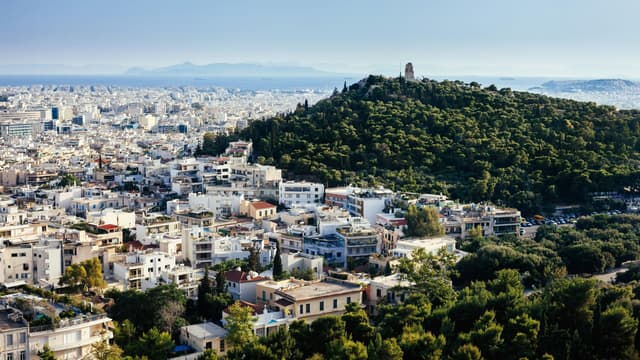
Choose Greece by logistics first. For a first visit, pick one primary base rather than trying to sample every island. Athens works for short trips and non-divers; Crete works for road trips; Zakynthos and Kefalonia suit Ionian caves and turtle-aware travel; Cyclades islands are best with ferry buffer days; Rhodes and Kos extend the warm-water season; Halkidiki and Thassos suit northern Greece. Book advanced wrecks, nitrox, large cylinders, technical support, and private guides ahead of time. In July and August, schedule dives early and leave flexible days for Meltemi wind or ferry changes.
June and September - October
Currents are usually manageable in sheltered coves, but headlands, channels, wrecks, and Aegean wind days can create surface chop, drift, and site changes. Summer water can feel warm at the surface, while spring, deeper walls, and thermoclines can be cool. Visibility is often strongest in late spring to autumn, commonly around 10 m to 30 m when wind and runoff cooperate.
Scuba near Athens is a local-operator experience: guided RIBs, shore training, wreck dives, cave-adjacent routes and rocky Mediterranean reefs. The most useful bases are Vouliagmeni, Varkiza, Anavyssos, Legrena and Porto Rafti, with Piraeus ferries adding Aegina, Agistri and Poros to broader itineraries.
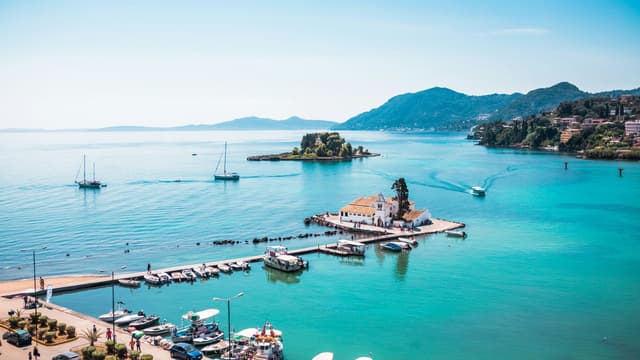
Corfu scuba is about Ionian visibility, limestone architecture, and local boat diving. Paleokastritsa is the headline cluster, with Achilleon Diving Center listing nearby reefs, walls, caverns, and wreck sites, while Ermones and Dassia add quieter training and guided dives.
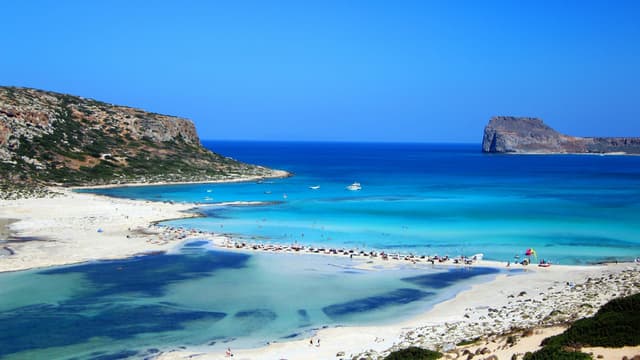
Crete is a clear-water Mediterranean dive island built around local operators and site variety. Chania Diving reaches Cape Drapano caverns and Elephant Cave; Divers Club Crete and other Agia Pelagia operators work El Greco Cave, Mononaftis, Dia Island, and the Messerschmitt wreck; Plakias-area centers use Skinaria and south-coast walls.
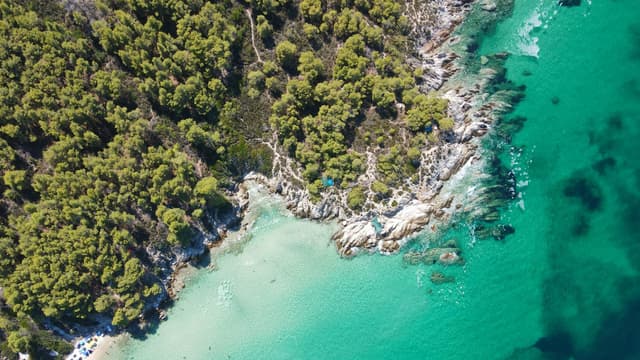
Scuba here is local, flexible, and scenery driven: rocky reefs, mild walls, Posidonia edges, caverns, and a few wrecks that sit within normal day-boat or shore-diving logistics. Halkidiki has the denser dive network, with Kassandra sites like Loutra, Porto Ilios, Porto Valitsa, Avlaki, Chrousso, and the Mitilini wreck, plus Sithonia and Kelyfos Island for walls and deeper profiles.
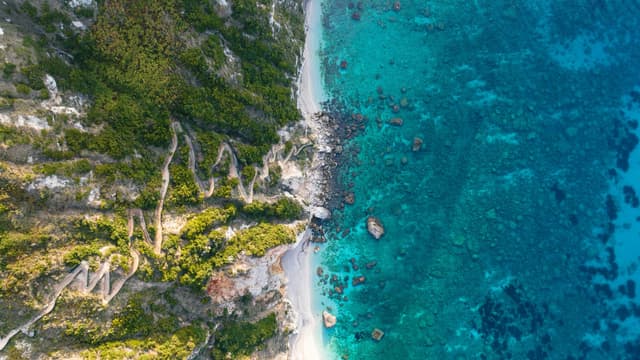
Kefalonia is an Ionian geology and wreck destination. From Fiskardo, short boat rides reach caverns, cliffs, seagrass meadows, and WWII remains; from Skala, divers can plan Mediterranean reefs, Kakava Shoals, and the serious HMS Perseus submarine wreck.
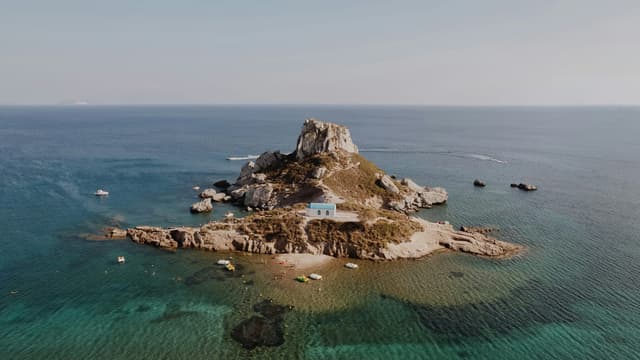
Kos scuba is relaxed, local and accessible. Most visitors dive from shore-linked dive centers or small boats, with short runs to Kastri, Three Rocks, Skala and Krikelos, plus weather-dependent excursions to Pserimos and Nisyros.
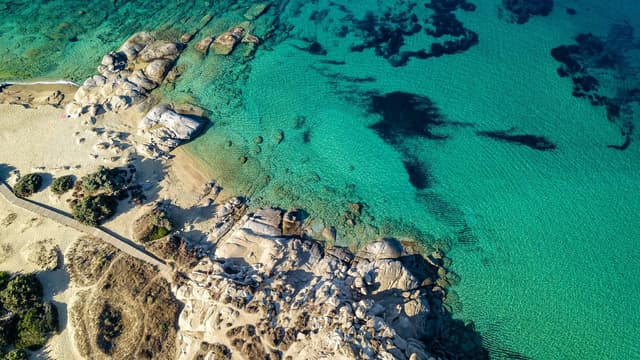
Scuba here is about variety within short local runs: shallow training reefs, the Marianna wreck, Naxos' Bristol Beaufighter, Paros-Antiparos caverns, Posidonia meadows, nudibranch-rich reefs, and blue Mediterranean visibility. Naxos operators such as Nima Dive Center and Blue Fin Divers typically base around Agia Anna or Agios Prokopios.
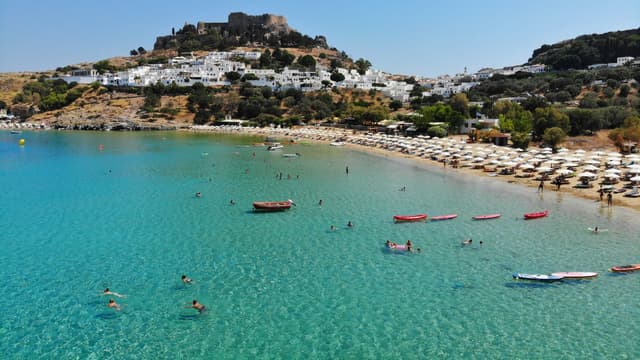
Rhodes is a clear-water Mediterranean dive island built around local centers, day boats, and training-friendly bays. The best starter route is Kalithea, where swim-throughs, shallow caverns, and sheltered platforms suit certified divers, Discover Scuba programs, and refresher dives.
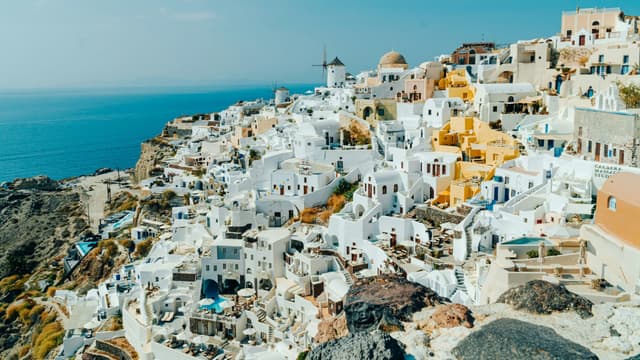
Santorini diving is about volcanic architecture: caldera walls, lava caves, black-sand slopes, swim-throughs, and small wrecks. Local centers such as Caldera Diving, Santorini Dive Center, Navy's Waterworld, Aegean Divers, and Atlantis Oia typically run guided shore-assisted and boat dives, with gear included for travelers who do not want to fly full kits.
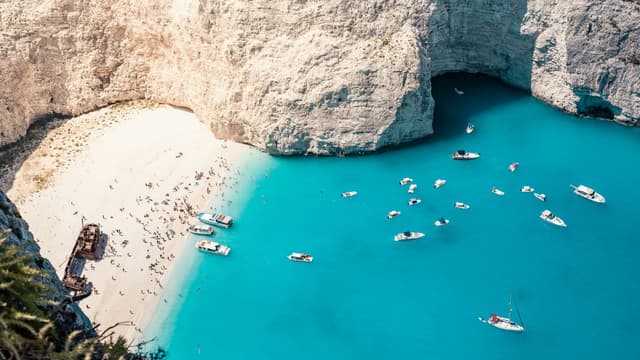
Zakynthos scuba is local day-boat diving with Mediterranean cave drama. Operators such as Nero-Sport in Limni Keriou, Zante Diving from Agios Sostis, Eurodivers Zante, and Diver's Paradise run training, try dives, and certified morning boat trips to Keri Caves, Turtle Island, arches, walls, and reefs.
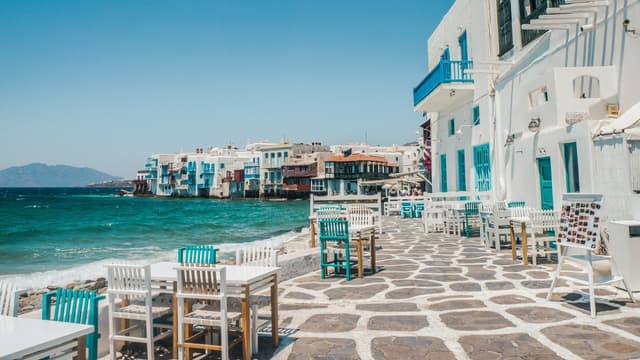
Scuba in Mykonos is compact, scenic and operator-led. Expect short day-boat dives, Aegean visibility, rocky topography, sponge gardens, amphora fragments and a few memorable wreck/cavern objectives rather than huge coral reefs.