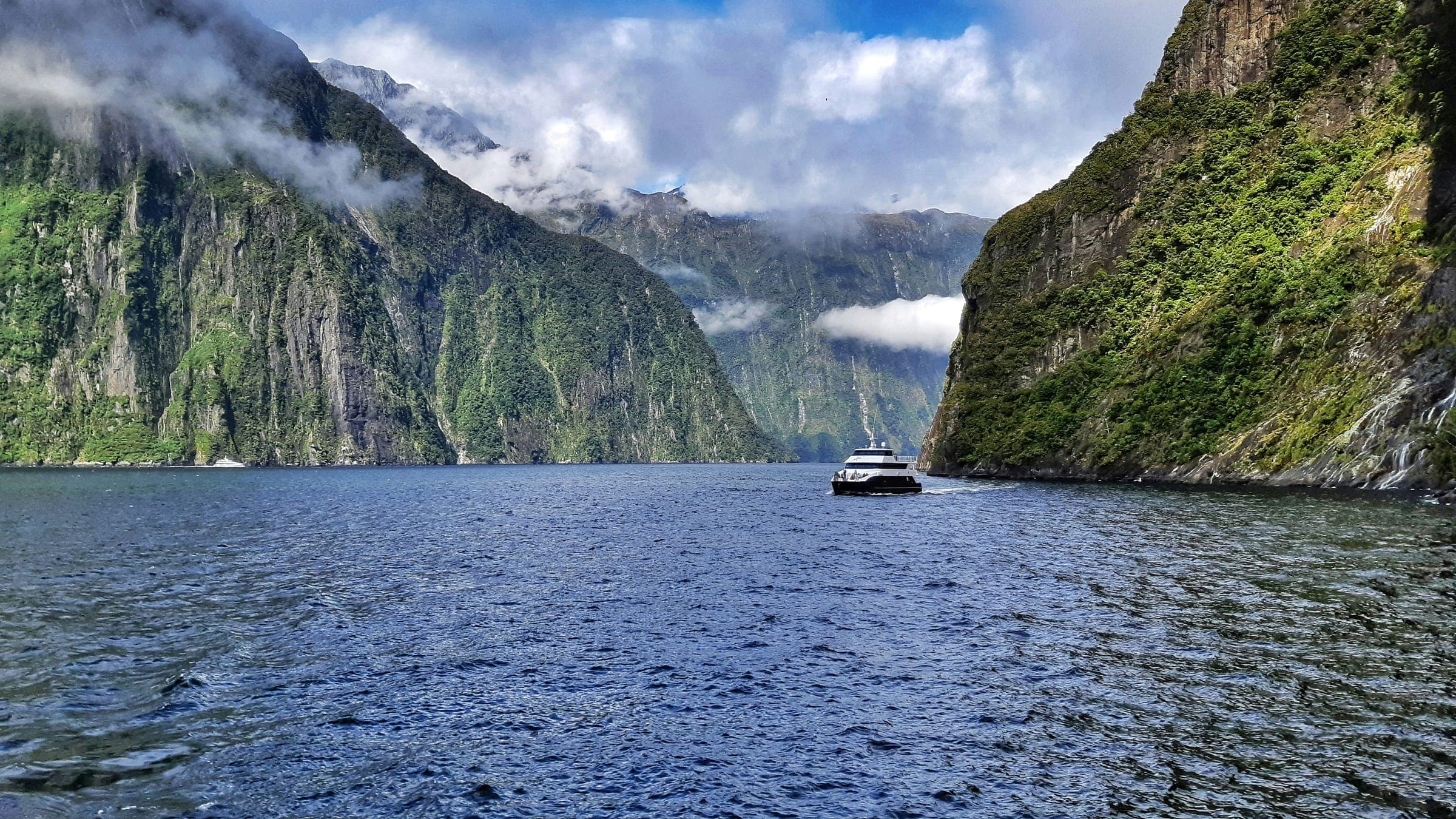
Hero photo of Fiordland Milford And Doubtful Sound New Zealand
Destination Guide

Fiordland Milford And Doubtful Sound New Zealand

Fjord walls, shallow black coral, and wild-weather adventure at the edge of New Zealand

Updated Feb 13, 202618 sources

View On Map

Overview

Fjord walls, shallow black coral, and wild-weather adventure at the edge of New Zealand

Fiordland is a rare kind of dive destination: a cold-water fjord system where heavy rainfall creates a dark, tannin-stained freshwater layer at the surface and unusually clear, calm saltwater beneath. That low-light cap helps deep-water species like black coral thrive at diver-friendly depths in protected fiords such as Piopiotahi (Milford Sound) Marine Reserve. Expect dramatic wall dives, overhangs with red coral and yellow zoanthids, and a feeling of wilderness that matches the topside scenery.

Most visitors base in Te Anau (or Manapouri for Doubtful Sound) and day-trip to Milford Sound, or book multi-day liveaboards into more remote sounds. Conditions are demanding: cold water, low light, steep depth changes, and tidal current windows. Marine reserve rules are strict (no fishing, no taking, no feeding, no disturbing), and Fiordland's biosecurity expectations mean clean gear and careful anchoring choices.
What Makes It Special

  • Shallow black coral

    Fiordland's low-light fjord conditions support black coral forests at depths reachable on standard recreational dives.

  • Marine reserves network

    Ten marine reserves protect key inner-fiord habitats, including Piopiotahi (Milford Sound), Taipari Roa (Elizabeth Island), and Moana Uta (Wet Jacket Arm).

  • True expedition feel

    Even the accessible sounds feel remote. Multi-day trips into Doubtful and beyond unlock a wilder, less visited Fiordland.

  • Diver and non-diver friendly

    Cruises, kayaking, glowworm caves, and Great Walk day hikes give non-divers big highlights while divers chase wall dives.

Signature Spots Preview

Quick shortlist before you jump into the full planning page.

See Full Plan
Bridal Veil dive spot

Bridal Veil

ReefWall
🏖️

Bridal Veil is a gently sloping dive that begins from a beach and follows a wall that runs out toward a point. The shallow area is generally sheltered and commonly used as a training site. Underwater terrain is a sandy and rocky reef with kelp and occasional small black coral trees, set within a scenic fiord environment.

Butterfly Wall dive spot

Butterfly Wall

Kelp ForestWall
Not Set

This site begins in a sheltered cove with a gently sloping stony-sandy bottom that transitions to a rocky sandy reef, then becomes a steep wall dive on both sides. The area is dominated by kelp, with large schools of butterfly perch and some wrasses. Small black coral can be found on the wall sections.

Cray’s Crack dive spot
Not Set

A sloping reef into a wall environment with big depth available nearby.

Dale Green dive spot

Dale Green

ReefWall
🏖️

Steep wall sections close to shore, with reported dropoffs to around 80 m and overhangs that can hold red coral colonies.

Dale Point dive spot

Dale Point

ReefWall
Not Set

A marinereserve wall with steep dropoffs and abundant black coral.

Fox Cove dive spot
Not Set

This outer-fiord site has a rocky reef that slopes down to a sandy bottom, with maximum depth around 20 m depending on where you dive within the cove. It offers scenic views toward the northern outer coastline. Marine life includes colourful kelp and a variety of coastal fish species.

Seasonality Preview

  • Best overall window: December to March
  • Track monthly activity windows in a full 12-month planner view.
See Full Season Planner

Logistics Preview

  • Queenstown Airport · 171 km drive
  • Invercargill Airport · 160 km drive
Open Logistics

Safety Preview

  • Cold-water exposure is the main risk multiplier
  • Steep walls can pull divers deeper than planned
Open Safety Guide

FAQ Preview

  • When is the best time to scuba dive in Milford Sound (Piopiotahi)?
  • How cold is the water in Fiordland and what exposure protection should I use?
Open FAQs

About these guides

DiveJourney destination guides are living documents built from local knowledge, operator experience, and publicly available sources. Conditions, regulations, and logistics can change. Each guide shows its last update date and sources used.

Last updated: February 13, 2026 18 sources

If you see something inaccurate or outdated, you can submit an update. This is how the platform improves.