airliebeach.holiday · Local Guide
Hook Island guide describing the island as one of the Whitsundays' strongest snorkel and dive areas.
Boat-access fringing reef with coral gardens off Hook Island.
Boat-access fringing reef with coral gardens off Hook Island.
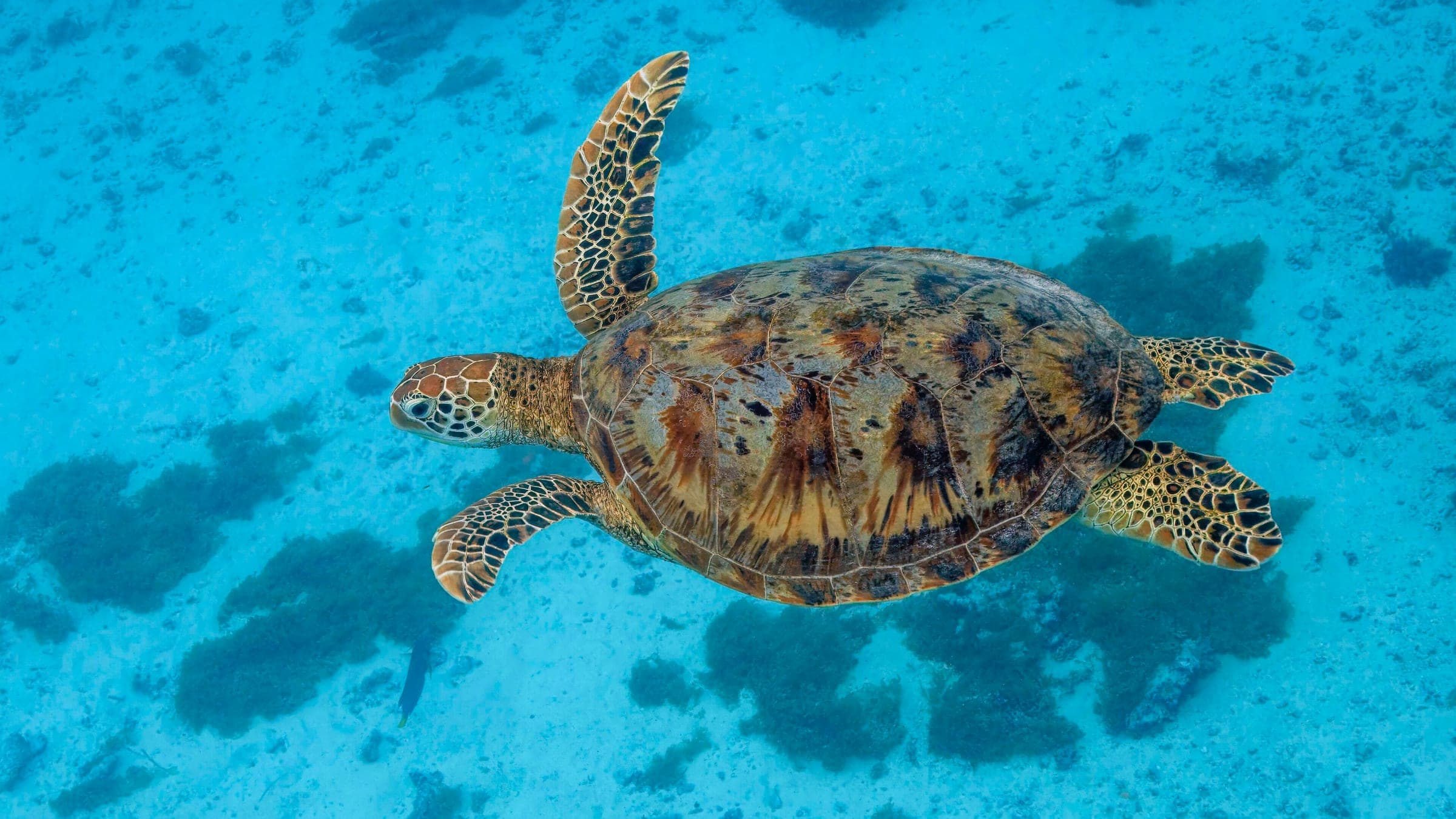
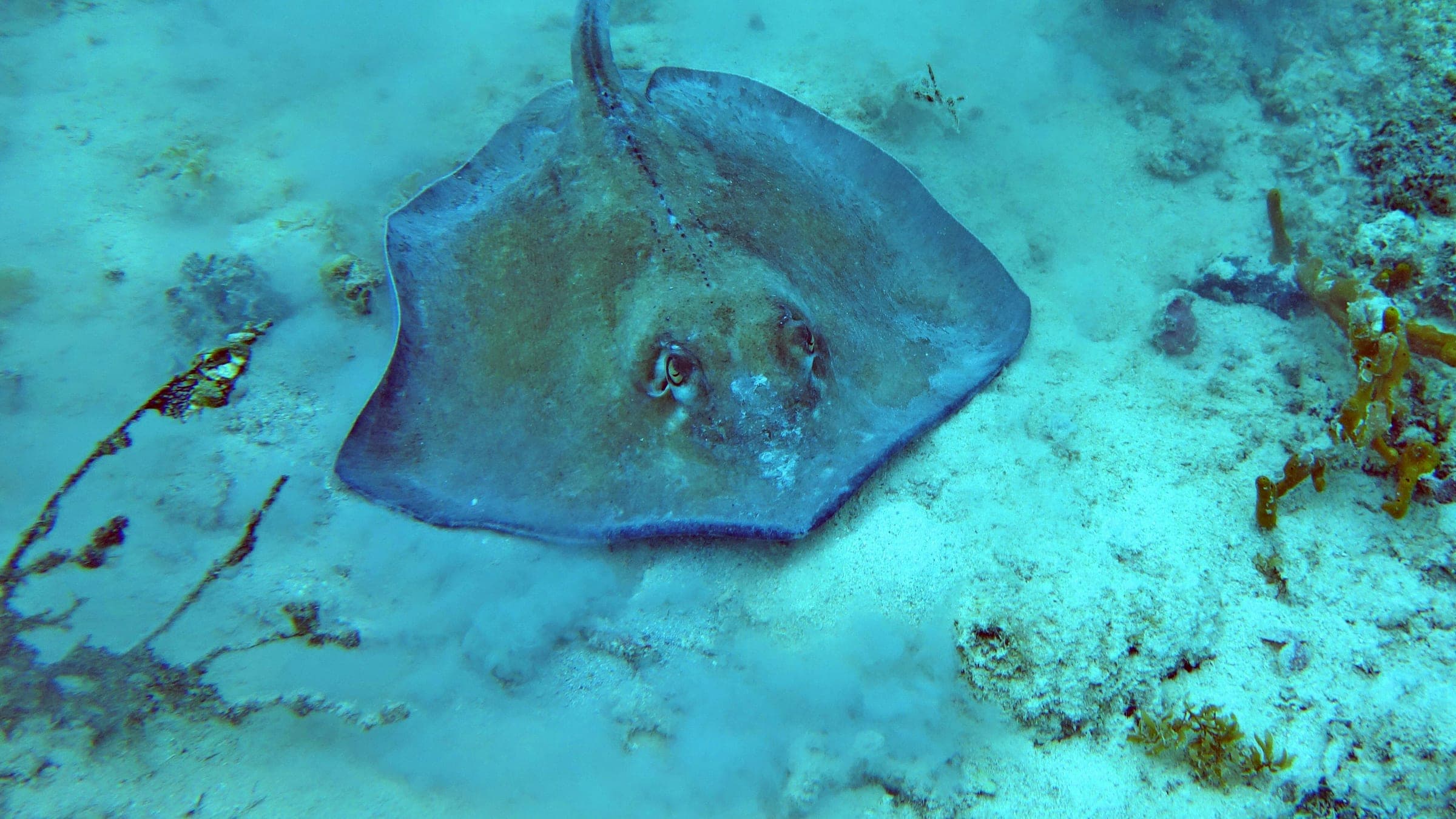
Cockatoo Point is a boat-access fringing reef on the northern edge of Stonehaven Bay, where coral bommies and reef edge laps make it one of Hook Island's stronger snorkel and scuba stops. The site is usually calmer than more open Whitsunday reefs, but current still builds with the tide and many crews treat it as a drift-style pass along the coral line. Expect coral gardens, reef fish, turtles, and the occasional ray rather than a fixed entry-exit circuit.
Conservative baseline from public research. No community dives logged yet.
Depth range, seasonality, and planning context.
Reported Depth
1m - 20m
Depth Note
Approx. 1 m to 20 m along a gradual drop-off.
Best Season
Most workable year-round on lighter winds and gentler tides; warm-season trips should add stinger protection and tighter weather checks.
Typical Conditions
Generally calmer than more exposed Whitsunday reef sites, with tide-driven current as the main planning factor and the clearest water arriving in lighter winds.
Site conditions, restrictions, and access requirements.
Site Conditions
Safety Notes
Check tide and wind before committing, use stinger protection in warm months, and avoid solo snorkelling or diving because current can move you along the reef quickly.
Access Restrictions
Boat access only. Public moorings are first-come, first-served, and anchoring needs to stay clear of coral, reef protection markers, and any marked no-anchoring areas.
Legal Notes
Cockatoo Point sits inside protected Whitsunday / Great Barrier Reef waters, so marine life protection rules, zoning, mooring conditions, and no-anchoring restrictions apply.
Community notes to help plan your visit.
Scuba Diving
Scuba here is usually a boat-supported reef edge or bommie pass rather than a fixed loop. Plan entries around gentler tides because current can turn the site into a relaxed drift.
Freediving
Best for boat-supported reef laps on quiet weather windows, with buddy cover and surface tracking because tidal flow can push divers along the edge.
Snorkeling
Most snorkellers work the fringing reef edge or drift the coral line with the tide, choosing the calmer side of the point for easier entries and exits.
Species commonly reported at this site, with direct links into their wildlife guides.
Community dive logs and visit reports for this site.
Average conditions based on logged dives & visits.
Planning answers for access, conditions, timing, and site logistics.
Last Updated
Research Sources
Hook Island guide describing the island as one of the Whitsundays' strongest snorkel and dive areas.
Queensland Parks overview listing Whitsunday Islands anchoring, mooring, snorkelling, and diving access.
Stonehaven Bay trip report with species-level green turtle sighting support.
Know this site? Improve Spot Details.
Boat-access tidal reef wall with coral and schooling life.
Sheltered Butterfly Bay reef pocket for easy boat dives and snorkels.
Sheltered Hook Island bay with bommies, gullies, and wall edges.
Sheltered Hayman Island reef with bommies and easy snorkelling.
Hook Island bay with bommies, snorkelling, and George the wrasse.
Pontoon-based Hardy Reef hub for easy GBR access