airliebeachdiving.com · Operator Guide
Local operator guide with Luncheon Bay route notes, typical depth, and current/tide advice.
Sheltered Hook Island bay with bommies, gullies, and wall edges.
Sheltered Hook Island bay with bommies, gullies, and wall edges.
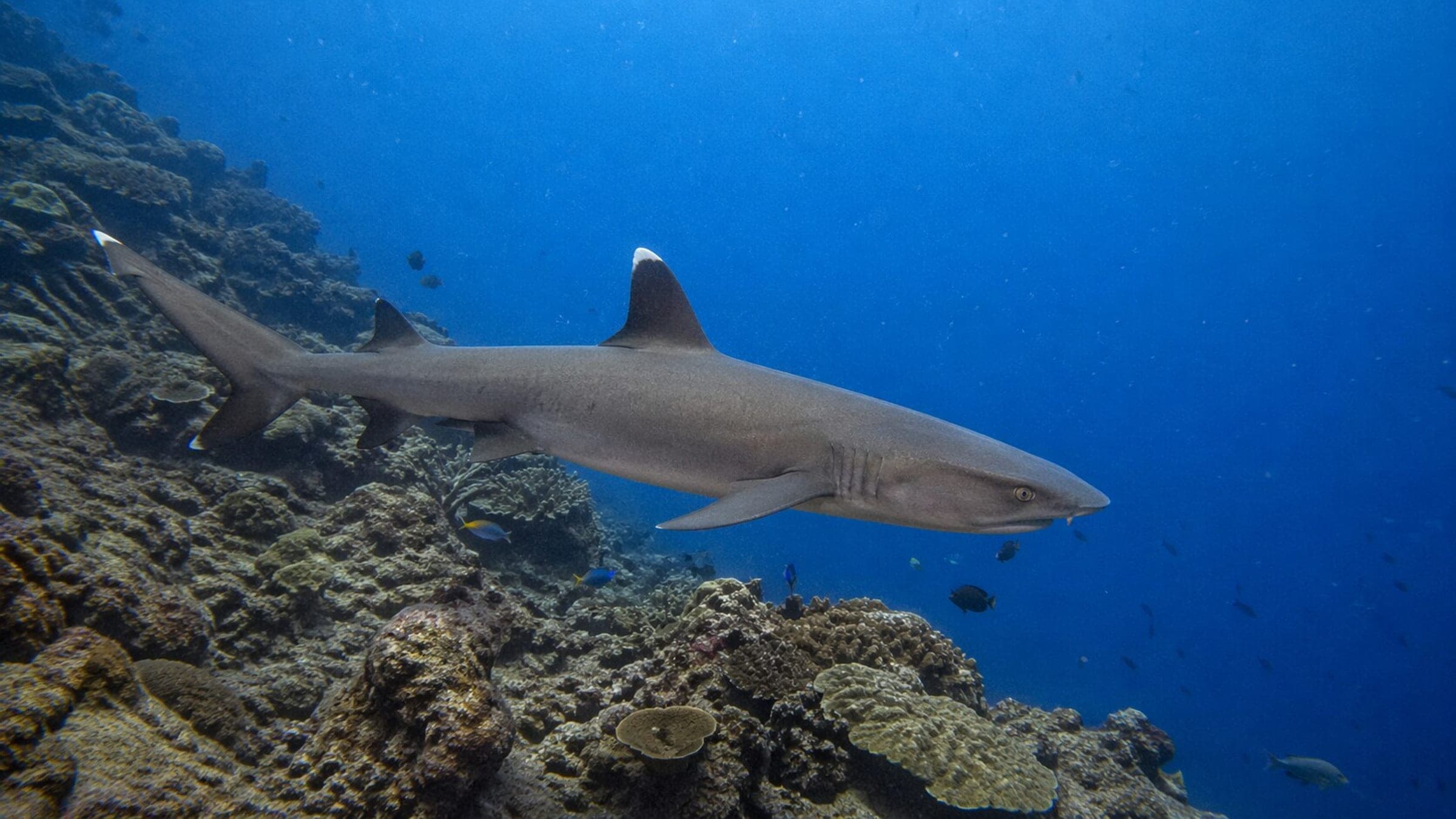
Luncheon Bay is a sheltered Hook Island reef-and-wall dive with coral bommies, gullies, and short wall sections spread along the bay. Most dives work across the bommies before edging toward steeper reef where larger fish patrol the drop-off. It is a reliable Whitsundays fallback when outer sites are rough, but tides and recent wind still shape clarity and comfort.
Conservative baseline from public research. No community dives logged yet.
Depth range, seasonality, and planning context.
Reported Depth
4m - 18m
Depth Note
Public guides vary by exact line inside Luncheon Bay, from shallow inner bommies at roughly 4 m to deeper western wall sections around 18 m.
Best Season
Conditions are usually most reliable through the drier months from about April to November, when rainfall is lower and water clarity is typically better around the Whitsundays.
Typical Conditions
This is one of the more sheltered Hook Island options, but visibility and comfort still swing with wind, swell, and tide. Operators generally favour lighter winds and neap or slack-water windows for the cleanest run along the bommies and wall.
Site conditions, restrictions, and access requirements.
Safety Notes
Treat the outer wall as the more exposed part of the site and aim for neap or slack-water timing when possible. Visibility and comfort drop quickly after stronger wind or swell moves into the bay.
Access Restrictions
Boat access is the practical norm here, and reef protection rules mean vessels need to work from the designated public moorings or tenders rather than dropping anchor on the reef.
Legal Notes
Luncheon Bay sits inside the Whitsundays Planning Area, where designated public moorings are provided and nearby reef sections are managed as no-anchoring areas under marine park rules.
Community notes to help plan your visit.
Scuba Diving
Most dives start over shallow bommies before following reef fingers and short wall sections toward the bay mouth, with plenty of fish life along the edges. It works well as a second dive or fallback site when exposed outer routes are off, but the outer section feels more open once current or chop builds.
Snorkeling
Snorkelling is best over the shallow inner bommies when the bay is calm and clear. It is a stronger fit for confident snorkellers arriving by boat than for casual visitors expecting easy open-water conditions all the way to the outer wall.
Species commonly reported at this site, with direct links into their wildlife guides.
Community dive logs and visit reports for this site.
Average conditions based on logged dives & visits.
Planning answers for access, conditions, timing, and site logistics.
Last Updated
Research Sources
Local operator guide with Luncheon Bay route notes, typical depth, and current/tide advice.
Independent dive guide describing terrain, depth envelope, and marine life.
Community directory describing site popularity and snorkel/boat suitability.
Official no-anchoring map and management overlay for Whitsunday reef sites.
Citizen science monitoring update covering coral recovery and vessel traffic patterns at Luncheon Bay.
Trip-planning page describing the dry season and visibility patterns in the Whitsundays.
Know this site? Improve Spot Details.
Hook Island bay with bommies, snorkelling, and George the wrasse.
Sheltered Butterfly Bay reef pocket for easy boat dives and snorkels.
Boat-access fringing reef with coral gardens off Hook Island.
Boat-access tidal reef wall with coral and schooling life.
Sheltered Hayman Island reef with bommies and easy snorkelling.
Pontoon-based Hardy Reef hub for easy GBR access