
divingadelaide.com.au · Operator
Operator page describing easy stairs and ladders, shallow water, macro life, night-diving value, and the jetty structure.
Australia
Shallow jetty dive with major macro life.
Shallow jetty dive with major macro life.
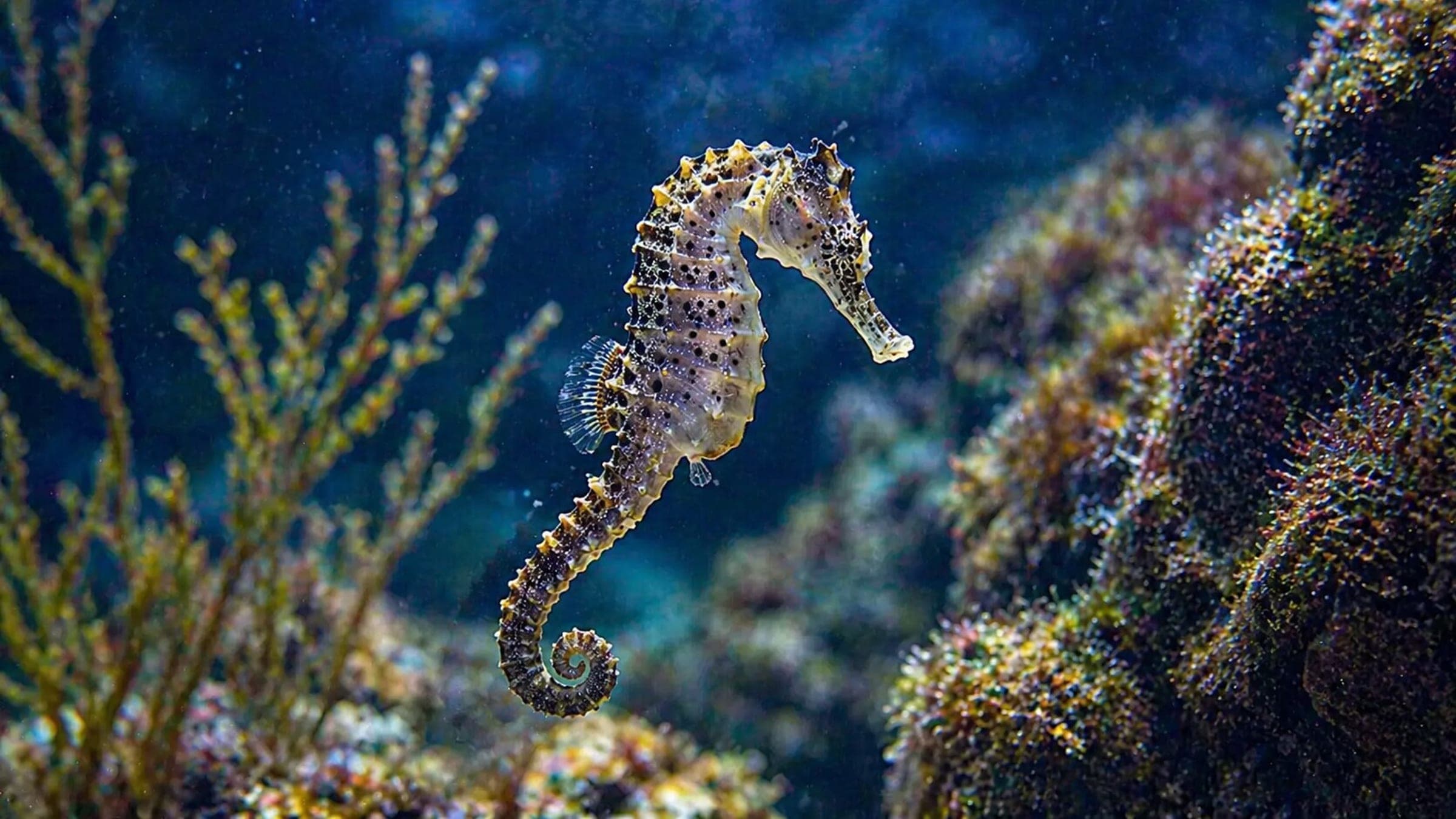
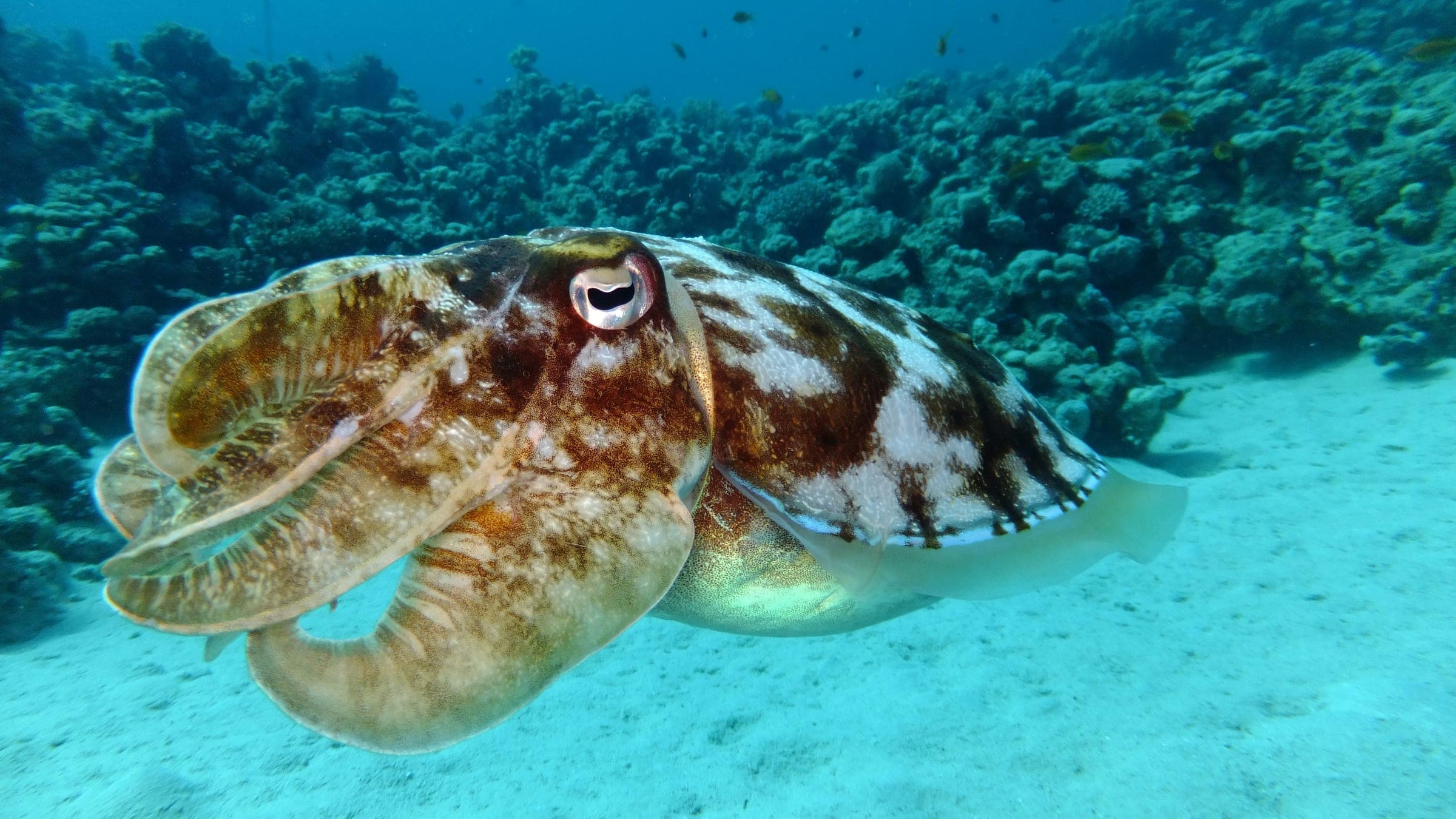
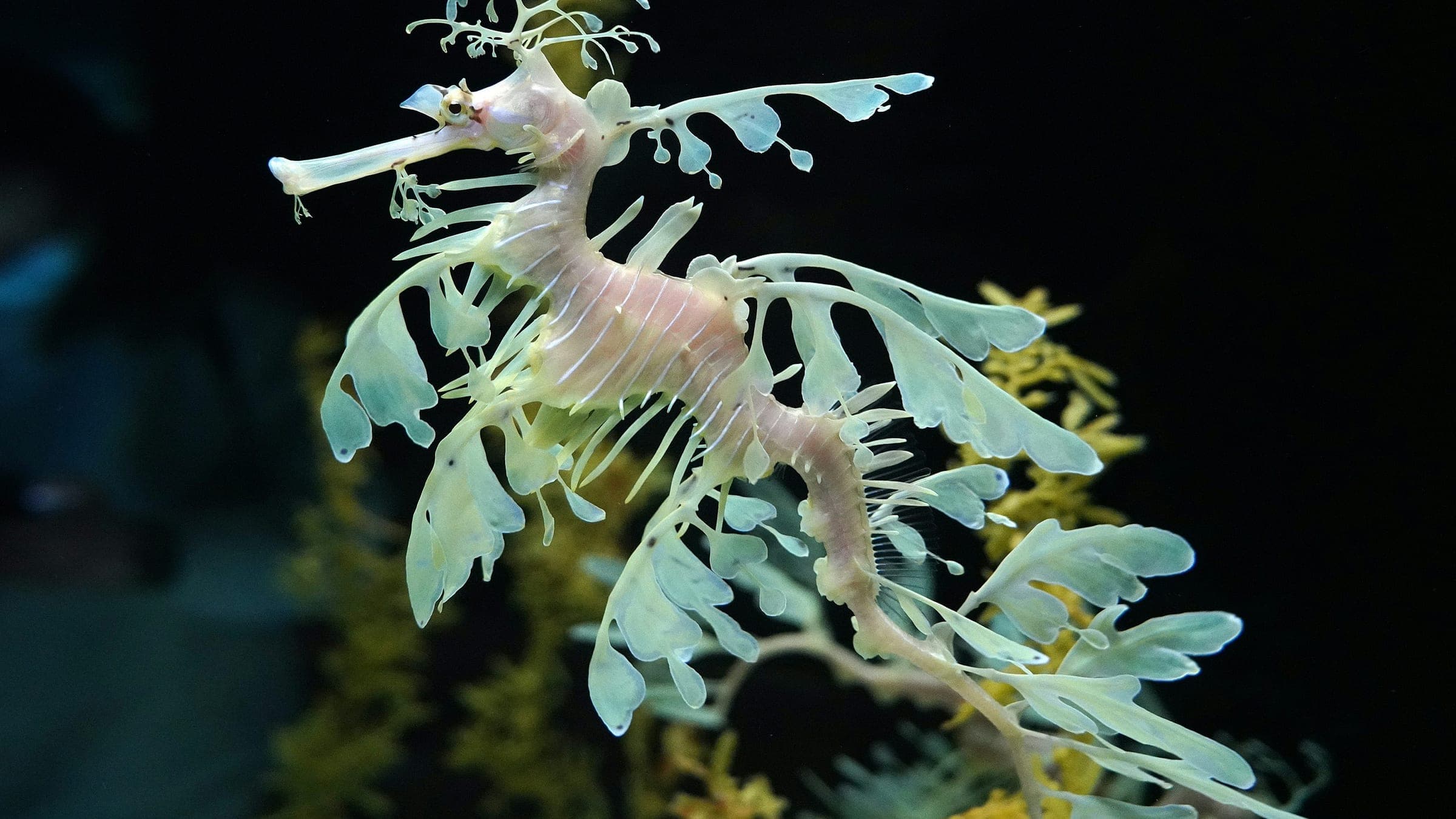
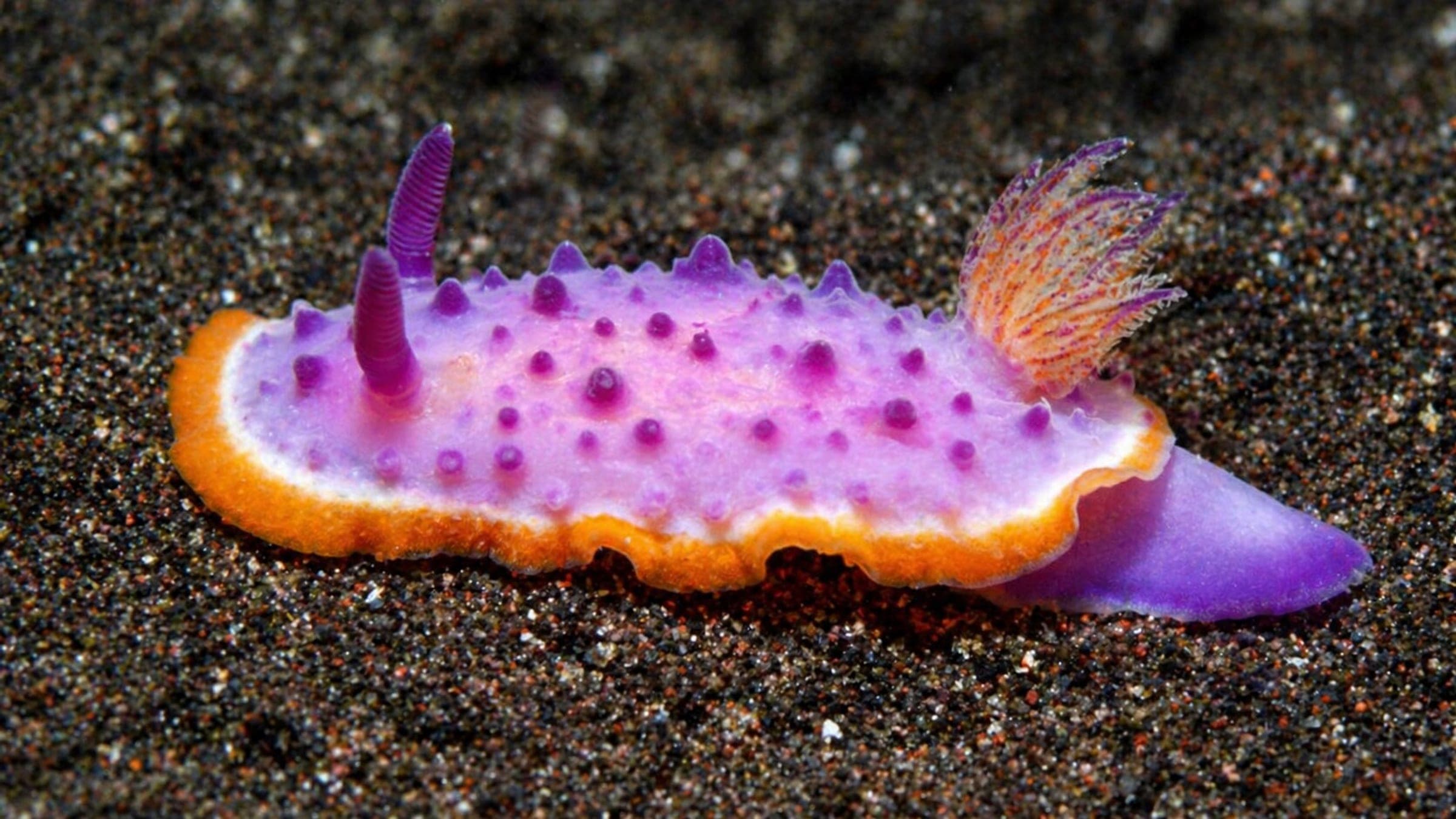
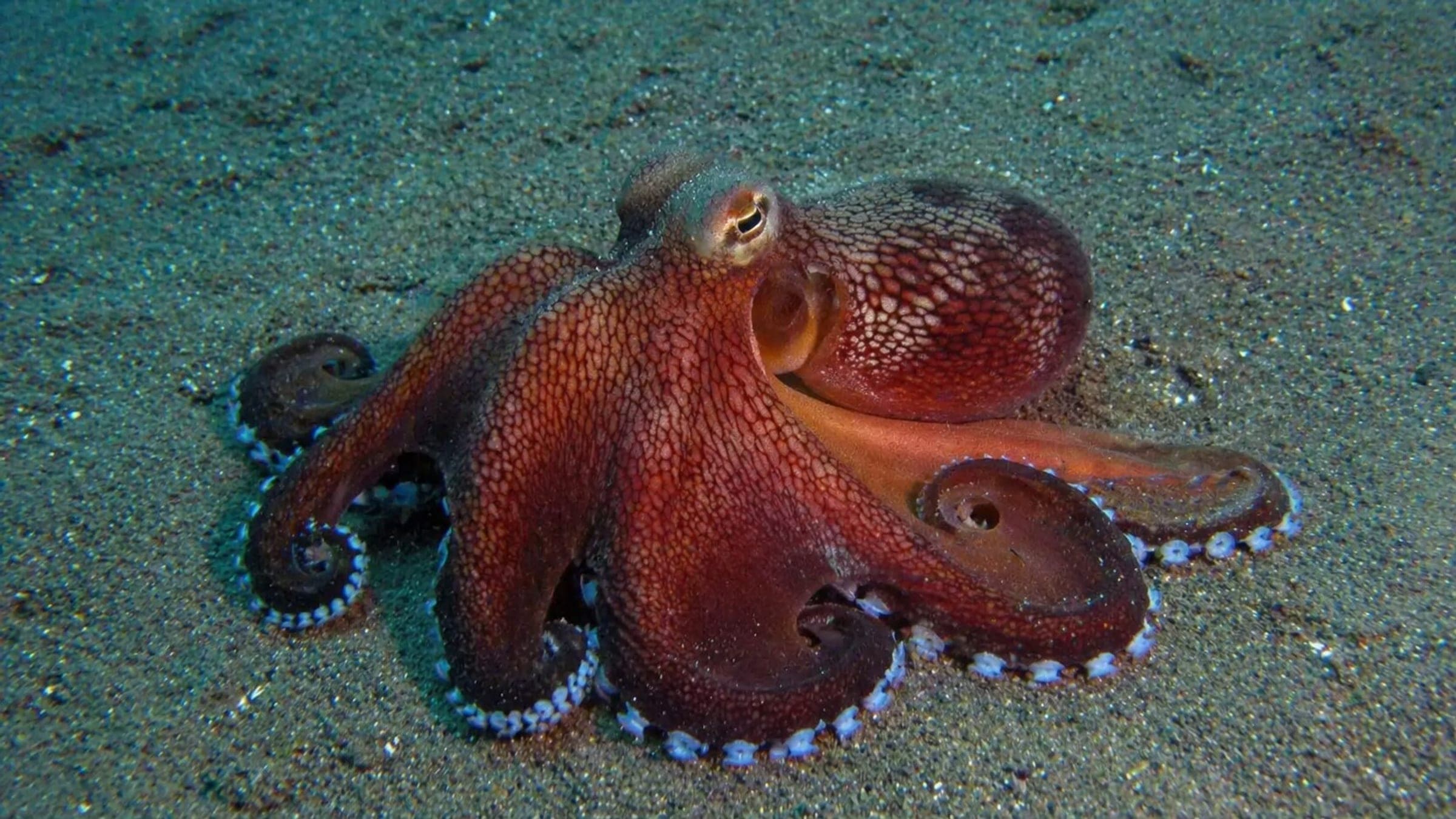
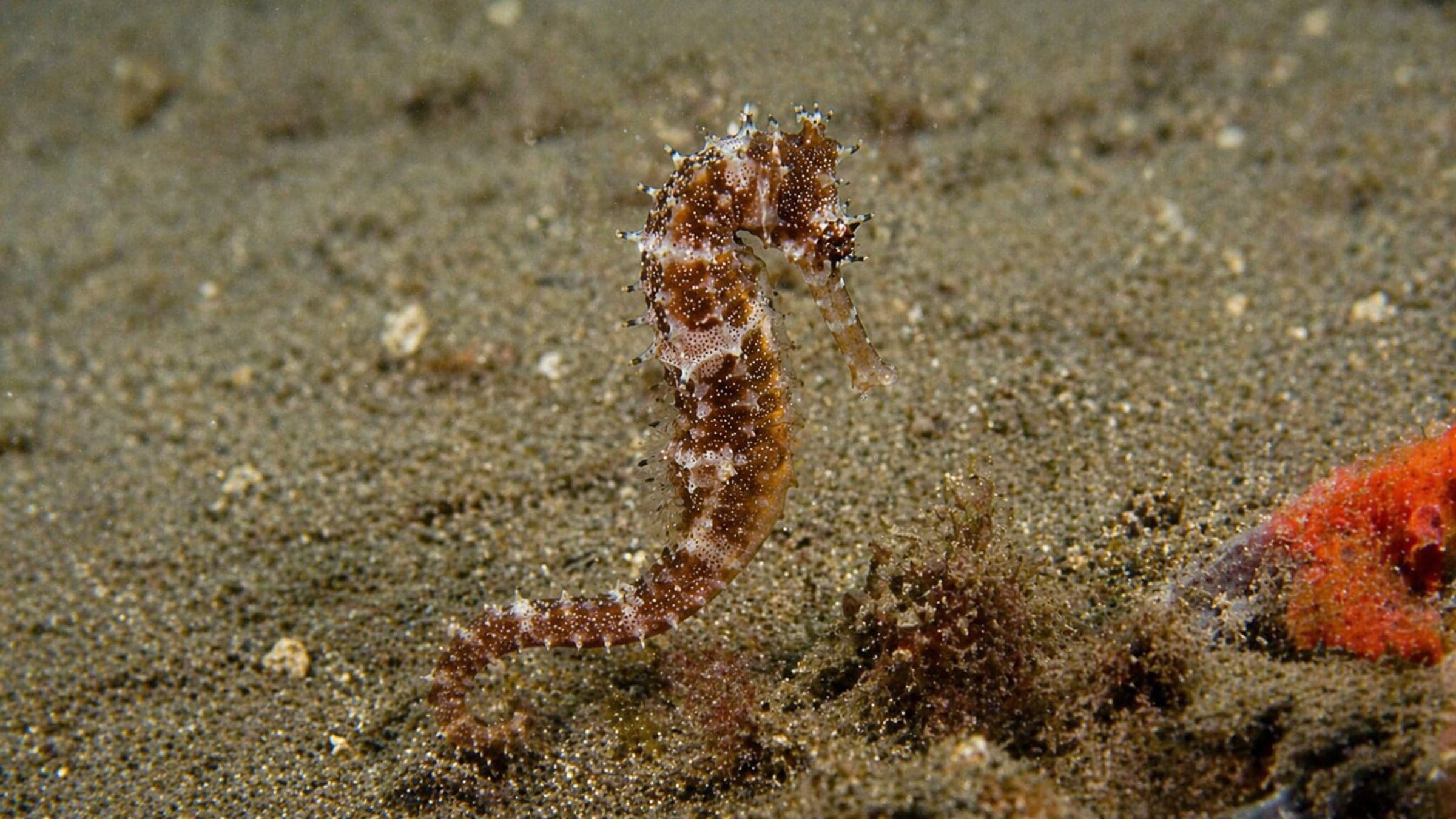
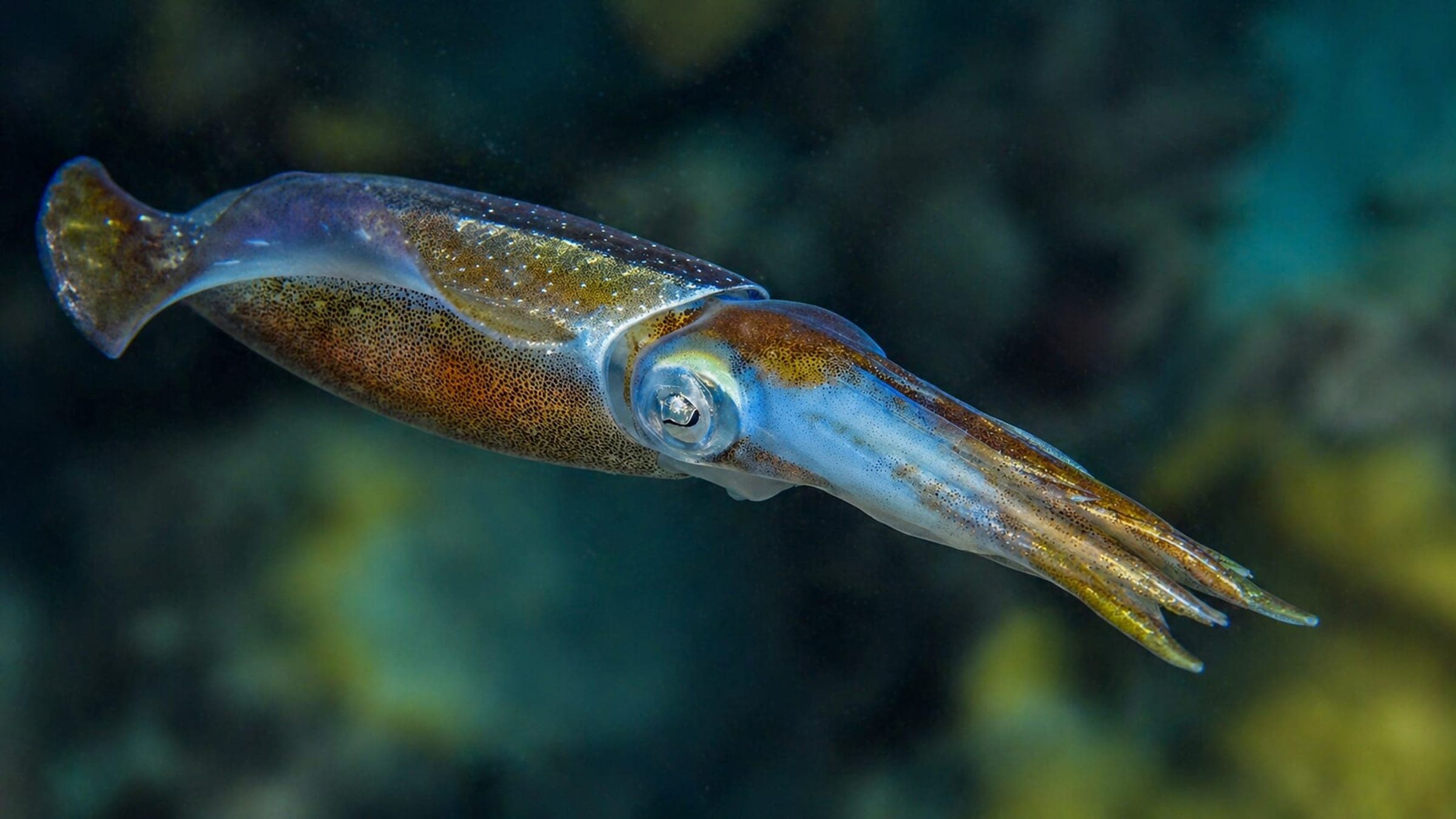
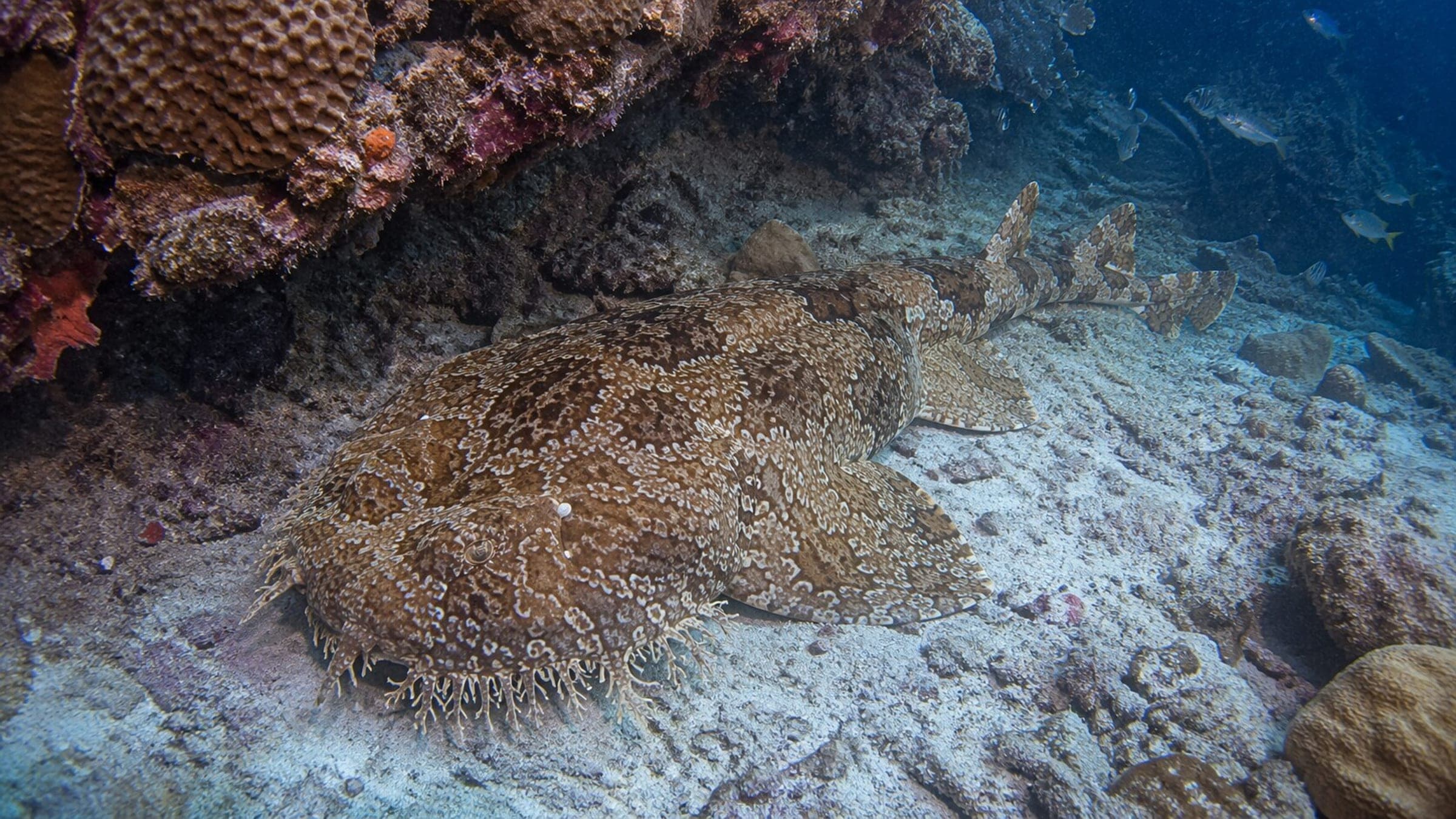
Edithburgh Jetty is a classic South Australian shore dive known for packed macro life and easy entry right in town. The dive follows the jetty pylons and shallow dredged water, so navigation is simple and the structure itself becomes the main feature. Entry is from the stairs or ladders, and conditions can change quickly when wind turns east. Photographers come for leafy sea dragons, seahorses, squid, nudibranchs, octopus, and the occasional shark or sea lion.
Site Conditions
Safety Notes
Watch fishing lines, keep the group oriented under the pylons, and treat east-wind days as low-visibility sessions.
Access Restrictions
Shore entry via jetty stairs and ladders is the norm; tide height changes how easy the entry and exit feel.
Legal Notes
Check current access notices and keep clear of anglers; jetty works and local conditions can affect entry.
Community notes to help plan your visit.
Scuba Diving
A relaxed shore dive for macro hunters and photographers, with the pylons and sand patches doing most of the work.
Snorkeling
Snorkellers can work the shallow pylon zone and still see plenty of life, though the best critters sit lower than the surface.
Species commonly reported at this site, with direct links into their wildlife guides.
Conservative baseline from public research. No community dives logged yet.
Last Updated
Research Sources
Operator page describing easy stairs and ladders, shallow water, macro life, night-diving value, and the jetty structure.
Community page listing local species and calling the jetty one of Australia’s best dive sites.
Directory listing with depth, access, car park, toilet block, and marine-life notes.
Independent shore-diving article noting visibility over 10m in calm conditions and a drop below 5m on easterly winds.
Official council update on dive-stair works, improved accessibility, and the site’s local tourism importance.